Employment Application Letter Format In Middlesex
Description
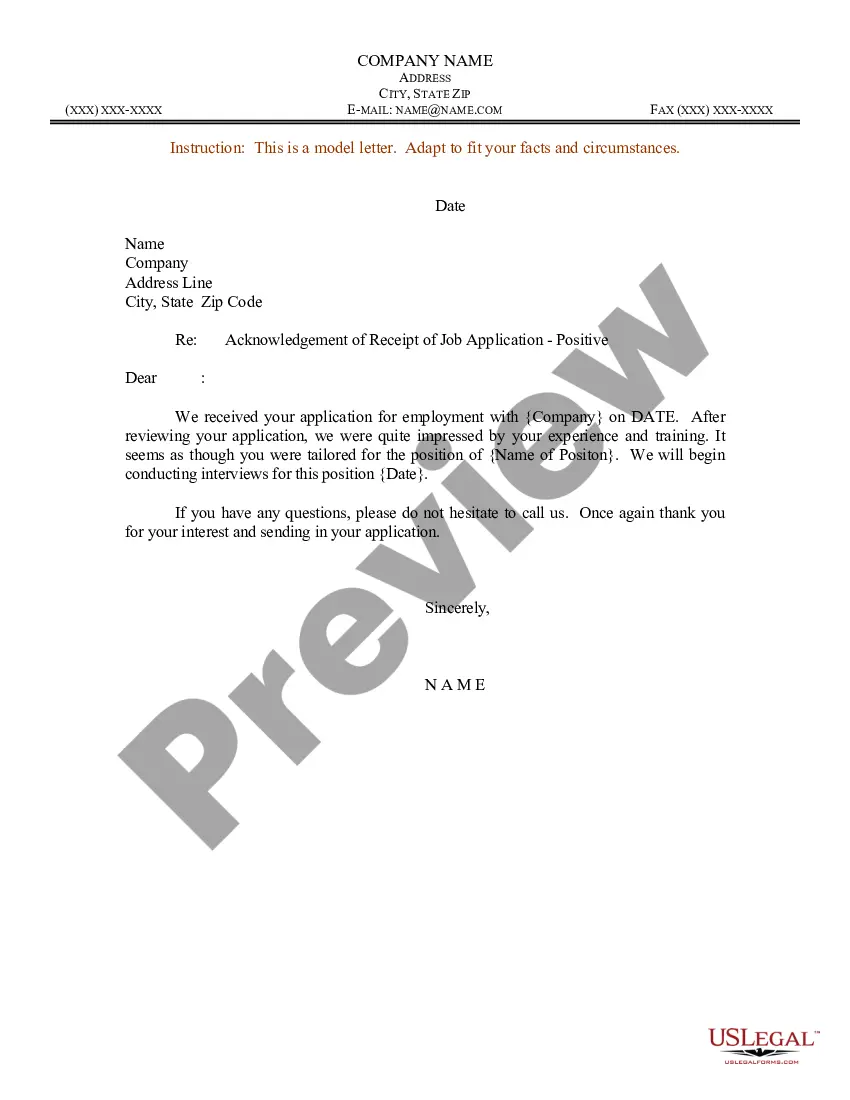



Get your form ready online
Our built-in tools help you complete, sign, share, and store your documents in one place.
Make edits, fill in missing information, and update formatting in US Legal Forms—just like you would in MS Word.
Download a copy, print it, send it by email, or mail it via USPS—whatever works best for your next step.
Sign and collect signatures with our SignNow integration. Send to multiple recipients, set reminders, and more. Go Premium to unlock E-Sign.
If this form requires notarization, complete it online through a secure video call—no need to meet a notary in person or wait for an appointment.
We protect your documents and personal data by following strict security and privacy standards.

Make edits, fill in missing information, and update formatting in US Legal Forms—just like you would in MS Word.

Download a copy, print it, send it by email, or mail it via USPS—whatever works best for your next step.

Sign and collect signatures with our SignNow integration. Send to multiple recipients, set reminders, and more. Go Premium to unlock E-Sign.

If this form requires notarization, complete it online through a secure video call—no need to meet a notary in person or wait for an appointment.

We protect your documents and personal data by following strict security and privacy standards.
Looking for another form?
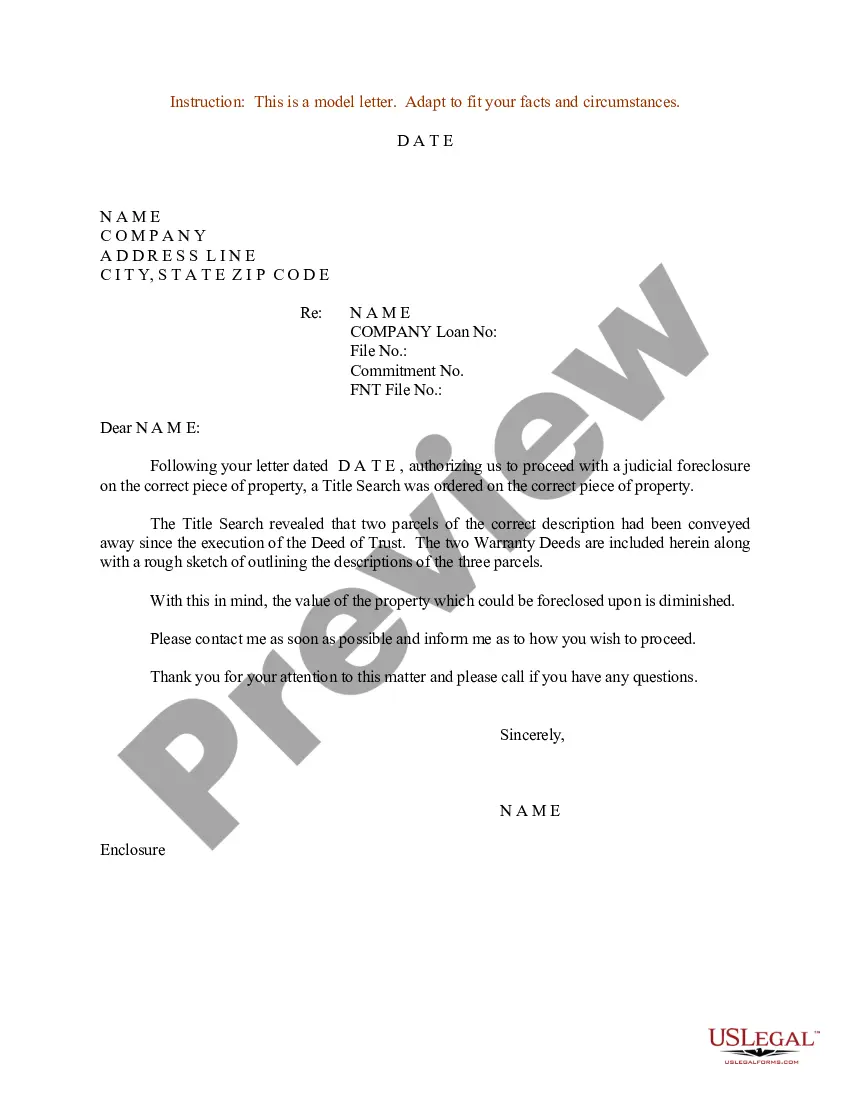
Form popularity
FAQ
How to write a job application letter Research the company and position. Start by expressing your interest in the position. Mention your qualifications and experience. Describe your personality. Appreciate the reader. Close the letter. Be concise. Proofread your application letter.
What's the difference between a motivation letter and a cover letter? A motivation letter is most often used for volunteer opportunities, scholarships and academic applications. A cover letter is typically for work applications or promotions.
Often, a cover letter is one part of an application packet, along with a resume, portfolio and letters of recommendation.An application letter is a detailed document that provides deeper insight into an applicant's experience and skills.
While the content of an application letter and a cover letter may be similar, they vary in length. Application letters are typically longer and contain more details.
How to complete a job application Read over the job application. Use a professional name and email address. Follow the instructions. Tailor your cover letter to the job. Include keywords in your resume. Check your responses for errors. Track your applications when applying for multiple jobs. Tidy your social media profiles.
The only difference between them is that an application is a formal letter, it is written for formal demands/requests and used in formal setups, whereas a letter can be both formal and informal. An application is written to seek permission or make a request, whereas a letter can be written to convey a message, alone.
Traditionally, the application letter or cover letter is a formal letter that accompanies your résumé when you apply for a position. Its purpose is to support your résumé, providing more specific details, and to explain in writing why you are a strong candidate for the specific position to which you are applying.
Placing both addresses in the top left-hand corner under one another is the standard format for application letters.
Intro I'm writing to express my interest in the job title position at company name. Share a personal anecdote if you have one, or briefly explain why you decided to apply for the role. Body paragraph 1: write about your experience, skills and any specific industry knowledge that could be valuable to the role.
