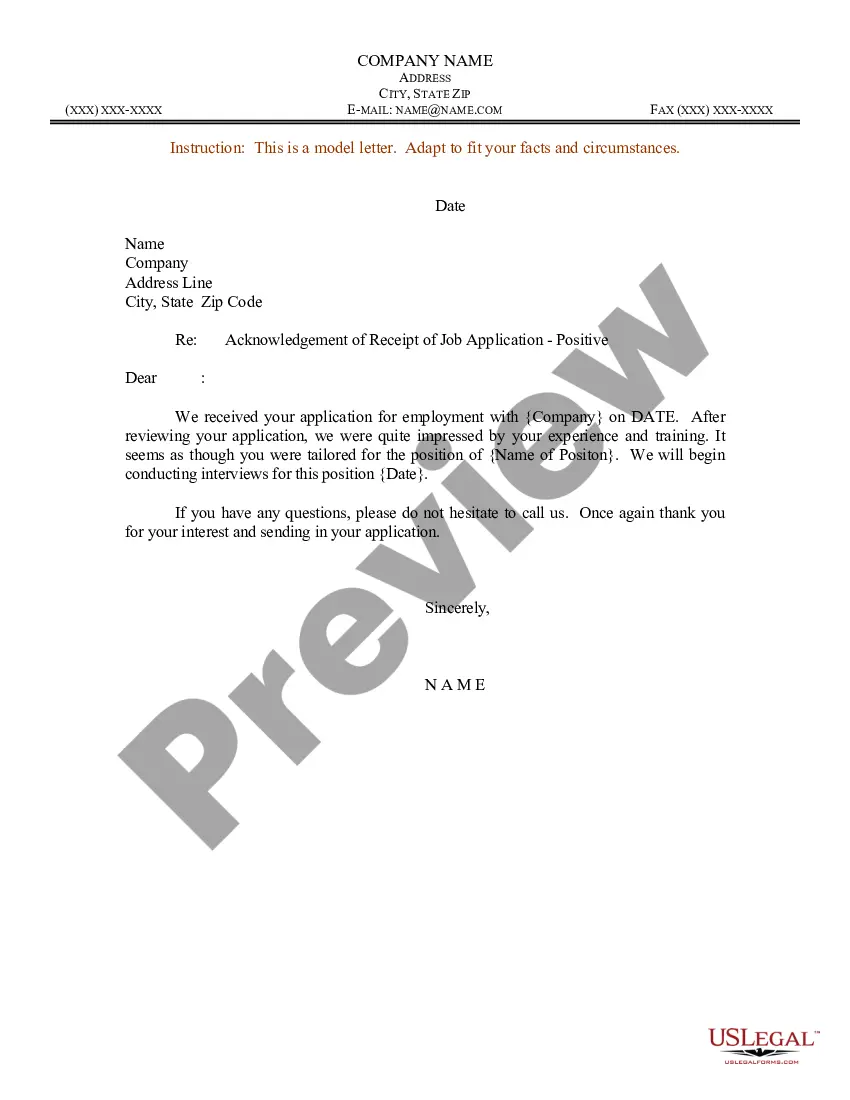
Application Employment Letter With Cv In Maryland
Description



Get your form ready online
Our built-in tools help you complete, sign, share, and store your documents in one place.
Make edits, fill in missing information, and update formatting in US Legal Forms—just like you would in MS Word.
Download a copy, print it, send it by email, or mail it via USPS—whatever works best for your next step.
Sign and collect signatures with our SignNow integration. Send to multiple recipients, set reminders, and more. Go Premium to unlock E-Sign.
If this form requires notarization, complete it online through a secure video call—no need to meet a notary in person or wait for an appointment.
We protect your documents and personal data by following strict security and privacy standards.

Make edits, fill in missing information, and update formatting in US Legal Forms—just like you would in MS Word.

Download a copy, print it, send it by email, or mail it via USPS—whatever works best for your next step.

Sign and collect signatures with our SignNow integration. Send to multiple recipients, set reminders, and more. Go Premium to unlock E-Sign.

If this form requires notarization, complete it online through a secure video call—no need to meet a notary in person or wait for an appointment.

We protect your documents and personal data by following strict security and privacy standards.
Looking for another form?
Form popularity
FAQ
Write a clear and professional subject line that includes the job title and your name. Compose a brief message in the body of the email, introducing yourself and stating the position you are applying for. Attach your cover letter and resume to the email, making sure they are properly named and labeled.
How to write an application letter Research the company and job opening. Use a professional format. State the position you're applying for. Explain why you're the best fit for the job. Summarize your qualifications. Mention why you want the job. Include a professional closing.
Once you have a well-written resume in hand, you'll want to send it in the most professional and reliable format. Word documents may be simple to edit, but PDFs maintain their formatting across many devices and are easy to secure. In short, a PDF resume will leave the best impression on a prospective employer.
Greet the recipient by name in the email and inform them who you are and why you're sending them your CV. Close the email politely and give your full name. Use the 'attach' button in your email's interface to select and upload your CV document and cover letter. Check everything is in order before sending.
Greet the recipient by name in the email and inform them who you are and why you're sending them your CV. Close the email politely and give your full name. Use the 'attach' button in your email's interface to select and upload your CV document and cover letter. Check everything is in order before sending.
or Curriculum Vitae is an itemized list of a person's entire education, publications, accomplishments, notable projects, awards, honors, achievements, and professional experiences. In one document you're trying to sum up your whole career in detail, focusing mainly on the academic side.
By following our tips and examples above you can ensure your application receives the recognition it deserves! Use concise subject lines. Briefly introduce yourself and the position. Highlight relevant skills and achievements. Attach your CV and matching cover letter in a professional format. Add an email signature.
Follow these steps to combine your resume and cover letter into a single file: Determine which document to add first. Revise and review both documents. Open a new document. Insert each document into the new file. Create a page break. Confirm in an email. Use active verbs. Customize both parts of your application.
Here's a template of what to include when emailing a CV:Dear hiring manager's name, Sir/Madam or To Whom It May Concern,Please find my CV and cover letter attached for the role job title. If there's any additional information you need, please let me know. Thank you very much for your consideration.
How to Write a Cover Letter for a CV Date written. Contact information. Salutation or opening greeting. Opening paragraph - Introduce who you are and explain why you're writing this letter. Body paragraph(s) - Explain why you think you're qualified for the role and how you can add value to the organization.
