Application Employment Letter With Sponsorship In Fulton
Description
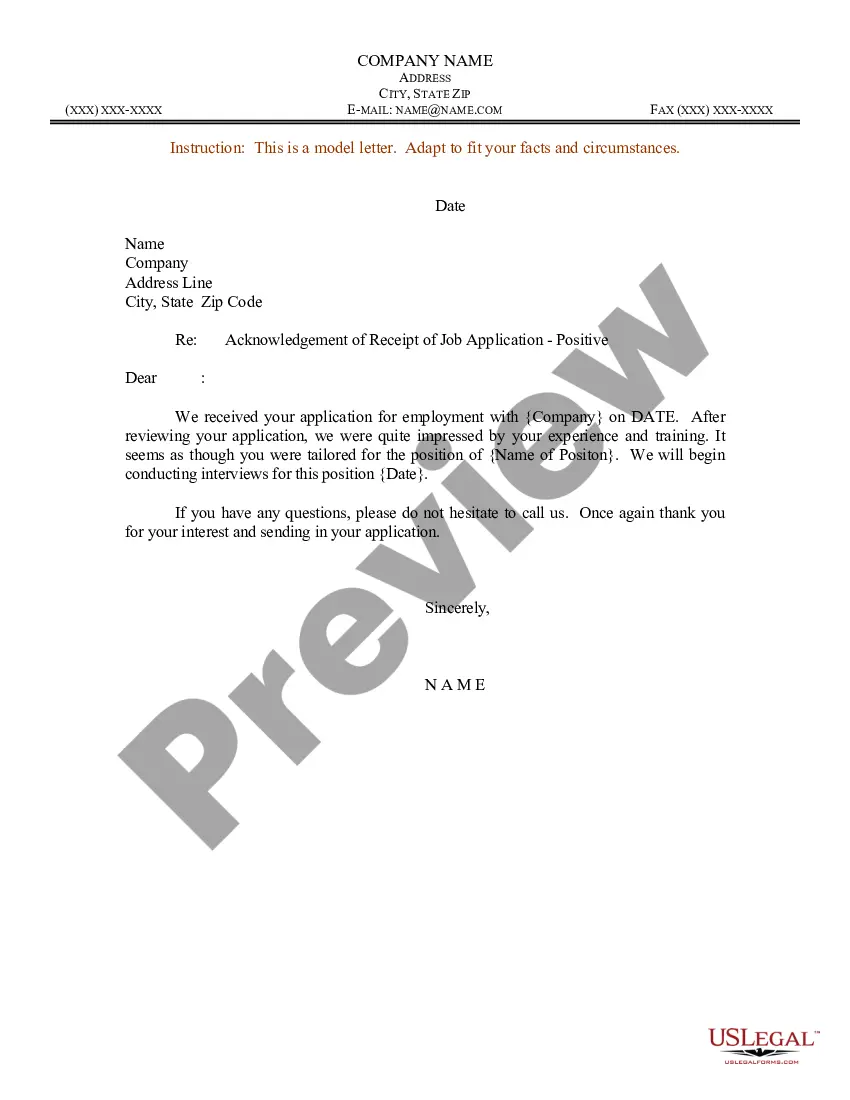


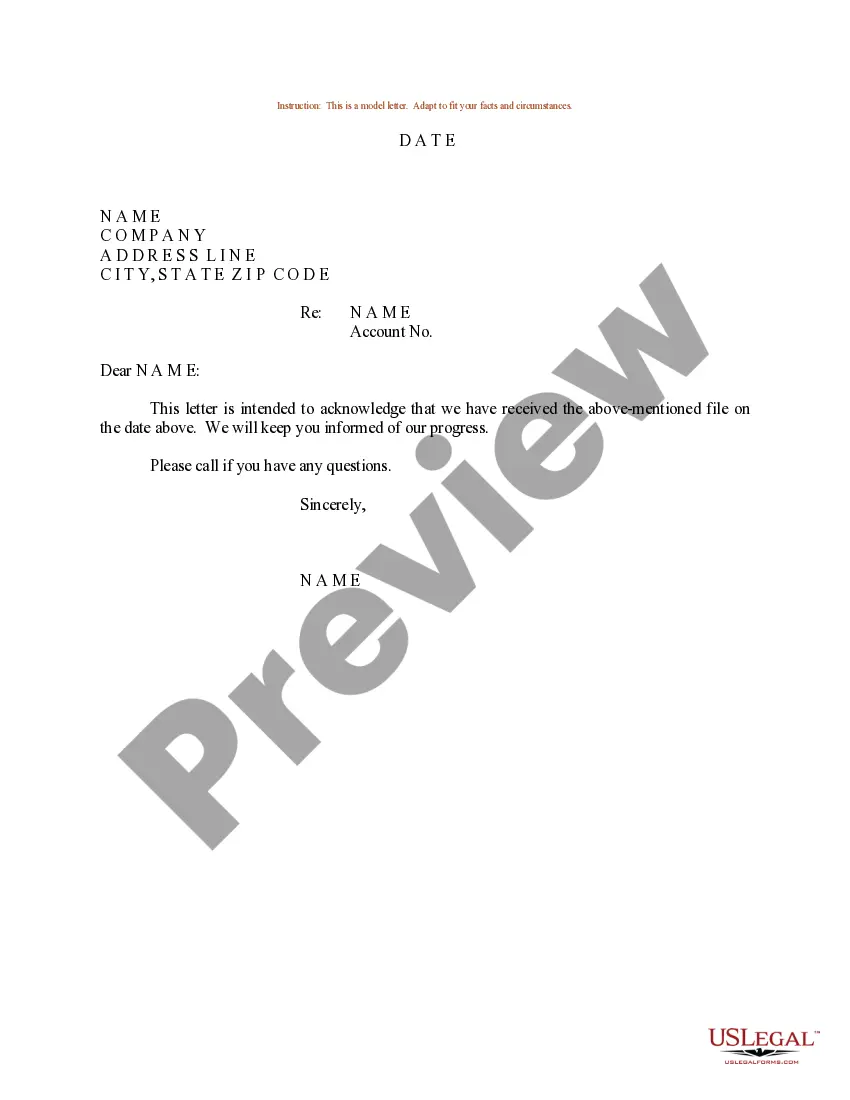
Get your form ready online
Our built-in tools help you complete, sign, share, and store your documents in one place.
Make edits, fill in missing information, and update formatting in US Legal Forms—just like you would in MS Word.
Download a copy, print it, send it by email, or mail it via USPS—whatever works best for your next step.
Sign and collect signatures with our SignNow integration. Send to multiple recipients, set reminders, and more. Go Premium to unlock E-Sign.
If this form requires notarization, complete it online through a secure video call—no need to meet a notary in person or wait for an appointment.
We protect your documents and personal data by following strict security and privacy standards.

Make edits, fill in missing information, and update formatting in US Legal Forms—just like you would in MS Word.

Download a copy, print it, send it by email, or mail it via USPS—whatever works best for your next step.

Sign and collect signatures with our SignNow integration. Send to multiple recipients, set reminders, and more. Go Premium to unlock E-Sign.

If this form requires notarization, complete it online through a secure video call—no need to meet a notary in person or wait for an appointment.

We protect your documents and personal data by following strict security and privacy standards.
Looking for another form?


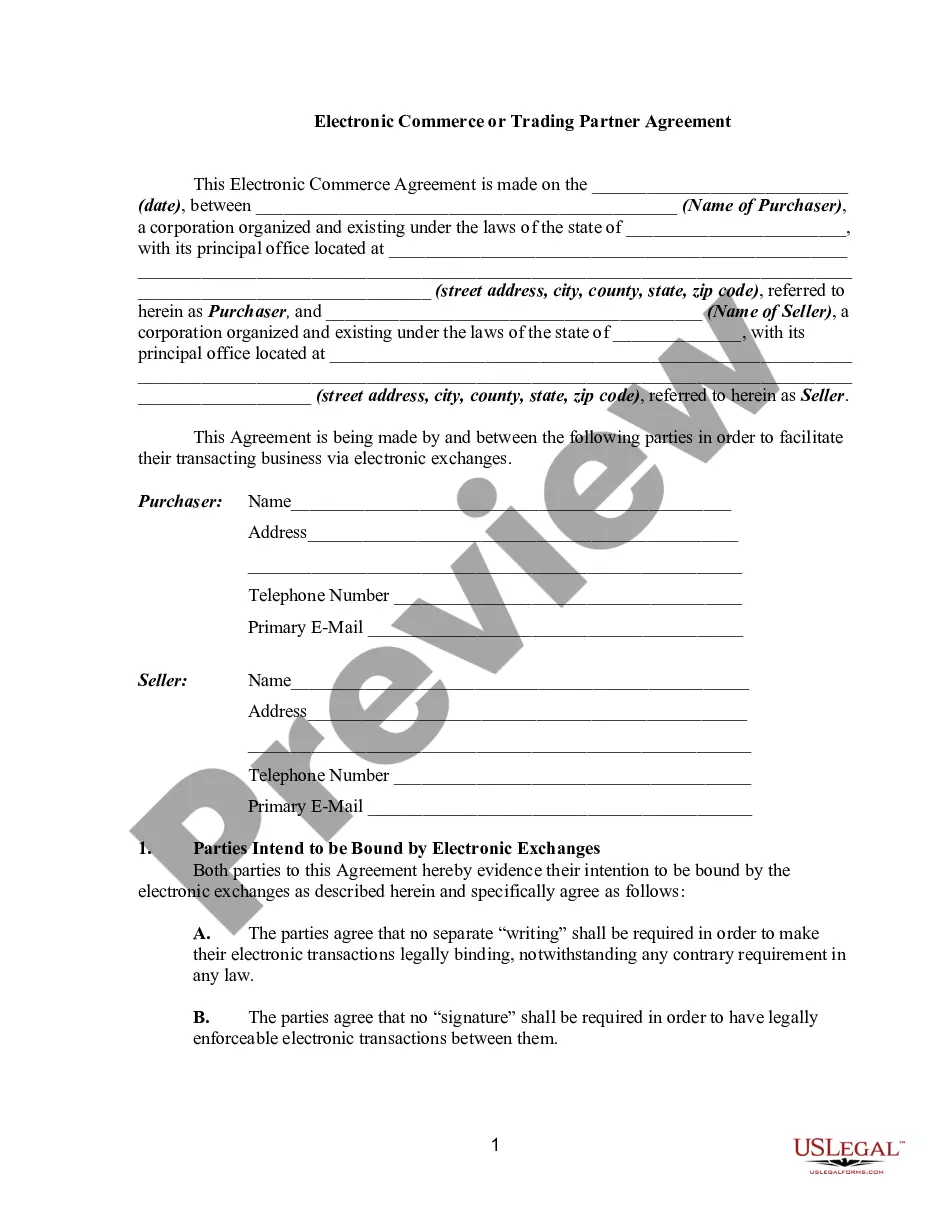
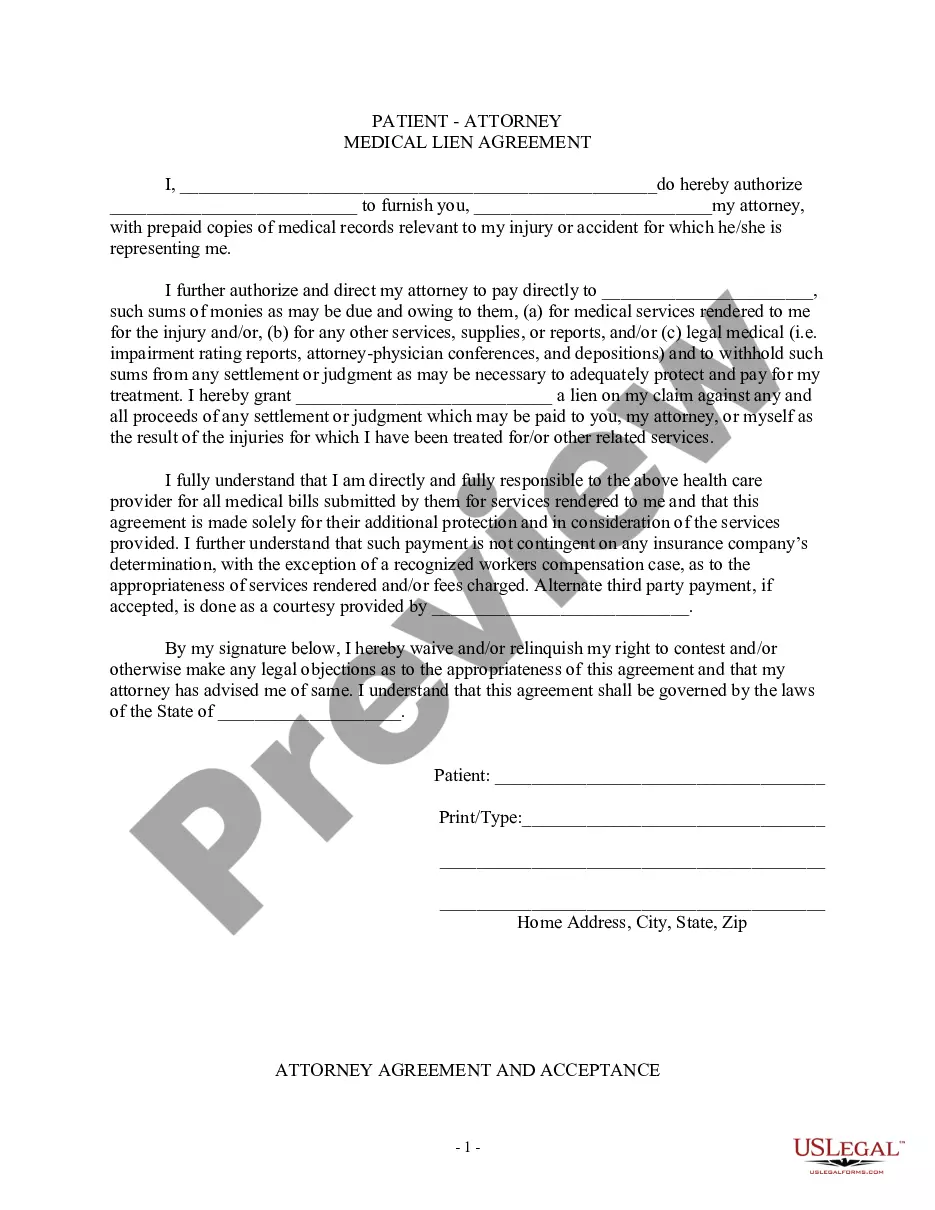




Form popularity
FAQ
How to write a letter of employment: Include employer and requesting organisation details. Provide employee information (name, job title, employment dates). Follow a formal business letter format. Clearly state the letter's purpose. Include any additional requested details. Provide contact information and sign off.
How to write a letter of employment: Include employer and requesting organisation details. Provide employee information (name, job title, employment dates). Follow a formal business letter format. Clearly state the letter's purpose. Include any additional requested details. Provide contact information and sign off.
Address the reader with 'Dear Mr/Ms/Dr/etc…'. If you don't know their name, begin with 'Sir/Madam' or 'To Whom It May Concern'. The opening line of the first paragraph should get right to the point. 'I am writing to you because…' or 'I am writing to inform you…' are good examples.
If the letter has the sole purpose of proving employment, you could ask your accountant to write it for you (certifying you are working for the company you own) or write it yourself on company letterhead.
How do I write an application letter for a job? Mention the job position you are applying for and where you found the information about the job opening. Introduce yourself and highlight your skills and qualifications. State strongly why you would be right for the job. Use a polite tone throughout your letter.
A UK visa employment letter should include the applicant's job title, the date they started working, the salary or wage, the type of employment (full-time, part-time), and a confirmation of leave for the visa application, along with the company's contact details and HR department signature.
The Letter of Employment form includes specific fields to ensure all pertinent information is captured accurately. Applicant's Full Name: The complete name of the employee applying for the visa. Position: The job title or position of the applicant. Passport Number: The unique passport number of the applicant.
Here are a few simple rules to follow: Address each potential sponsor by name. Add details from their LinkedIn profile, social media, or company announcements. Highlight the event's mission or “big why” reason for being. Share a few words on the impact your event has had on your community.
The sponsor must provide various documents to prove their status in Canada and their ability to support the sponsored person financially: Proof of Canadian Citizenship or Permanent Residency: A copy of the following identification of the sponsor: birth certificate, citizenship certificate or permanent resident card.
How to Get a Sponsorship: 8 Key Tactics Research potential sponsors. Look at your existing supporters. Tell your organization's story. Provide sponsor incentives. Reach out to established companies. Use data to legitimize your pitch. Find the right contact. Build a connection over time. Follow up.

