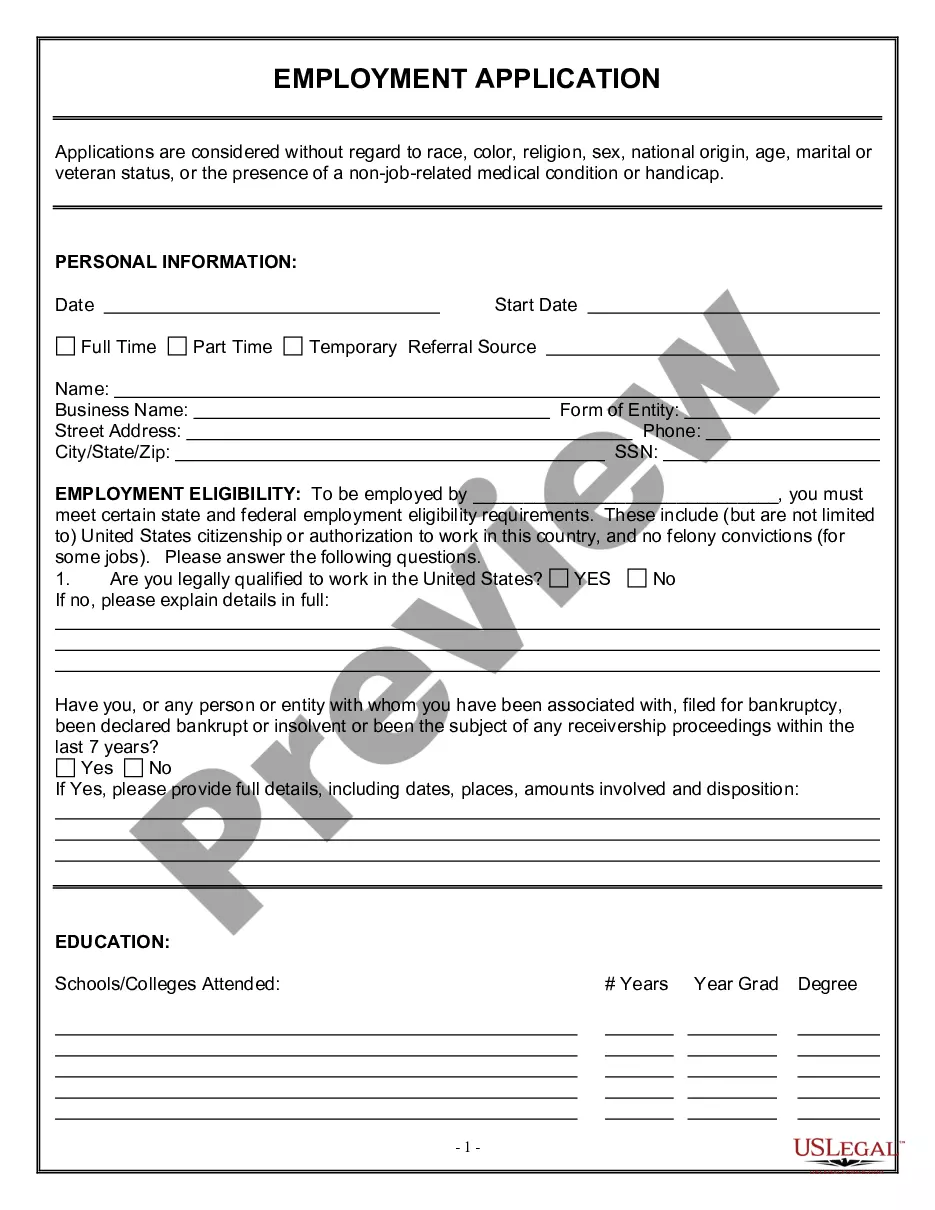
Sample Letter For Acknowledgement In Chicago
Description
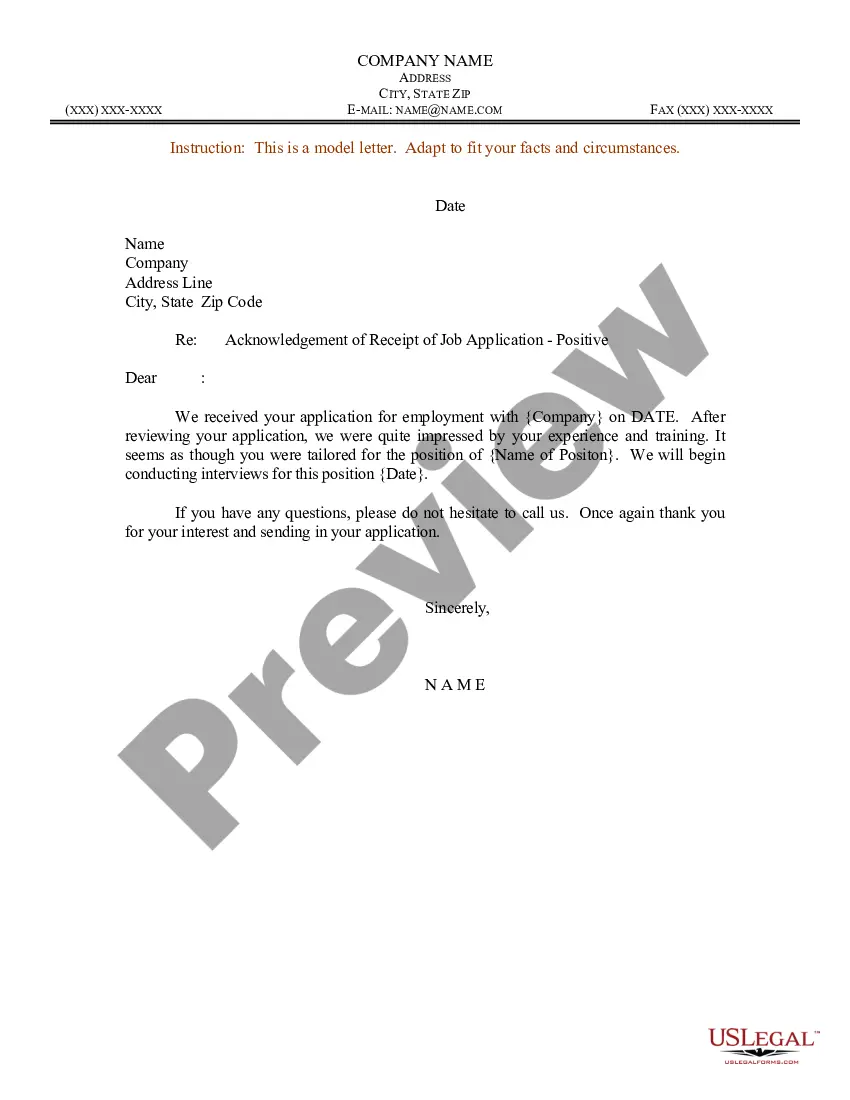



Get your form ready online
Our built-in tools help you complete, sign, share, and store your documents in one place.
Make edits, fill in missing information, and update formatting in US Legal Forms—just like you would in MS Word.
Download a copy, print it, send it by email, or mail it via USPS—whatever works best for your next step.
Sign and collect signatures with our SignNow integration. Send to multiple recipients, set reminders, and more. Go Premium to unlock E-Sign.
If this form requires notarization, complete it online through a secure video call—no need to meet a notary in person or wait for an appointment.
We protect your documents and personal data by following strict security and privacy standards.

Make edits, fill in missing information, and update formatting in US Legal Forms—just like you would in MS Word.

Download a copy, print it, send it by email, or mail it via USPS—whatever works best for your next step.

Sign and collect signatures with our SignNow integration. Send to multiple recipients, set reminders, and more. Go Premium to unlock E-Sign.

If this form requires notarization, complete it online through a secure video call—no need to meet a notary in person or wait for an appointment.

We protect your documents and personal data by following strict security and privacy standards.
Looking for another form?





Form popularity
FAQ
Yes, Notaries must have a $25,000 bond to perform notarizations for remotely located signers. This is in addition to the $5,000 bond required to perform traditional notarial acts. A single bond totaling $30,000 to cover both types of notarizations meets the requirement.
The certificate must include identification of the jurisdiction in which the notarial act is performed and the official seal of office. those are sufficient to meet the requirements of the designated notarial act.
(e) A notary public shall not take the acknowledgment of any person who is blind until the notary has read the instrument to such person.
Now what do you fill in fill in the venue or county where you are notarizing the date you notarized.MoreNow what do you fill in fill in the venue or county where you are notarizing the date you notarized. Your name and title of office notary. Public next you fill in the name of your signer appearing.
An acknowledgment requires the following steps: The signer must appear in person before you. You must positively identify the signer ing to your state's rules. The signer may either sign the document before appearing before you, or in your presence.
An Illinois notary acknowledgment form is a written authentication from a notary that the signature on a document belongs to the signer. The form is also used to establish that the signer's identity has been verified by the notary and that they are aware of the document's contents prior to signing.
Sec. 6-102. Notarial acts. (a) In taking an acknowledgment, the notary public must determine, either from personal knowledge or from satisfactory evidence, that the person appearing before the notary and making the acknowledgment is the person whose true signature is on the instrument.
An acknowledgment is a legal declaration that verifies a signature, while an affidavit is a sworn statement used as evidence in legal proceedings. A declaration is a formal assertion of facts.
A notary public may not notarize a document for a signer who cannot directly acknowledge his signature or swear to the truthfulness of the statements in the notarial ceremony. Without the notarial ceremony, the notarial act is not officially executed.