Job Offer Letter For Immigration In Chicago
Description
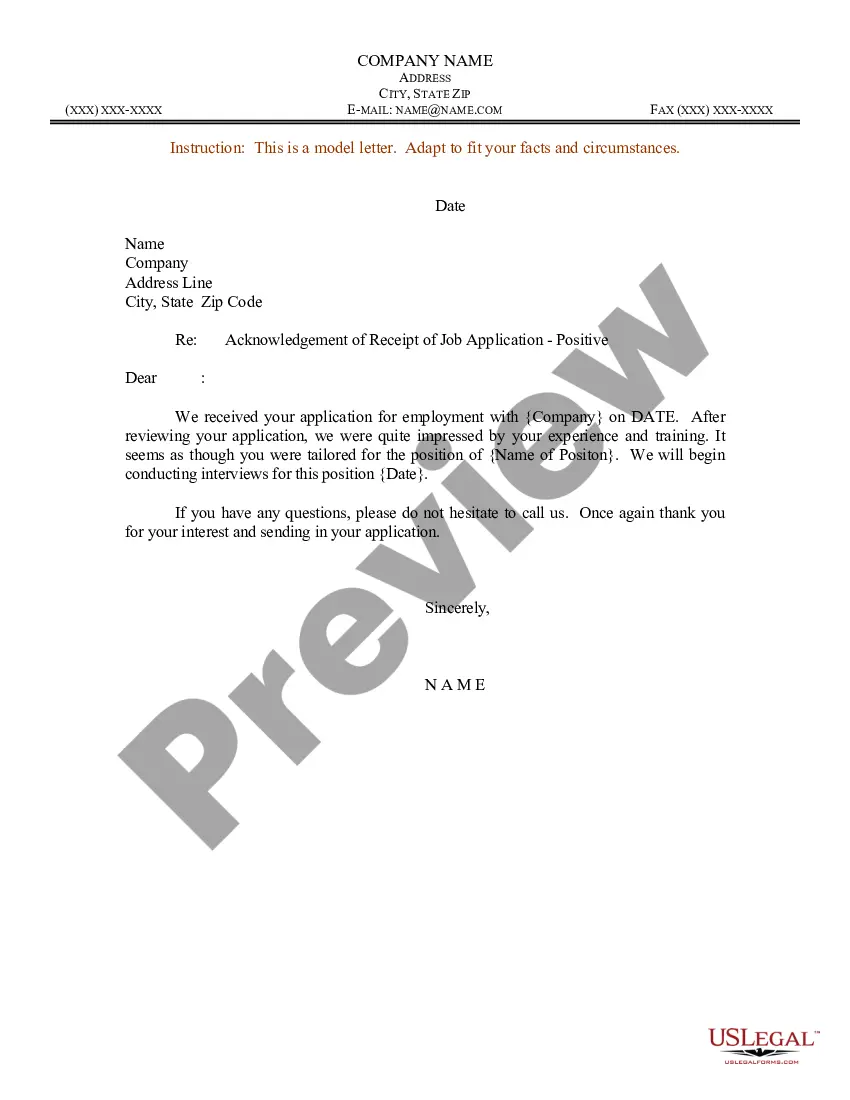


Get your form ready online
Our built-in tools help you complete, sign, share, and store your documents in one place.
Make edits, fill in missing information, and update formatting in US Legal Forms—just like you would in MS Word.
Download a copy, print it, send it by email, or mail it via USPS—whatever works best for your next step.
Sign and collect signatures with our SignNow integration. Send to multiple recipients, set reminders, and more. Go Premium to unlock E-Sign.
If this form requires notarization, complete it online through a secure video call—no need to meet a notary in person or wait for an appointment.
We protect your documents and personal data by following strict security and privacy standards.

Make edits, fill in missing information, and update formatting in US Legal Forms—just like you would in MS Word.

Download a copy, print it, send it by email, or mail it via USPS—whatever works best for your next step.

Sign and collect signatures with our SignNow integration. Send to multiple recipients, set reminders, and more. Go Premium to unlock E-Sign.

If this form requires notarization, complete it online through a secure video call—no need to meet a notary in person or wait for an appointment.

We protect your documents and personal data by following strict security and privacy standards.
Looking for another form?

Form popularity
FAQ
2108 E. Elliot Rd. Washington, D.C.
If applicable to a court hearing, address the letter with “Dear Honorable Immigration Judge” (if you know the name of the judge, include that as well). Also address any officers with “Dear Officer” (once again including any names you may have). Introduce yourself and provide your own citizenship/immigration status.
Yes, you can file Forms I-130, I-485, and I-765 together, depending on your situation.
Your letter should be addressed to the USCIS office that is responsible for your case. You can find the address on the USCIS website or by contacting the USCIS national customer service center. You should also include a clear and professional salutation, such as “Dear USCIS Officer” or “To Whom It May Concern.”
An Employment Reference Letter serves as proof that you worked for a specific period as you stated and in a role that aligns with the NOC code you've chosen. First off, you need to find the National Occupational Classification (NOC) codes associated with each of your past positions.
Commonly Used Immigration Documents Form N-550, Certificate of Naturalization. Form N-570, Certificate of Naturalization. Form N-560, Certificate of Citizenship. Form N-561, Certificate of Citizenship. Form I-551, Permanent Resident Card (Green Card) ... Temporary I-551, Machine Readable Immigrant Visa (MRIV)
If you completed Form I-864, I-864A, or I-864EZ submit an IRS tax transcript from the most recent tax year, which NVC can process more efficiently than a copy of a tax return. Alternatively, you may submit a complete copy of a filed tax return from the most recent tax year.
An employment letter of recommendation for immigration needs to show USCIS how qualified the applicant is for obtaining a visa and how their entry into the U.S. could be of benefit to the country.
In the letter it should include the following components: Date of the letter written. Start date of employment. Employee's work status, whether full-time or part-time. Position in the company or title. Description of position/responsibilities. Wages earned (annual salary or hourly wage)

