Job Application For Employment In Bronx
Description
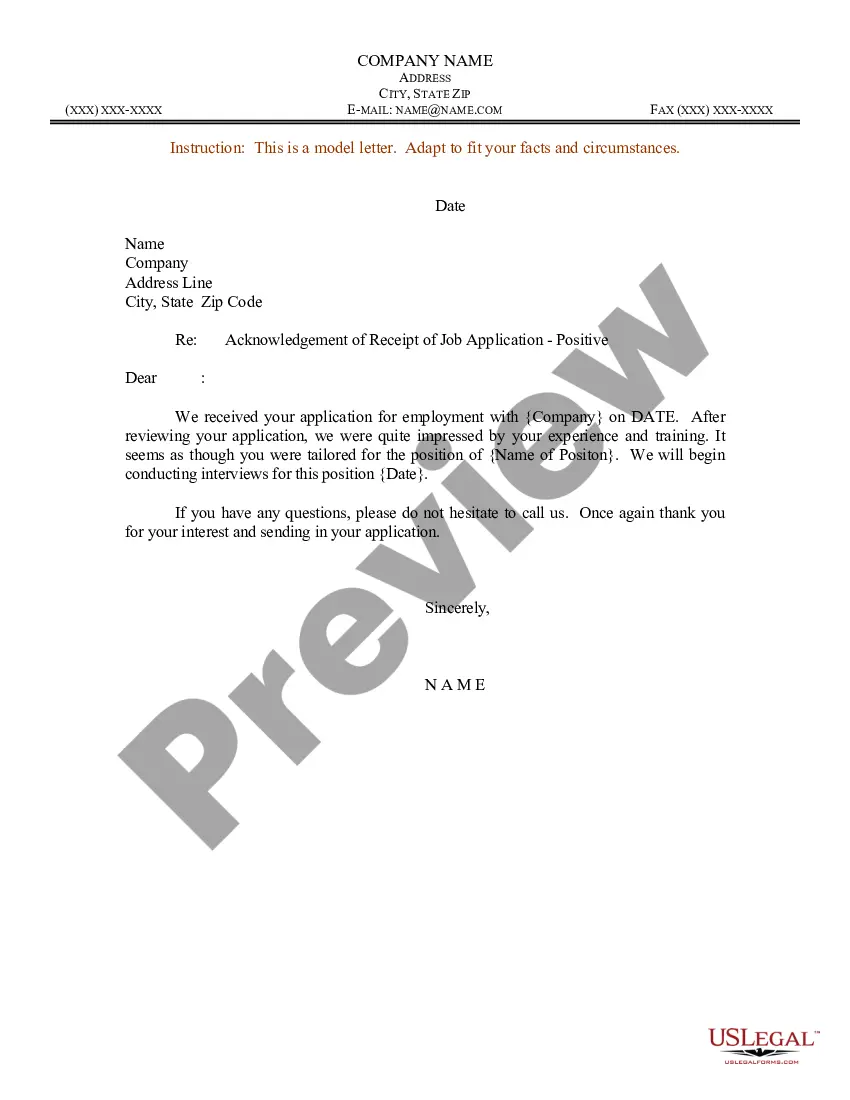


Get your form ready online
Our built-in tools help you complete, sign, share, and store your documents in one place.
Make edits, fill in missing information, and update formatting in US Legal Forms—just like you would in MS Word.
Download a copy, print it, send it by email, or mail it via USPS—whatever works best for your next step.
Sign and collect signatures with our SignNow integration. Send to multiple recipients, set reminders, and more. Go Premium to unlock E-Sign.
If this form requires notarization, complete it online through a secure video call—no need to meet a notary in person or wait for an appointment.
We protect your documents and personal data by following strict security and privacy standards.

Make edits, fill in missing information, and update formatting in US Legal Forms—just like you would in MS Word.

Download a copy, print it, send it by email, or mail it via USPS—whatever works best for your next step.

Sign and collect signatures with our SignNow integration. Send to multiple recipients, set reminders, and more. Go Premium to unlock E-Sign.

If this form requires notarization, complete it online through a secure video call—no need to meet a notary in person or wait for an appointment.

We protect your documents and personal data by following strict security and privacy standards.
Looking for another form?







Form popularity
FAQ
If you don't have work experience, you don't need include that section on your resume. Instead, include education (formal and informal), projects, and volunteer experience. How are you qualified for what you are applying to? Make sure you tell that story on your resume.
Follow these steps to fill out your next job application properly: Read the application before filling it out. Take your time. Answer completely and truthfully. Include your resume. Fill out job information chronologically. Put in the extra effort. Research your salary.
A job application form is a document used by employers to gather information from job candidates applying for a specific position. It includes personal information, work history, education, skills, and qualifications, as well as specific prompts to evaluate their suitability for the job.
Writing a resume with no formal work experience means emphasizing other aspects of your life that'll showcase your skills and passions—like your education and involvement in activities like extracurriculars or volunteering. Having dedicated sections for a summary and a list of skills can round out your resume.
Highlight Relevant Experience: Even if you haven't had a traditional job, consider any volunteer work, internships, or projects you've been involved in. You could say, ``While I haven't held a job, I've volunteered at (organization) where I gained skills in (specific skills).''
Do not put a photo. Do not put your marital status Do not put your age Do not put your gender or sexual orientation Do not put your hobbies and interests unless they are directly relevant to the position
The best way to get a job without experience or references may differ depending on your situation and industry. However, some tips that may be useful include creating a resume that showcases your skills and experience, applying online or through job boards, and networking with people in your field.
If you don't have work experience, you don't need include that section on your resume. Instead, include education (formal and informal), projects, and volunteer experience. How are you qualified for what you are applying to? Make sure you tell that story on your resume.
I Need a Job Immediately: What Should I Do? Update Your Resume: Highlight your most relevant skills and experiences. Utilize Online Job Boards: Apply to positions that are hiring immediately. Network: Let your contacts know you are looking for a job.
To find job openings, explore job search websites like Indeed, Career Builder, Monster, and LinkedIn. You can also ask your friends about their workplaces and if they think you'd enjoy working there. Another effective strategy is to visit local businesses and inquire about job opportunities.

