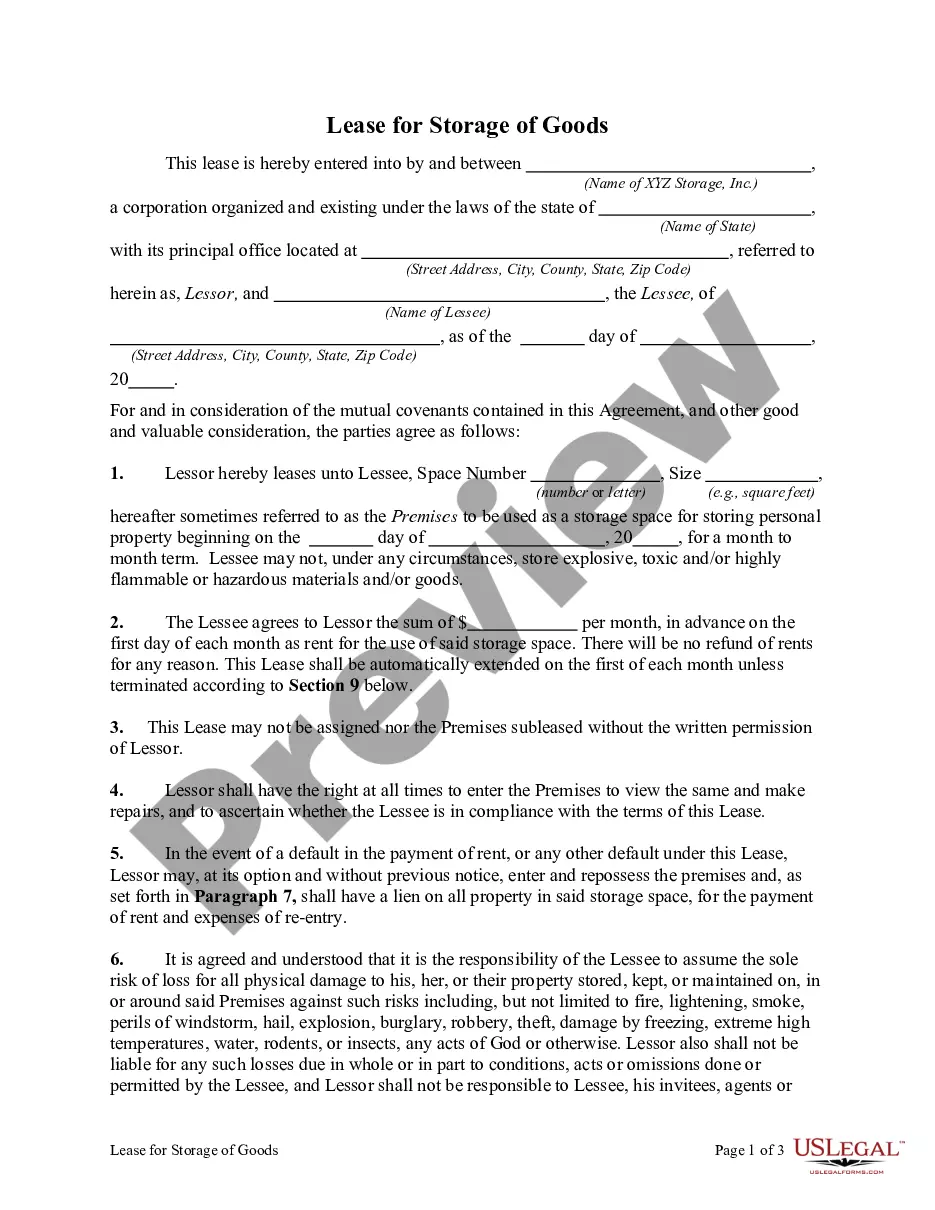
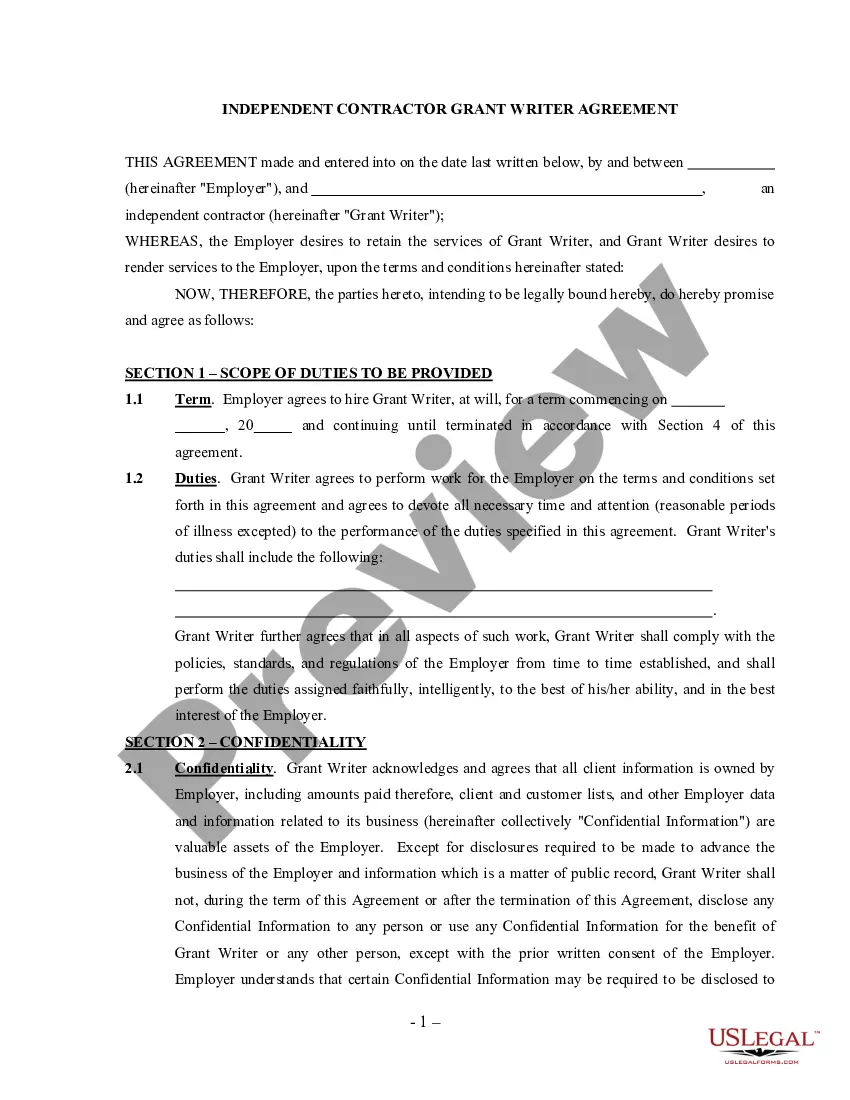
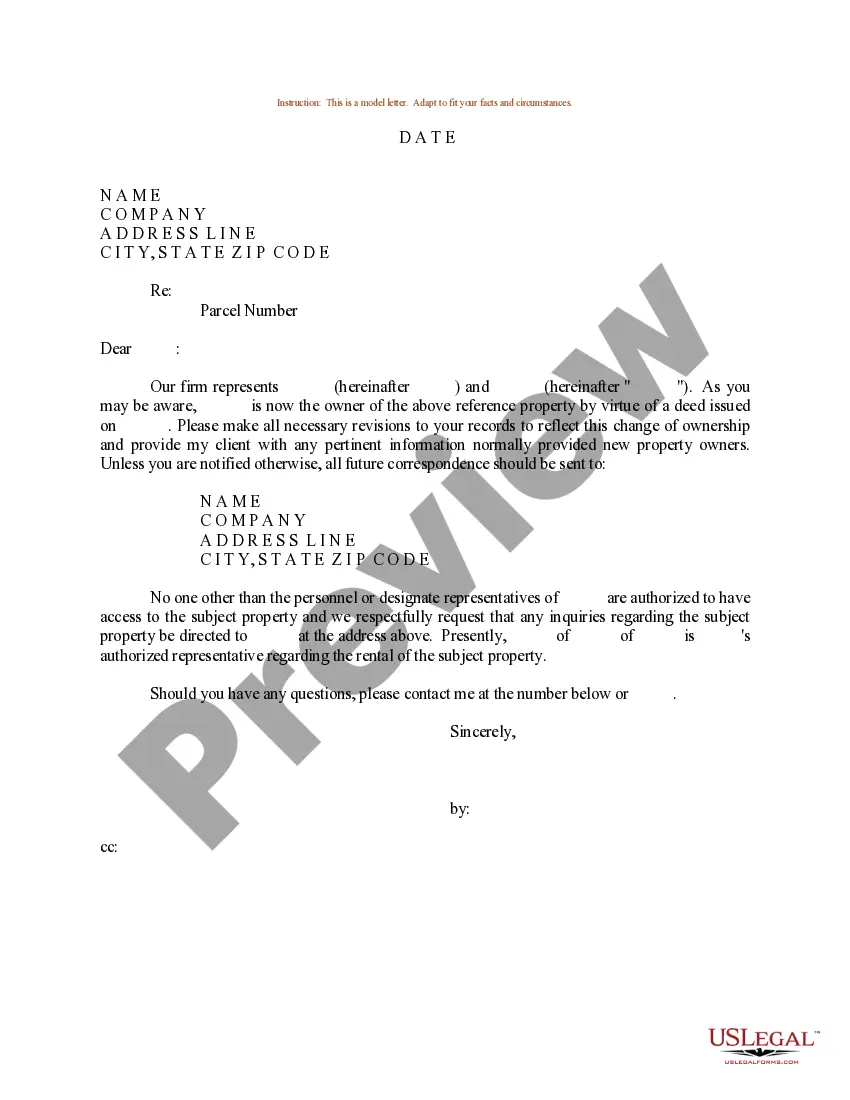
Job Employment Letter Format In Alameda
Description


Get your form ready online
Our built-in tools help you complete, sign, share, and store your documents in one place.
Make edits, fill in missing information, and update formatting in US Legal Forms—just like you would in MS Word.
Download a copy, print it, send it by email, or mail it via USPS—whatever works best for your next step.
Sign and collect signatures with our SignNow integration. Send to multiple recipients, set reminders, and more. Go Premium to unlock E-Sign.
If this form requires notarization, complete it online through a secure video call—no need to meet a notary in person or wait for an appointment.
We protect your documents and personal data by following strict security and privacy standards.

Make edits, fill in missing information, and update formatting in US Legal Forms—just like you would in MS Word.

Download a copy, print it, send it by email, or mail it via USPS—whatever works best for your next step.

Sign and collect signatures with our SignNow integration. Send to multiple recipients, set reminders, and more. Go Premium to unlock E-Sign.

If this form requires notarization, complete it online through a secure video call—no need to meet a notary in person or wait for an appointment.

We protect your documents and personal data by following strict security and privacy standards.
Looking for another form?

Form popularity
FAQ
How to Request the Letter Ask your supervisor or manager. This is often the easiest way to request the letter. Contact Human Resources. Get a template from the company or organization requesting the letter. Use an employment verification service.
An employment letter, also called an employment verification letter, provides proof of an employee's position and salary. Learn how to write an accurate and professional letter of employment for various requests. Key Takeaways: An employment letter verifies an employee's job title, status, and salary.
Key components of an employment verification letter Employee's information: Full name, job title, and department. Employer's information: Company name, address, and contact details. Employment details: Date of hire, current employment status (full-time, part-time, contract), and if applicable, end date of employment.
Employment verification letters are usually emailed or mailed to the requesting party. When you ask for your letter, include the mailing address and contact information along with the name and title of the recipient. If you're unsure of the recipient, provide just the company name and department, if possible.
A letter of employment — sometimes called an employment verification letter — is written by an employer to verify an employee's working status. It confirms the employee's job title, salary, history at the organisation and the organisation's contact information.
IHSS Verification of Income Requests for verification of income, employment, or funding source must be sent by email to the designated account clerk. Emails should include the full name of the person providing the services and their social security number (SSN).
It includes crucial information such as the employee's job title, employment dates, salary details, and sometimes even performance evaluations or other relevant data. This letter aims to authenticate an individual's employment status and provide reassurance to external parties who require such verification.
How to write a letter of employment: Include employer and requesting organisation details. Provide employee information (name, job title, employment dates). Follow a formal business letter format. Clearly state the letter's purpose. Include any additional requested details. Provide contact information and sign off.
The primary qualifications for getting a job as a 16-year-old are customer service skills and the ability to get to your job consistently. Employers do not expect you to have professional experience, so the jobs are usually entry-level and offer some training before you begin.
Within one to two paragraphs, share your qualifications and why you're writing. Include important details such as who referred you and how you found out about the job. Briefly lay out your most relevant qualifications to the role and be sure to customize this to each job application you send.