Sample Management Contract With Supplier In Washington
Description

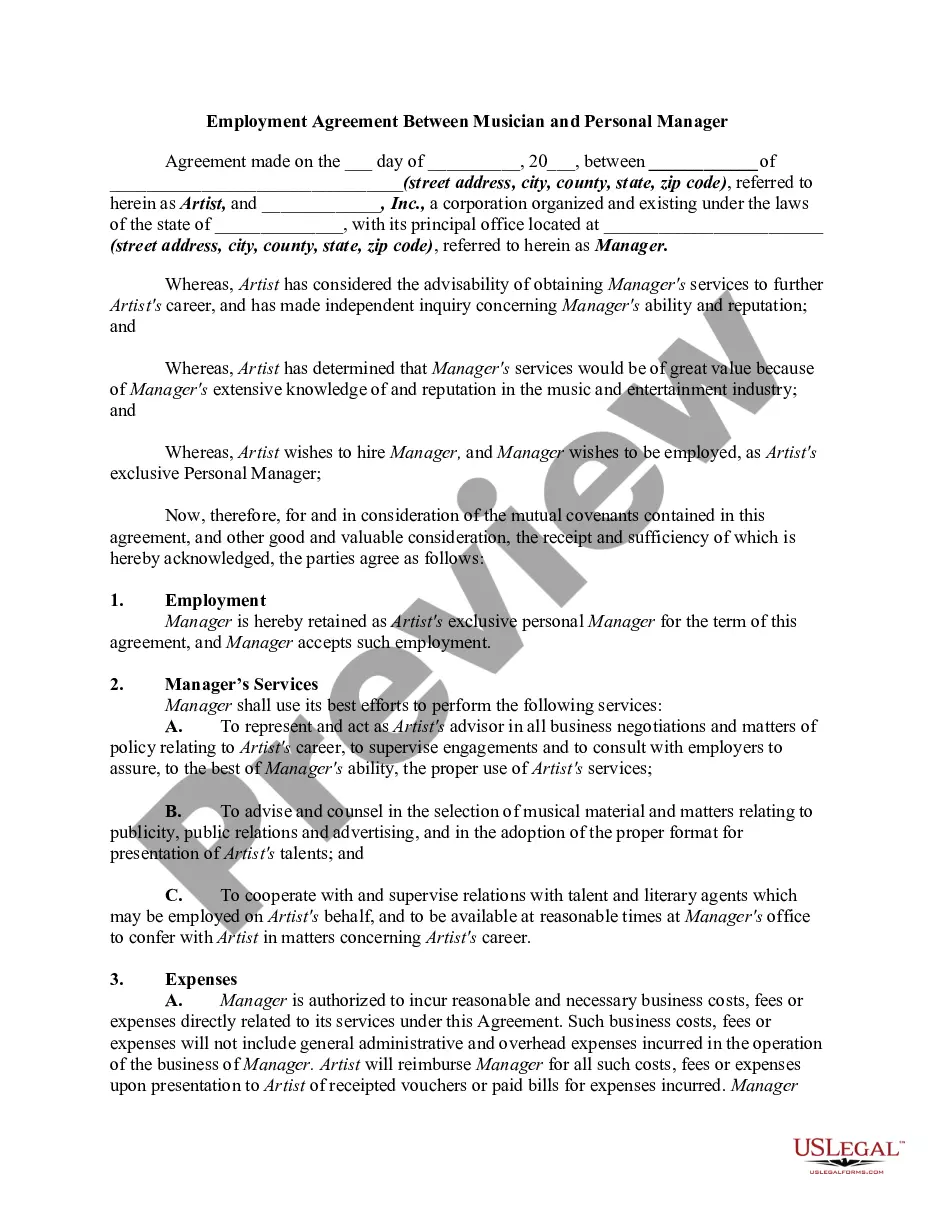
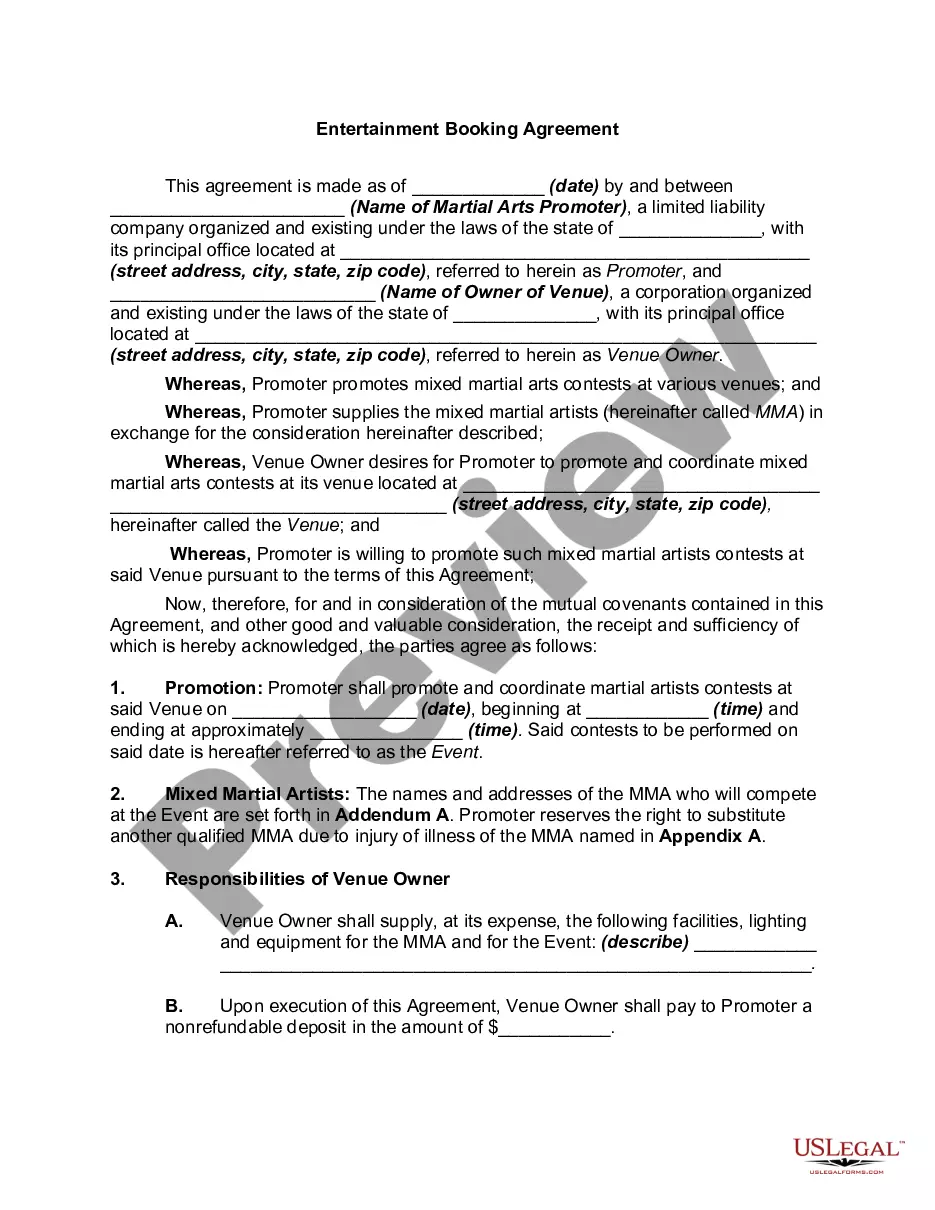
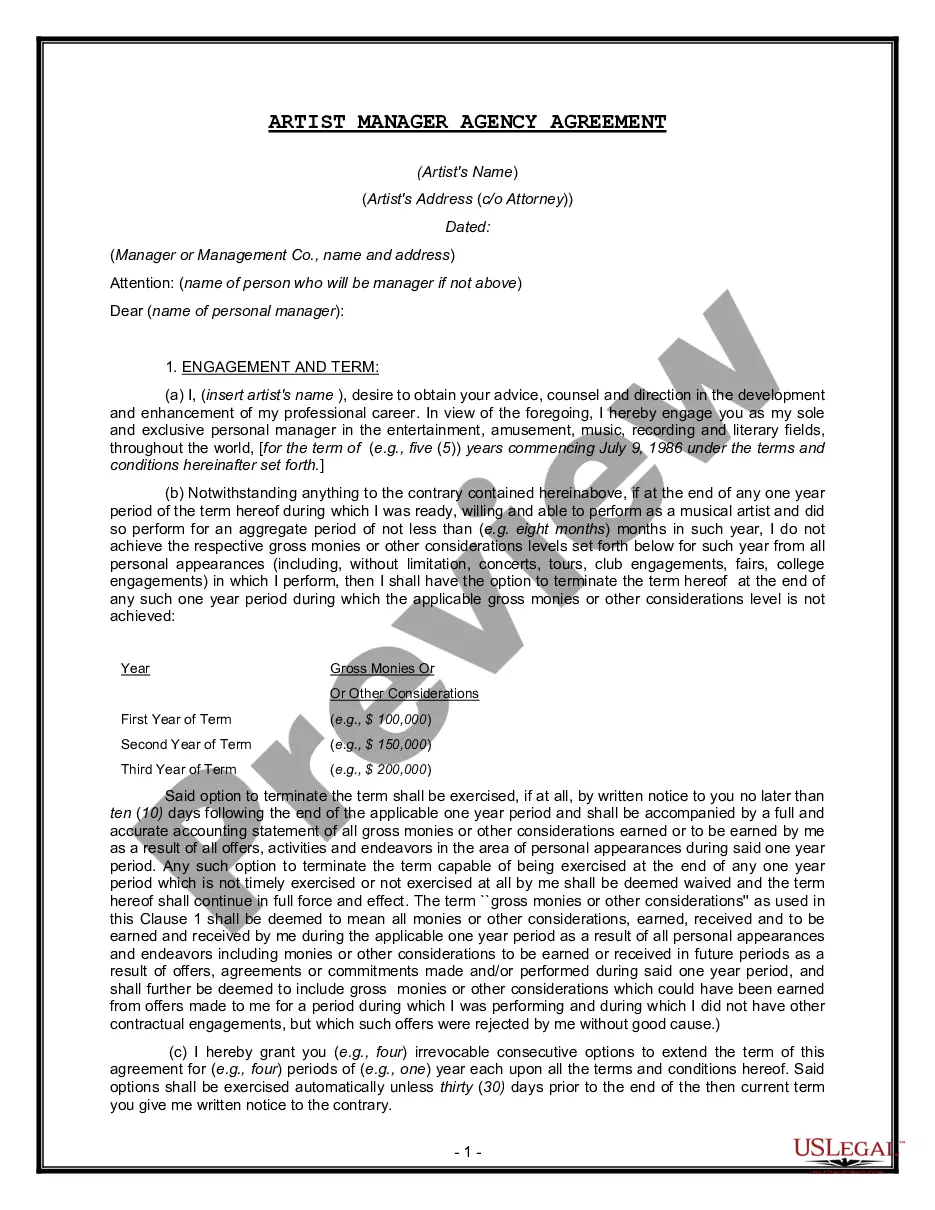
Get your form ready online
Our built-in tools help you complete, sign, share, and store your documents in one place.
Make edits, fill in missing information, and update formatting in US Legal Forms—just like you would in MS Word.
Download a copy, print it, send it by email, or mail it via USPS—whatever works best for your next step.
Sign and collect signatures with our SignNow integration. Send to multiple recipients, set reminders, and more. Go Premium to unlock E-Sign.
If this form requires notarization, complete it online through a secure video call—no need to meet a notary in person or wait for an appointment.
We protect your documents and personal data by following strict security and privacy standards.

Make edits, fill in missing information, and update formatting in US Legal Forms—just like you would in MS Word.

Download a copy, print it, send it by email, or mail it via USPS—whatever works best for your next step.

Sign and collect signatures with our SignNow integration. Send to multiple recipients, set reminders, and more. Go Premium to unlock E-Sign.

If this form requires notarization, complete it online through a secure video call—no need to meet a notary in person or wait for an appointment.

We protect your documents and personal data by following strict security and privacy standards.
Looking for another form?








Form popularity
FAQ
Contract management includes negotiating the terms and conditions in contracts and ensuring compliance with the terms and conditions, as well as documenting and agreeing on any changes or amendments that may arise during its implementation or execution.
What a best-in-class contract management solution looks like Automated document assembly. AI-powered contract analysis. Process automation and workflow. Document management and search. Electronic signature integration. Intuitive contract collaboration. Contract portfolio reporting to track and visualize KPIs. Integrations.
Contract lifecycle management for each agreement consists of seven high-level stages: Inception: Identifying Contract Requirements and Stakeholders. Contract Negotiation: Drafting and Agreeing on Terms. Execution: Signing and Finalising Agreements. Start-Up: Extracting and Documenting Contract Metadata.
This good practice framework defines the four blocks – structure and resources, delivery, development, and strategy – comprising 11 areas (Figure 1) that organisations should consider when planning and delivering contract management.
Supplier contract management is the process by which your organization creates, updates, monitors, and follows through with agreements and contracts made with outside vendors, contractors, or suppliers.
The stages of contract management can be broken down into pre-signature (creation, negotiation/collaboration, and review/approval) and post-signature (administration/execution, renewal/termination, and reporting/tracking).
There are typically four types of requirement: Functional: operational capabilities, look-and-feel, number of users/contracts handled. Provided by CLM specialists, stakeholders. Technical: system architecture, database, delivery model, integrations with other systems.
Contract management concerns the 'contract execution' and 'contract termination & evaluation' phases (under the slogan: 'you can only manage a contract if it exists'). Supplier management on the other hand involves the entire contract lifecycle, from determination of needs to contract termination.
Prepare a contract Provide details of the parties. Describe services or results. Set out payment details. Assign intellectual property rights. Explain how to treat confidential information. Identify who is liable – indemnity. Provide insurance obligations. Outline any subcontracting agreements.
Contract Types Comparison Party 1 offers Bilateral Services or goods that are of value to the other party Unilateral Services or goods that the other party requested, usually in an open request Implied Services or goods Express Anything9 more rows •
