Artist Agreement Form Sample With Art In San Jose
Description

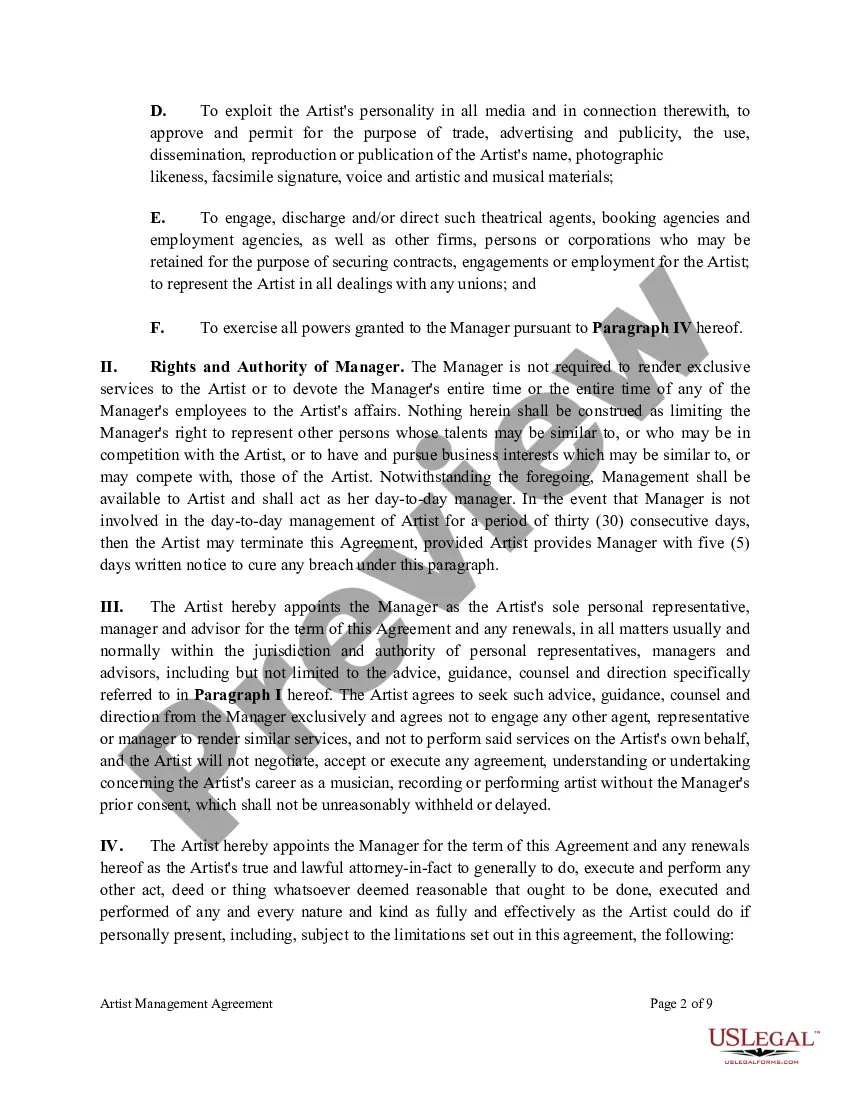
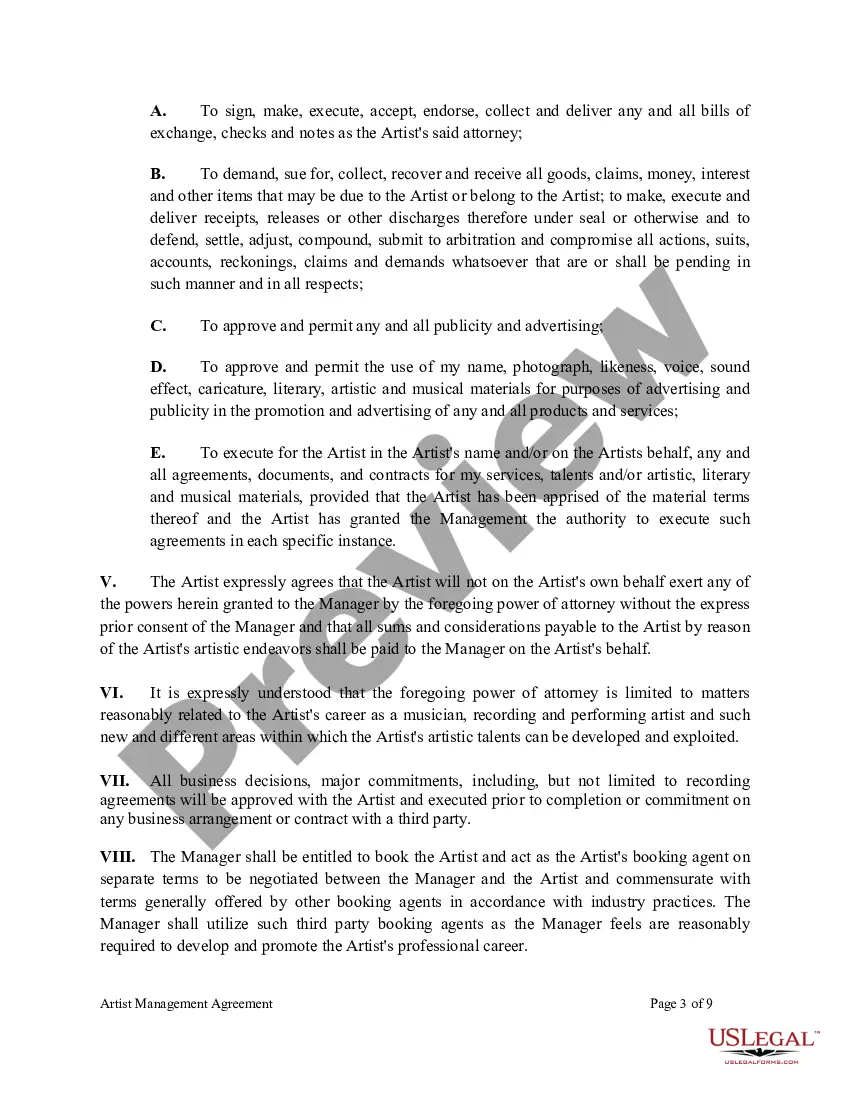
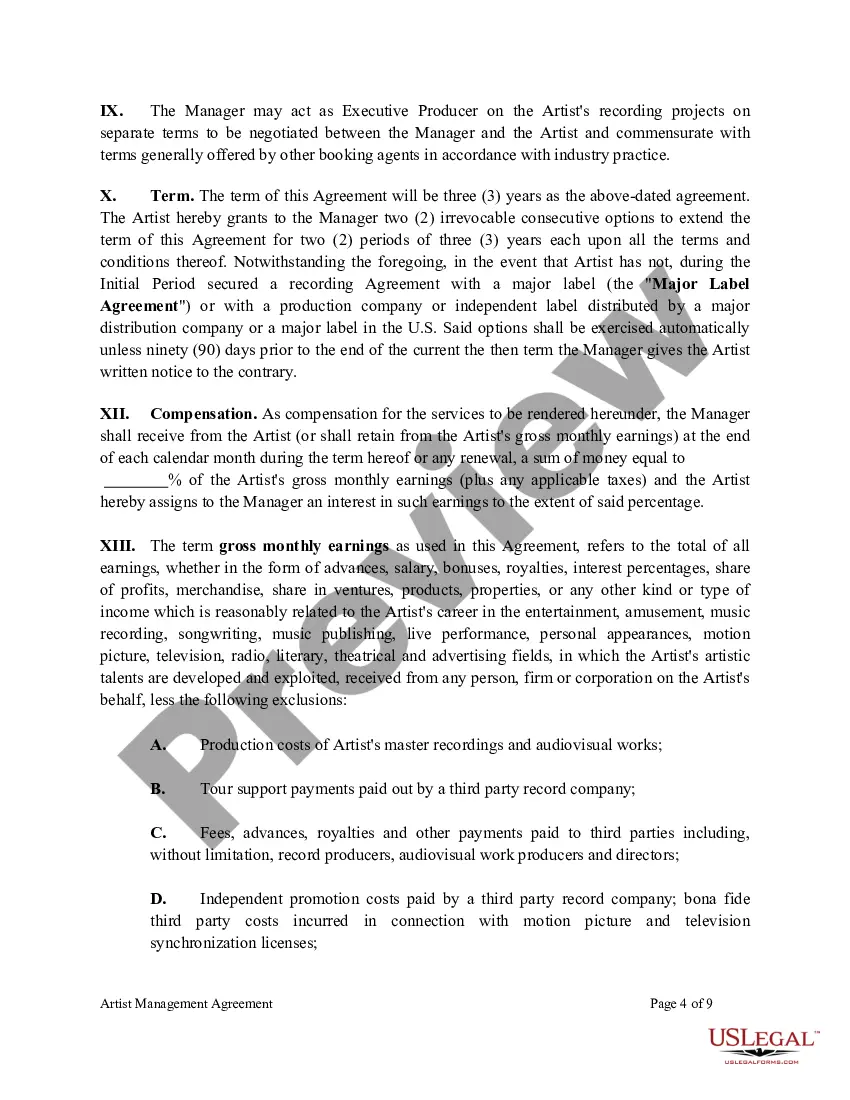
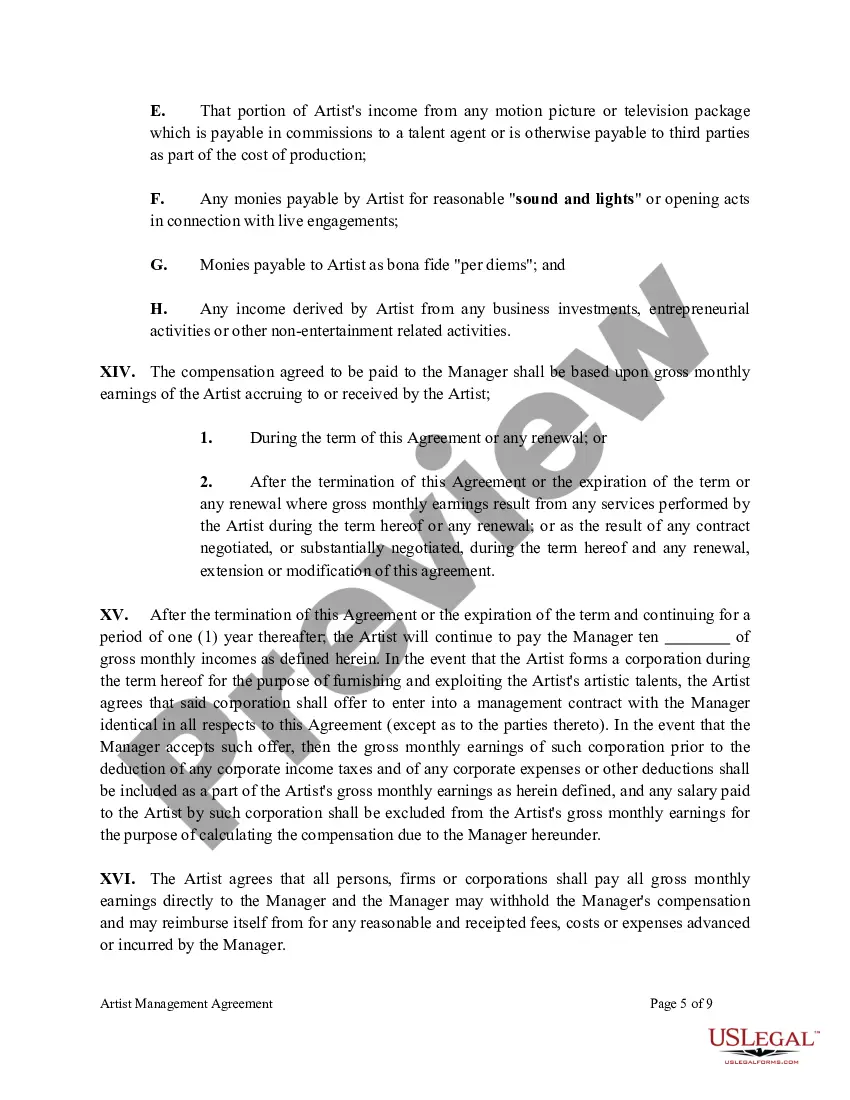
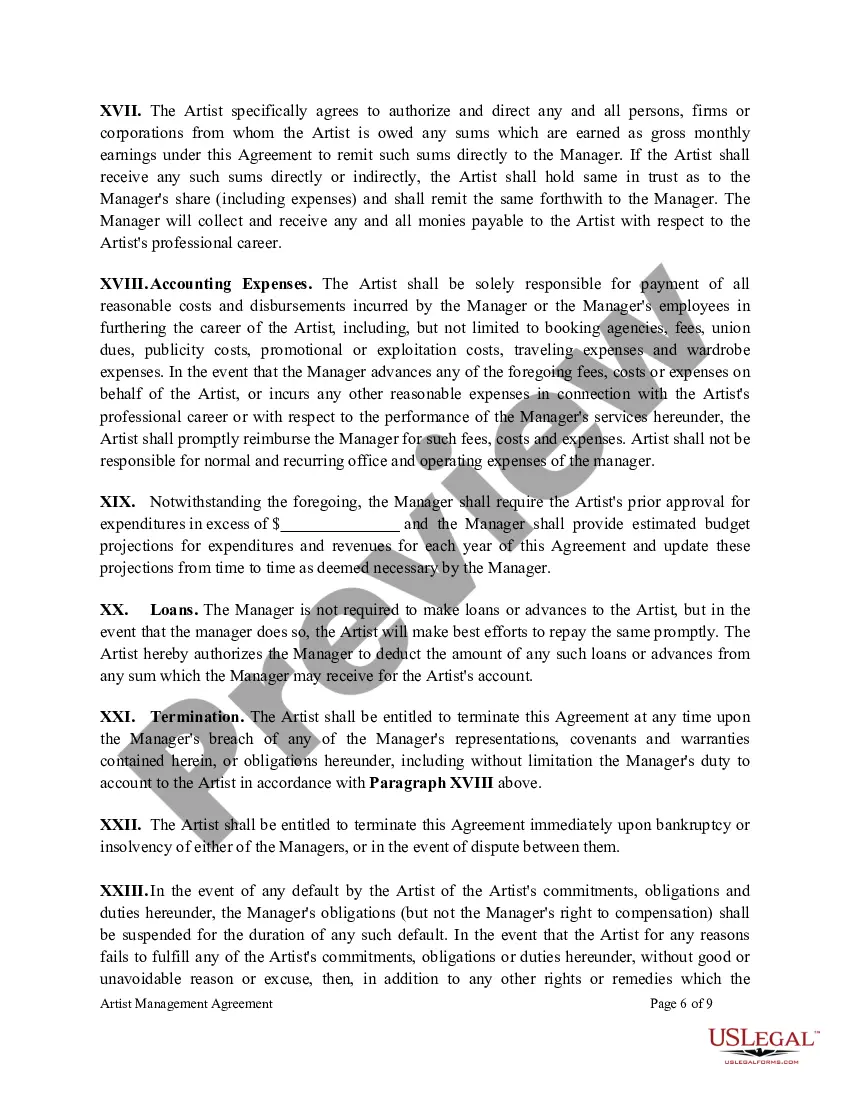
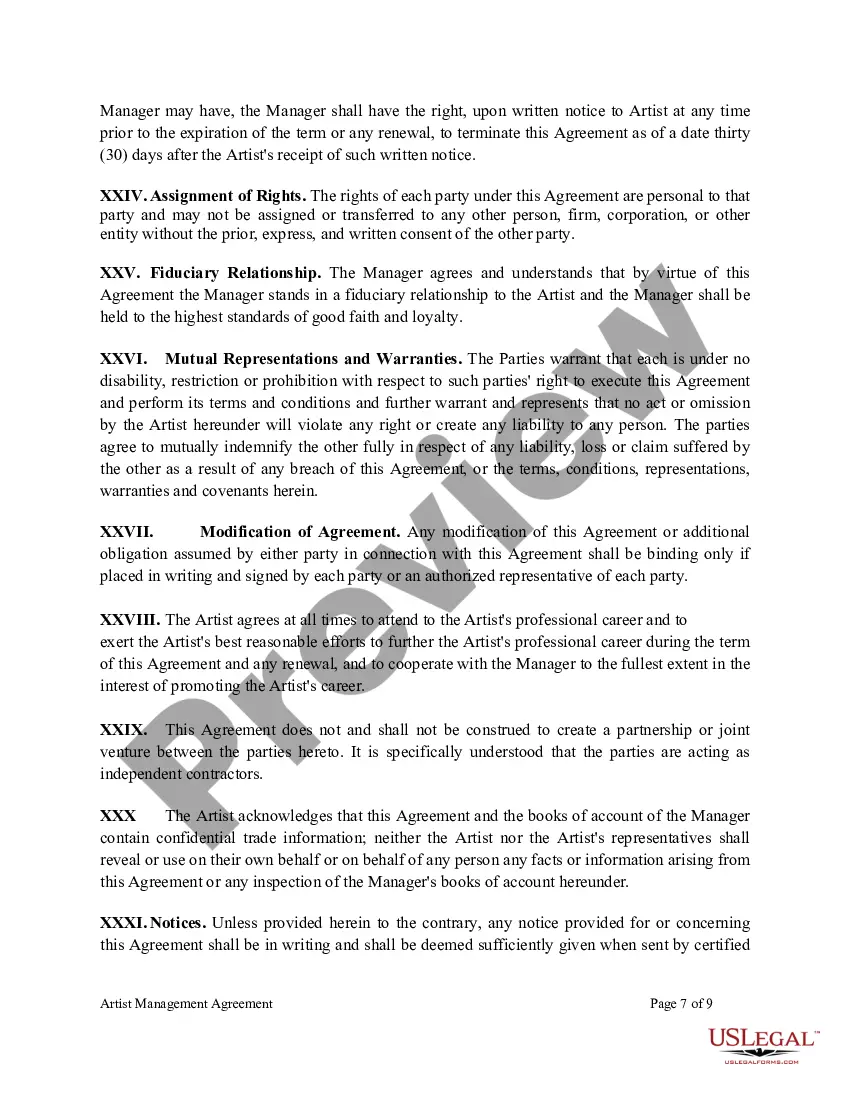
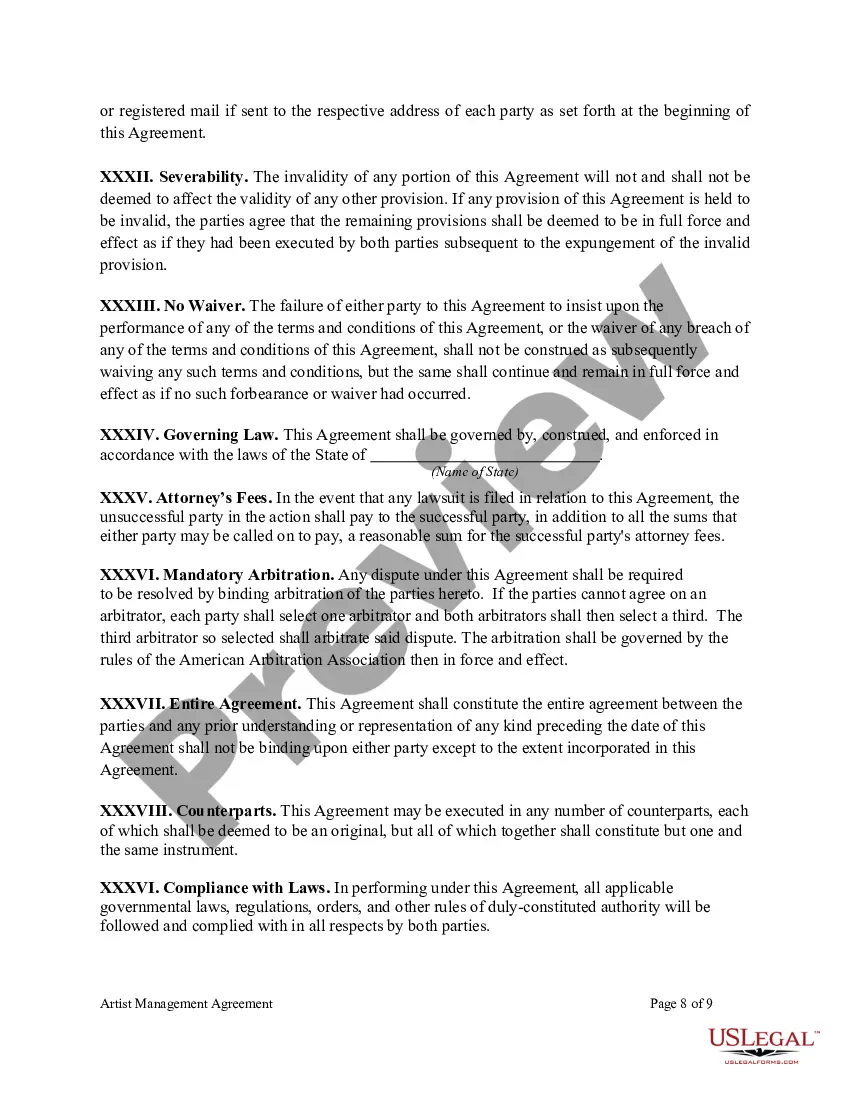
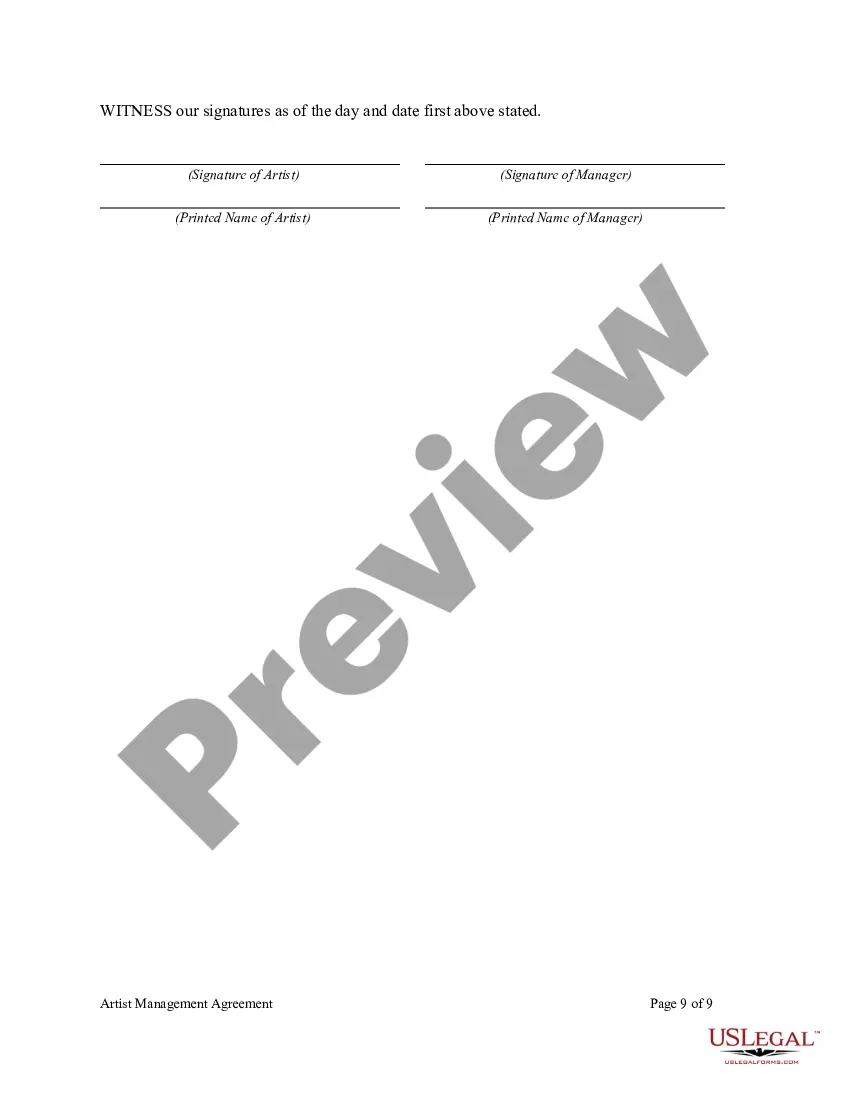
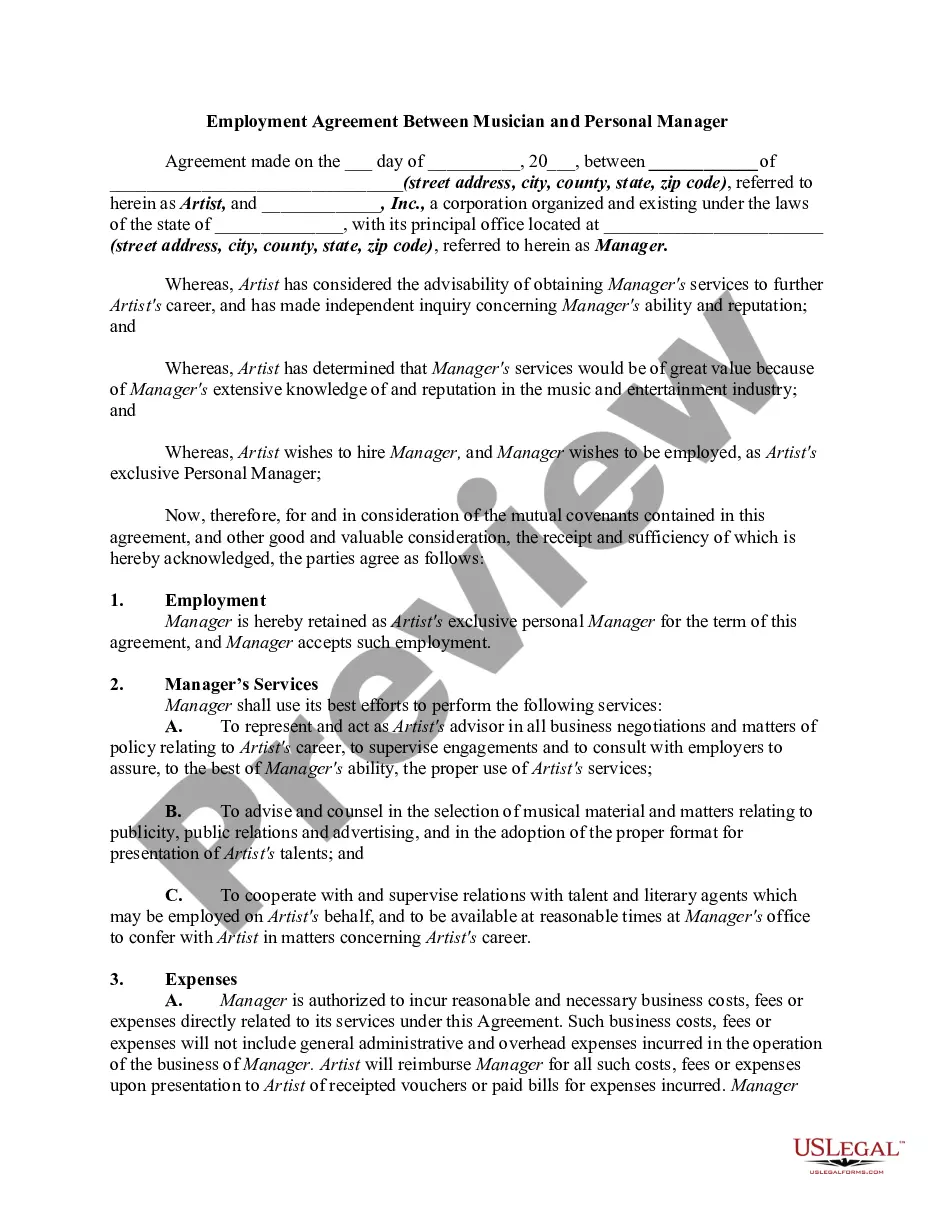
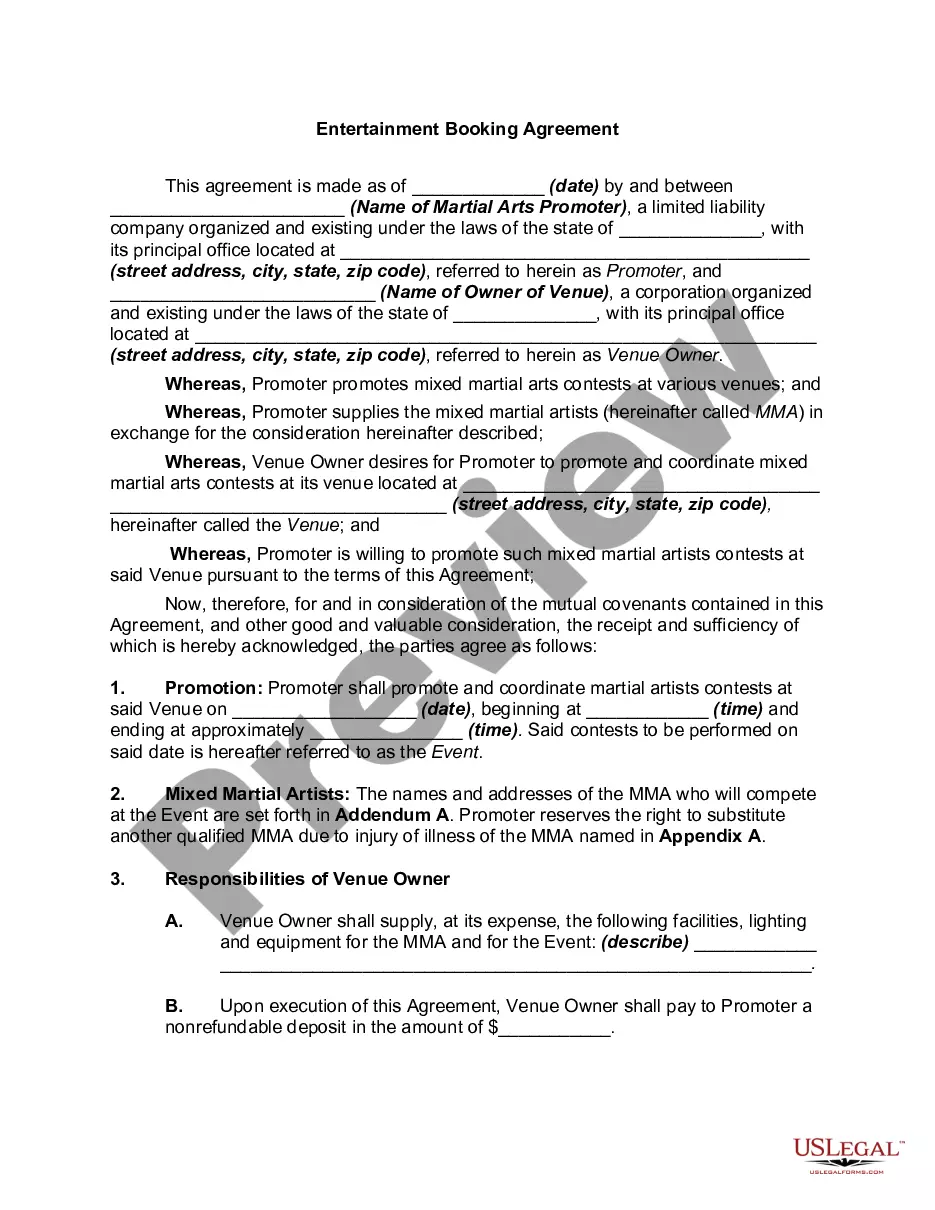
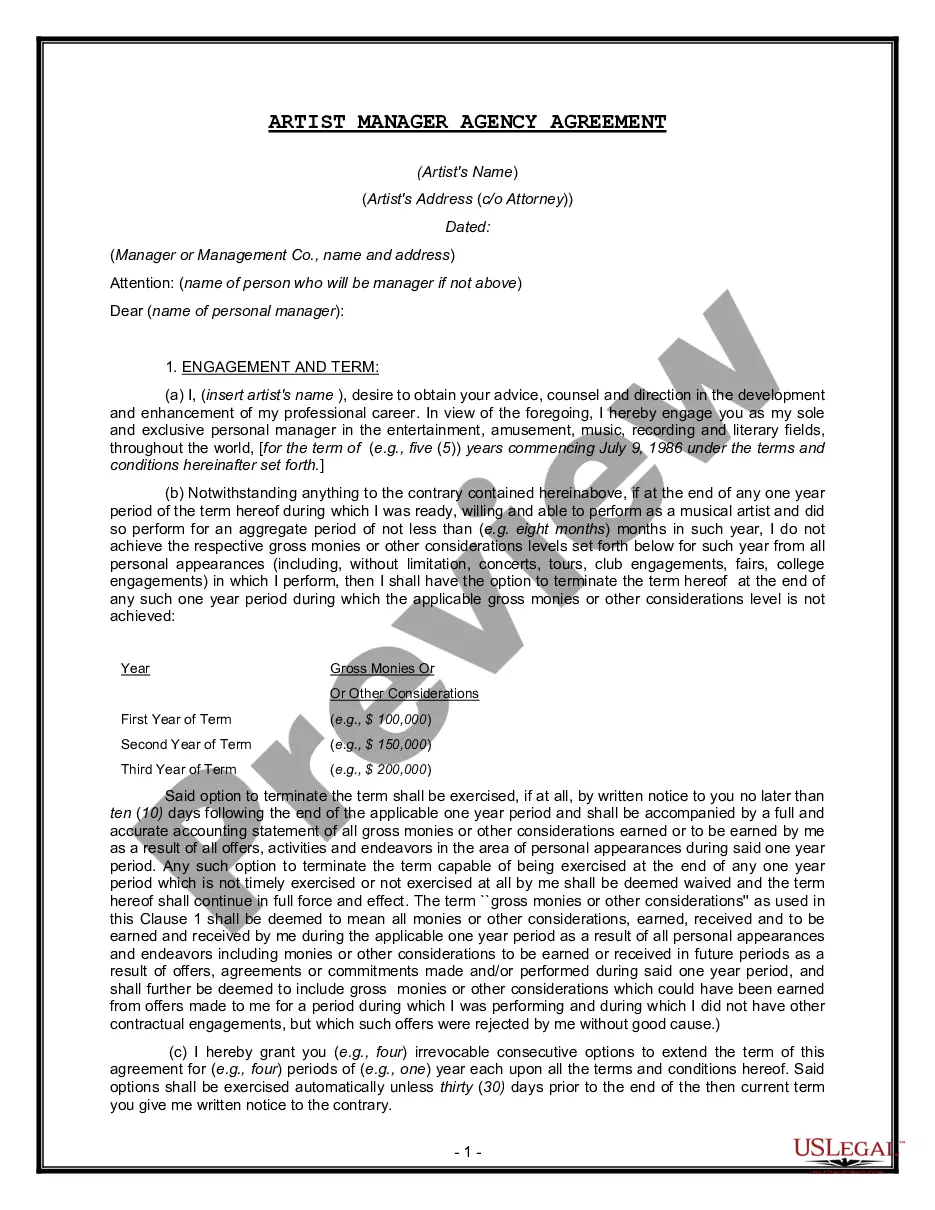
Get your form ready online
Our built-in tools help you complete, sign, share, and store your documents in one place.
Make edits, fill in missing information, and update formatting in US Legal Forms—just like you would in MS Word.
Download a copy, print it, send it by email, or mail it via USPS—whatever works best for your next step.
Sign and collect signatures with our SignNow integration. Send to multiple recipients, set reminders, and more. Go Premium to unlock E-Sign.
If this form requires notarization, complete it online through a secure video call—no need to meet a notary in person or wait for an appointment.
We protect your documents and personal data by following strict security and privacy standards.

Make edits, fill in missing information, and update formatting in US Legal Forms—just like you would in MS Word.

Download a copy, print it, send it by email, or mail it via USPS—whatever works best for your next step.

Sign and collect signatures with our SignNow integration. Send to multiple recipients, set reminders, and more. Go Premium to unlock E-Sign.

If this form requires notarization, complete it online through a secure video call—no need to meet a notary in person or wait for an appointment.

We protect your documents and personal data by following strict security and privacy standards.
Looking for another form?


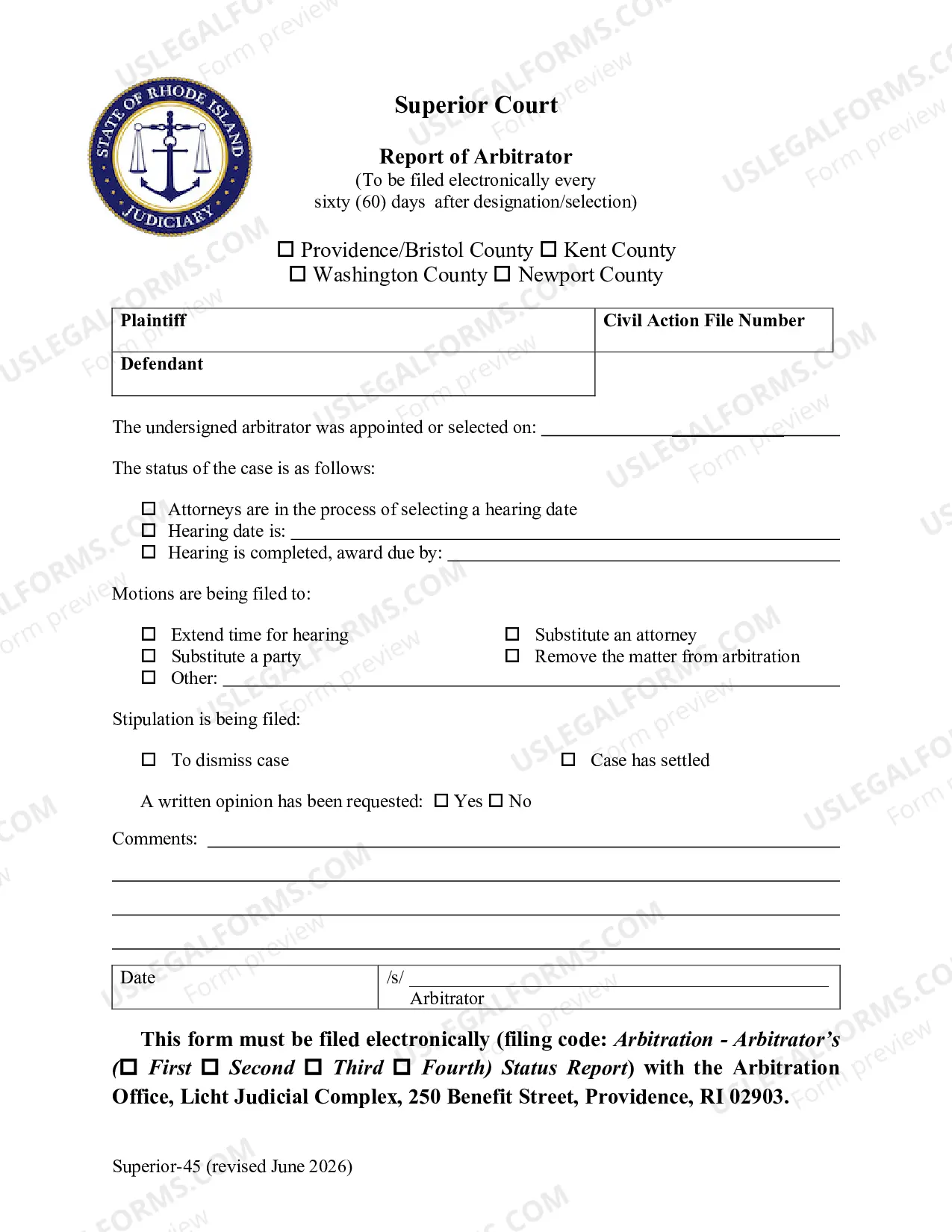




Form popularity
FAQ
It is a legal agreement that binds the Artist and the Company to fulfill all the terms and conditions contained in it. All Individual Artist Agreements must be in compliance with the respective Collective Bargaining Agreement.
Generally, to be legally valid, most contracts must contain two elements: All parties must agree about an offer made by one party and accepted by the other. Something of value must be exchanged for something else of value.
Contracts like an artist agreement help avoid miscommunications and confusion over the rights and responsibilities of both parties involved. Artist agreements typically include availability expectations, performance markers, and licensing or ownership rights of the works created during the partnership.
The Answer, ing to the IRS The short answer is “yes,” you do need a business license to legally sell your work as an artist.
Artists as a Business Entity An artist has three choices in forming a business entity: 1) a sole-proprietorship, 2) a limited-liability (LLC) partnership or 3) a corporation. Most artists operate as sole-proprietors. Eventually, you may want to set yourself up as a different kind of business entity.
The agreement or contract is the legal document between an artist or owner of an artwork and a borrowing institution, or between an exhibition organiser and the host venue. They are written to specify details about work to be undertaken and the expected outcomes.
Go to the Comptroller website in your county to register your art business. It will guide you through the basics. Questions, call or visit your courthouse. Most artists do a sole proprietorship but if you plan on doing commercial work a LLC is prudent. Google SP insurance.
Go to the Comptroller website in your county to register your art business. It will guide you through the basics. Questions, call or visit your courthouse. Most artists do a sole proprietorship but if you plan on doing commercial work a LLC is prudent. Google SP insurance.
"Do I need an EIN" is a question often asked by freelancers, and the answer is easy: No, you don't. It's not mandatory, unless you have employees working for you and you are classified as such. Many freelancers, then, choose to keep using their own social security number and are very comfortable doing so.
