Sample Management Contract With Witness Signature In San Diego
Description

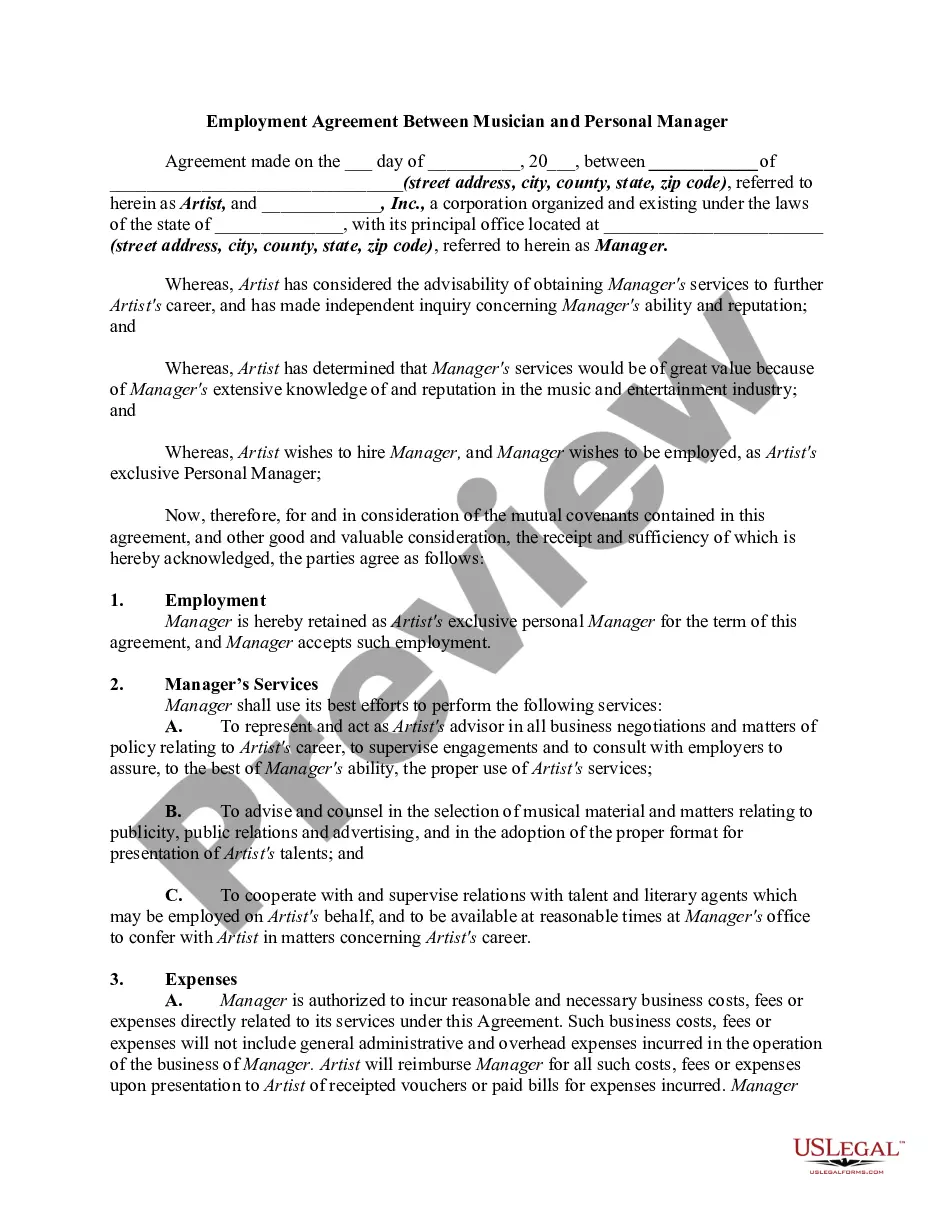
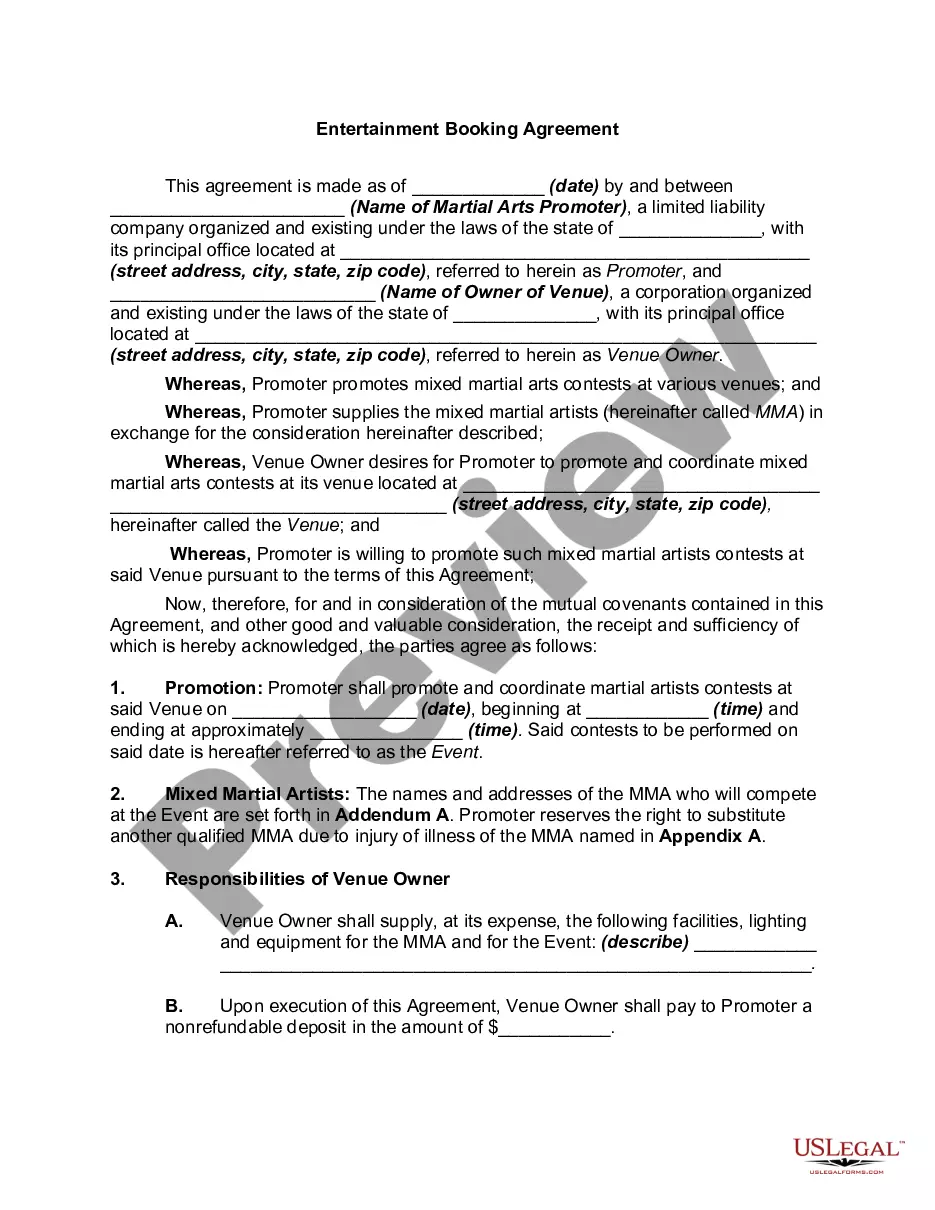
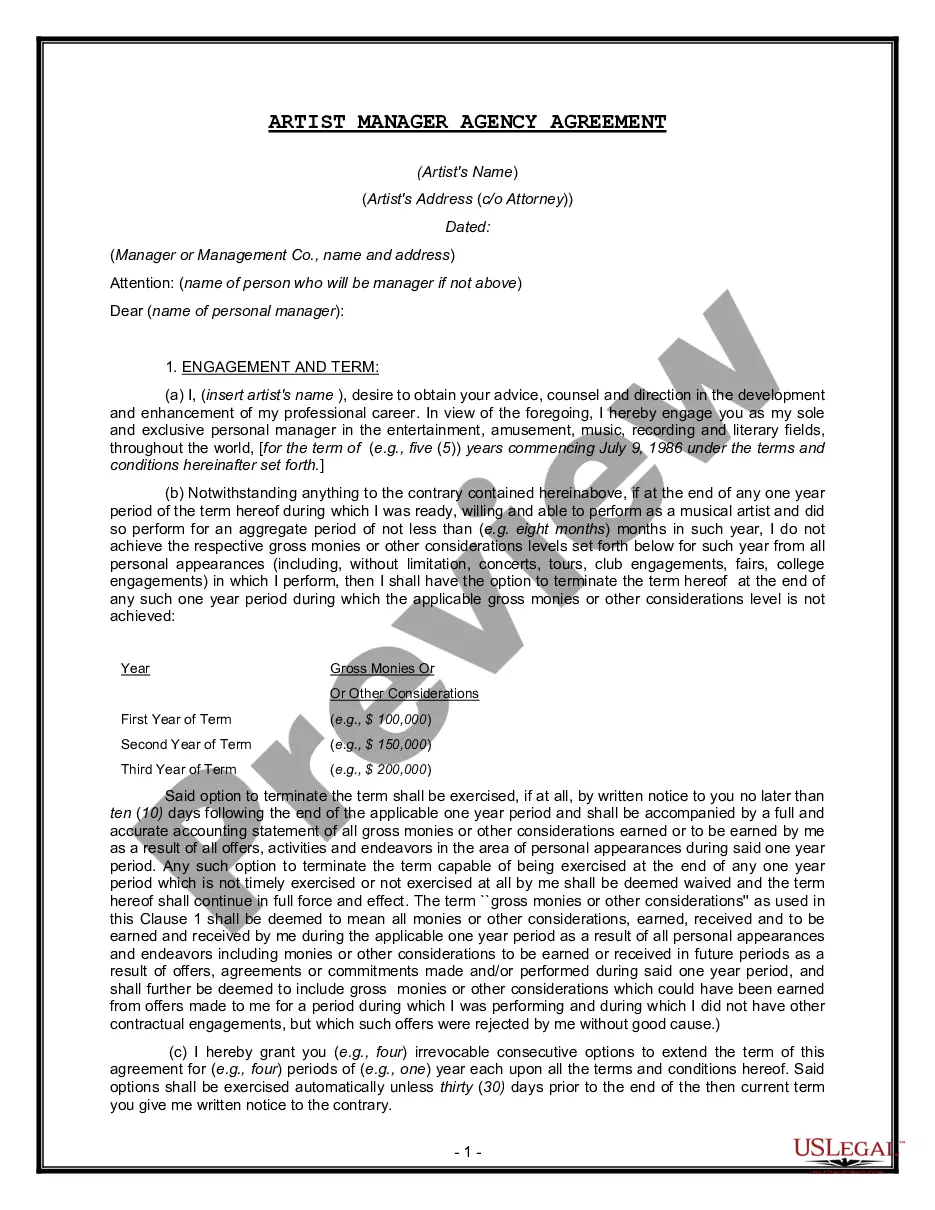
Get your form ready online
Our built-in tools help you complete, sign, share, and store your documents in one place.
Make edits, fill in missing information, and update formatting in US Legal Forms—just like you would in MS Word.
Download a copy, print it, send it by email, or mail it via USPS—whatever works best for your next step.
Sign and collect signatures with our SignNow integration. Send to multiple recipients, set reminders, and more. Go Premium to unlock E-Sign.
If this form requires notarization, complete it online through a secure video call—no need to meet a notary in person or wait for an appointment.
We protect your documents and personal data by following strict security and privacy standards.

Make edits, fill in missing information, and update formatting in US Legal Forms—just like you would in MS Word.

Download a copy, print it, send it by email, or mail it via USPS—whatever works best for your next step.

Sign and collect signatures with our SignNow integration. Send to multiple recipients, set reminders, and more. Go Premium to unlock E-Sign.

If this form requires notarization, complete it online through a secure video call—no need to meet a notary in person or wait for an appointment.

We protect your documents and personal data by following strict security and privacy standards.
Looking for another form?
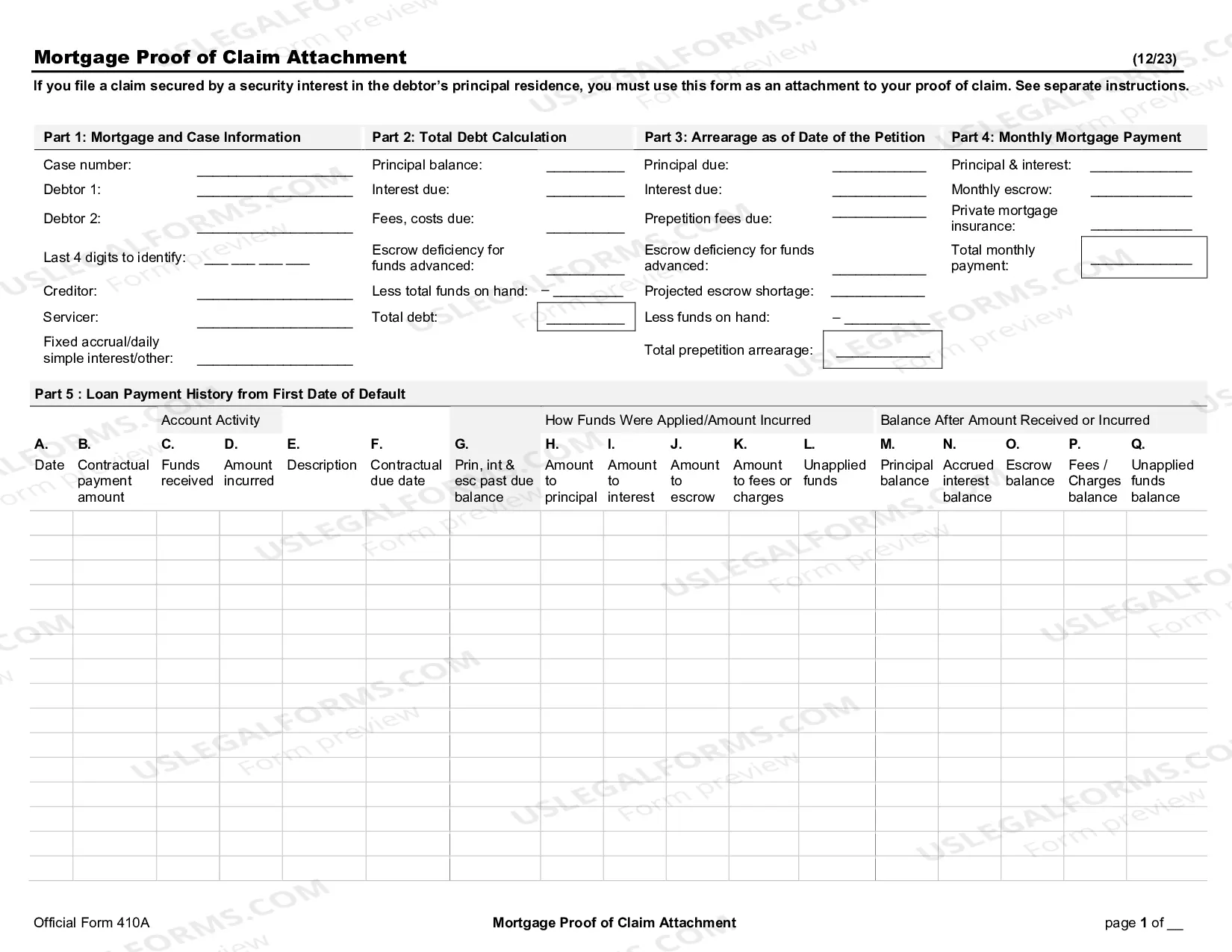






Form popularity
FAQ
Signature witnessing is defined under an official notarial act but is not legally applicable in all states. Signature witnessing happens when the witness is presented in front of the notary and the principal signer to identify the individual and sign the document in the notary's presence.
Not all contracts require you to have a witness sign with you. However, there are some important documents that require one or more witness signatures. Some documents that might need the signature of a witness or a notary public are: Estate planning documents, such as a Last Will and Testament or Power of Attorney.
Some contracts must be witnessed The witness must be an “officer” as defined under the law, which includes a lawyer, notary public, judge, and some other professional categories. The witness must be present when the party whose signature is to be witnessed is signing the contract.
In summary, while notarization of a contract to sell is not legally required, it is highly advisable due to the legal benefits it confers. It provides stronger evidence of the agreement and helps prevent disputes or complications during the subsequent sale process.
Ing to the civil code, a contract is legal and enforceable if all its elements are present: Contracting parties or consent. The subject matter of the contract or object. The cause of the said contract.
For a contract to be valid and recognized by the common law, it must include certain elements-- offer, acceptance, consideration, intention to create legal relations, authority and capacity, and certainty. Without these elements, a contract is not legally binding and may not be enforced by the courts.
Depending on your contract, it may not become valid and enforceable without the proper witnessing. Some contracts need additional validation and require that your signature is witnessed by someone who can verify your identity.
No, a witness is not necessary.
Not all contracts need a witness. For example, a simple agreement between two parties likely will not need a witness, although it is in your best interest to have one. However, certain contracts will need a witness. For example, a deed or a will both need witnesses.
