Tour Manager Contract Format In Phoenix
Description

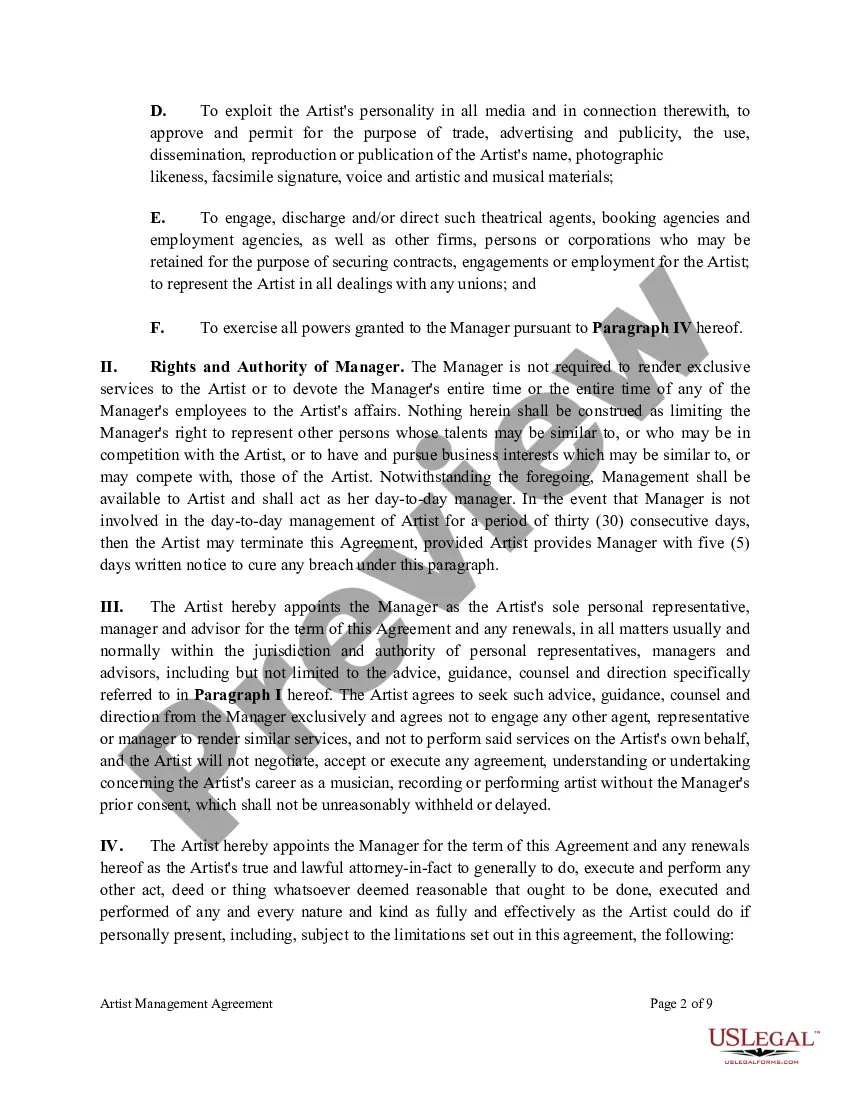
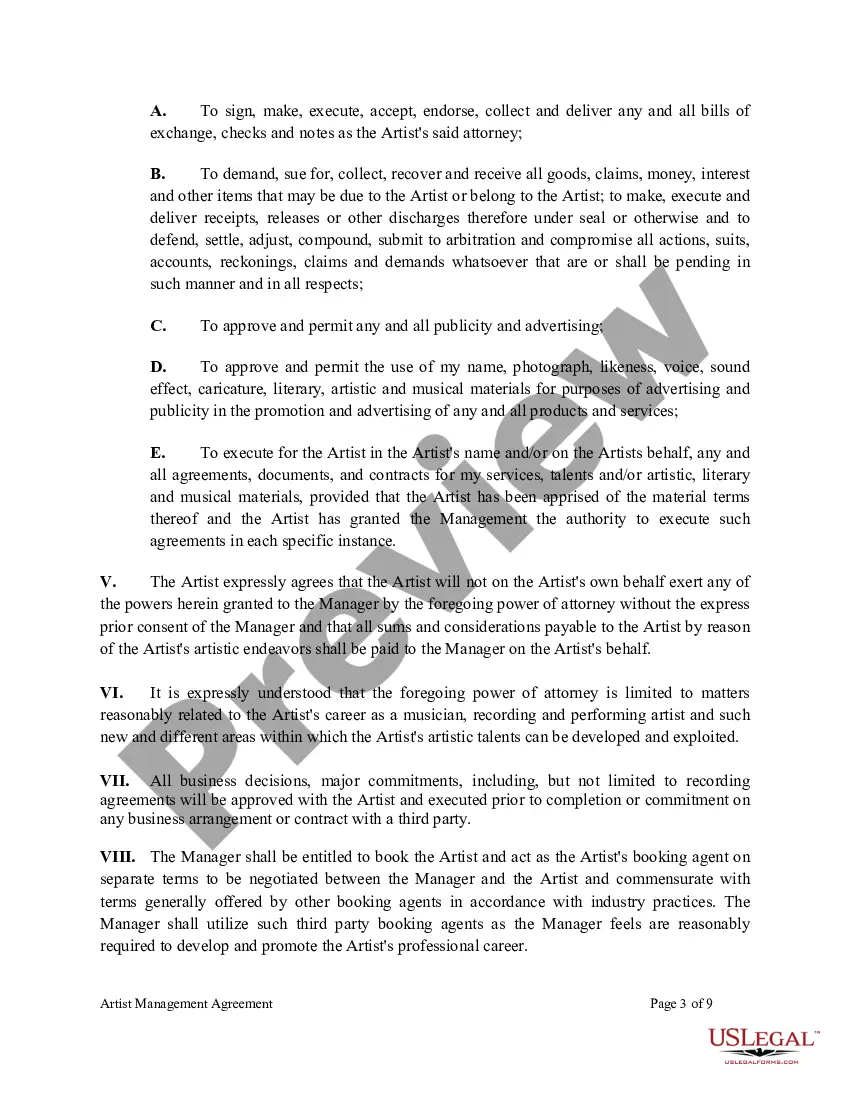
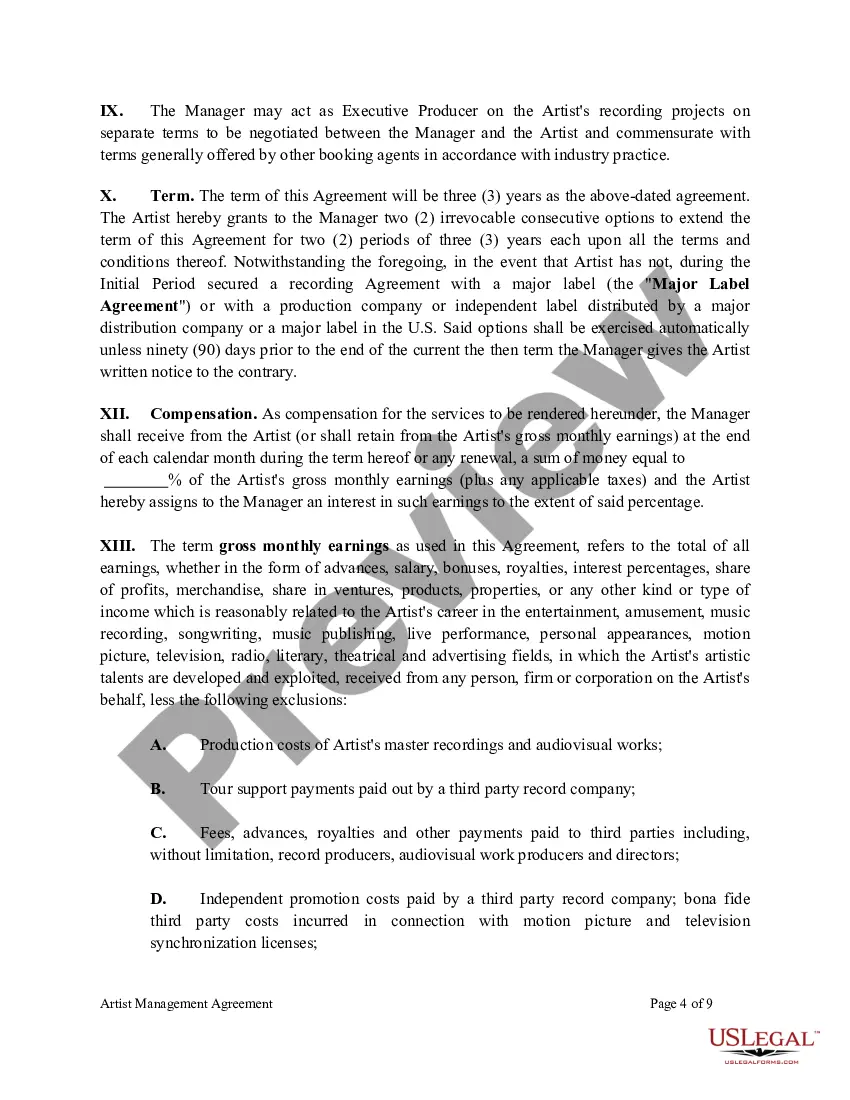
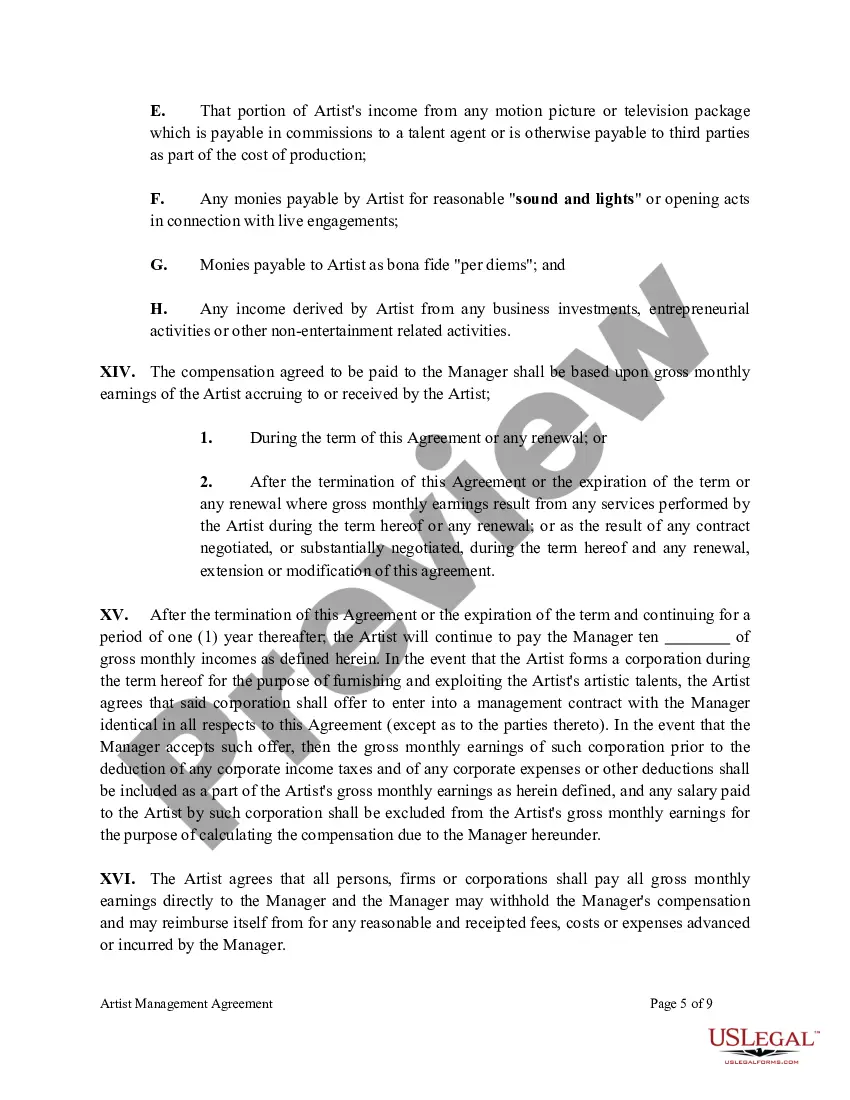
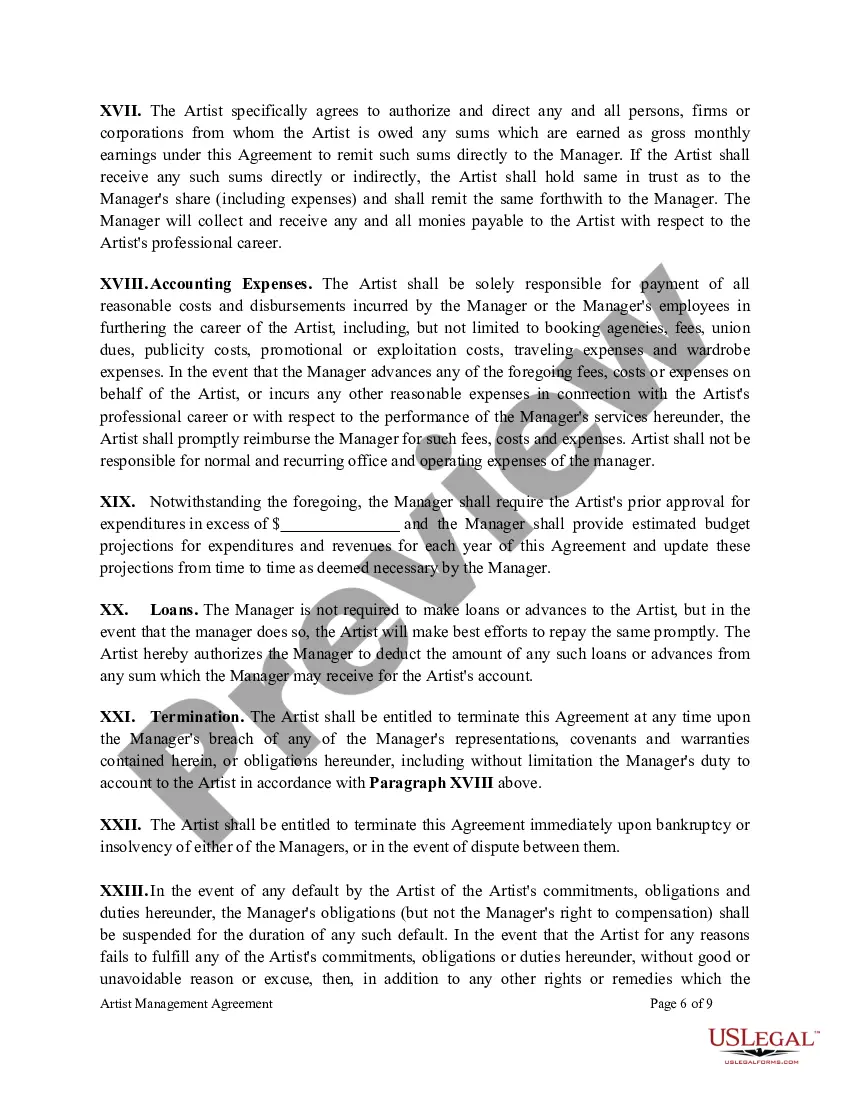
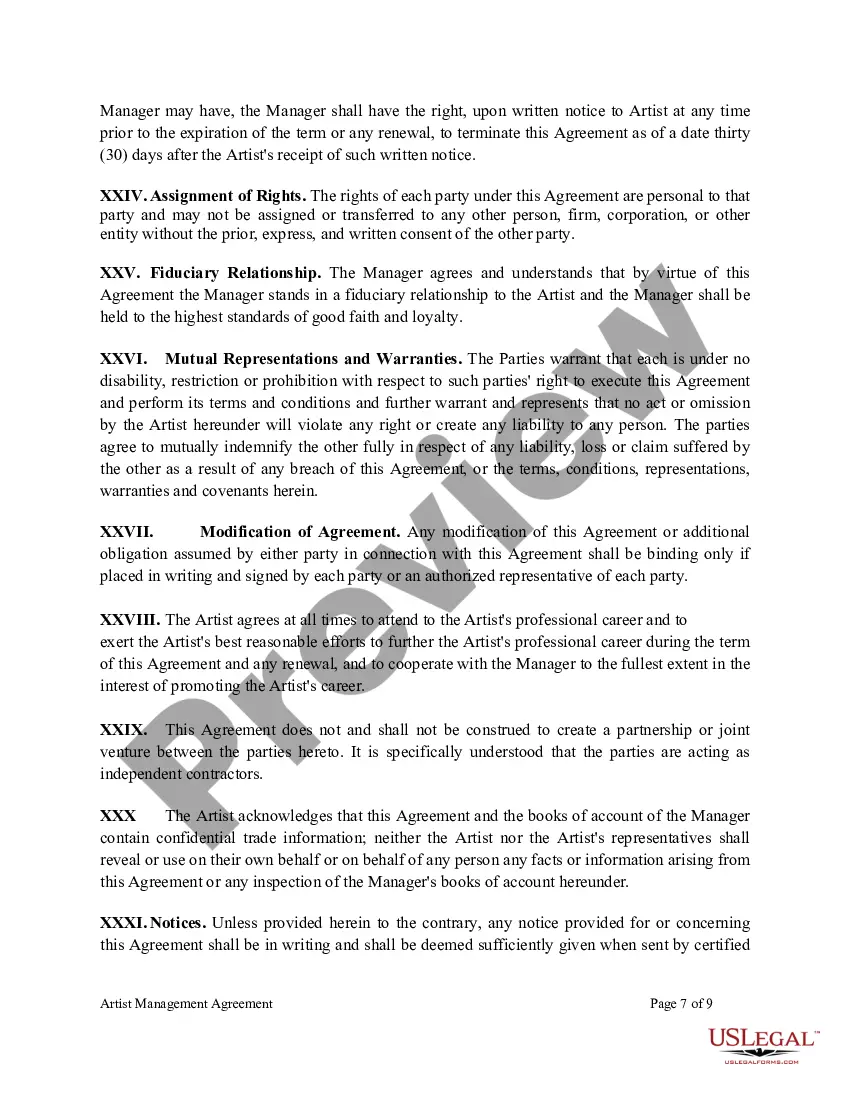
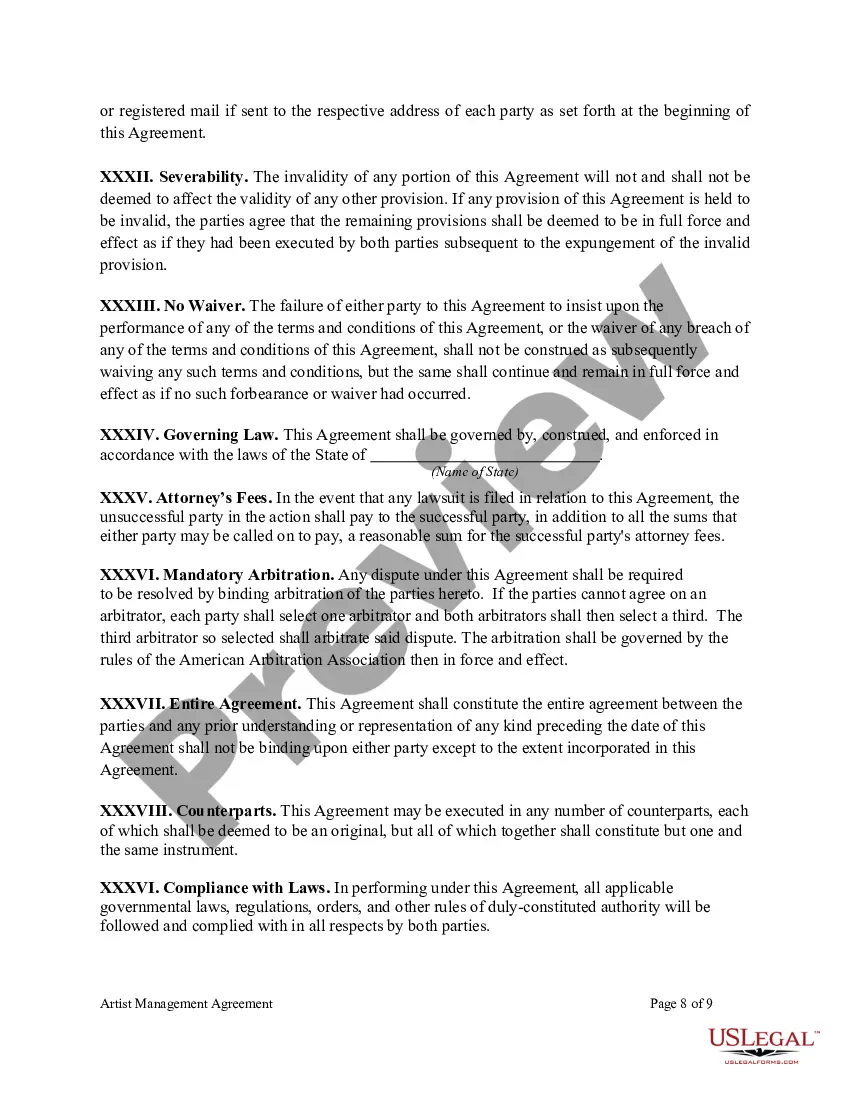

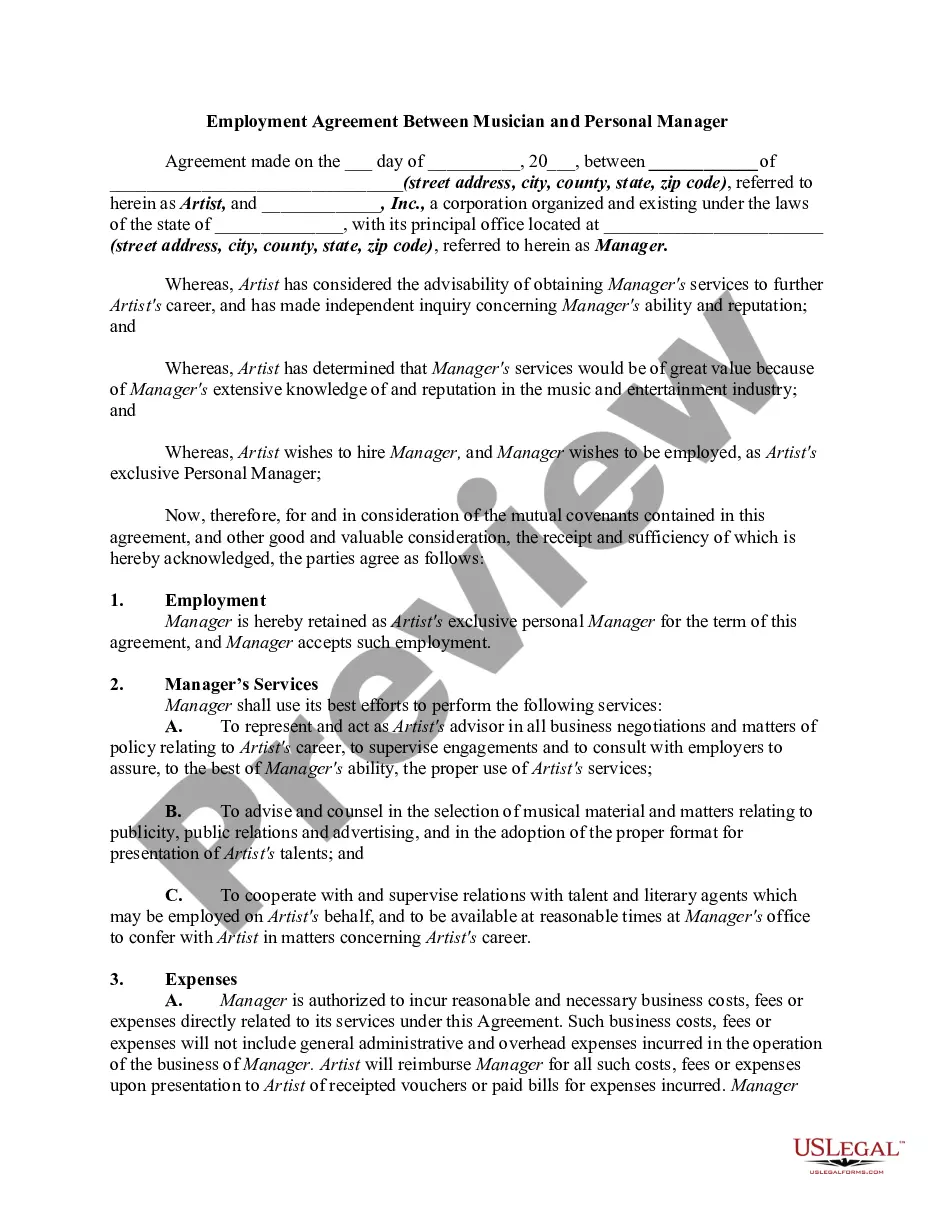
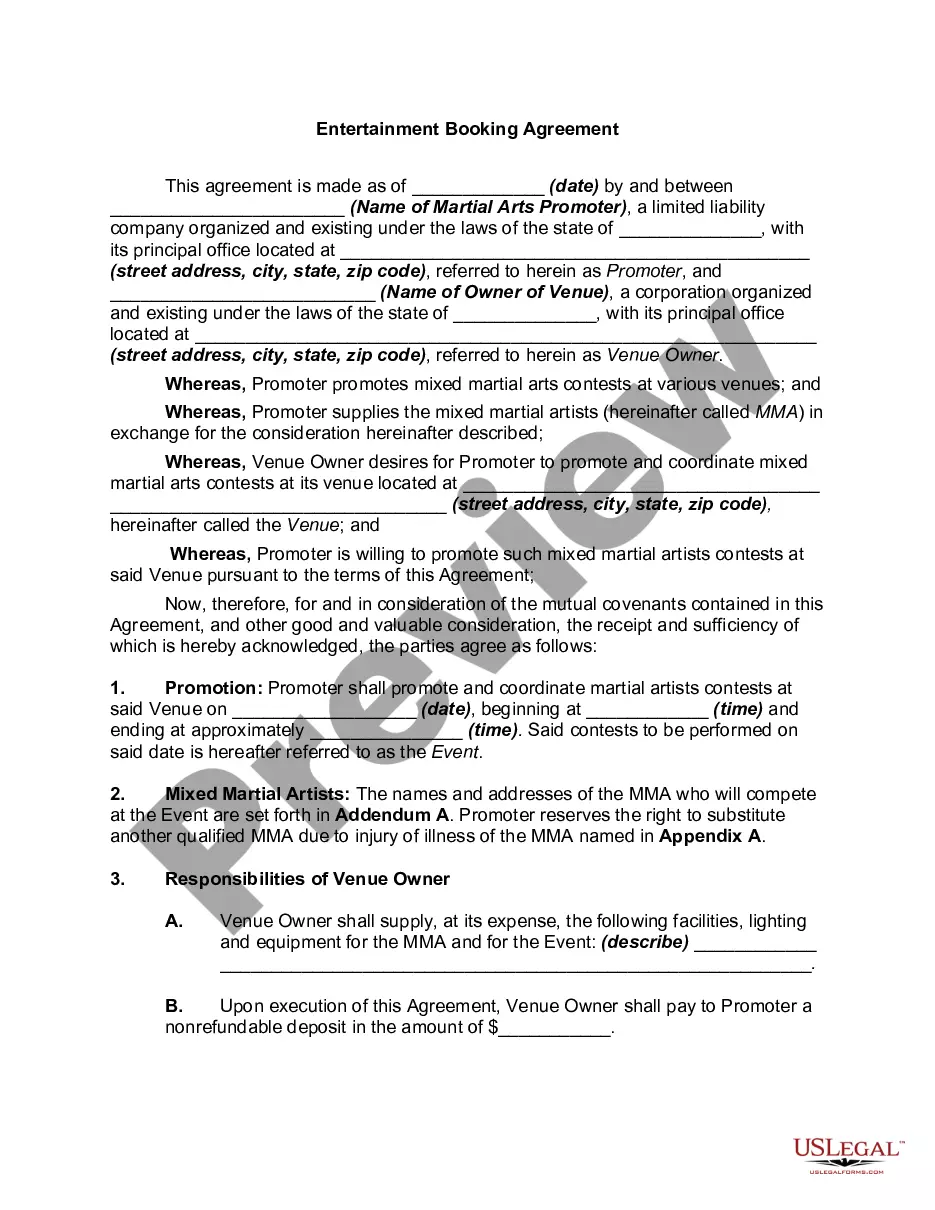
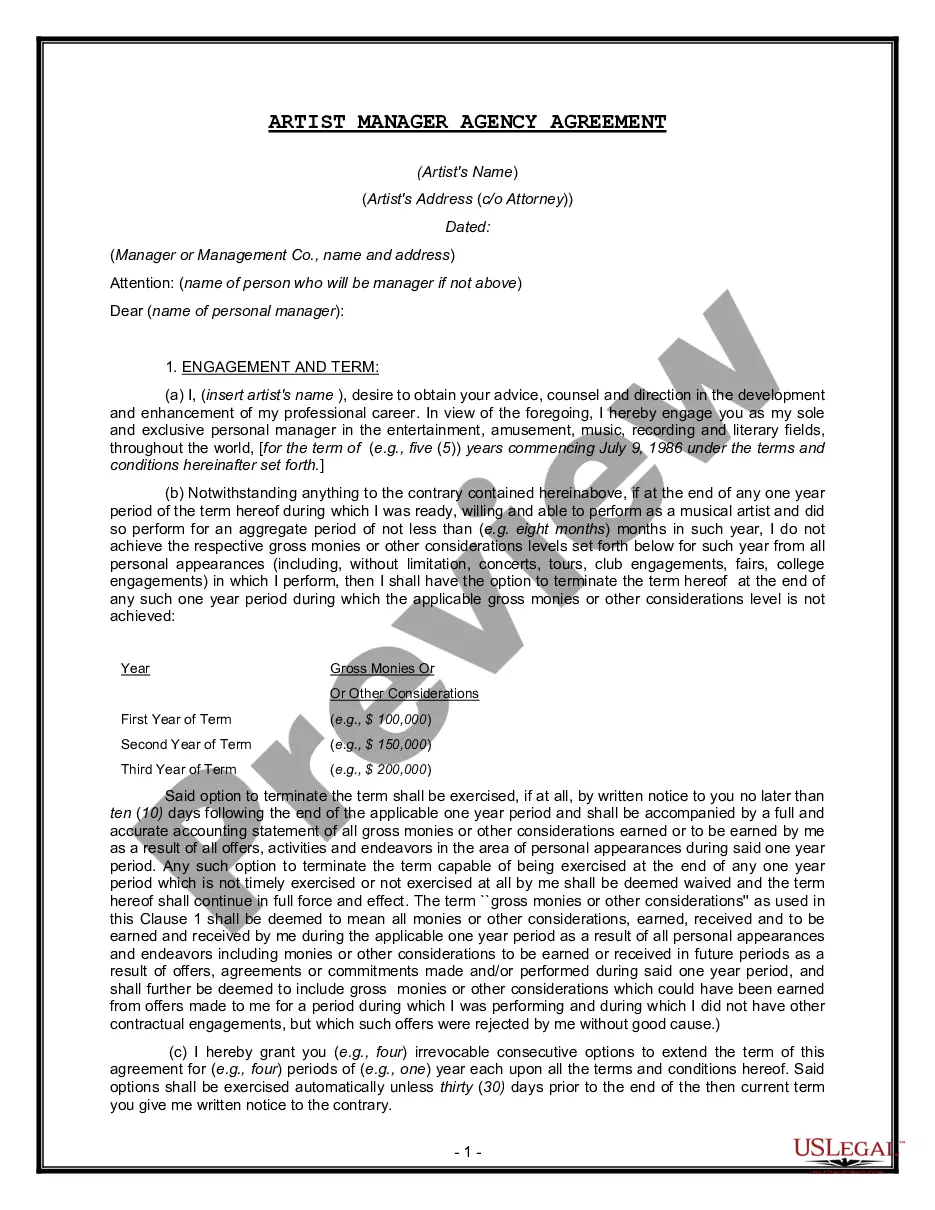
Get your form ready online
Our built-in tools help you complete, sign, share, and store your documents in one place.
Make edits, fill in missing information, and update formatting in US Legal Forms—just like you would in MS Word.
Download a copy, print it, send it by email, or mail it via USPS—whatever works best for your next step.
Sign and collect signatures with our SignNow integration. Send to multiple recipients, set reminders, and more. Go Premium to unlock E-Sign.
If this form requires notarization, complete it online through a secure video call—no need to meet a notary in person or wait for an appointment.
We protect your documents and personal data by following strict security and privacy standards.

Make edits, fill in missing information, and update formatting in US Legal Forms—just like you would in MS Word.

Download a copy, print it, send it by email, or mail it via USPS—whatever works best for your next step.

Sign and collect signatures with our SignNow integration. Send to multiple recipients, set reminders, and more. Go Premium to unlock E-Sign.

If this form requires notarization, complete it online through a secure video call—no need to meet a notary in person or wait for an appointment.

We protect your documents and personal data by following strict security and privacy standards.
Looking for another form?







Form popularity
FAQ
There's no single or mandatory format for writing contracts, but they typically follow a standard structure. This includes identifying the parties, outlining the agreement's terms, specifying obligations and rights, and including signatures.
Key elements include defining parties, specifying terms, addressing indemnification, termination, force majeure, and including signatures. For specific types of contracts, like independent contractor agreements or employment contracts, additional sections may be necessary.
A properly formatted contract will typically have copy that is left-aligned and single-spaced. If the contract is long or has multiple sections, a table of contents should be included to make it easier to review.
A standard form contract (sometimes referred to as a contract of adhesion, a leonine contract, a take-it-or-leave-it contract, or a boilerplate contract) is a contract between two parties, where the terms and conditions of the contract are set by one of the parties, and the other party has little or no ability to ...
As a general rule, managers take a percentage of all income generated by the artist in exchange for their management services. Commission rates typically range from 15-25% of the artist's gross income from: Recording royalties: Sales, streaming and licensing of recorded music.
Schools & Degrees While there is no specific degree required to become a tour manager, obtaining a degree in a music-related field can be beneficial. Many universities and music schools offer programs in music business, music industry studies, or related disciplines.
The life of a tour manager may seem exhilarating, but it's one that comes with significant stress. The relentless demands of artists, the long hours in production, and the time spent away from home are just some of the factors that weigh heavily on those in this field.
Most employers prefer a degree in business management, music, communication, marketing , entrepreneurship or a related area. To stand out among the competition, additional recommended courses include psychology, business law, logistics, accounting or tourism and travel management.
Most employers prefer a degree in business management, music, communication, marketing , entrepreneurship or a related area. To stand out among the competition, additional recommended courses include psychology, business law, logistics, accounting or tourism and travel management.
