Contract Management With Example In Philadelphia
Description

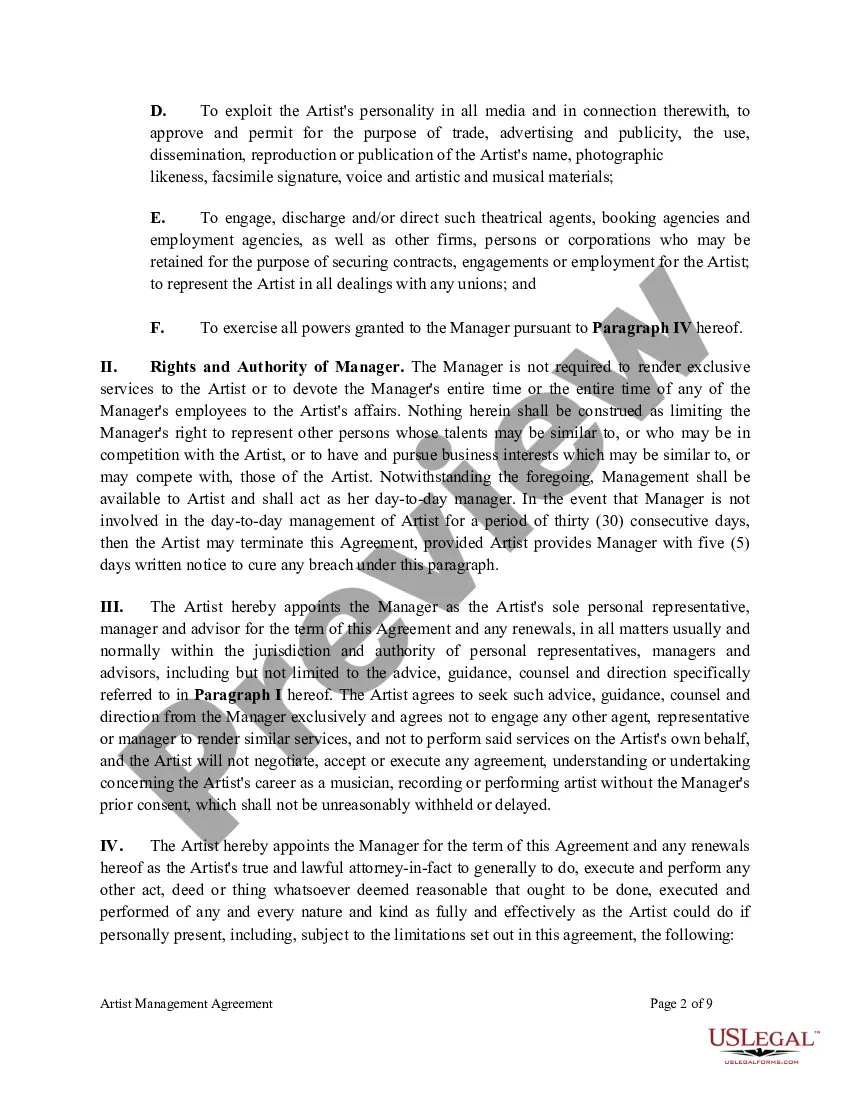
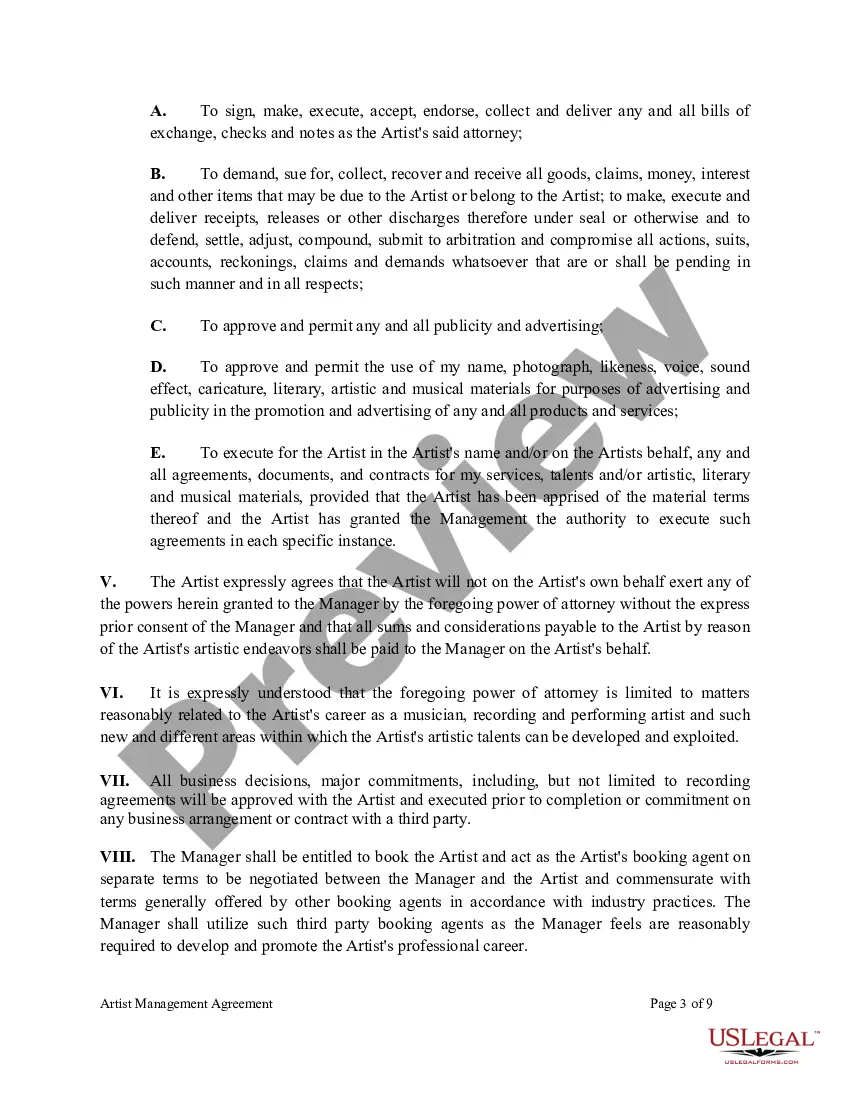
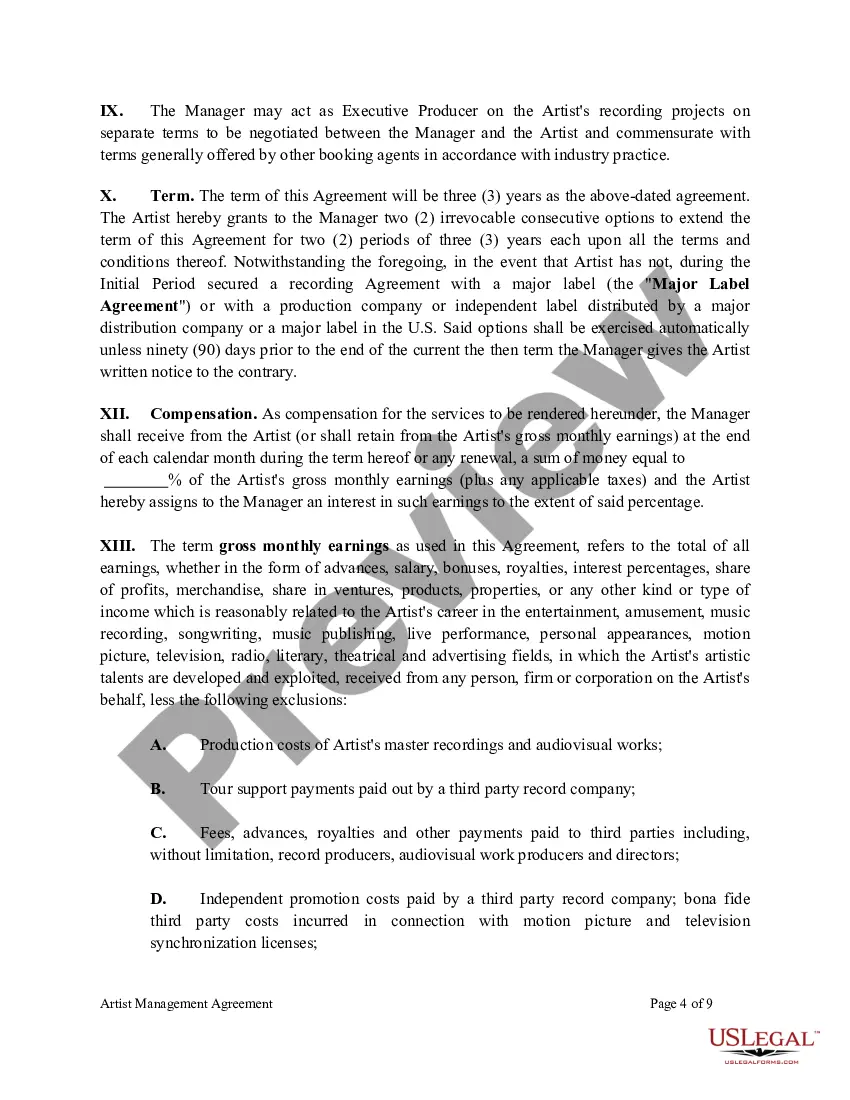
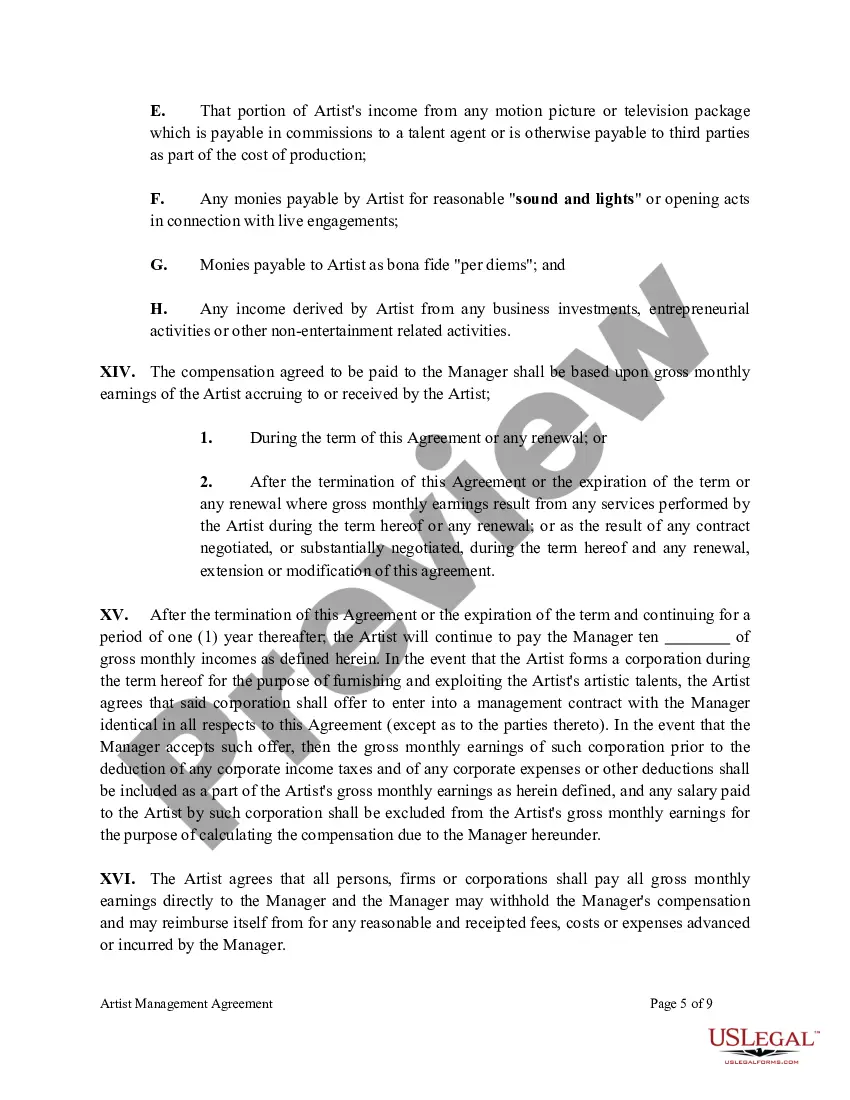
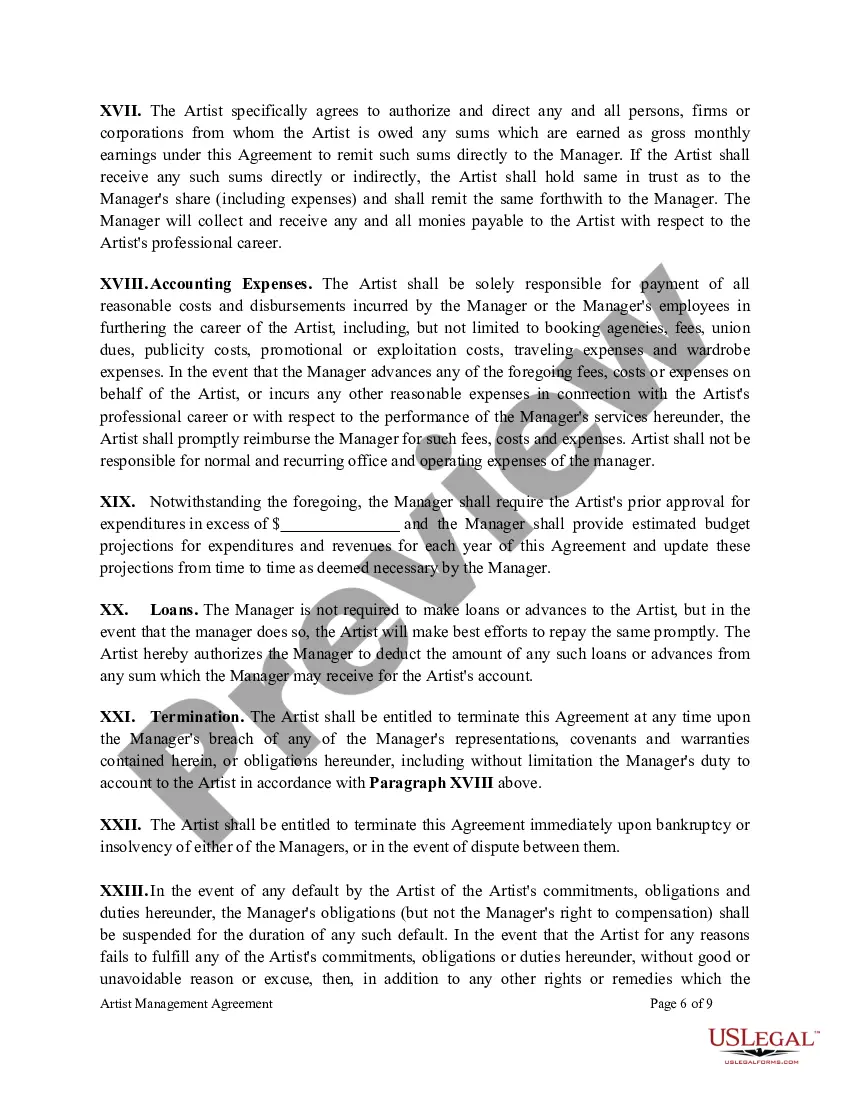
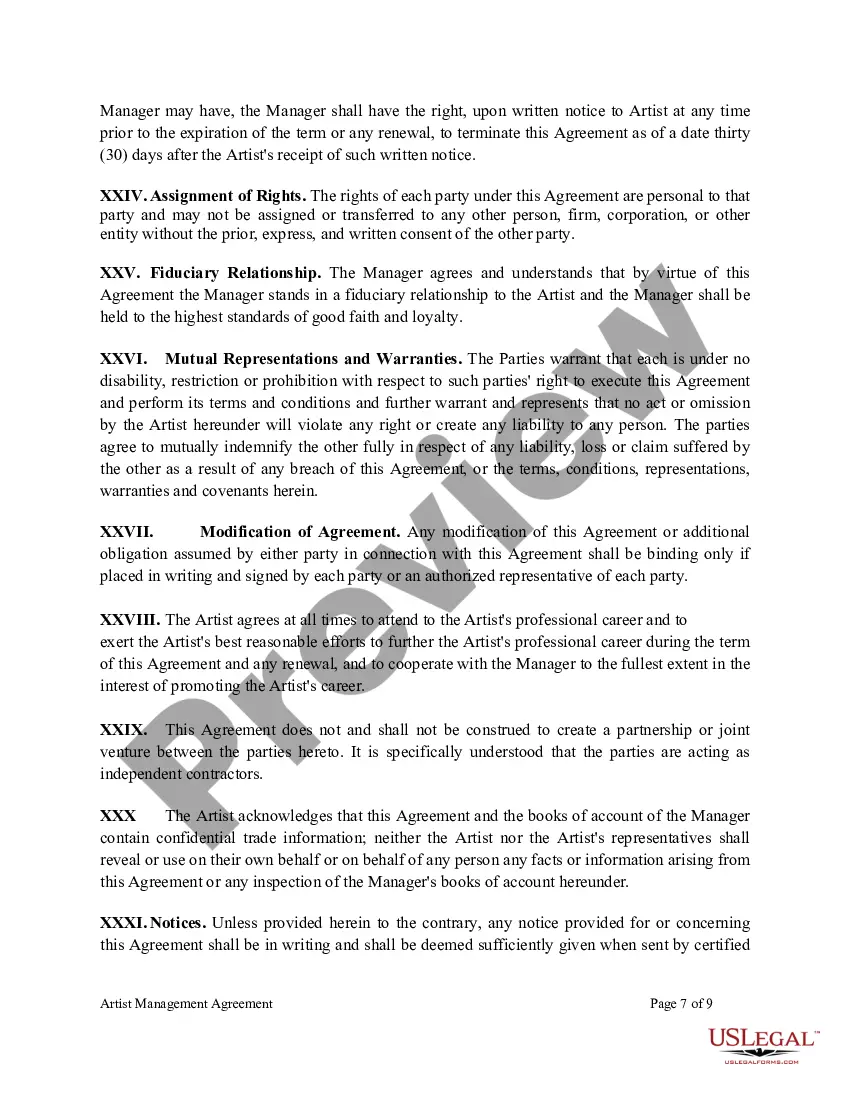
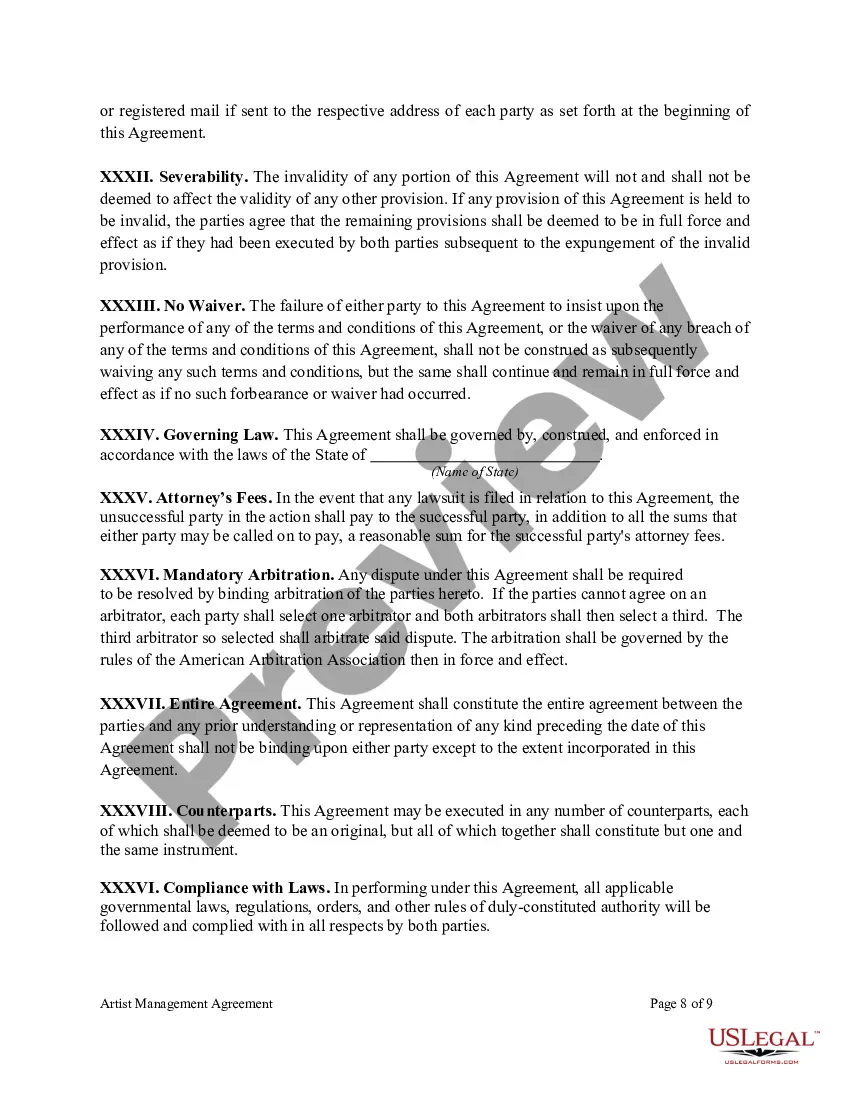
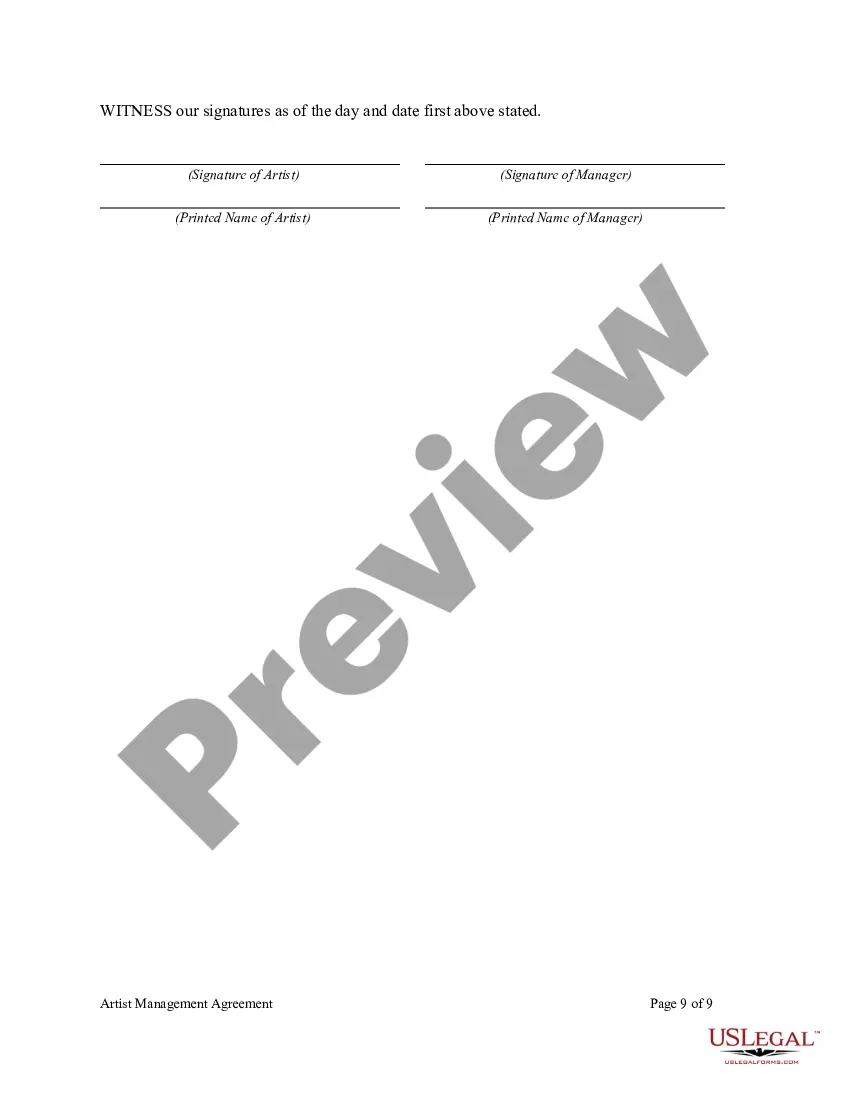
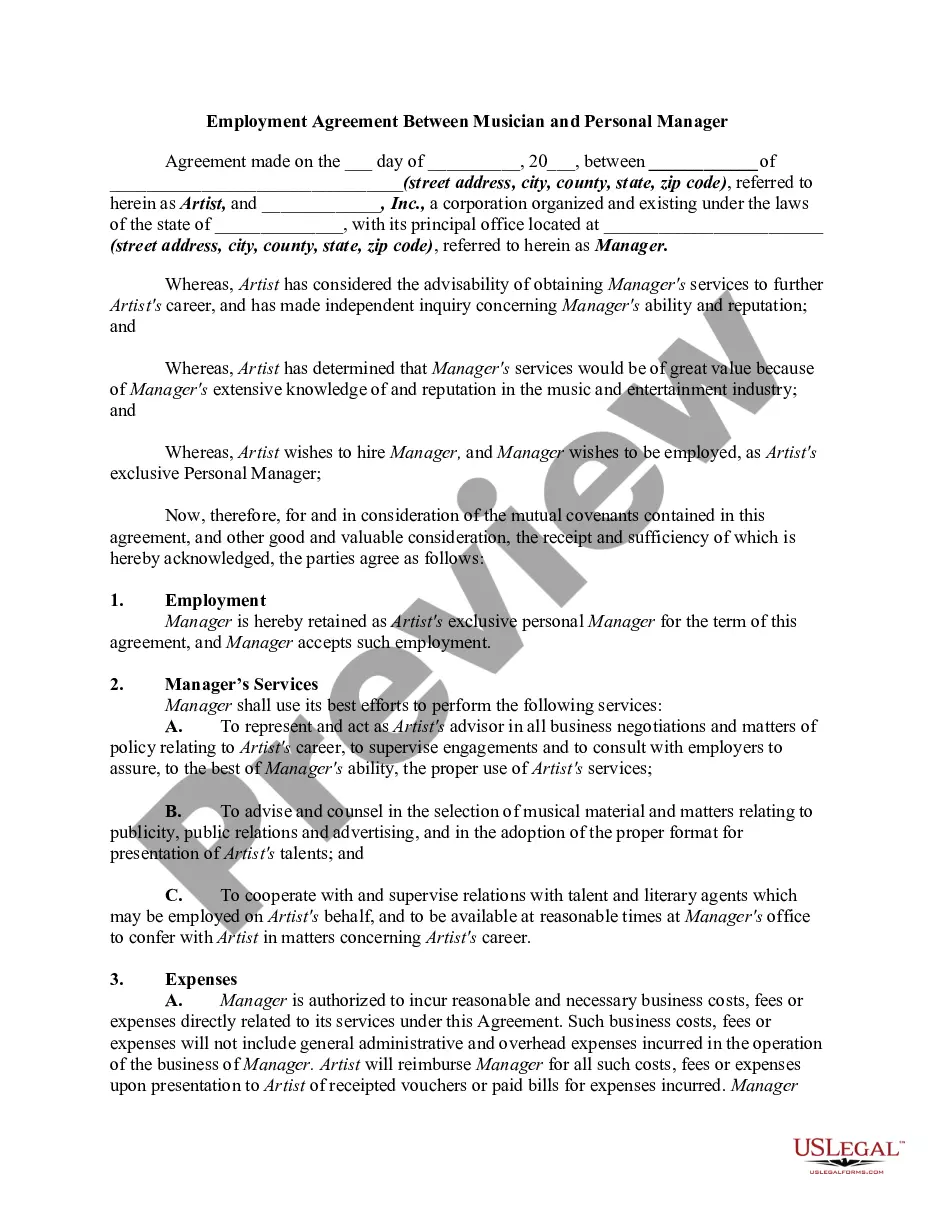
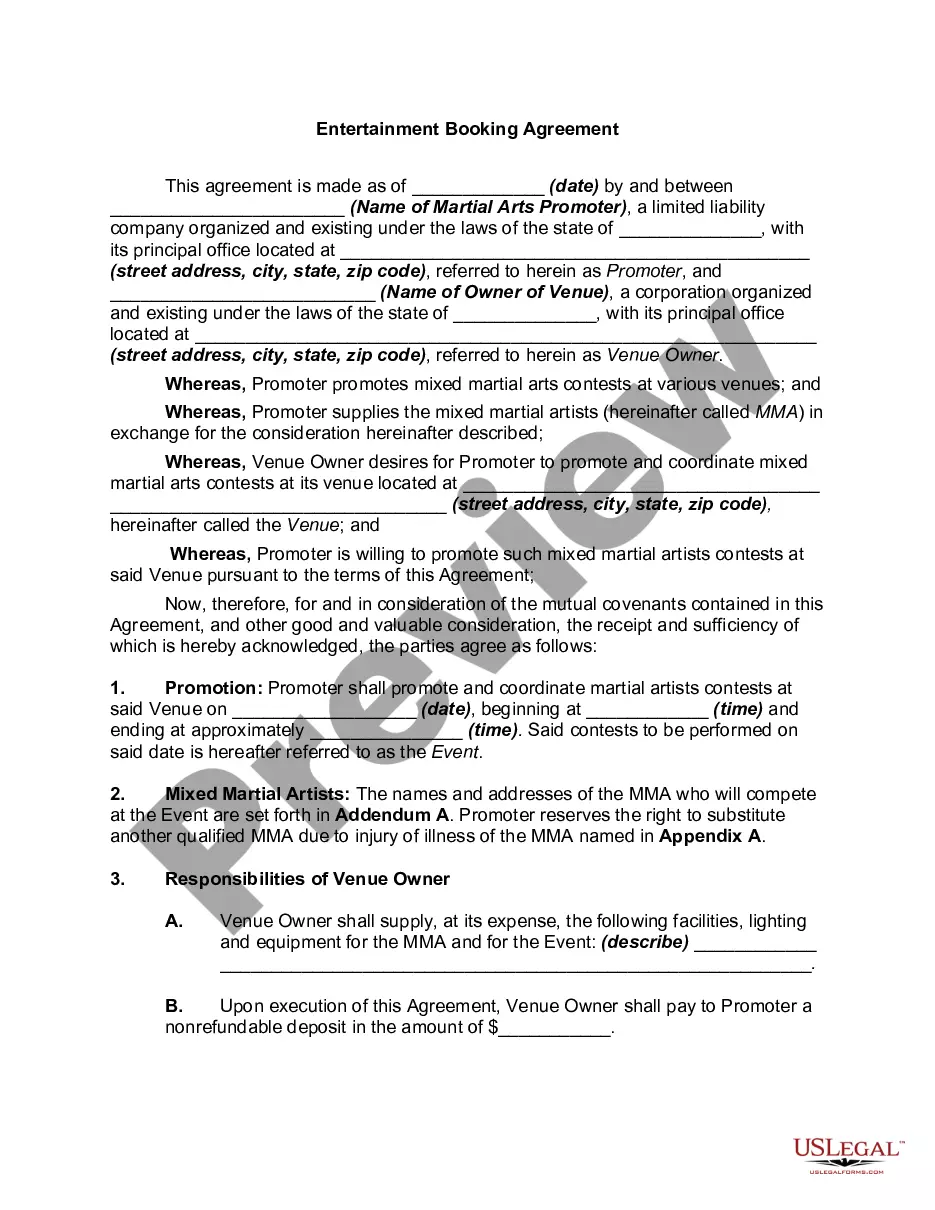
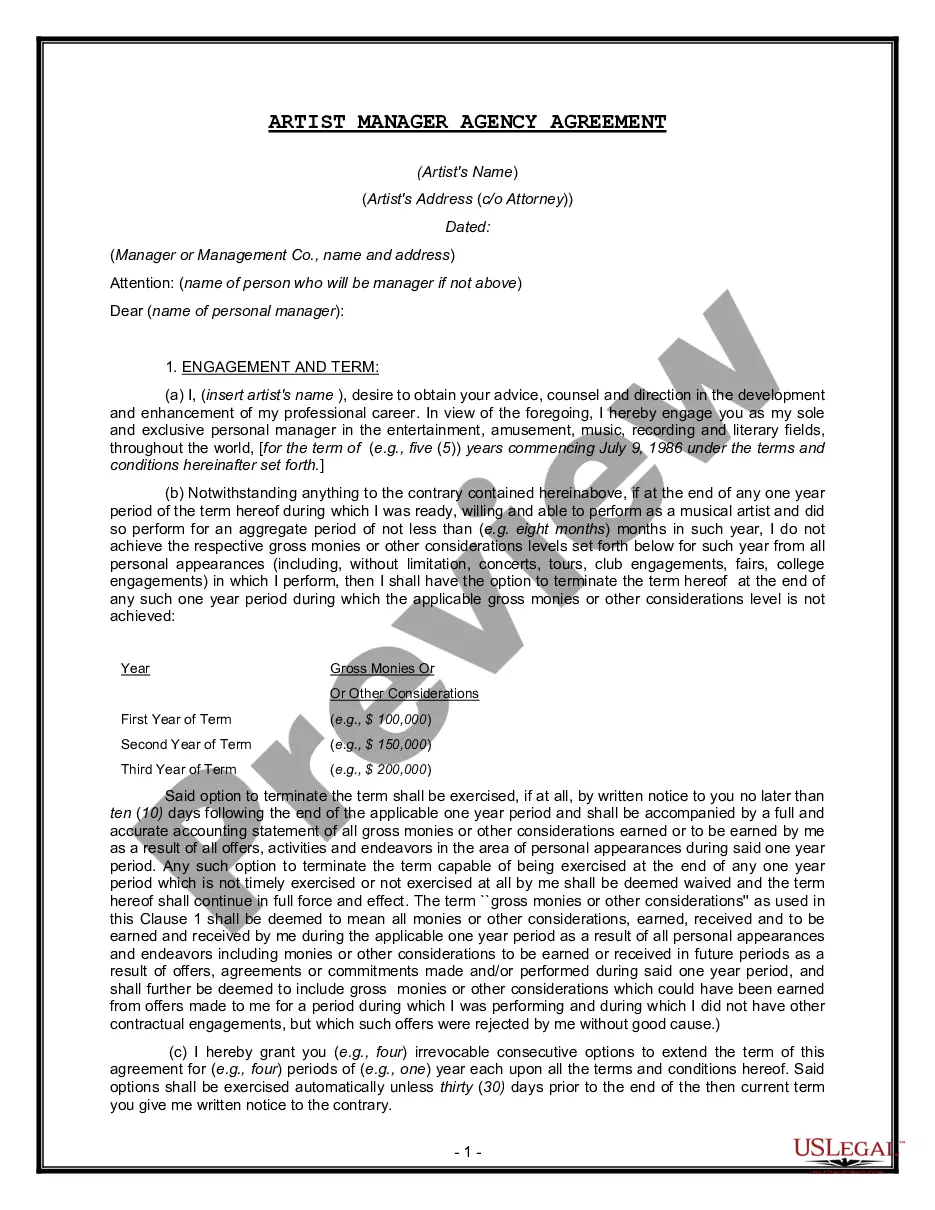
Get your form ready online
Our built-in tools help you complete, sign, share, and store your documents in one place.
Make edits, fill in missing information, and update formatting in US Legal Forms—just like you would in MS Word.
Download a copy, print it, send it by email, or mail it via USPS—whatever works best for your next step.
Sign and collect signatures with our SignNow integration. Send to multiple recipients, set reminders, and more. Go Premium to unlock E-Sign.
If this form requires notarization, complete it online through a secure video call—no need to meet a notary in person or wait for an appointment.
We protect your documents and personal data by following strict security and privacy standards.

Make edits, fill in missing information, and update formatting in US Legal Forms—just like you would in MS Word.

Download a copy, print it, send it by email, or mail it via USPS—whatever works best for your next step.

Sign and collect signatures with our SignNow integration. Send to multiple recipients, set reminders, and more. Go Premium to unlock E-Sign.

If this form requires notarization, complete it online through a secure video call—no need to meet a notary in person or wait for an appointment.

We protect your documents and personal data by following strict security and privacy standards.
Looking for another form?





Form popularity
FAQ
How to draft a contract between two parties: A step-by-step checklist Know your parties. Agree on the terms. Set clear boundaries. Spell out the consequences. Specify how you will resolve disputes. Cover confidentiality. Check the legality of the contract. Open it up to negotiation.
This good practice framework defines the four blocks – structure and resources, delivery, development, and strategy – comprising 11 areas (Figure 1) that organisations should consider when planning and delivering contract management.
Process for developing a management plan Develop a vision statement. Develop a mission statement. Set goals. Set major initiatives. Cover page and table of contents. Executive summary. Industry and organisation. Asset management plan. Market research. Financial plan. Future considerations. Customer services plan.
Some examples of Contract Management activities are: Phone calls with suppliers; Meetings with suppliers; Score carding of suppliers; Site visits; Analysing performance information; Problem solving; Benchmarking against other similar contracts/suppliers; Analysing management information.
Contract Overview. Briefly outline. Objectives. List objectives and desired outcomes here. Transitional arrangements and mobilisation. Briefly outline. Performance management. Briefly outline. Finance. Briefly outline. Governance arrangements. Communication with provider. Briefly outline. Communication with stakeholders.
Exploring the key stages of the contract management lifecycle Stage 1: Contract Initiation. Stage 2: Contract Creation and Negotiation. Stage 3: Contract Approval. Stage 4: Contract Execution. Stage 5: Contract Monitoring and Management. Stage 6: Contract Renewal or Termination.
The role of the contract administrator may be undertaken by a range of individuals, these include architects, engineers, building surveyors, quantity surveyors or any agent of the employer. In theory, the employer, contractor or a director or employee of either party can act as contract administrator.
Contract management is the process of managing legally-binding agreements from initiation through to execution. Contract management activities include creation and negotiation, execution, compliance monitoring and renewal or close out.
For example, if signing a new construction contract begins with the procurement department, then finance, sales, and so on, it's the responsibility of contract administration to ensure that this sequence follows as designated.
Contract management software is a digital platform designed to automate and streamline all stages of contract management—from drafting and negotiation to execution and ongoing maintenance. It is designed to help lawyers and other professionals create, negotiate, renew, and collect data on existing business contracts.
