Artist Agreement Form Statement Within In Philadelphia
Description









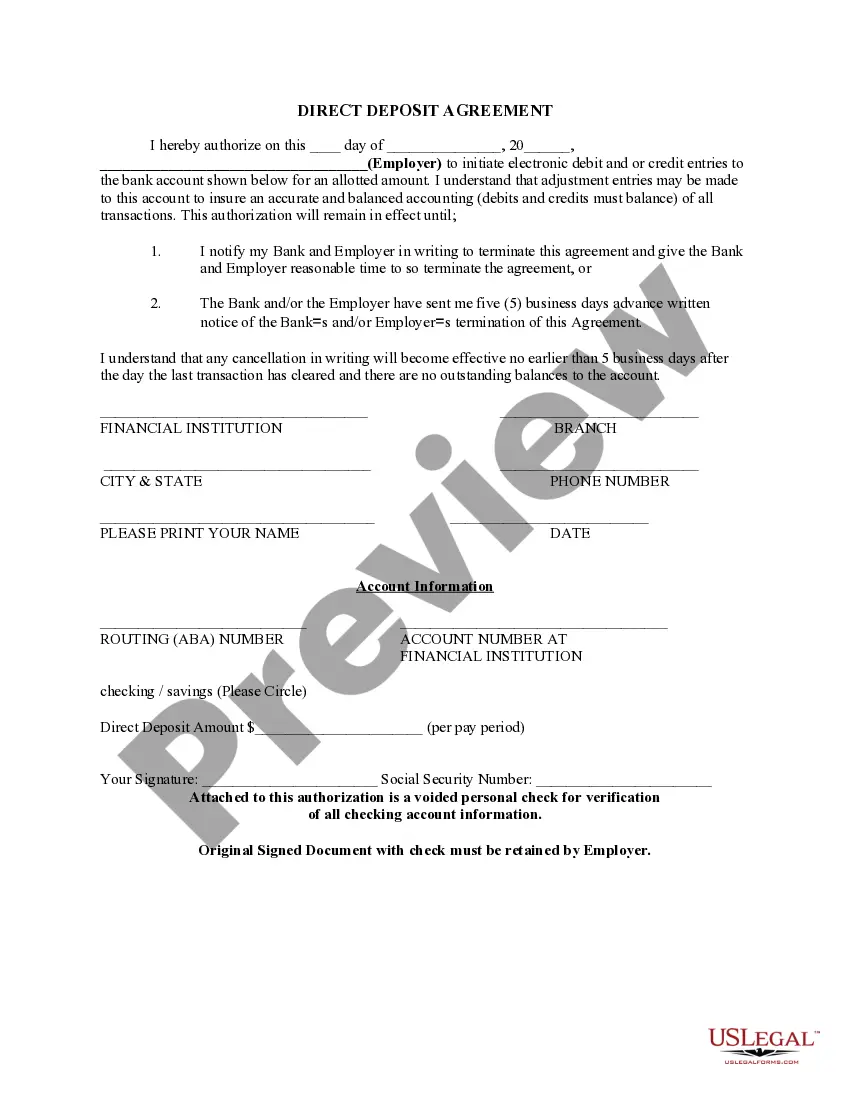
Get your form ready online
Our built-in tools help you complete, sign, share, and store your documents in one place.
Make edits, fill in missing information, and update formatting in US Legal Forms—just like you would in MS Word.
Download a copy, print it, send it by email, or mail it via USPS—whatever works best for your next step.
Sign and collect signatures with our SignNow integration. Send to multiple recipients, set reminders, and more. Go Premium to unlock E-Sign.
If this form requires notarization, complete it online through a secure video call—no need to meet a notary in person or wait for an appointment.
We protect your documents and personal data by following strict security and privacy standards.

Make edits, fill in missing information, and update formatting in US Legal Forms—just like you would in MS Word.

Download a copy, print it, send it by email, or mail it via USPS—whatever works best for your next step.

Sign and collect signatures with our SignNow integration. Send to multiple recipients, set reminders, and more. Go Premium to unlock E-Sign.

If this form requires notarization, complete it online through a secure video call—no need to meet a notary in person or wait for an appointment.

We protect your documents and personal data by following strict security and privacy standards.
Looking for another form?







Form popularity
FAQ
Acceptance of an offer: After one party makes an offer, it's up to the other party to accept it. If someone offers you $600 to walk their dogs, for example, you enter into a contractual agreement the moment you accept their offer in exchange for your services.
It is a legal agreement that binds the Artist and the Company to fulfill all the terms and conditions contained in it. All Individual Artist Agreements must be in compliance with the respective Collective Bargaining Agreement.
Form W-9. If you've made the determination that the person you're paying is an independent contractor, the first step is to have the contractor complete Form W-9, Request for Taxpayer Identification Number and Certification.
Write the contract in six steps Start with a contract template. Open with the basic information. Describe in detail what you have agreed to. Include a description of how the contract will be ended. Write into the contract which laws apply and how disputes will be resolved. Include space for signatures.
Avoid words, phrases, and ideas that are so specific to your discipline that a general arts reader might not understand them. If there's a term or phrase that's essential to include, just explain it briefly.
What Not to Say to an Artist 1. ``Do You Know An Artist, So-and-So?'' 2. ``I Love the Frame!'' 3. ``You Should...'' 4. ``This Piece Would Look Great If You Added....'' How bout this one: ``This piece would look great with (fill in the blank) in the picture.'' So, it's not great without that?? 5. Adding to the List
Avoid phrases like, ``I want to...'' or, ``I'm trying to...'' or, ``My intention is...'' Just say what you're doing: ``I expose the gritty underbelly of urban life...'' or, ``These paintings explore the wonders of nature and the beauty of our world...'' Don't be wishy-washy about it.
How to Write an Artistic Statement Brainstorm. The first hurdle is to figure out what to write about. Freewrite. The process of writing without judgment or self-editing can help artists get at their basic philosophy. Rewrite what stands out. In general, be specific. Be clear and concise. Proofread. Use your own voice.
Writing an Artist's Statement? Start with These Questions What does your work look like? What are its physical properties? How does it exist in space? Where do we see it? Is your work temporal? How are you making this work? Why do you make this work? How do viewers experience your work?
Good artist statements clarify an artist's intent. They describe the works from a material standpoint: what medium and techniques are used. They characterize the style, its relation to a school or figures in the history of art. They avoid art-speak jargon and describe the body of work in a lively way.