Contract Management For Procurement In Pennsylvania
Description

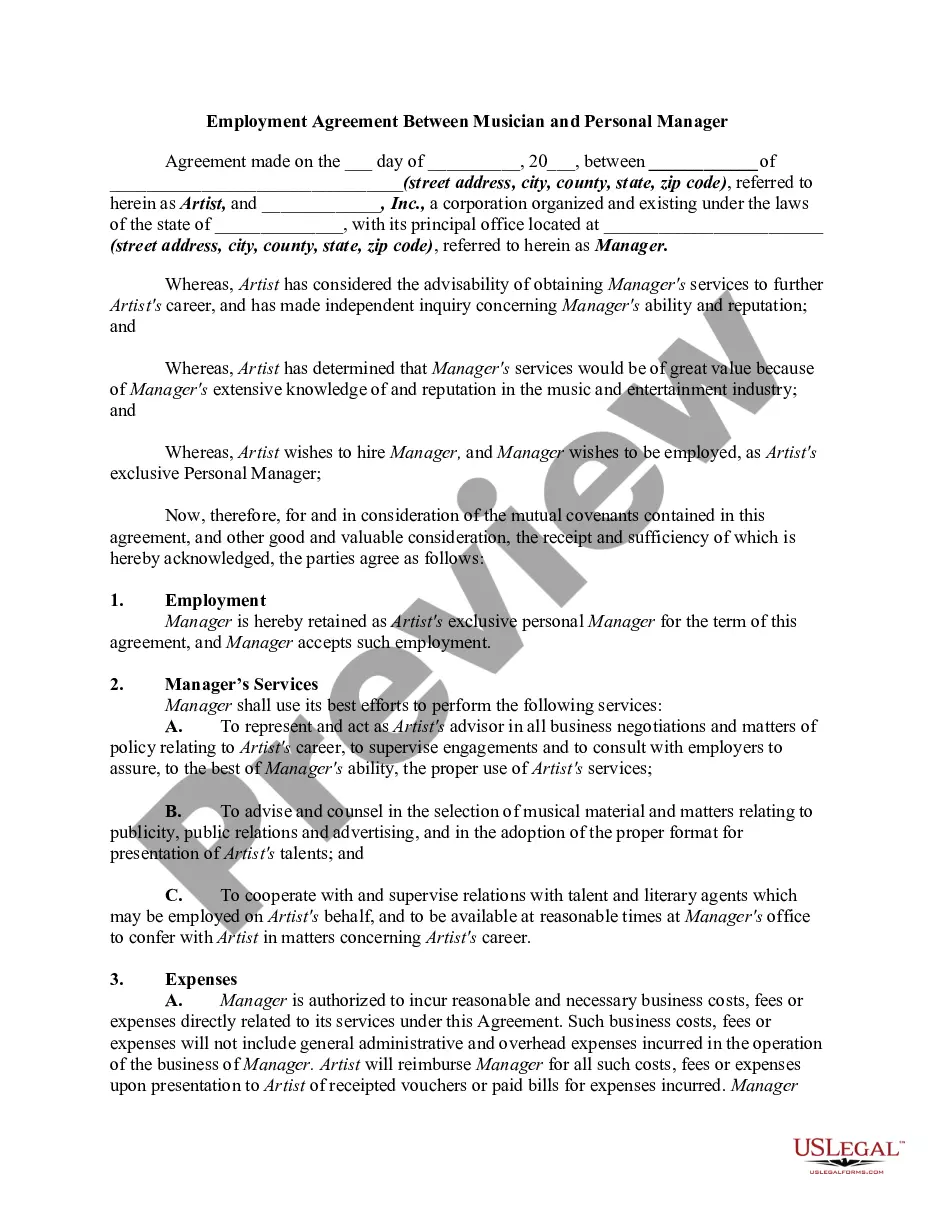
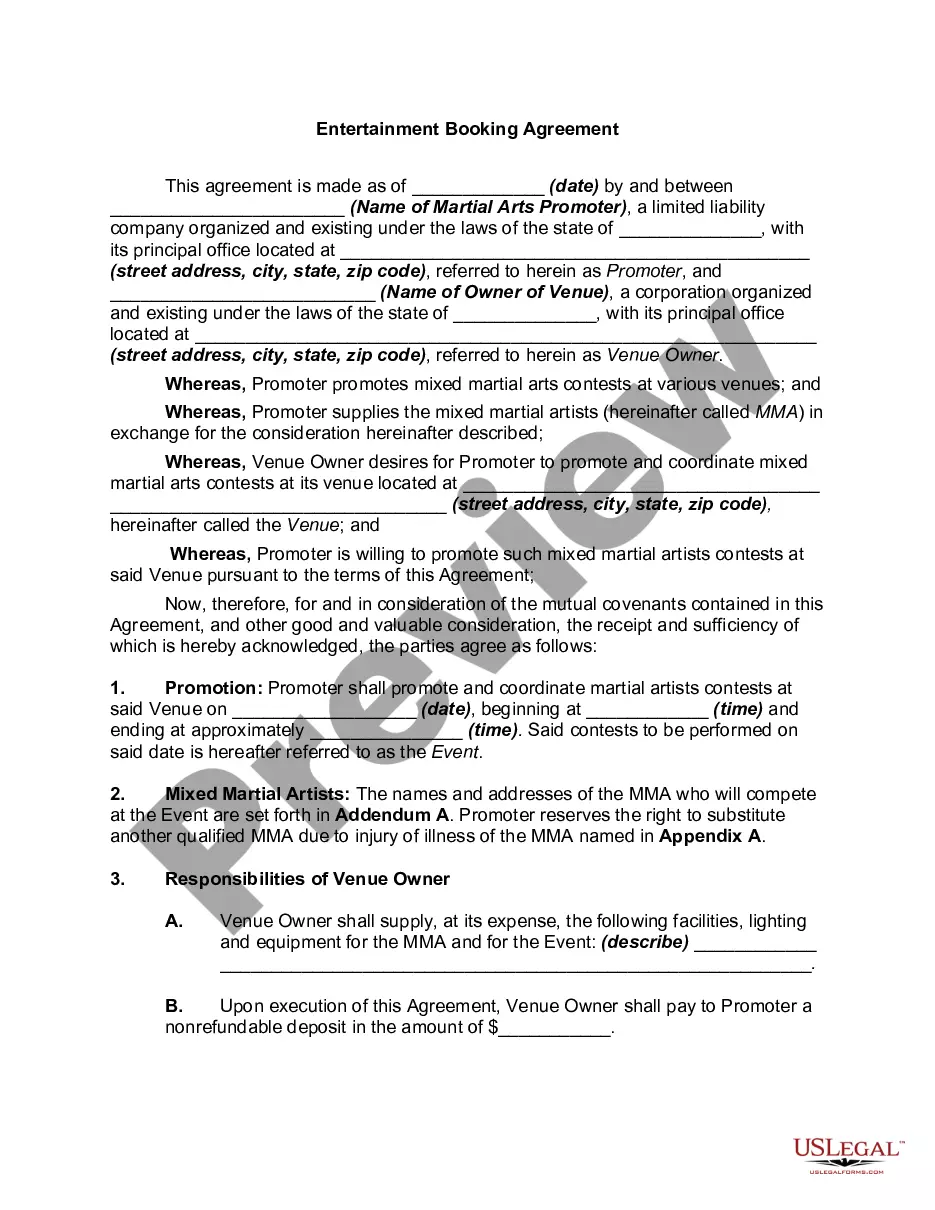
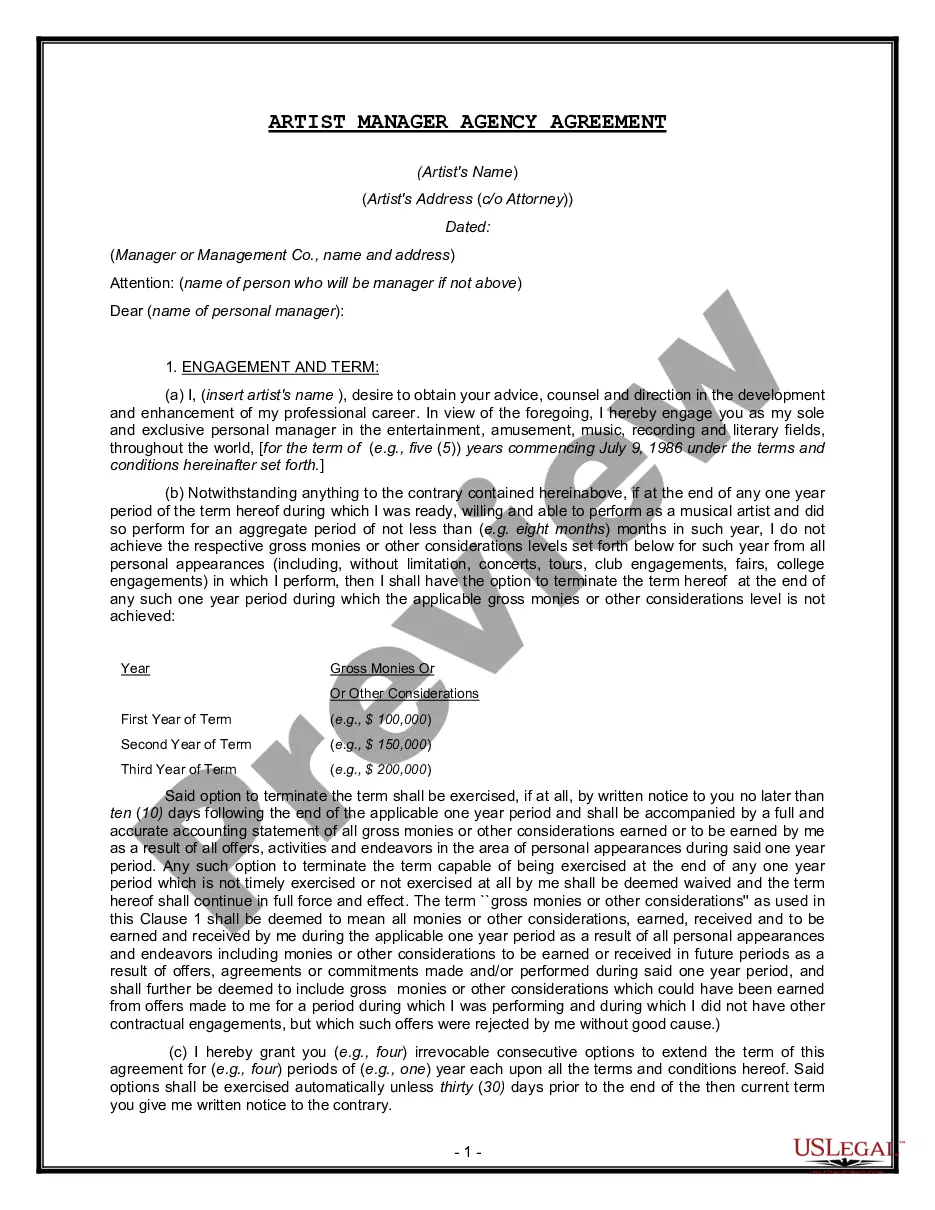
Get your form ready online
Our built-in tools help you complete, sign, share, and store your documents in one place.
Make edits, fill in missing information, and update formatting in US Legal Forms—just like you would in MS Word.
Download a copy, print it, send it by email, or mail it via USPS—whatever works best for your next step.
Sign and collect signatures with our SignNow integration. Send to multiple recipients, set reminders, and more. Go Premium to unlock E-Sign.
If this form requires notarization, complete it online through a secure video call—no need to meet a notary in person or wait for an appointment.
We protect your documents and personal data by following strict security and privacy standards.

Make edits, fill in missing information, and update formatting in US Legal Forms—just like you would in MS Word.

Download a copy, print it, send it by email, or mail it via USPS—whatever works best for your next step.

Sign and collect signatures with our SignNow integration. Send to multiple recipients, set reminders, and more. Go Premium to unlock E-Sign.

If this form requires notarization, complete it online through a secure video call—no need to meet a notary in person or wait for an appointment.

We protect your documents and personal data by following strict security and privacy standards.
Looking for another form?







Form popularity
FAQ
6 contract management best practices Centralize and standardize agreements. Drafting contracts from scratch slows down contract creation. Set sensible key performance indicators (KPIs) ... Tracking obligations. Team collaboration and visibility. Automate communications.
Procurement acquires the resources your organization needs, while contract management builds and sustains a healthy and collaborative relationship with your supplier throughout the term of your contract.
How to implement contract management activities Step 1: Transition activities, if any. Step 2: Review the draft contract management plan. Step 3: Review the contract's budget. Step 4: Resources to support contract management. Step 5: Finalise and implement the contract management plan.
Contract Management Best Practices in Procurement Establish clear contract objectives. Conduct thorough supplier evaluations and selection. Maintain open and transparent communication. Regularly monitor supplier performance against KPIs and SLAs.
A: The role of a contract manager in procurement is to oversee and manage the contractual agreements between the organisation and its suppliers. They ensure compliance, mitigate risks and monitor the performance and fulfilment of contractual obligations.
Exploring the key stages of the contract management lifecycle Stage 1: Contract Initiation. Stage 2: Contract Creation and Negotiation. Stage 3: Contract Approval. Stage 4: Contract Execution. Stage 5: Contract Monitoring and Management. Stage 6: Contract Renewal or Termination.
Procurement acquires the resources your organization needs, while contract management builds and sustains a healthy and collaborative relationship with your supplier throughout the term of your contract.
Signed contracts are typically more detailed and are used when the procurement is more complex, involves a longer-term relationship, involves substantial risk (including financial, legal, reputational, etc.), is required to fully define the requirements or relationship, and in some cases when the supplier will not ...
