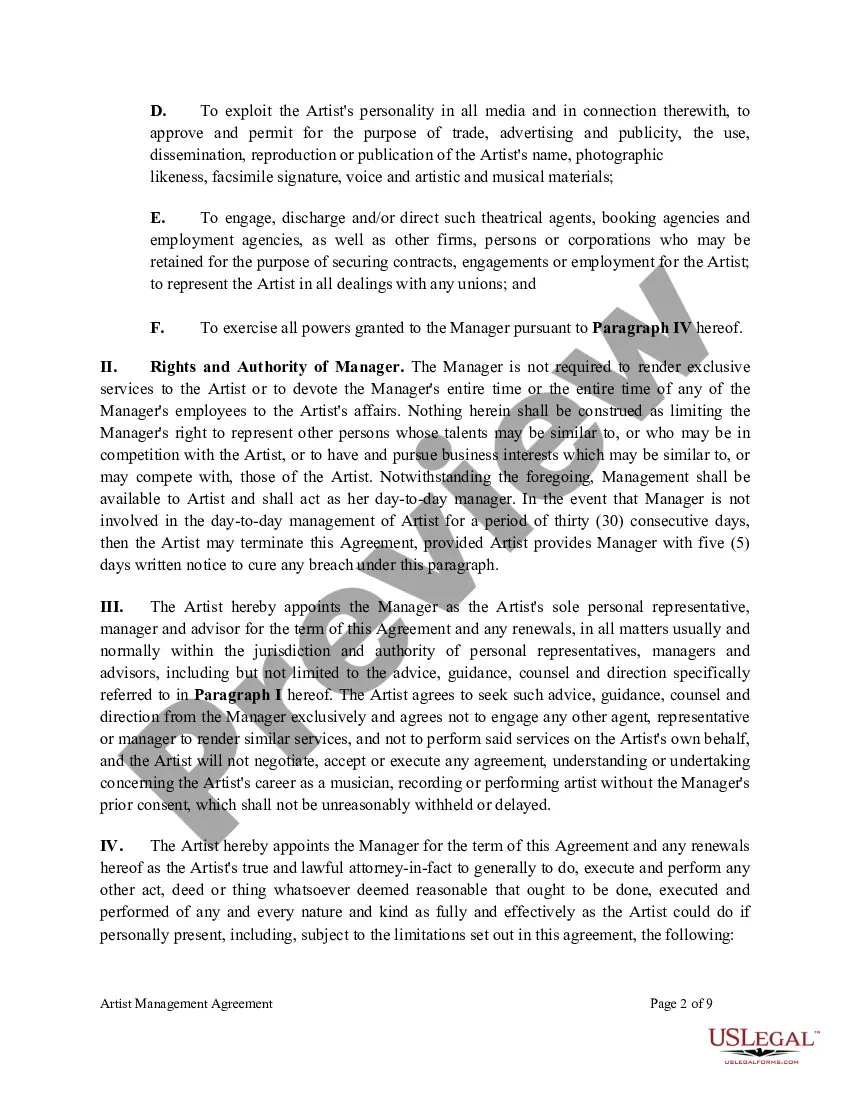
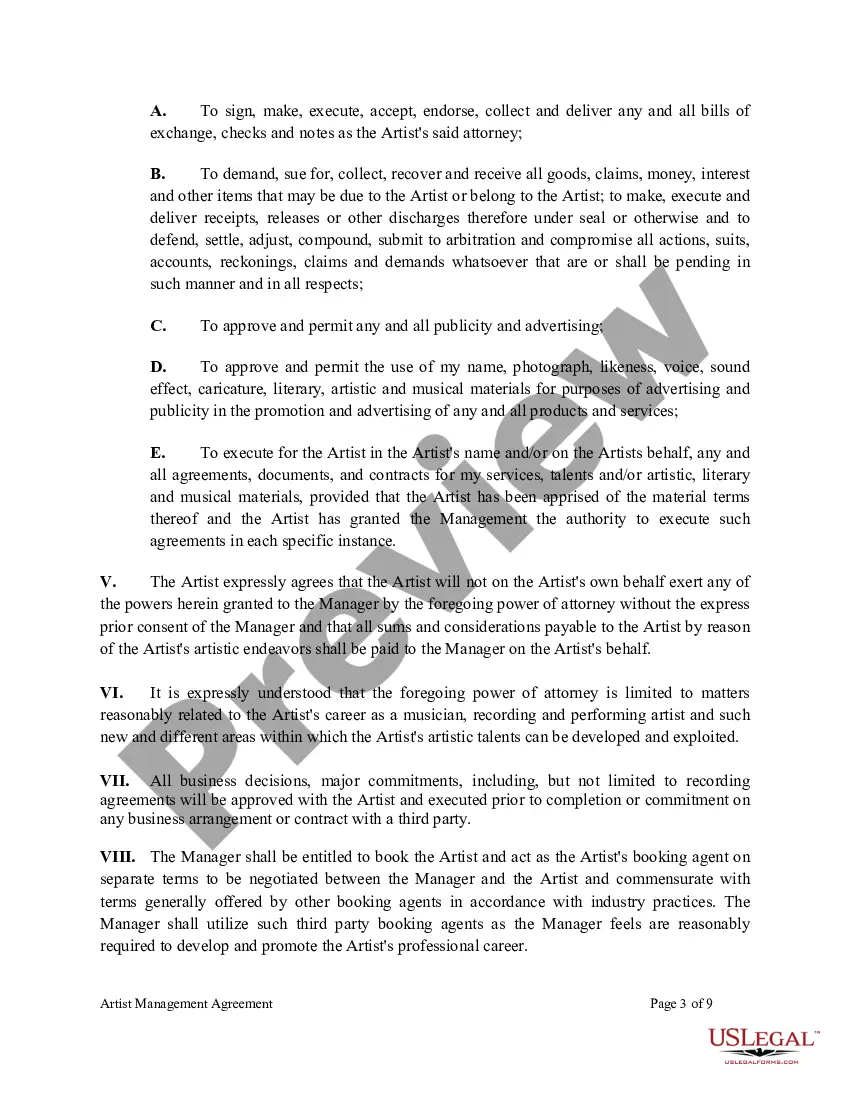
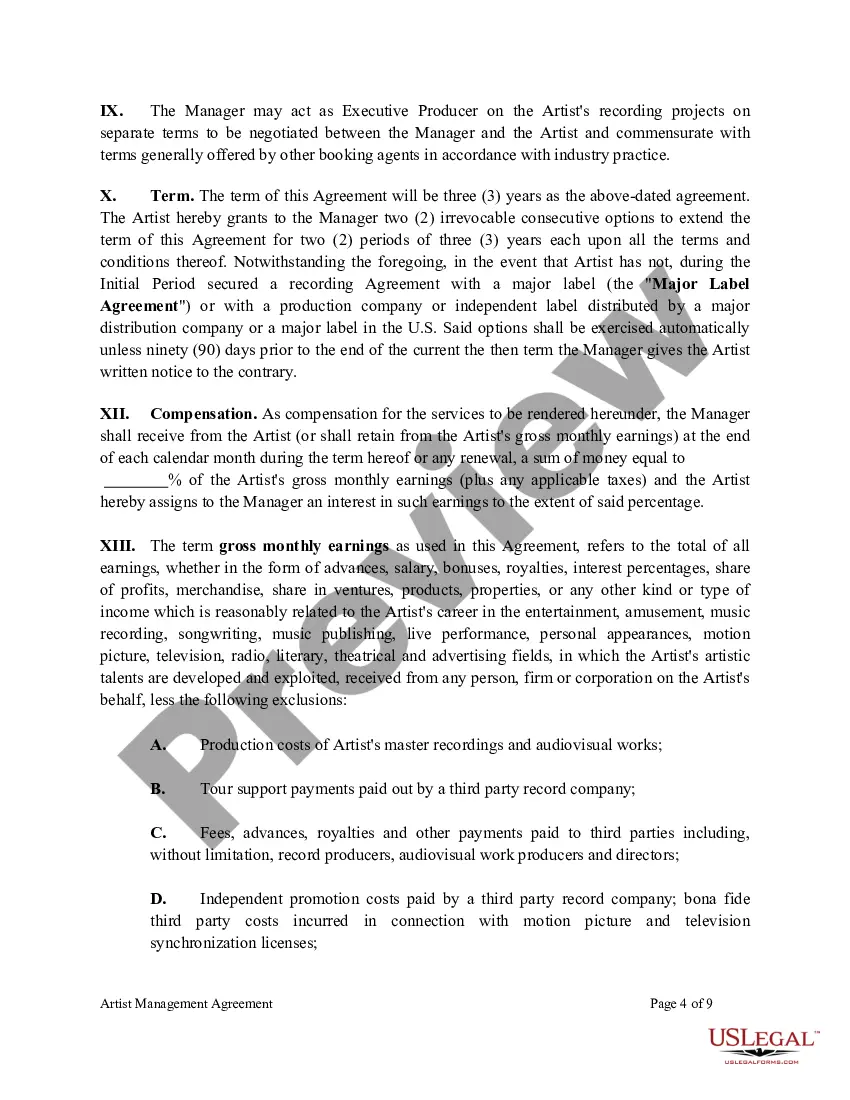
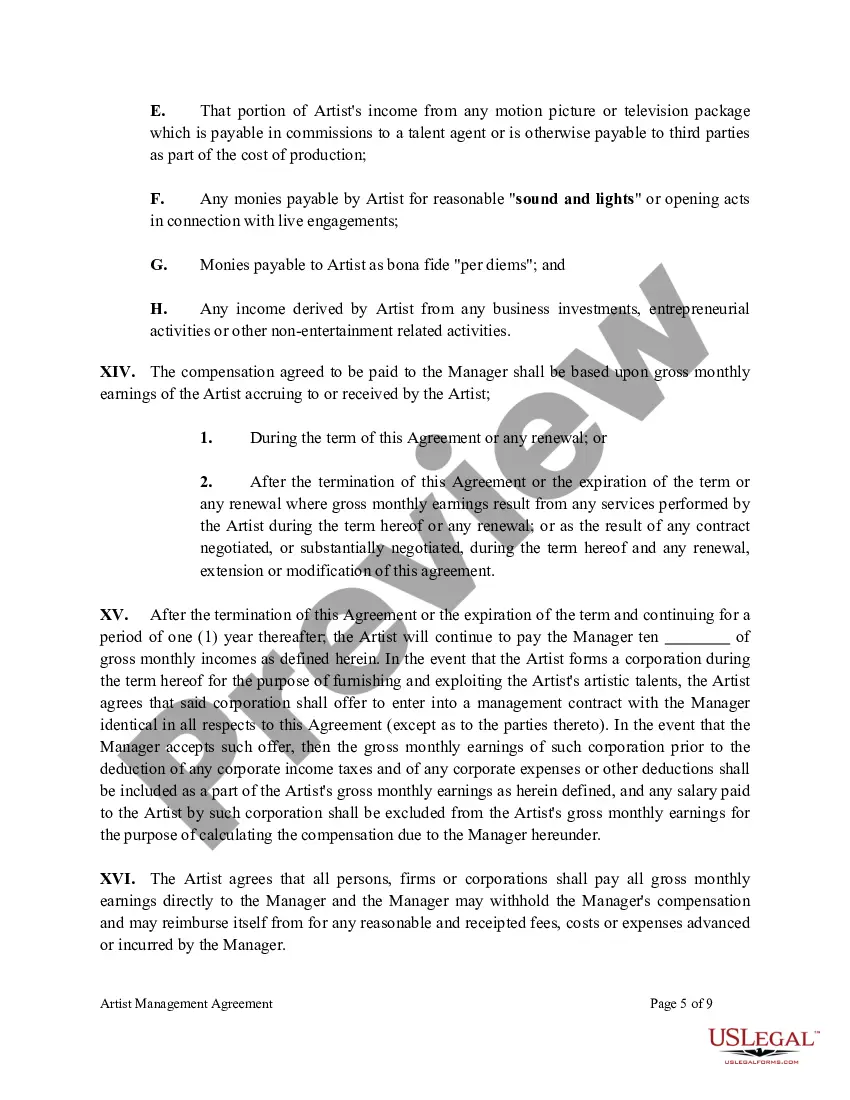
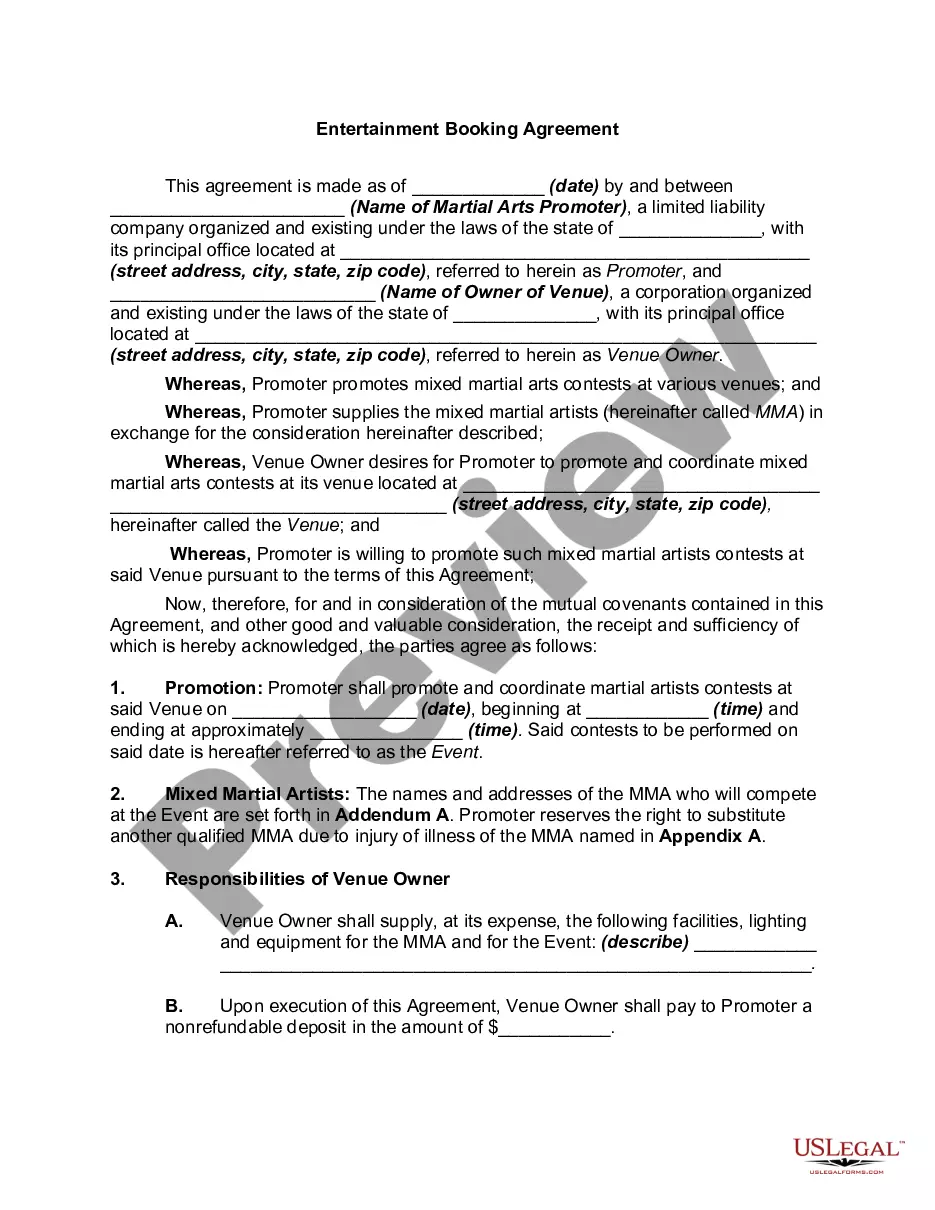
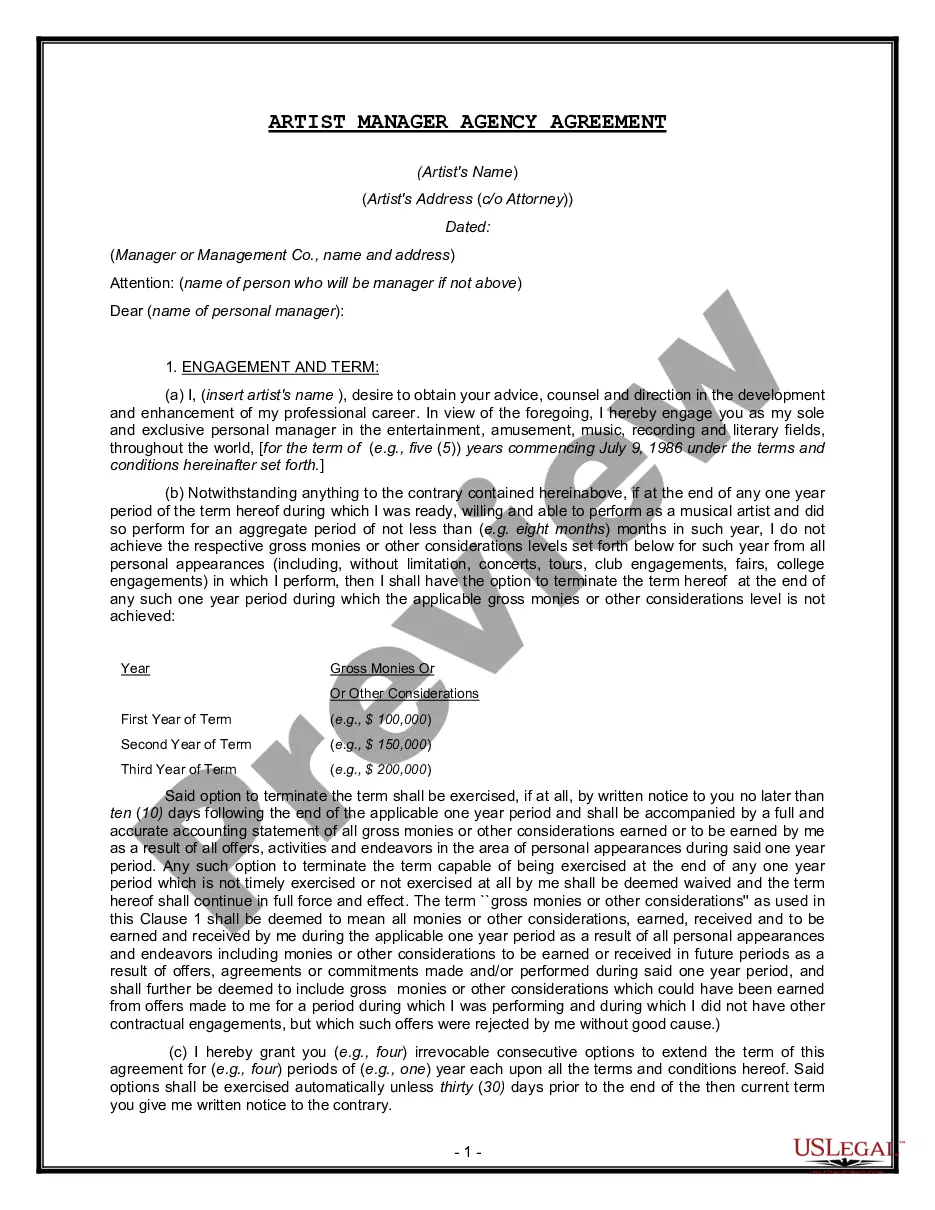
Sample Management Contract With Witness Signature In Palm Beach
Description

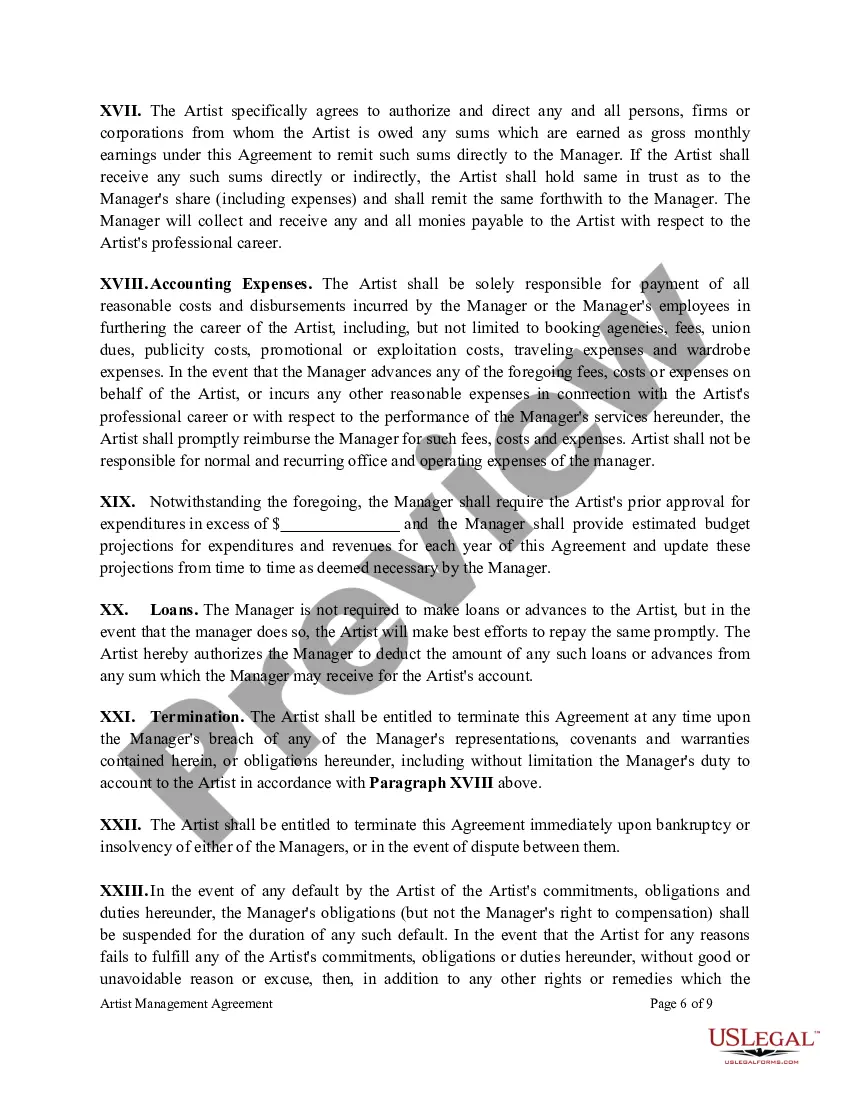
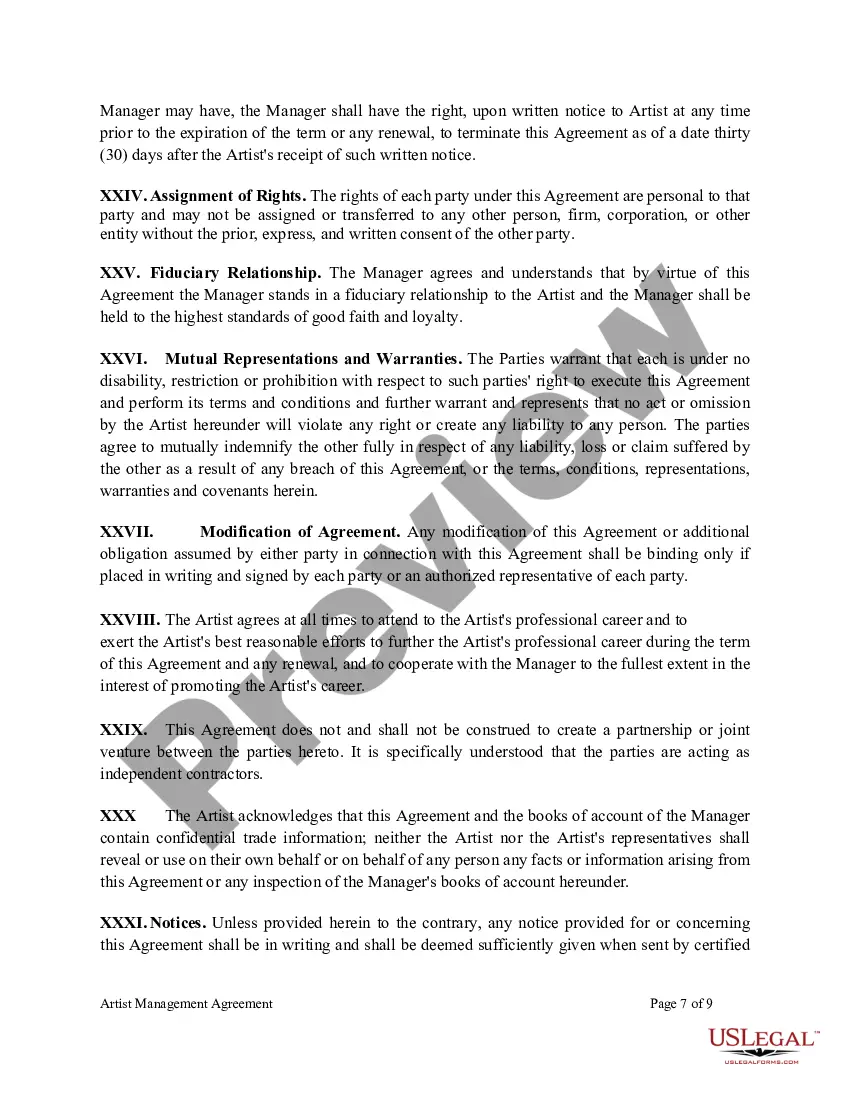
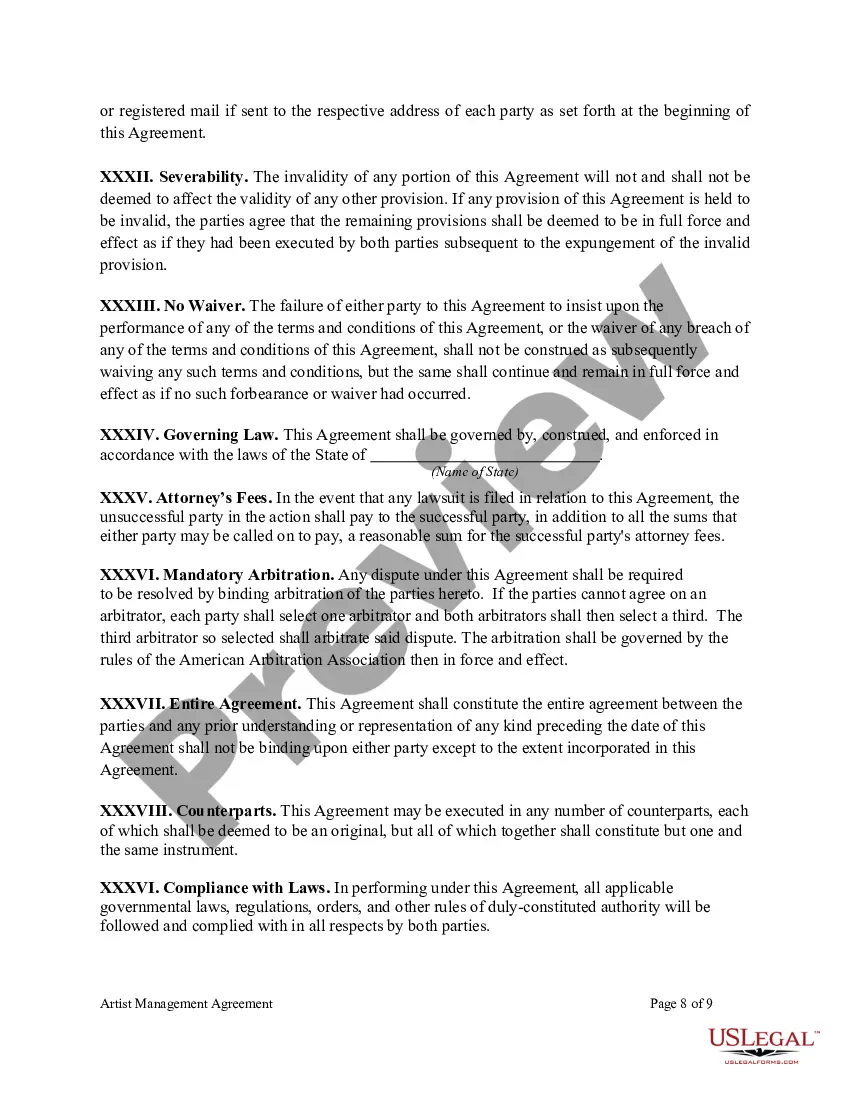

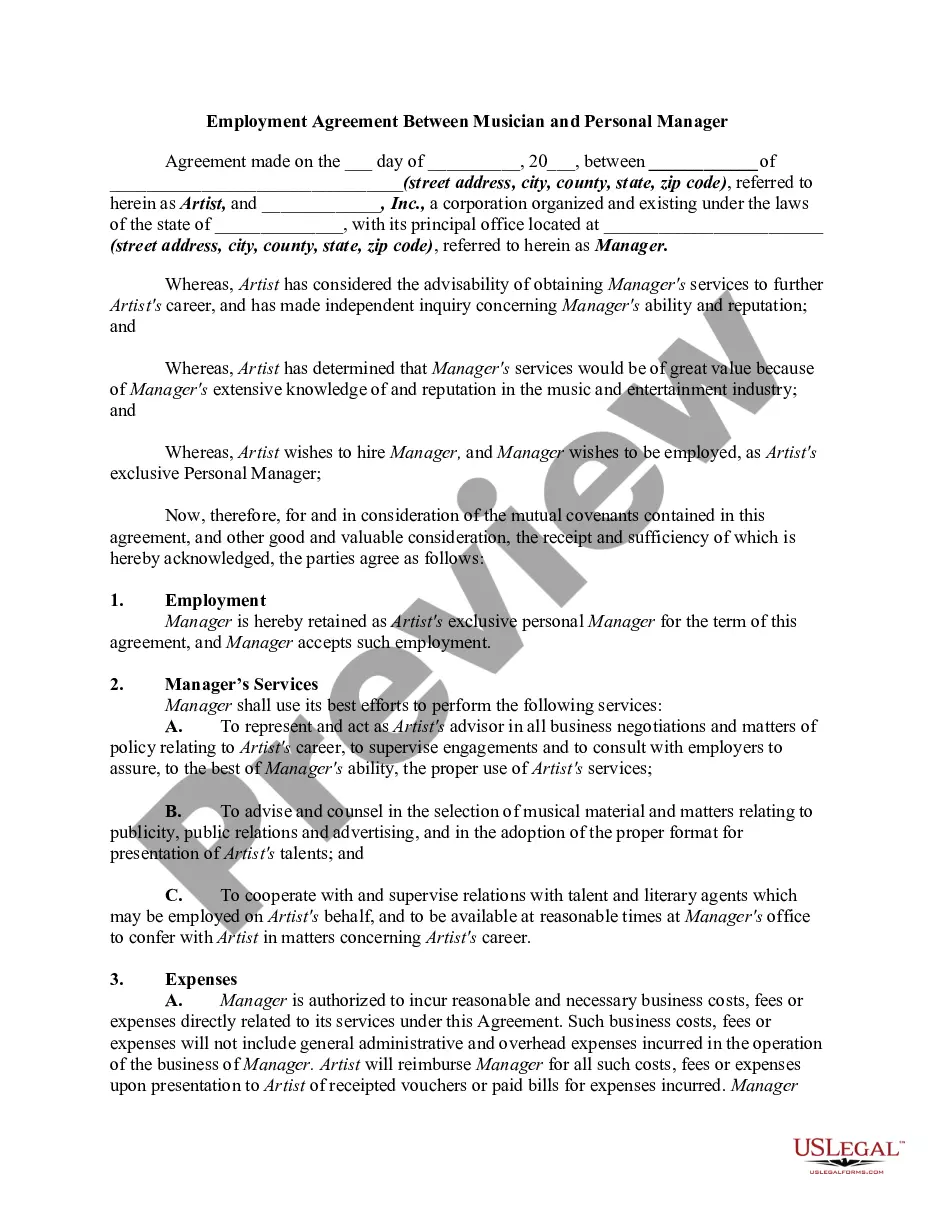
Get your form ready online
Our built-in tools help you complete, sign, share, and store your documents in one place.
Make edits, fill in missing information, and update formatting in US Legal Forms—just like you would in MS Word.
Download a copy, print it, send it by email, or mail it via USPS—whatever works best for your next step.
Sign and collect signatures with our SignNow integration. Send to multiple recipients, set reminders, and more. Go Premium to unlock E-Sign.
If this form requires notarization, complete it online through a secure video call—no need to meet a notary in person or wait for an appointment.
We protect your documents and personal data by following strict security and privacy standards.

Make edits, fill in missing information, and update formatting in US Legal Forms—just like you would in MS Word.

Download a copy, print it, send it by email, or mail it via USPS—whatever works best for your next step.

Sign and collect signatures with our SignNow integration. Send to multiple recipients, set reminders, and more. Go Premium to unlock E-Sign.

If this form requires notarization, complete it online through a secure video call—no need to meet a notary in person or wait for an appointment.

We protect your documents and personal data by following strict security and privacy standards.
Looking for another form?






Form popularity
FAQ
Some contracts must be witnessed The witness must be an “officer” as defined under the law, which includes a lawyer, notary public, judge, and some other professional categories. The witness must be present when the party whose signature is to be witnessed is signing the contract.
A witness signature verifies the authenticity of a document and fulfills legal requirements. These are widely used in financial institutions and play an essential part in completing any contractual binding. This act ensures that the party going into the contract or agreement is authentic and identified by the witness.
A witness is a neutral third party who watches the parties sign their legal document. They're brought in to confirm the identities of all the signers and that no forgery occurred. After that, they sign the document too. Your witness must be at least 18 years old and of sound mind when witnessing a document's execution.
Notary2Pro encourages you to check state rules and regulations regarding who cannot be a witness. However, unless your state's notary laws clearly state otherwise, close family members should not serve as witnesses to any legal document, even if the family member's name does not appear in said documents.
The signer of the document is merely signing the document, not swearing or affirming that the contents of the document are true. Witnessing or attesting a signature example: Signed (or attested) before me on (date) by (name(s) of individual(s)).
Suitable witnesses may be friends, neighbours, colleagues or independent legal professionals such as solicitors or notaries. The witness must be physically present to ensure the signatures have been made by the appropriate parties, and that everyone involved has read and understood the terms and conditions.
The UPS Store locations offer notary services to help make life easier.
Key Takeaways Where you need a witness, you must be over 18 years of age and not stand to benefit from the business deal. Witnessing requirements are in place to limit future disputes over whether you actually signed the document.
The short answer is No – a witness does not need to sign But, there are some exceptions and things to consider. Most documents do not need witnesses to sign them. Most agreements do not even need to be signed by the parties agreeing. Most agreements do not even need to be in writing.
Verbal Contracts: No Signature Required If you make an agreement with someone that has all the elements of a contract (offer, acceptance, consideration, and intention), you are both competent to do so, and the contract is for less than $500, you often do not need a written contract.
