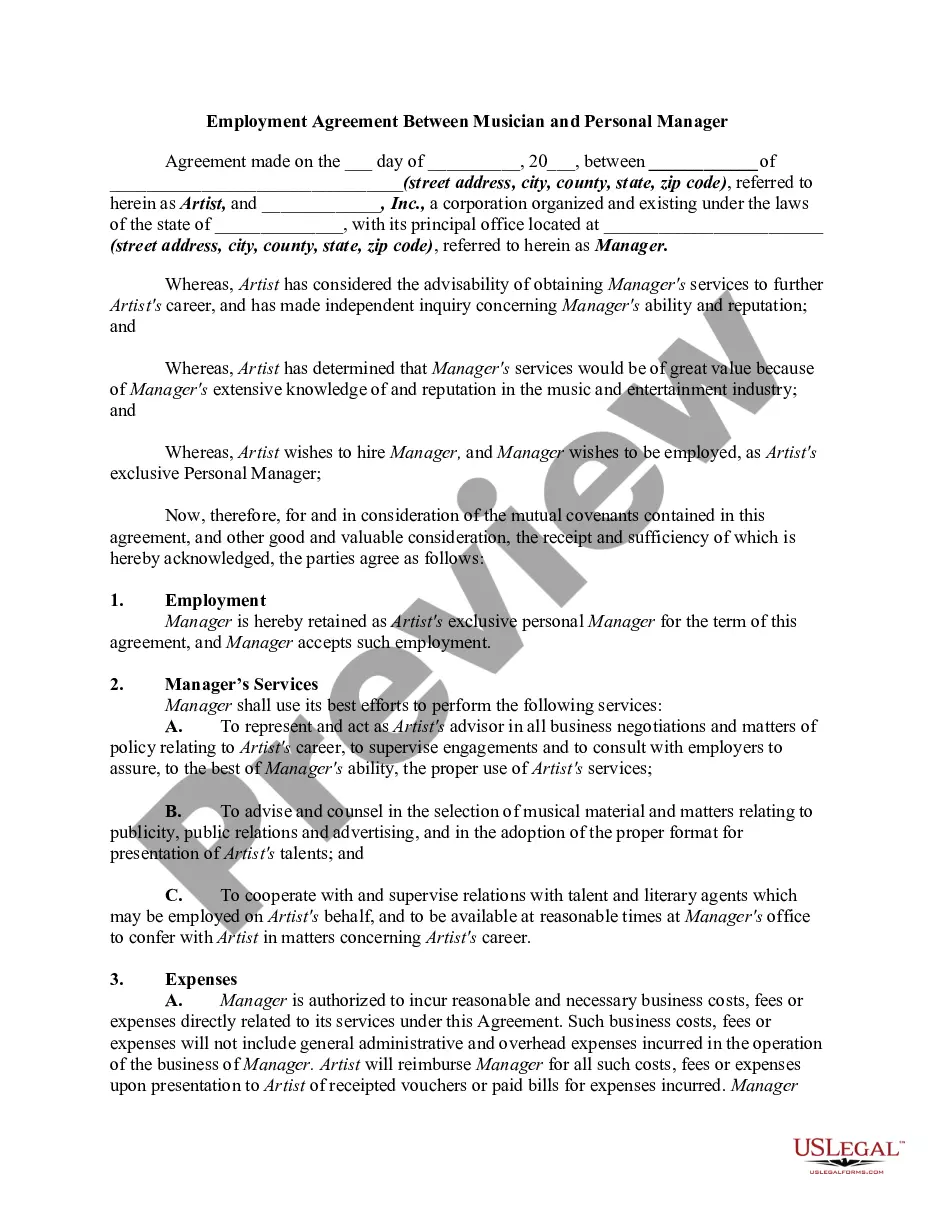
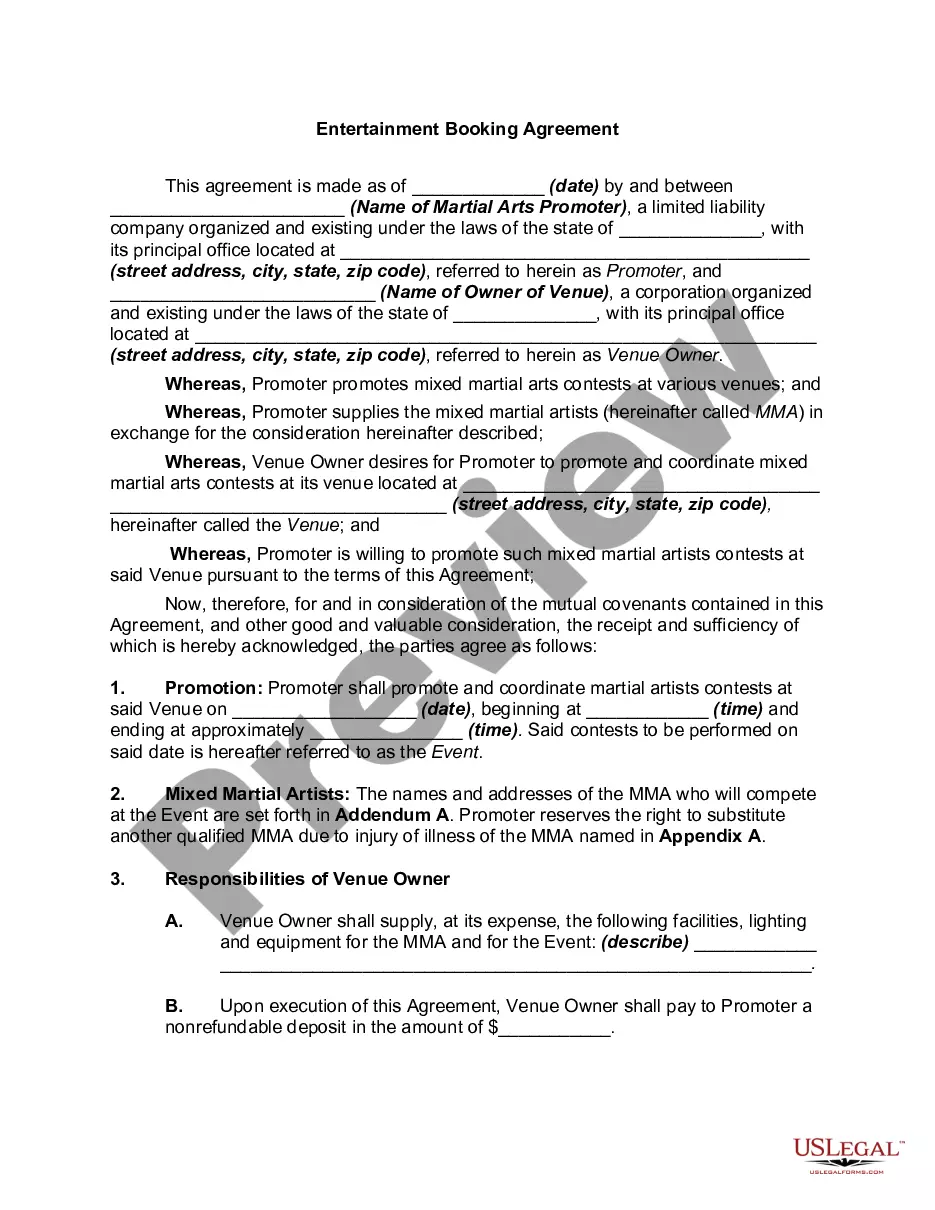
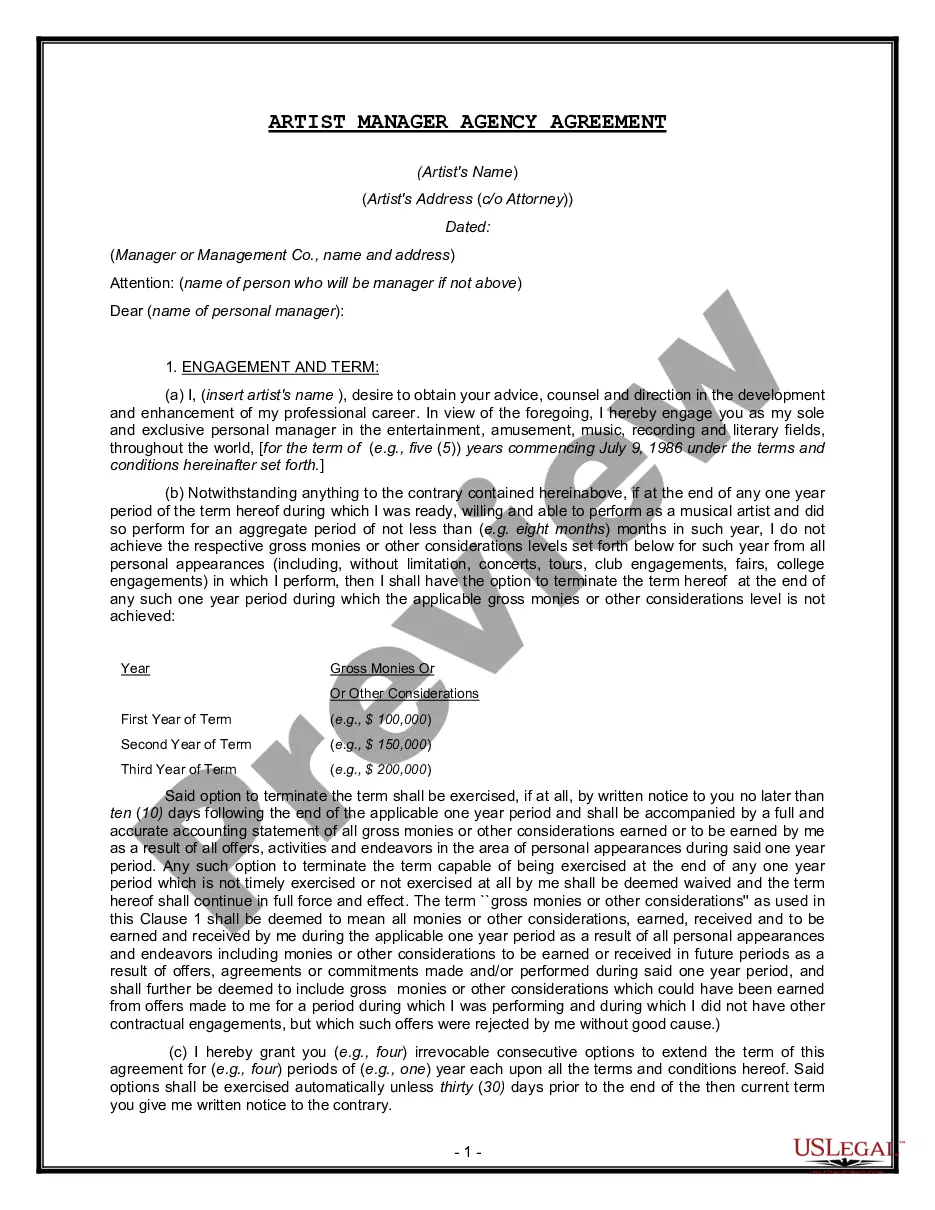
Sample Management Contract With Penalty Clause Philippines In Orange
Description

Get your form ready online
Our built-in tools help you complete, sign, share, and store your documents in one place.
Make edits, fill in missing information, and update formatting in US Legal Forms—just like you would in MS Word.
Download a copy, print it, send it by email, or mail it via USPS—whatever works best for your next step.
Sign and collect signatures with our SignNow integration. Send to multiple recipients, set reminders, and more. Go Premium to unlock E-Sign.
If this form requires notarization, complete it online through a secure video call—no need to meet a notary in person or wait for an appointment.
We protect your documents and personal data by following strict security and privacy standards.

Make edits, fill in missing information, and update formatting in US Legal Forms—just like you would in MS Word.

Download a copy, print it, send it by email, or mail it via USPS—whatever works best for your next step.

Sign and collect signatures with our SignNow integration. Send to multiple recipients, set reminders, and more. Go Premium to unlock E-Sign.

If this form requires notarization, complete it online through a secure video call—no need to meet a notary in person or wait for an appointment.

We protect your documents and personal data by following strict security and privacy standards.
Looking for another form?








Form popularity
FAQ
Contract clauses which have the effect of placing the non-breaching party in a better position than if the contract were fully performed are presumptively unenforceable because they amount to penalties; the goal of enforcing contracts is not to penalize, but to prevent loss to the non-breaching party.
Penalty clauses serve a vital purpose in contracts. They help ensure that both parties take their obligations seriously and fulfill their promises. They also act as motivators for everyone involved to stick to their commitments and deliver their best, lest they incur a breach of contract penalty.
For example, you cannot exclude liability for: death or personal injury as a result of your own negligence, as per the Unfair Contract Terms Act (UCTA); damages as a result of your own fraud or dishonesty; faulty items, as per the Consumer Rights Act 2015; and.
A penalty clause is a provision in a contract that imposes a monetary or other punishment on a party for failing to fulfill specific terms of the agreement. These clauses are typically designed to deter breach of contract and to encourage parties to perform their obligations as agreed.
Illegal subject matter If the subject matter is illegal, the contract will not be valid. All terms of your contract must not contravene any federal or state law. If the formation or performance of the contract will require a party to break the law, the contract is invalid.
However, the fine for breach of contract must not exceed the maximum amount allowed by law, i.e. 8% of the value of the breached contractual obligation portion (for commercial contracts, Article 301 of the Commercial Law) or 12% of the value of the breached contractual portion (for construction contracts, Article 146 ...
Specific Penalty Amounts: Specify the exact monetary penalty that will be imposed for each failure to meet an obligation or deadline. Conditions for Imposition: Detail the conditions under which the penalty will be imposed, including how the breach or delay will be determined.
(2) The Contractual Penalty shall in any case be credited against any damage claims the Company may raise vis-à-vis the Consultant in connection with a breach of the Consultant's duties under the Consultancy Contract.
