Management Agreement For Llc In Ohio
Description

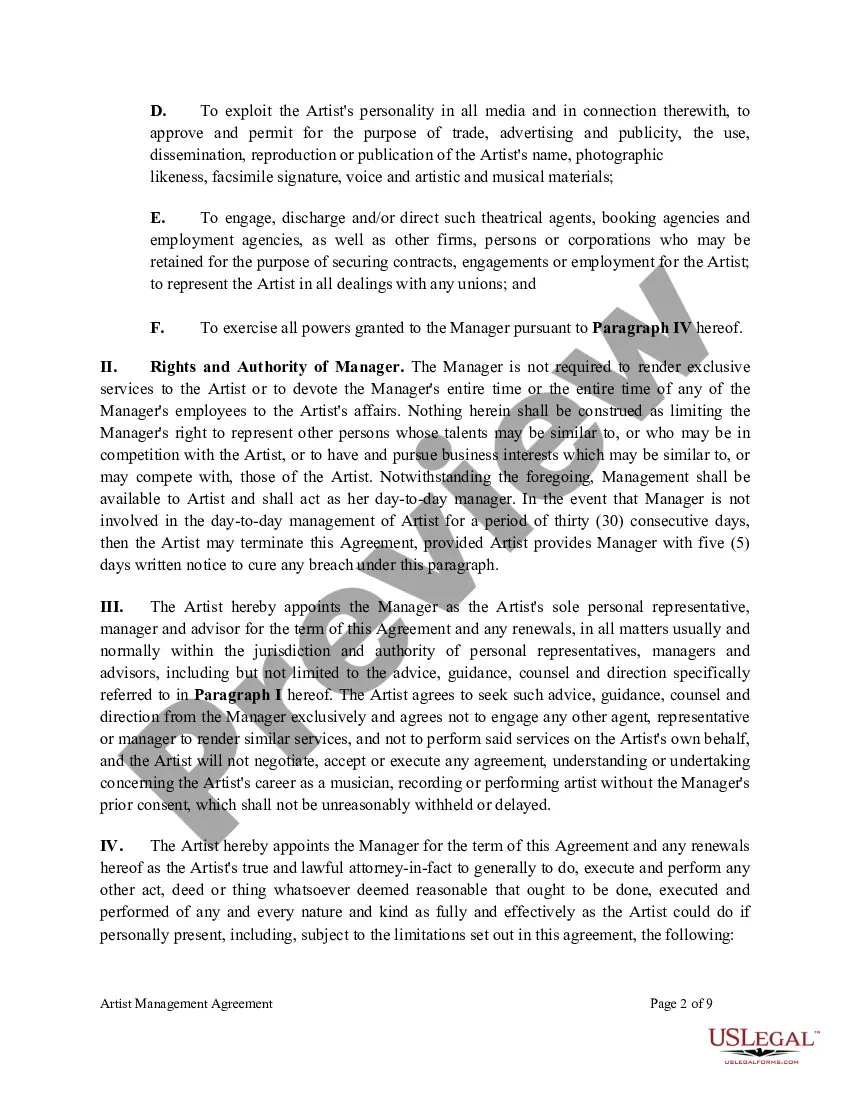
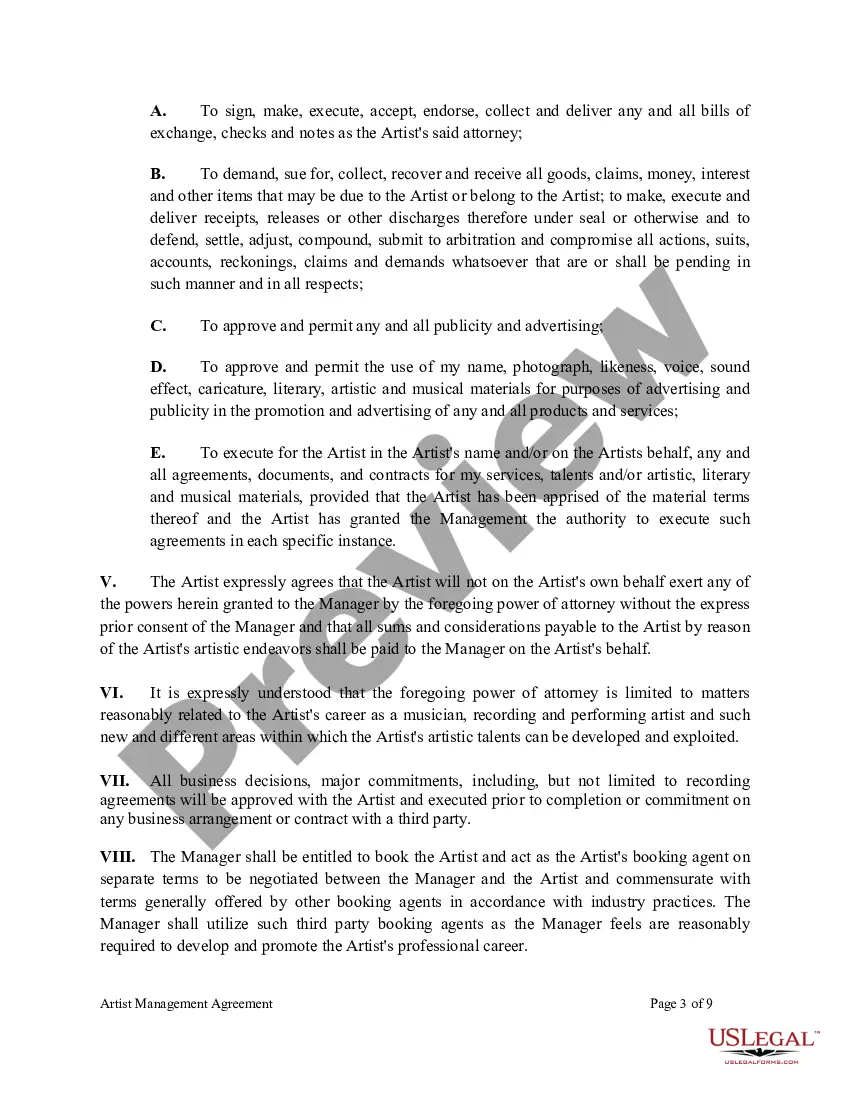
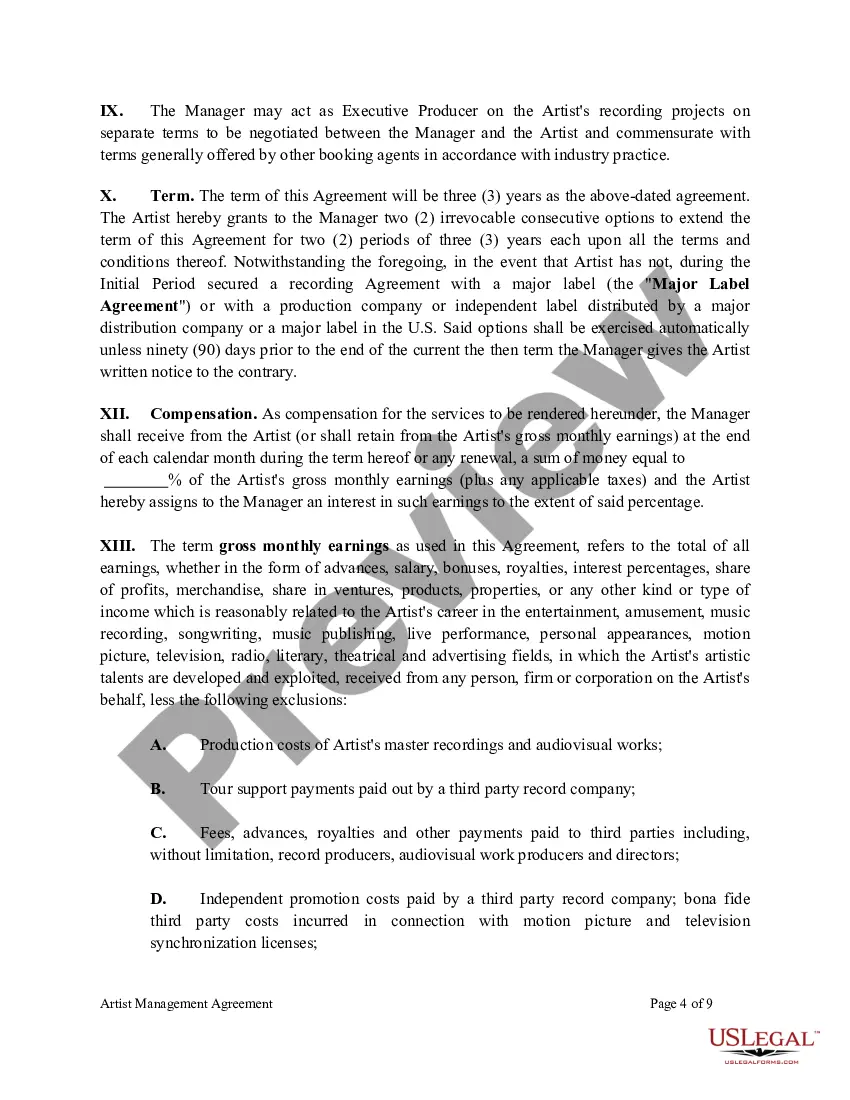
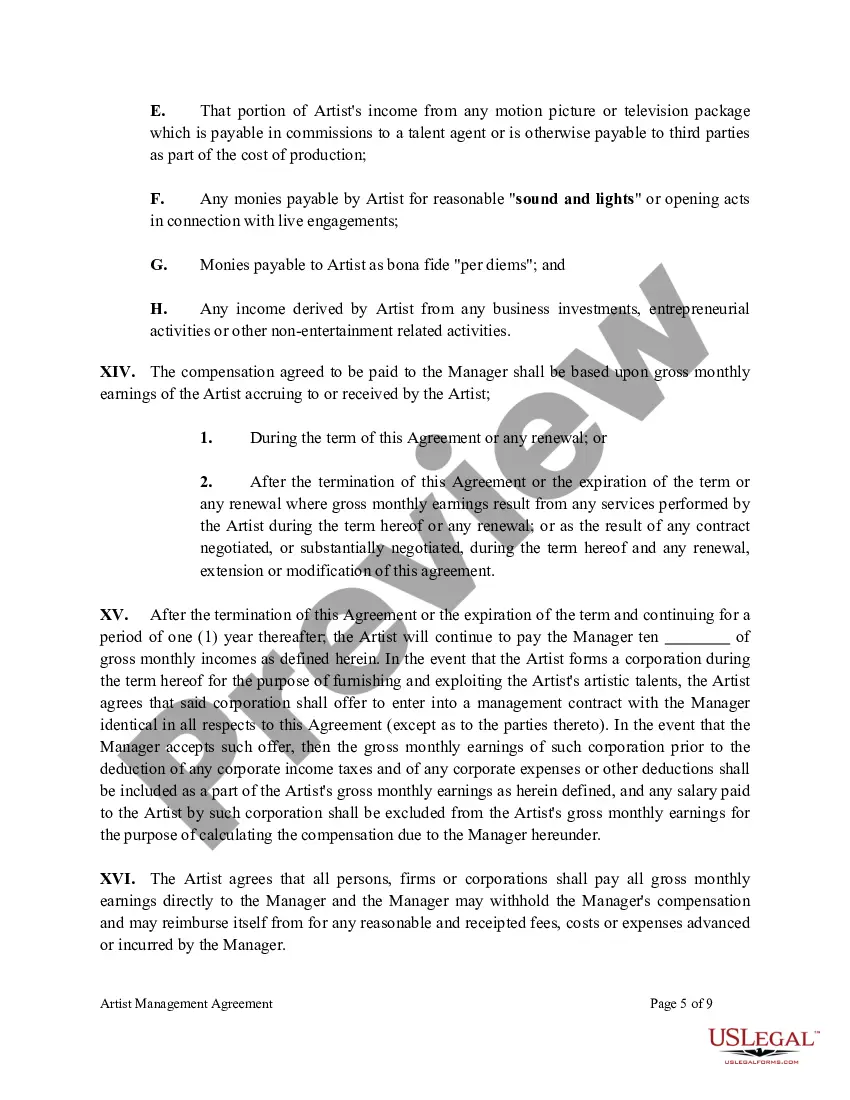
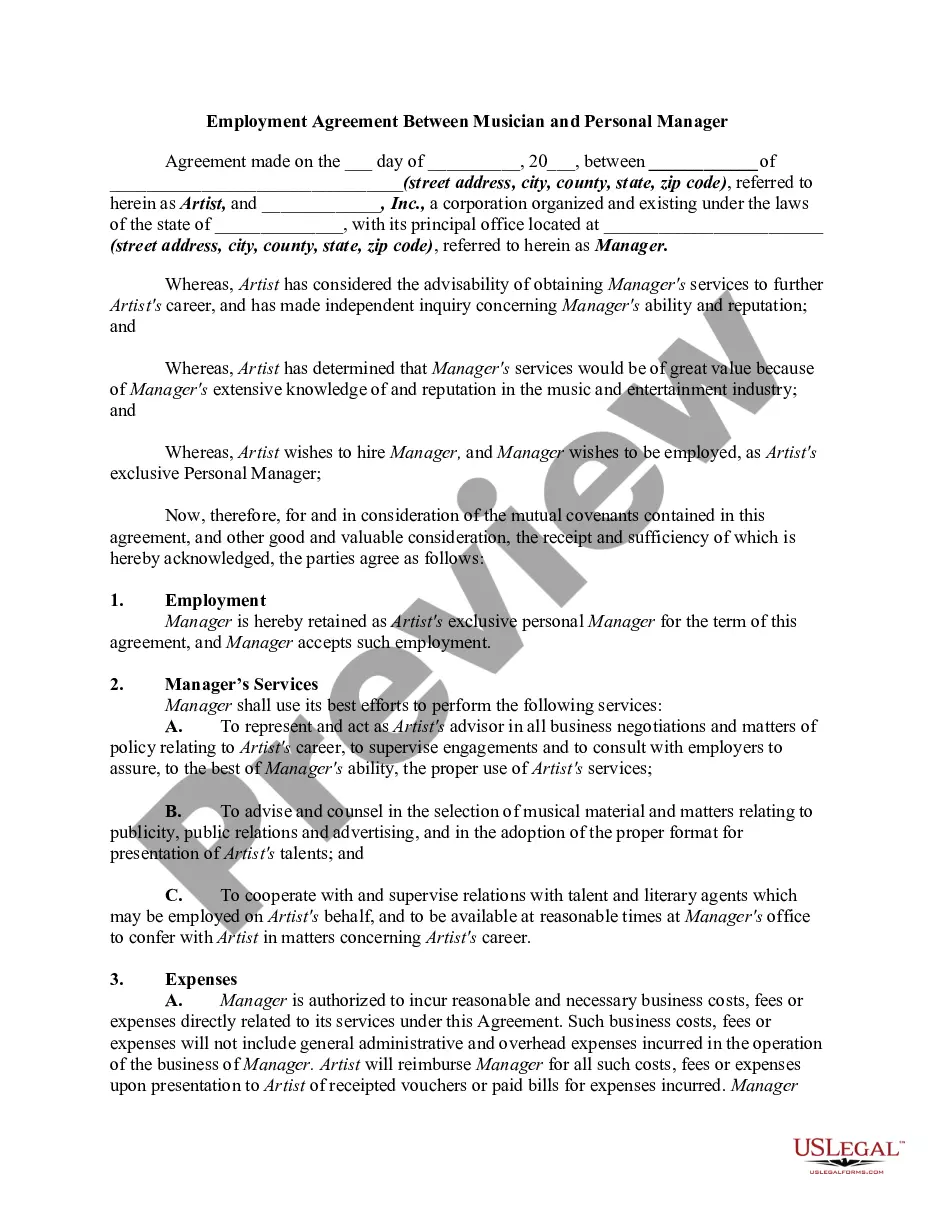
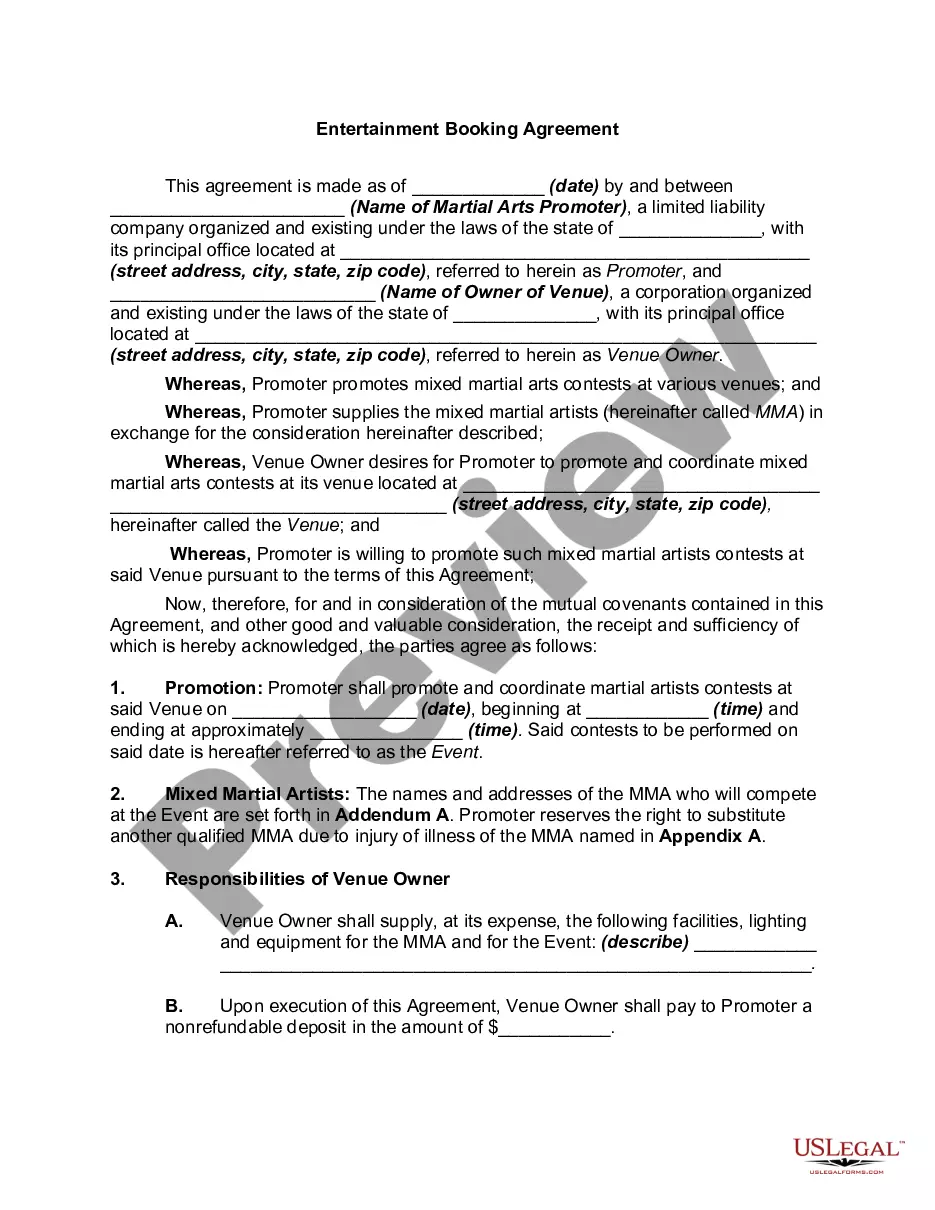
Get your form ready online
Our built-in tools help you complete, sign, share, and store your documents in one place.
Make edits, fill in missing information, and update formatting in US Legal Forms—just like you would in MS Word.
Download a copy, print it, send it by email, or mail it via USPS—whatever works best for your next step.
Sign and collect signatures with our SignNow integration. Send to multiple recipients, set reminders, and more. Go Premium to unlock E-Sign.
If this form requires notarization, complete it online through a secure video call—no need to meet a notary in person or wait for an appointment.
We protect your documents and personal data by following strict security and privacy standards.

Make edits, fill in missing information, and update formatting in US Legal Forms—just like you would in MS Word.

Download a copy, print it, send it by email, or mail it via USPS—whatever works best for your next step.

Sign and collect signatures with our SignNow integration. Send to multiple recipients, set reminders, and more. Go Premium to unlock E-Sign.

If this form requires notarization, complete it online through a secure video call—no need to meet a notary in person or wait for an appointment.

We protect your documents and personal data by following strict security and privacy standards.
Looking for another form?








Form popularity
FAQ
Common Mistakes to Avoid in Your LLC Operating Agreement Overlooking the Need for an Operating Agreement. Vague or Incomplete Agreements. Failing to Plan for Disputes and Dissolution. Ignoring State-Specific Requirements. Inconsistency with Other Business Documents. Not Updating the Agreement. DIY without Professional Advice.
Once you (and the other LLC Members, if applicable) sign the Operating Agreement, then it becomes a legal document. Can I write my own Operating Agreement? Yes, but we recommend using an Operating Agreement template. An Operating Agreement is a legal document.
And while most states do not require LLCs to have a written operating agreement, having the agreement in writing can reduce uncertainties and is generally recommended.
If you're forming—or have formed—an LLC in California, New York, Missouri, Maine, or Delaware, state laws require you to create an LLC Operating Agreement. But no matter what state you're in, it's always a good idea to create a formal agreement between LLC members.
No, LLCs in Ohio aren't required to have an operating agreement. However, operating agreements are necessary for several important business processes, like opening a bank account and maintaining your limited liability status.
How to create an LLC operating agreement in 9 steps Decide between a template or an attorney. Include your business information. List your LLC's members. Choose a management structure. Outline ownership transfers and dissolution. Determine tax structure. Gather LLC members to sign the agreement. Distribute copies.
There are two basic management structures for an LLC: a “Member-Managed LLC” vs. a “Manager-Managed LLC.” Choosing the right one for your business will depend on such factors as the type of business it is, the number of owners, and who you want to make decisions for the business.
Increased Legal Vulnerability: An operating agreement strengthens the LLC's limited liability status, protecting your personal assets from business debts. Without it, there's a higher risk of personal liability for business obligations if the LLC is sued.
In a member-managed LLC, members (owners) are responsible for the LLC's day-to-day operations. In a manager-managed LLC, members appoint or hire a manager or managers to run the business. Whoever manages your LLC will be able to open and close bank accounts, hire and fire employees, enter contracts, and take out loans.
Most people who set up an LLC choose member management where all the members share responsibility for the day-to-day running of the business. This approach is more common in part because most LLCs are small businesses with limited resources that don't need a separate management level to operate.
