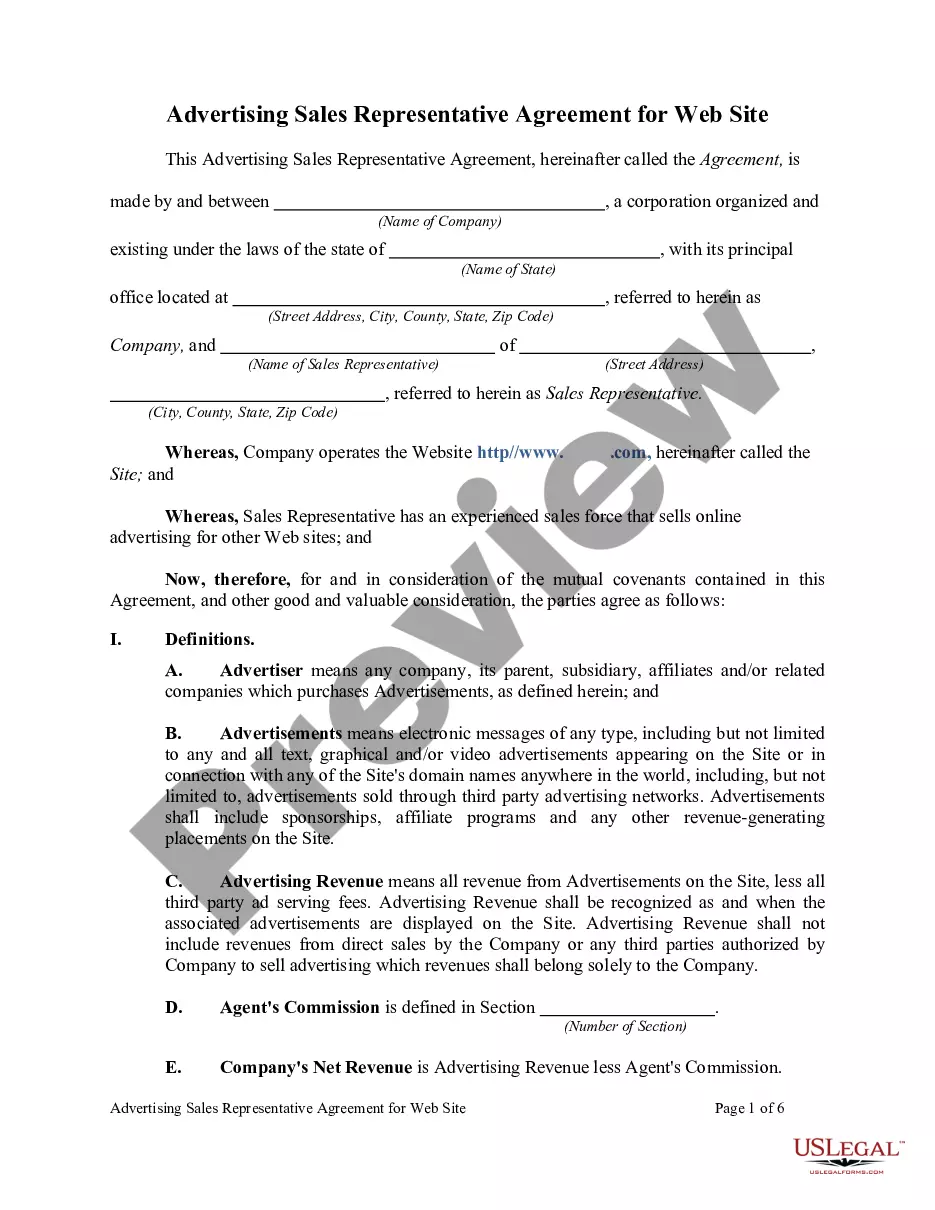
Artist Record Deal Contract In Nevada
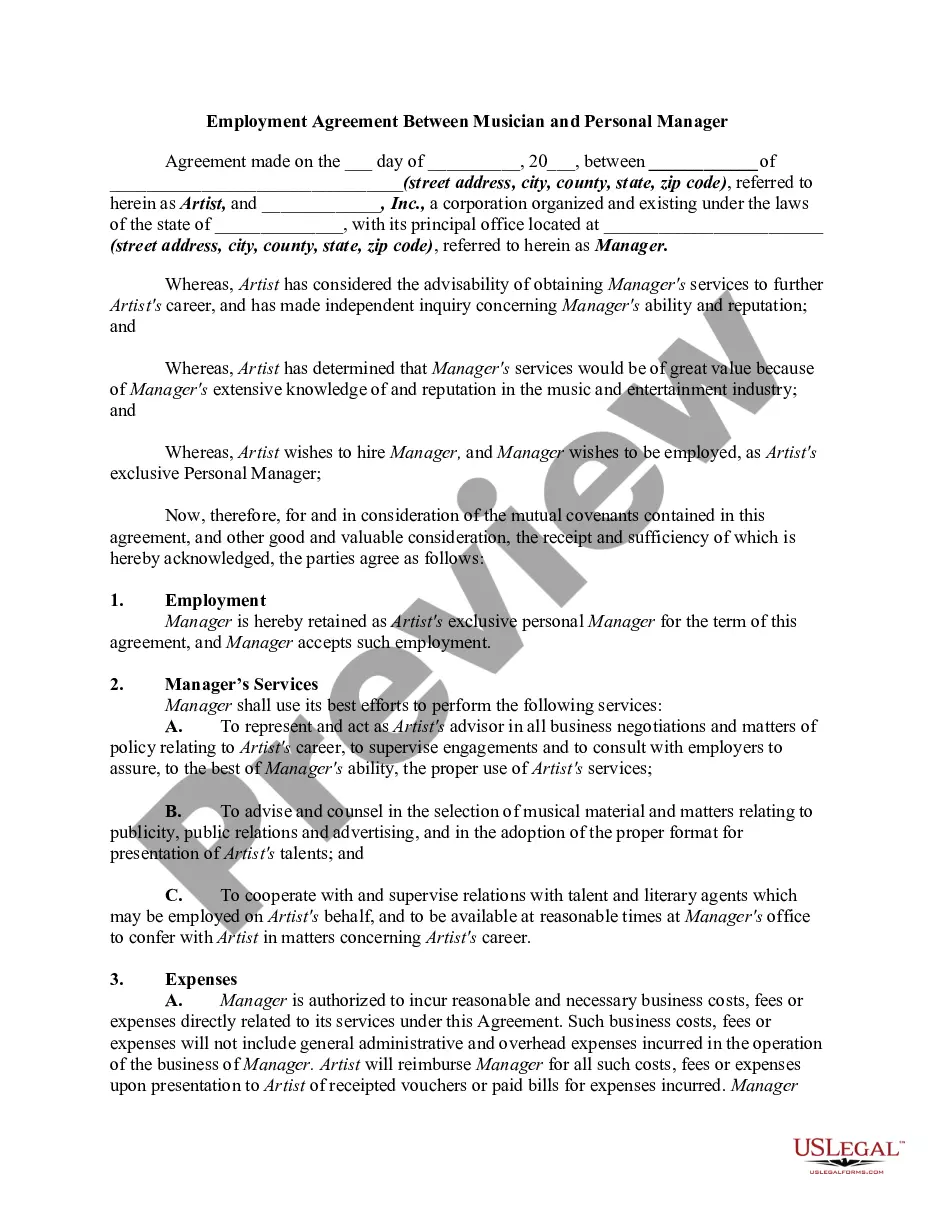
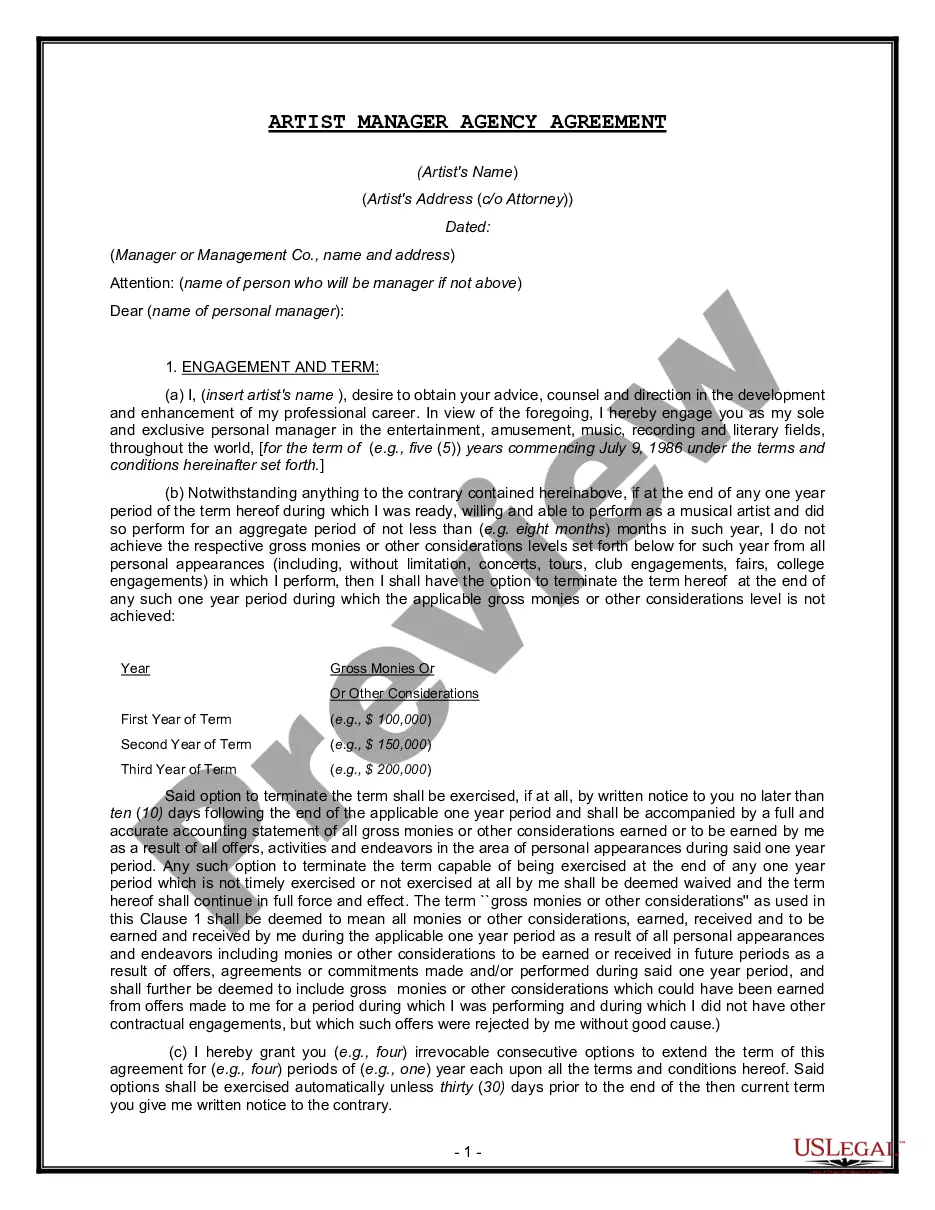
Description


Get your form ready online
Our built-in tools help you complete, sign, share, and store your documents in one place.
Make edits, fill in missing information, and update formatting in US Legal Forms—just like you would in MS Word.
Download a copy, print it, send it by email, or mail it via USPS—whatever works best for your next step.
Sign and collect signatures with our SignNow integration. Send to multiple recipients, set reminders, and more. Go Premium to unlock E-Sign.
If this form requires notarization, complete it online through a secure video call—no need to meet a notary in person or wait for an appointment.
We protect your documents and personal data by following strict security and privacy standards.

Make edits, fill in missing information, and update formatting in US Legal Forms—just like you would in MS Word.

Download a copy, print it, send it by email, or mail it via USPS—whatever works best for your next step.

Sign and collect signatures with our SignNow integration. Send to multiple recipients, set reminders, and more. Go Premium to unlock E-Sign.

If this form requires notarization, complete it online through a secure video call—no need to meet a notary in person or wait for an appointment.

We protect your documents and personal data by following strict security and privacy standards.
Looking for another form?








Form popularity
FAQ
GETTING SIGNED TO A MAJOR LABEL We're talking between 20-100k followers. Many artists end up hiring social media management to get this done so they can stay focused on the music.
The chances of getting signed to a record label can vary widely based on several factors: Talent and Skill: The quality of your music, performance, and overall artistry is crucial. Labels look for unique, compelling talent. Market Trends: The current music industry trends can influence what labels are looking for.
How to get signed by a record label Define your sound. Build your online presence. Release high-quality music. Develop your industry network. Submit your music. Music managers and music lawyers.
Most labels have a website where you can find contact information. This will probably be at the top or bottom of the home page and may be accessible by clicking "Contact Us" or "Frequently Asked Questions." Send your entire press kit by priority mail.
Record contracts typically state their duration as a requirement for the artist to make an initial recording within a certain time frame (often one year), followed by successive one-year (or occasionally multi-year) options to extend the contract for up to seven total albums for a total of seven years.
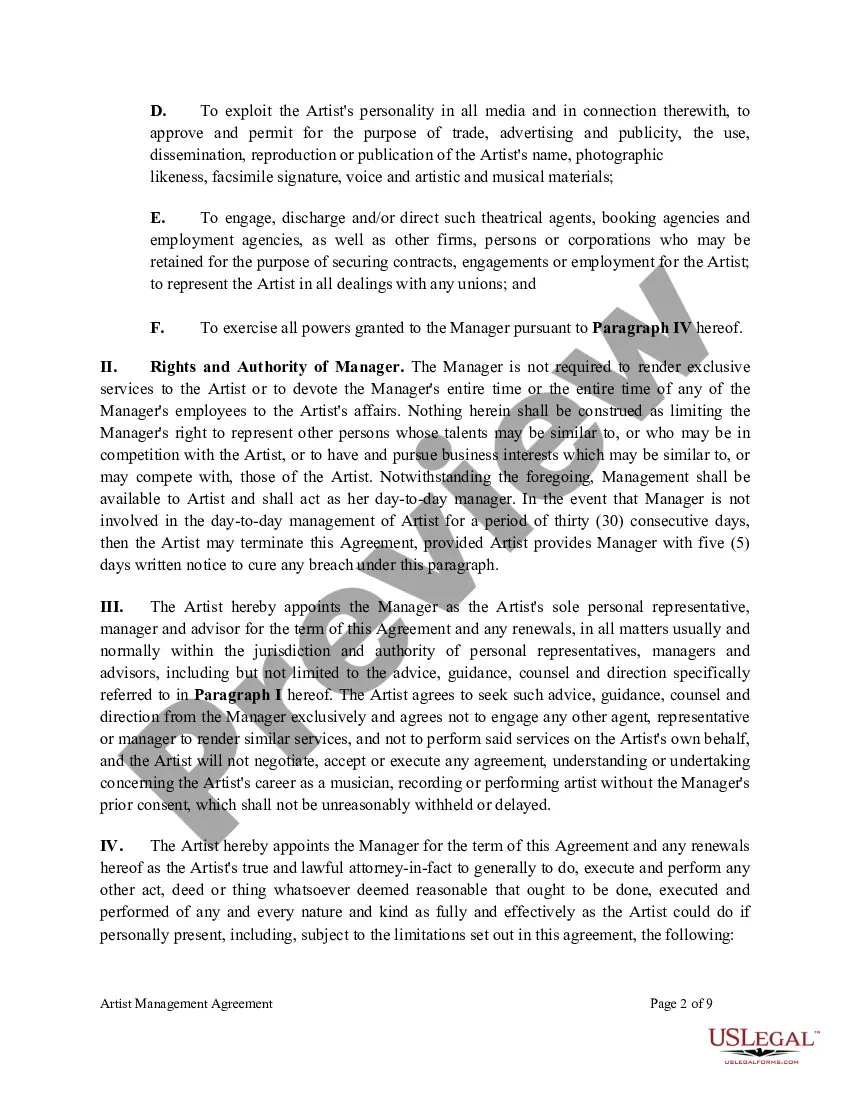
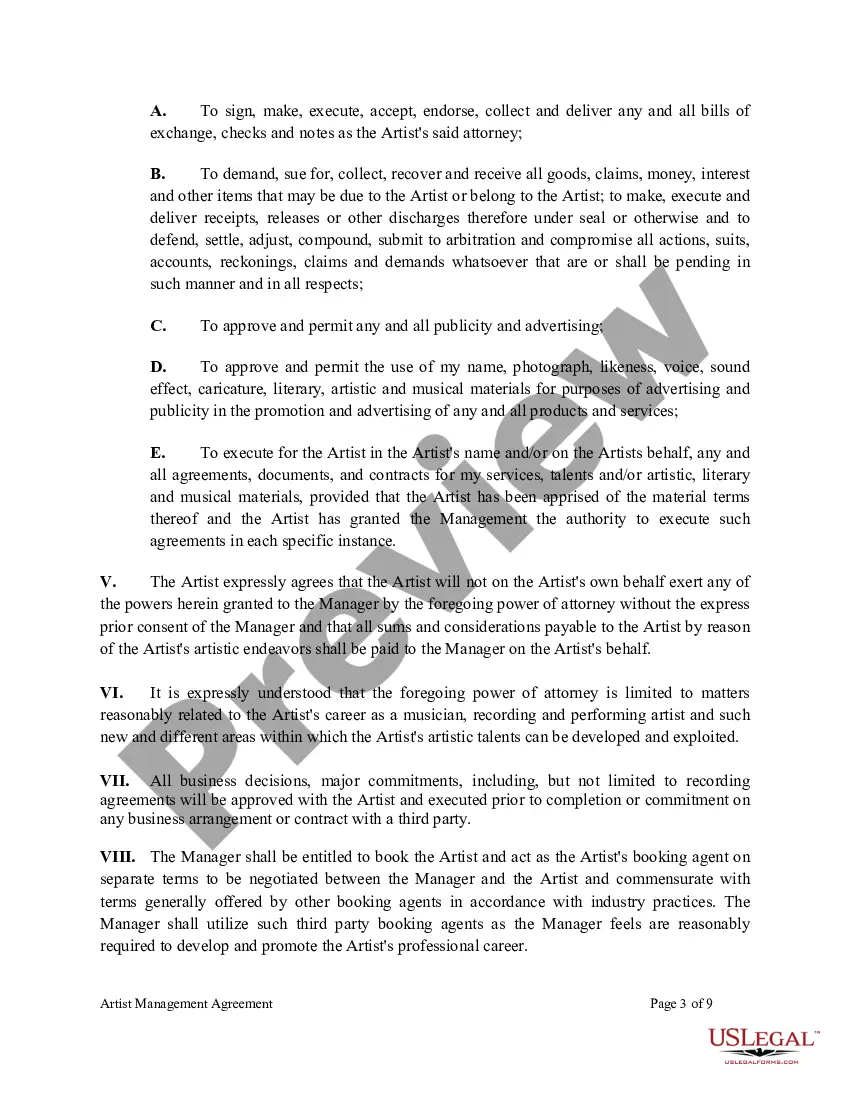
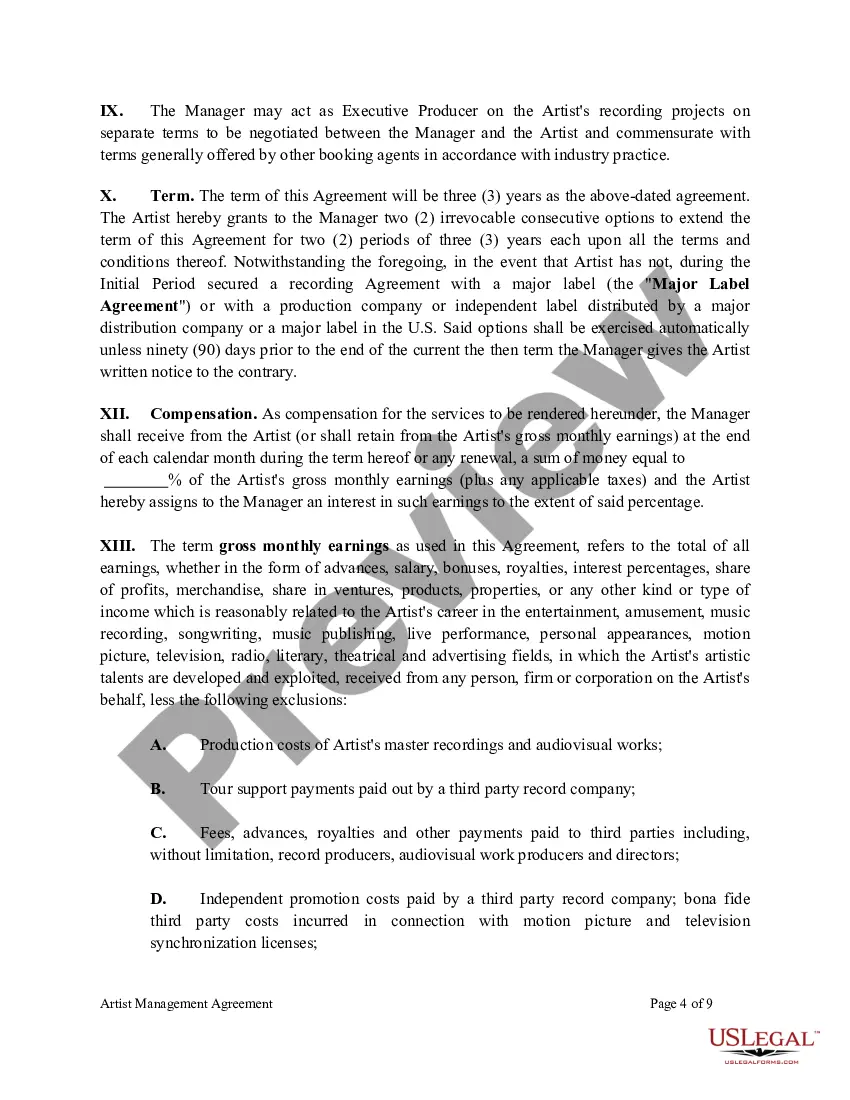
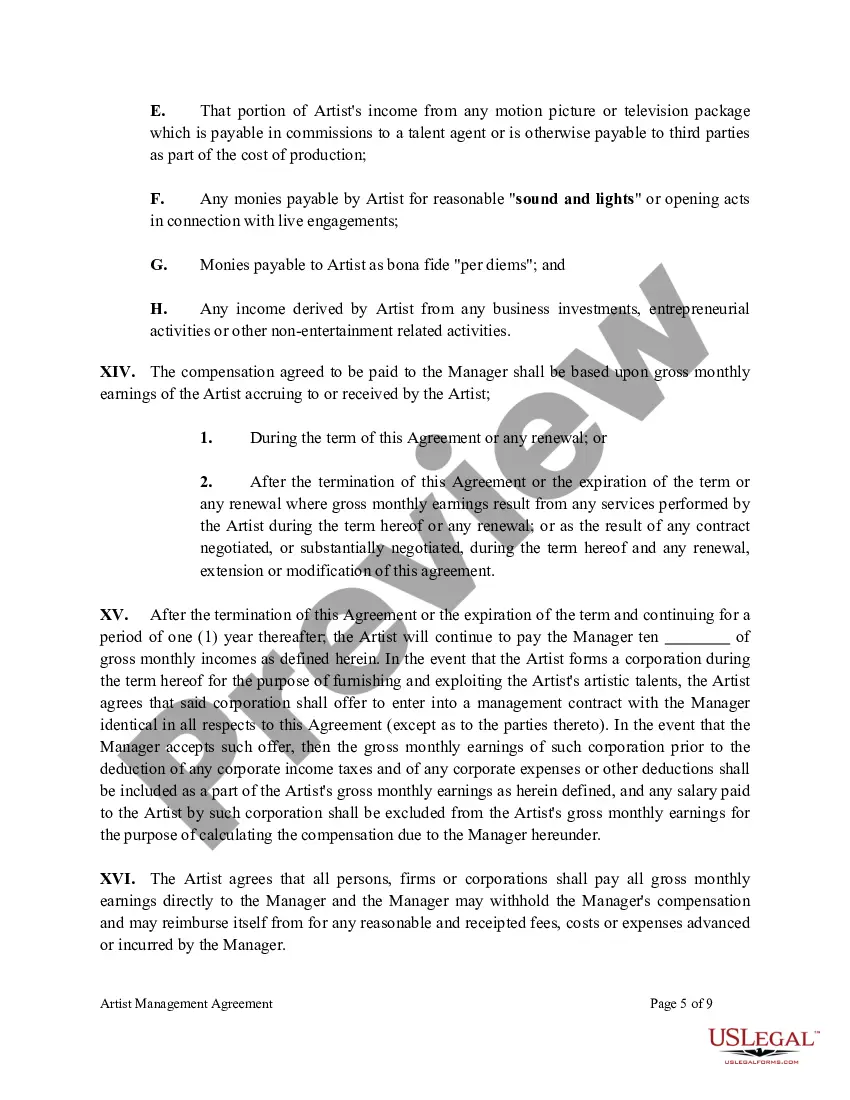
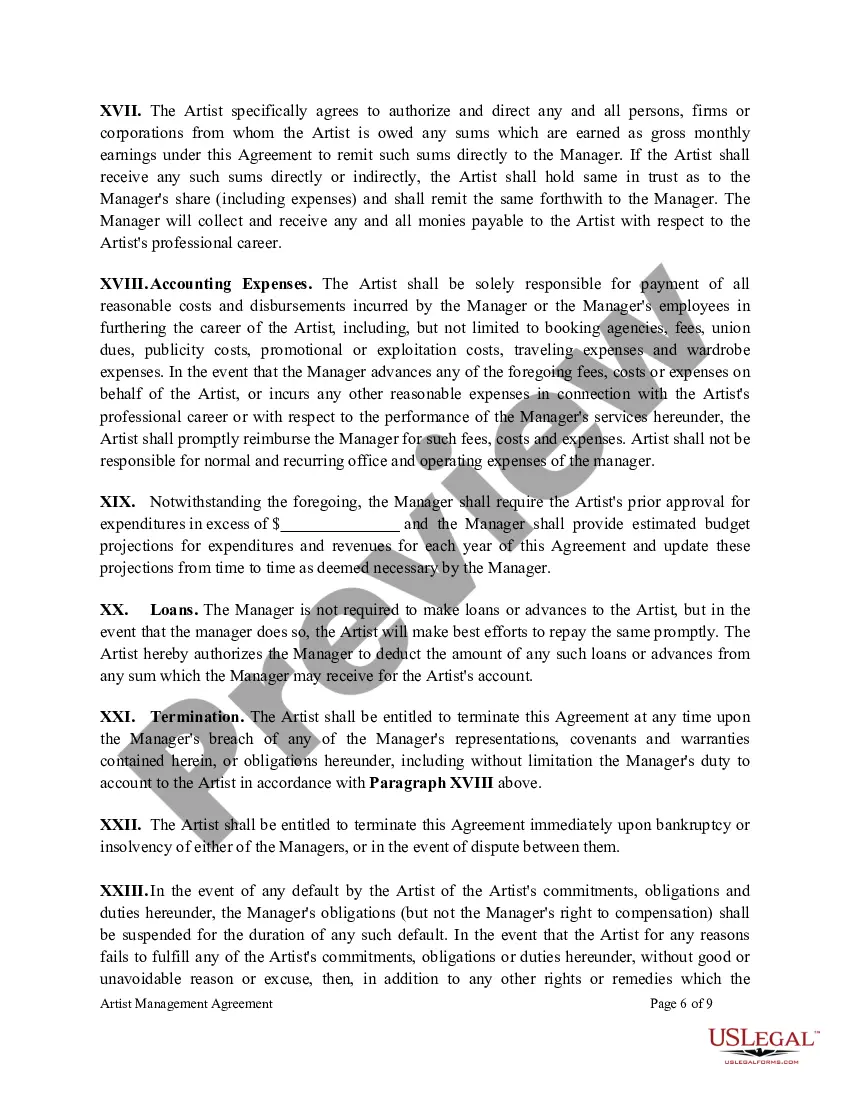
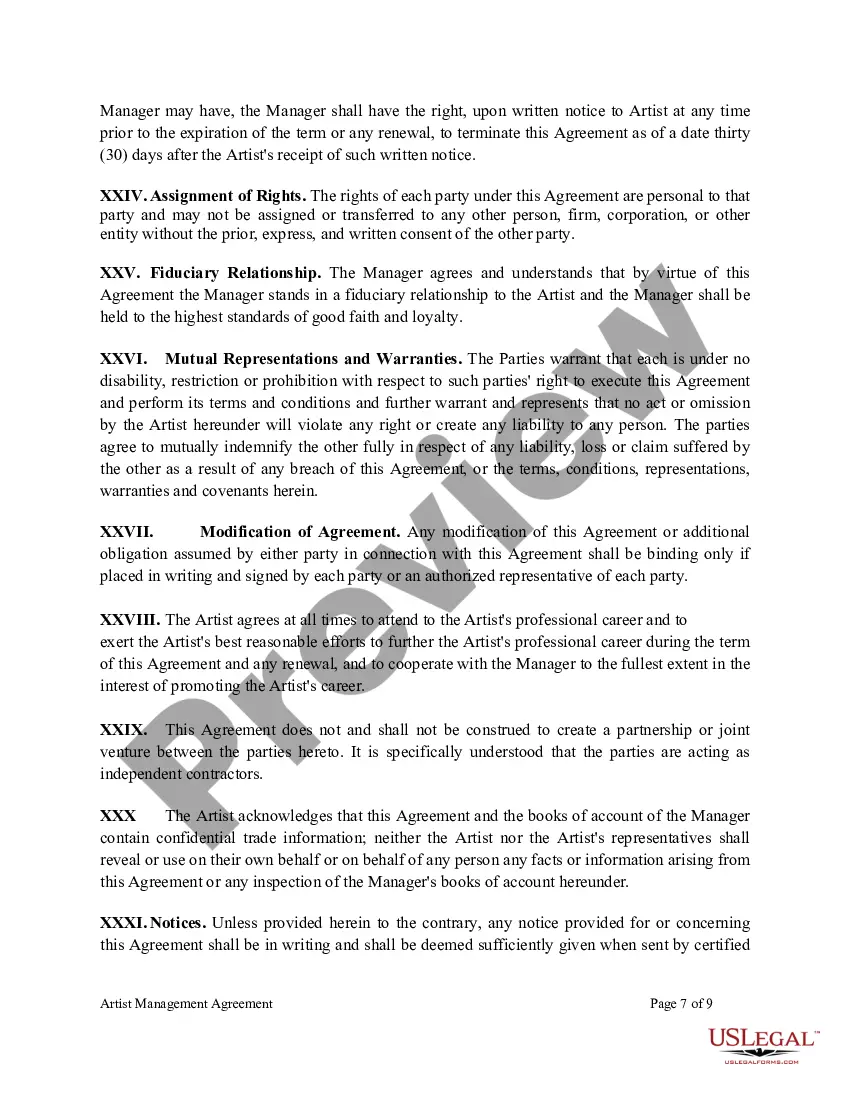
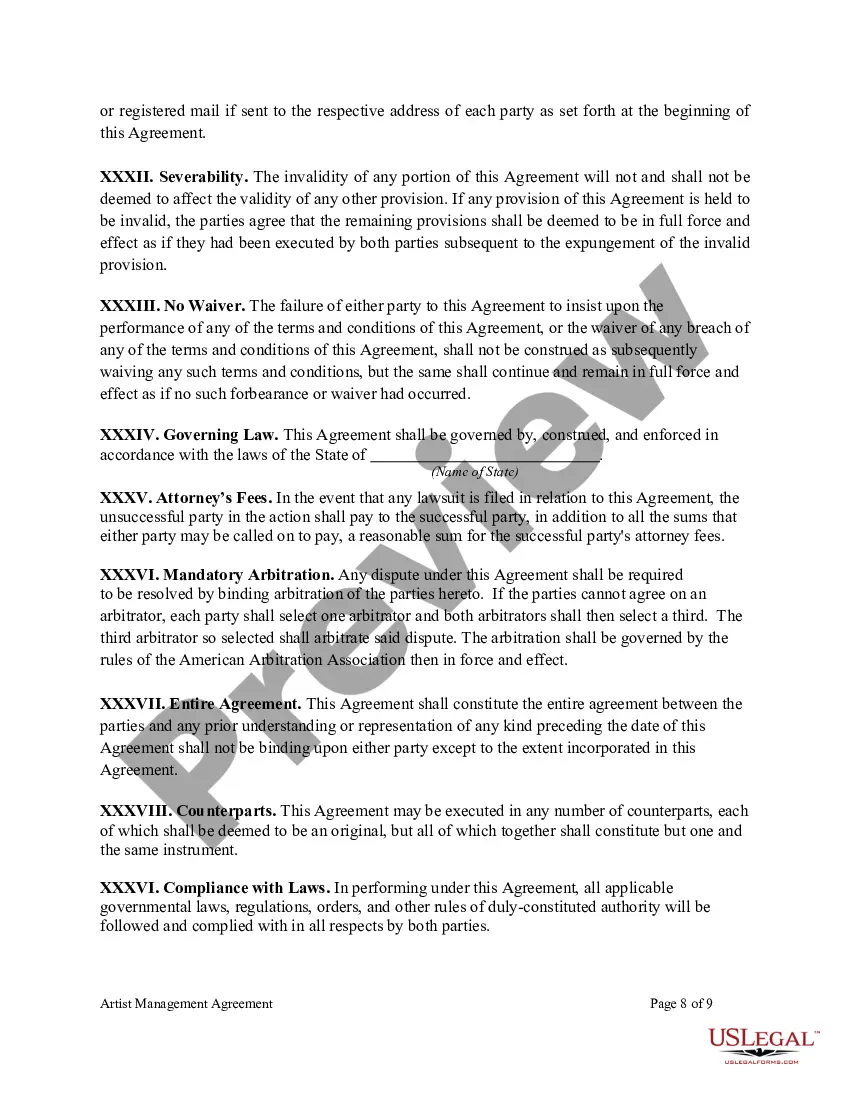
It outlines the terms and conditions of the artist's recording and distribution of music. This contract specifies the rights and responsibilities of both parties, including details about the production, promotion, and financial aspects of the music released under the label.
Your Music Recording Contract should cover details like: Compensation and royalties. Where and when the album will be recorded. The album's release date. Who has creative control over specific elements of the album. The termination clause. The exclusive agreement clause. Dispute resolution. Promotional appearances.
A record deal usually lasts for a period of time where you will have to release a certain number of albums or songs during that period. The profits will be split up between the parties involved and usually ends up with the artist receiving somewhere around 10 percent of the royalties that they earn.
The percentage of revenue that each party receives is determined by the terms of the record deal. In a traditional record deal, the label may take up to 80% of the revenue generated, leaving the remaining 20% to be split between the artist and any co-writers or producers.