Contract Management With Smartsheet In Middlesex
Description









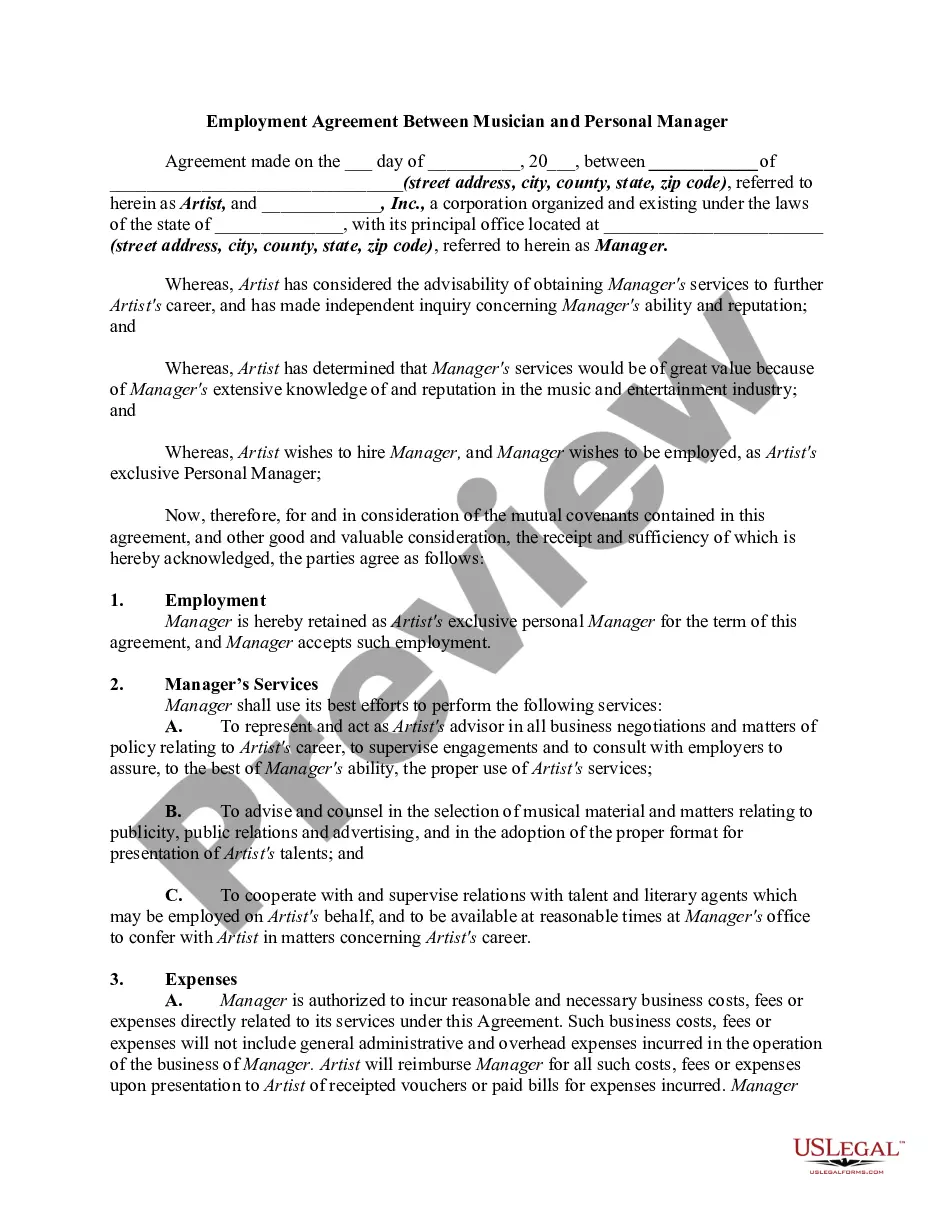
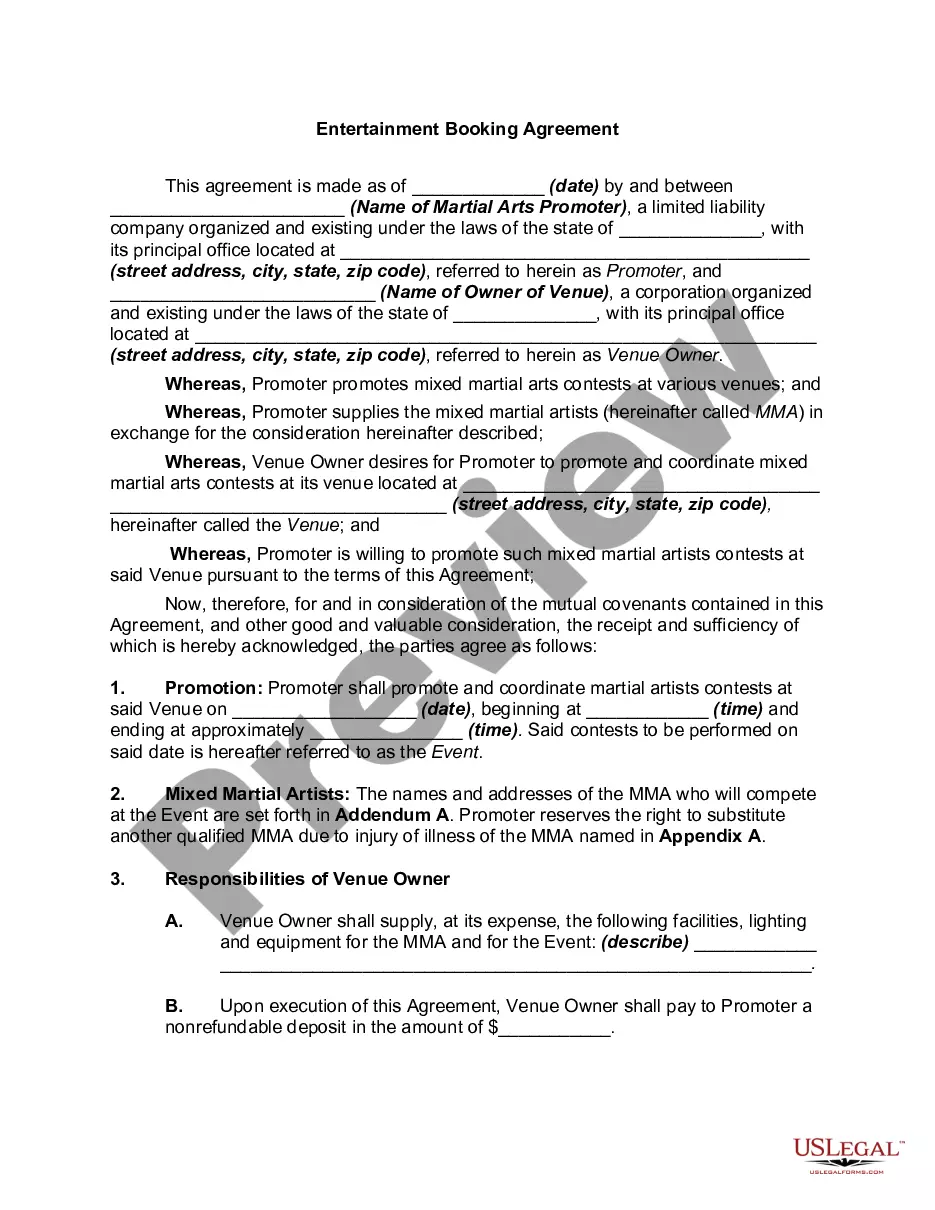
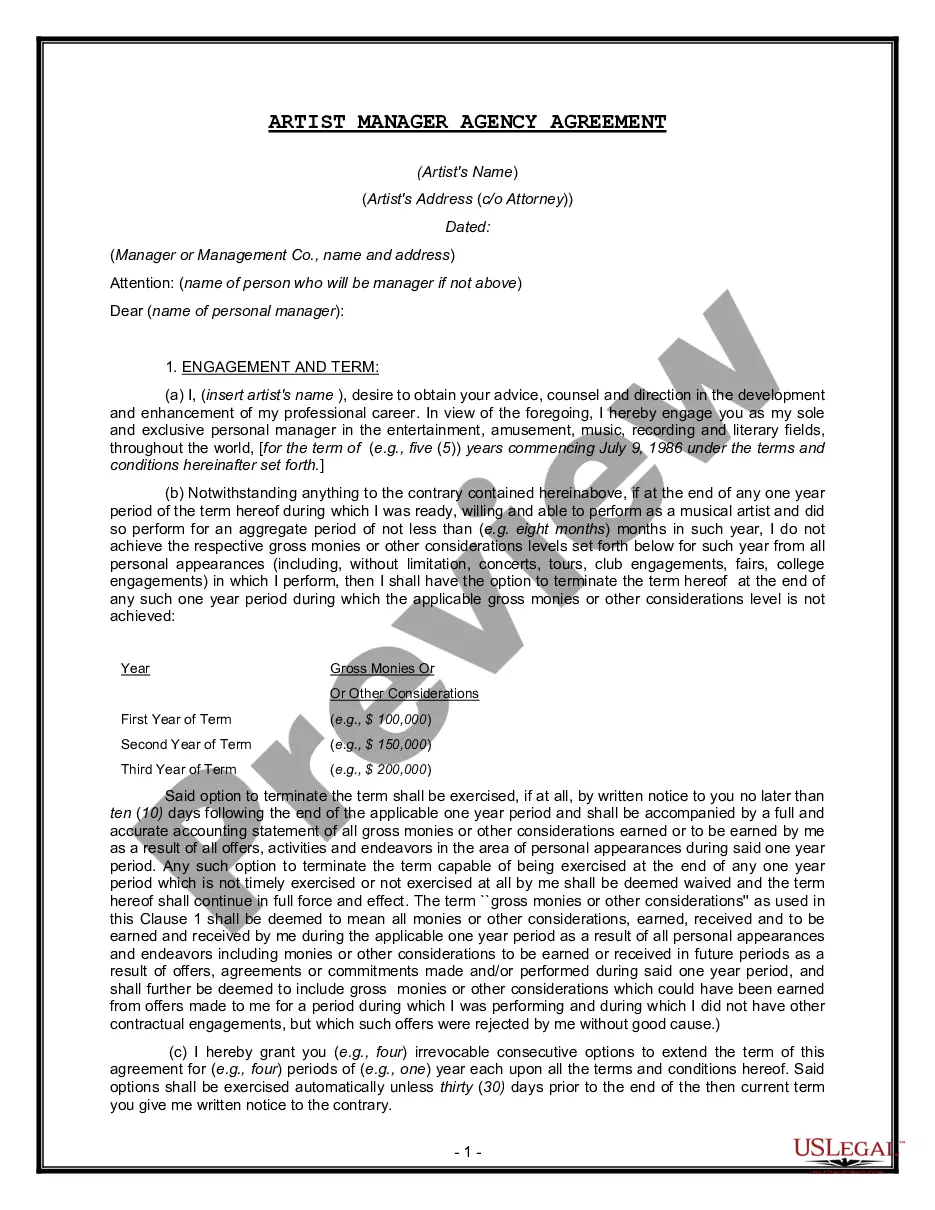
Get your form ready online
Our built-in tools help you complete, sign, share, and store your documents in one place.
Make edits, fill in missing information, and update formatting in US Legal Forms—just like you would in MS Word.
Download a copy, print it, send it by email, or mail it via USPS—whatever works best for your next step.
Sign and collect signatures with our SignNow integration. Send to multiple recipients, set reminders, and more. Go Premium to unlock E-Sign.
If this form requires notarization, complete it online through a secure video call—no need to meet a notary in person or wait for an appointment.
We protect your documents and personal data by following strict security and privacy standards.

Make edits, fill in missing information, and update formatting in US Legal Forms—just like you would in MS Word.

Download a copy, print it, send it by email, or mail it via USPS—whatever works best for your next step.

Sign and collect signatures with our SignNow integration. Send to multiple recipients, set reminders, and more. Go Premium to unlock E-Sign.

If this form requires notarization, complete it online through a secure video call—no need to meet a notary in person or wait for an appointment.

We protect your documents and personal data by following strict security and privacy standards.
Looking for another form?

Form popularity
FAQ
The best way to organize contracts is by creating a centralized repository. Digital repositories provide a centralized location to store all contracts and related files. It eliminates the need to search multiple folders or systems for specific agreements. It helps to arrange and sort the documents systematically.
Most Commonly: The Finance Team. This is the most common way of handling contract management in small companies. Typically the finance department is responsible for collecting contracts from vendors and customers, making sure that they are filled out correctly, and that they are filed appropriately.
How to implement contract management activities Step 1: Transition activities, if any. Step 2: Review the draft contract management plan. Step 3: Review the contract's budget. Step 4: Resources to support contract management. Step 5: Finalise and implement the contract management plan.
Establish an internal owner of the whole project within your team to be the SPOC with your CLM provider. Set tentative timeline expectations for the implementation and create time for team training sessions. Prepare your historical contracts for migration onto a CLM repository.
Backup: Regularly back up digital copies and store physical contracts in a secure, climate-controlled environment. Retention Policy: Develop and follow a clear contract retention policy in compliance with legal regulations.
Contract Overview. Briefly outline. Objectives. List objectives and desired outcomes here. Transitional arrangements and mobilisation. Briefly outline. Performance management. Briefly outline. Finance. Briefly outline. Governance arrangements. Communication with provider. Briefly outline. Communication with stakeholders.
5 Tips for a Well Organized Contract Repository Set Up an Online Database. Ideally, the first step in the organizational process is to set up an online contract database. Establish a File Naming Scheme. Create a Useful Folder System. Maintain Selective Sharing. Discard Outdated Items.
CRM contract management is the process of utilizing the contract management features of a CRM to streamline the creation, storage, tracking, and maintenance of contracts throughout their lifecycle. A CRM offers a suite of tools that collectively enhance customer acquisition and retention processes for businesses.
CRM stands for customer relationship management, so this function is number one. First, CRM construction software allows you to log and organize all of your leads and customers with their contact information in one place. No more searching through emails or spreadsheets for this information.
