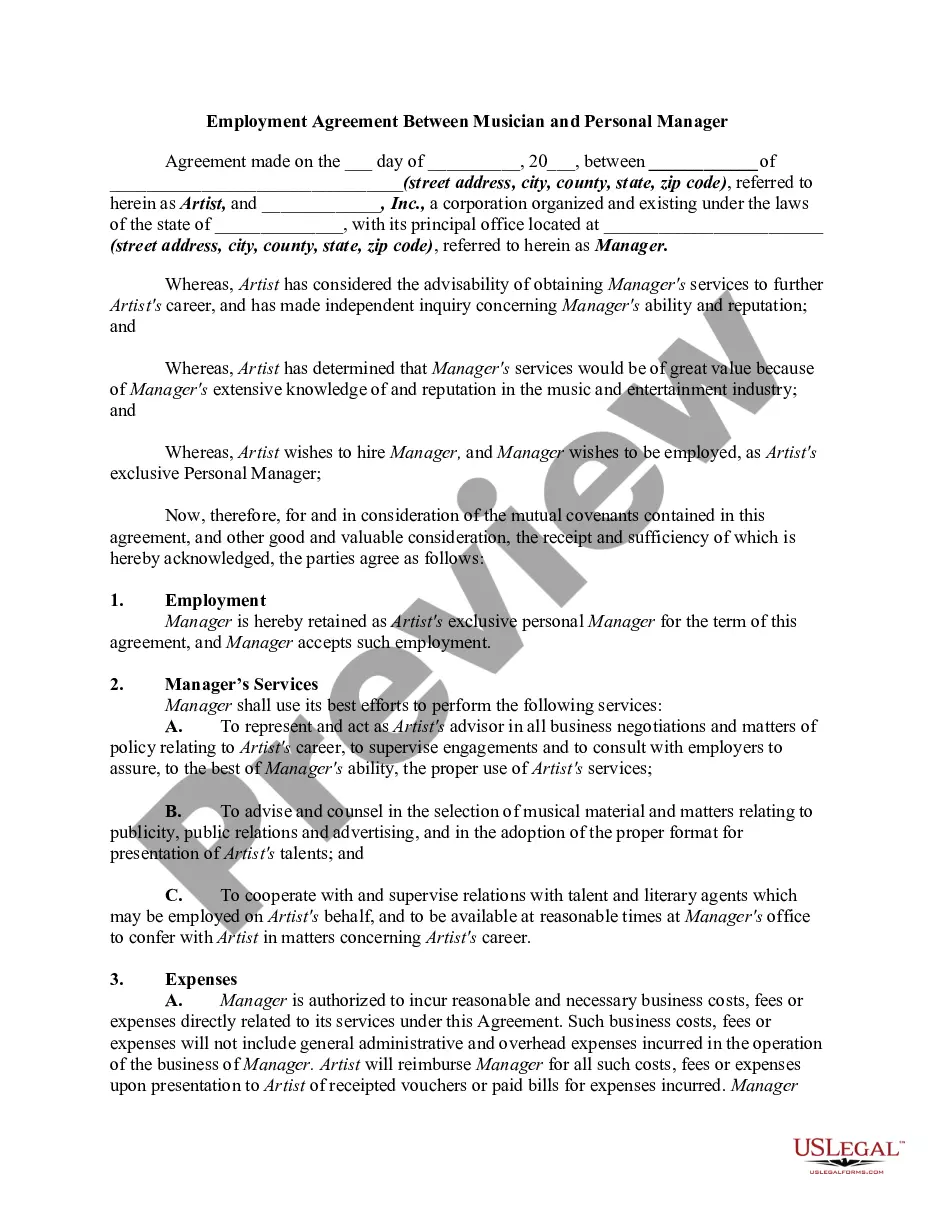
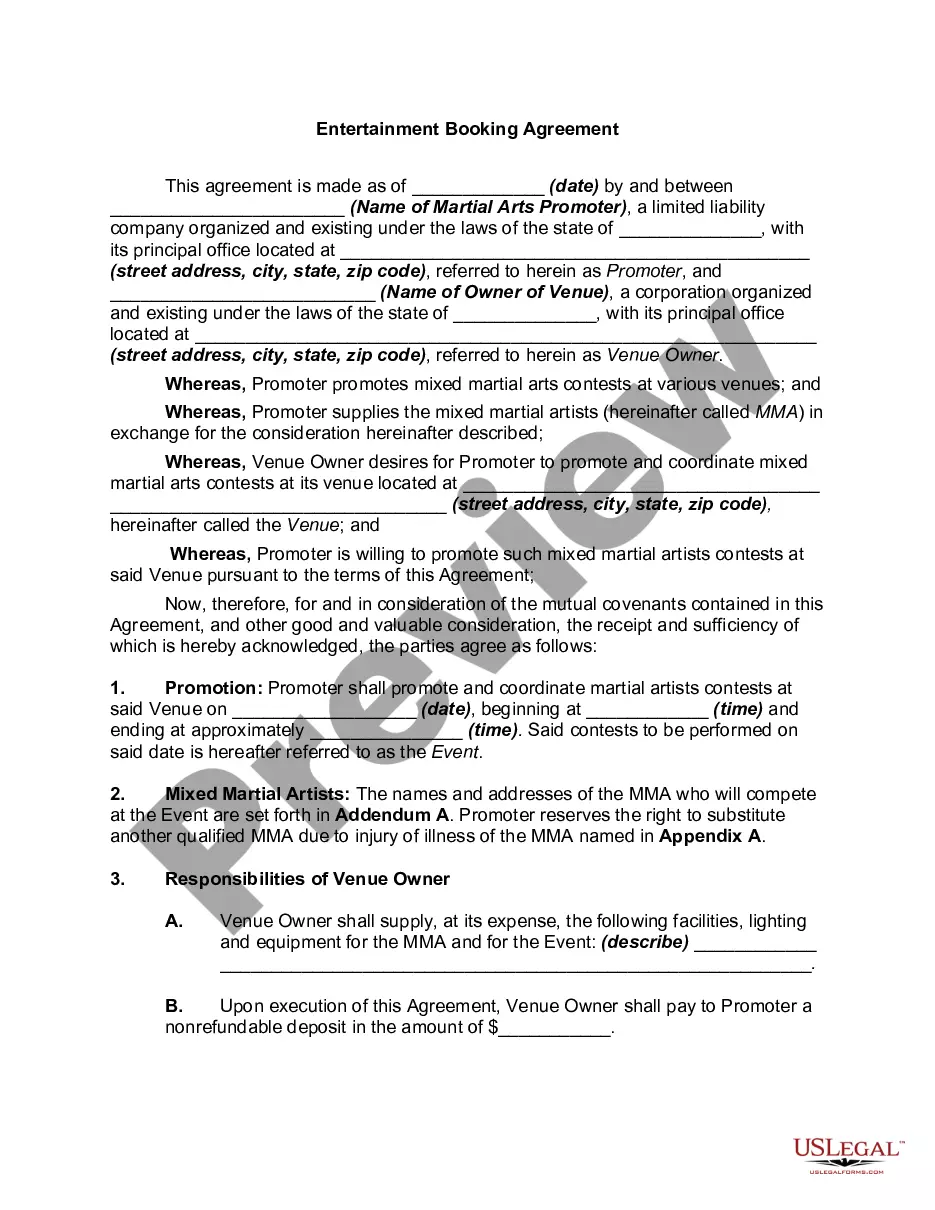
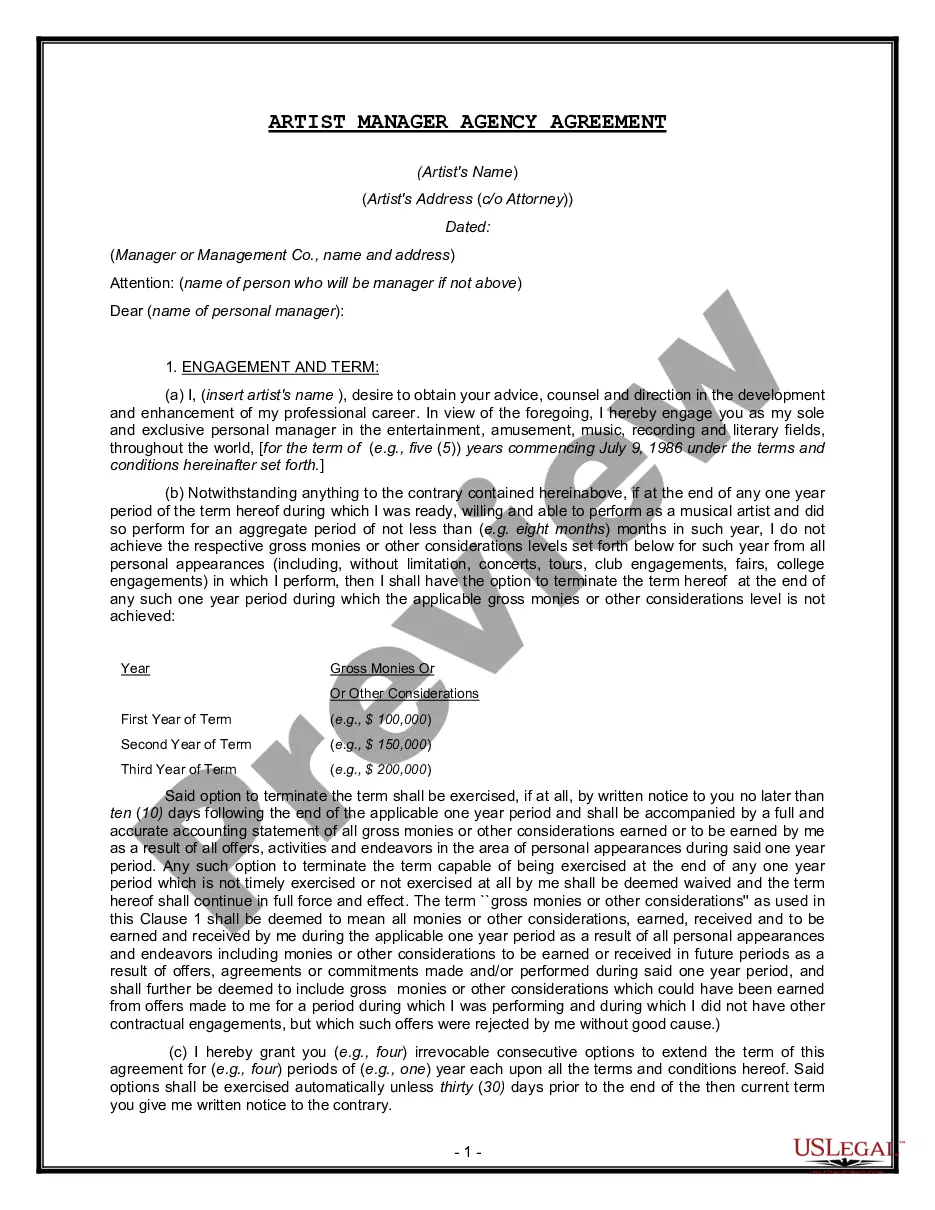
Artist Agreement Form Sample For Business In Massachusetts
Description

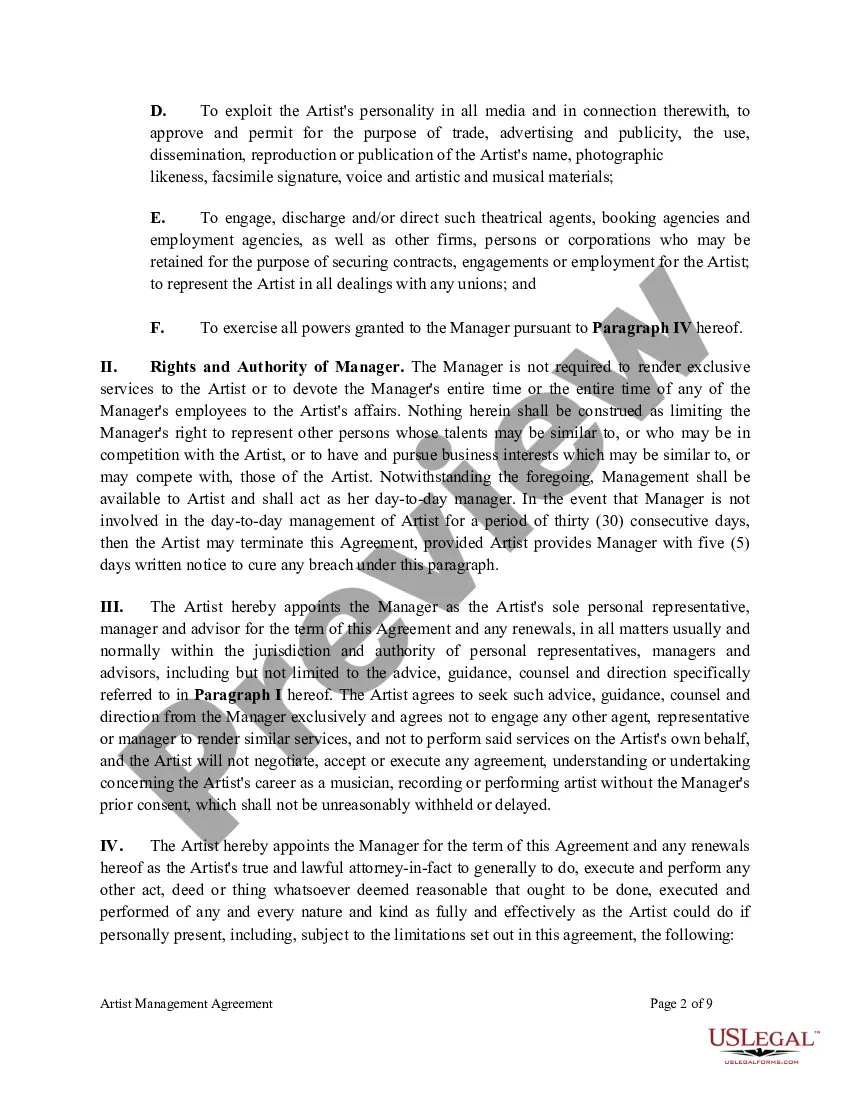
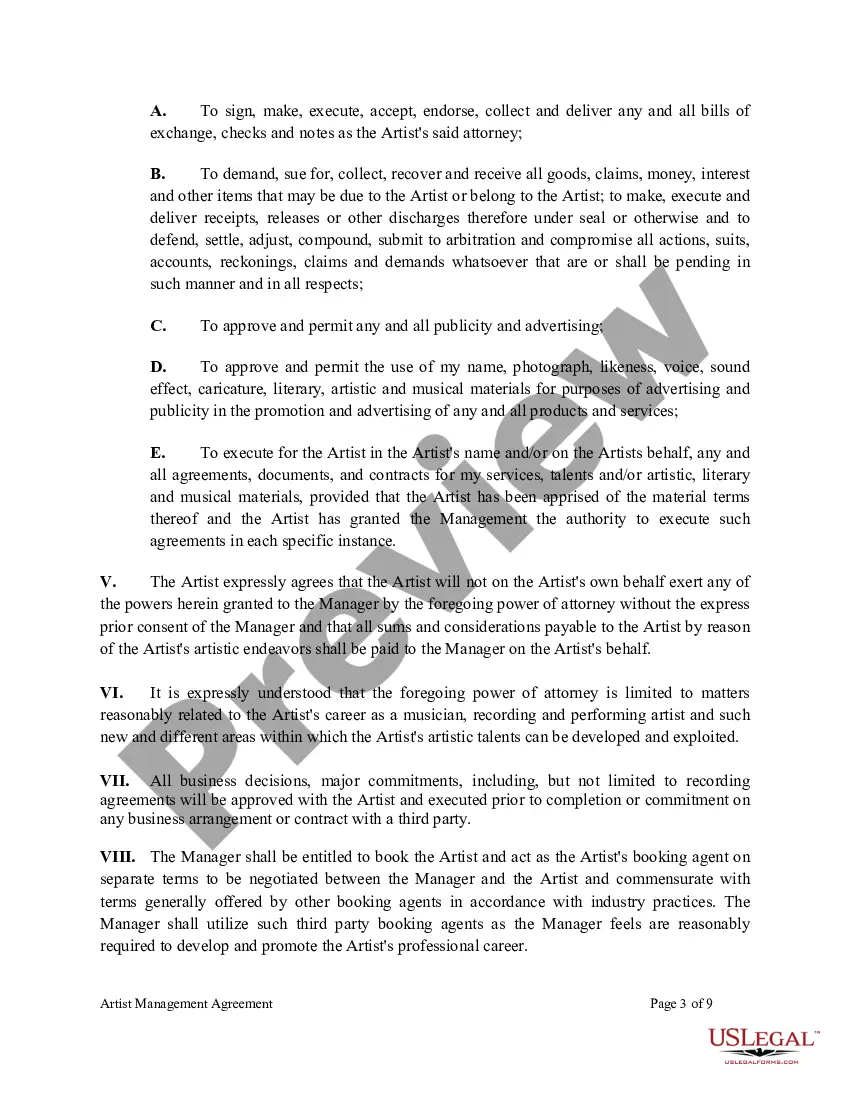
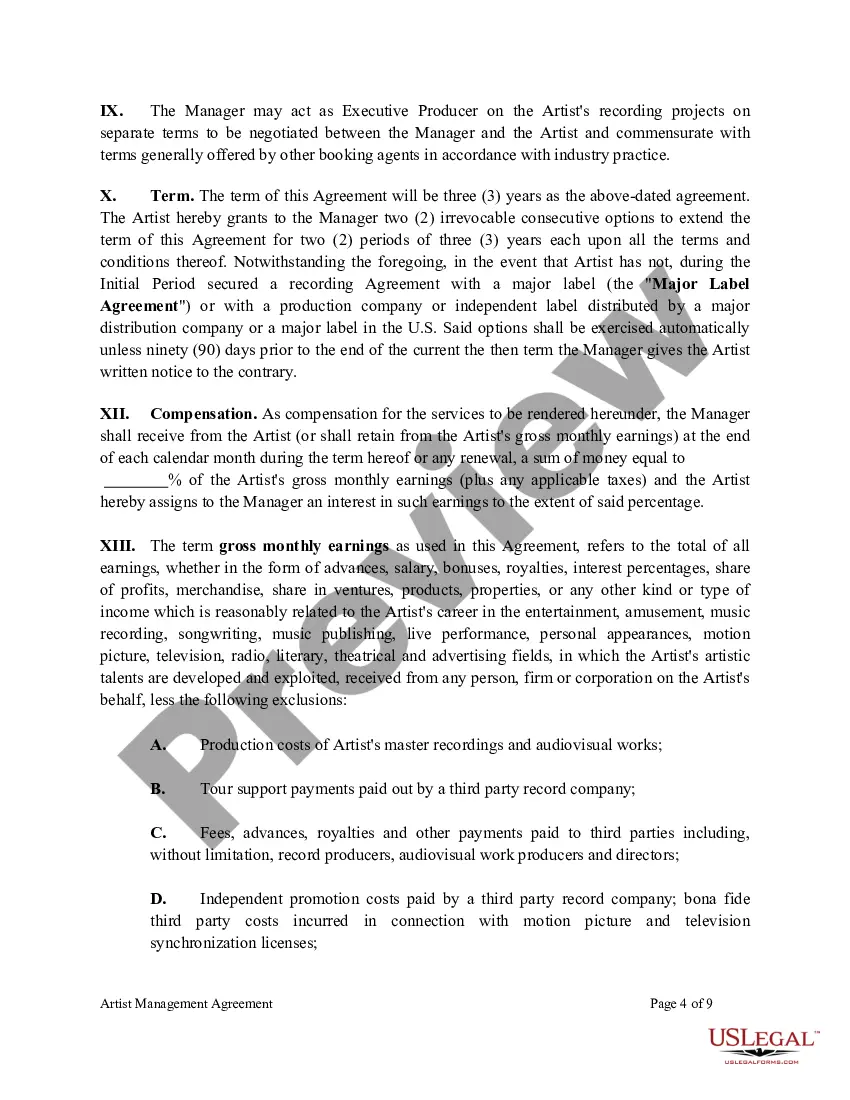
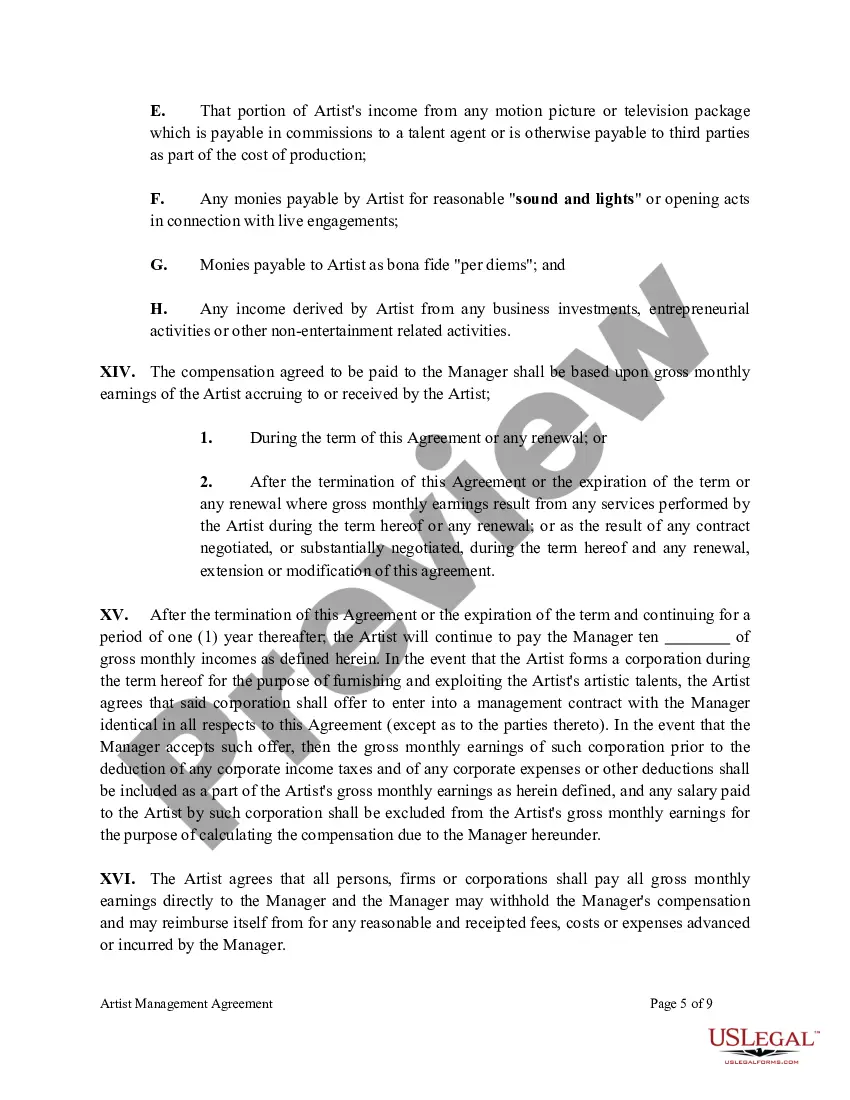
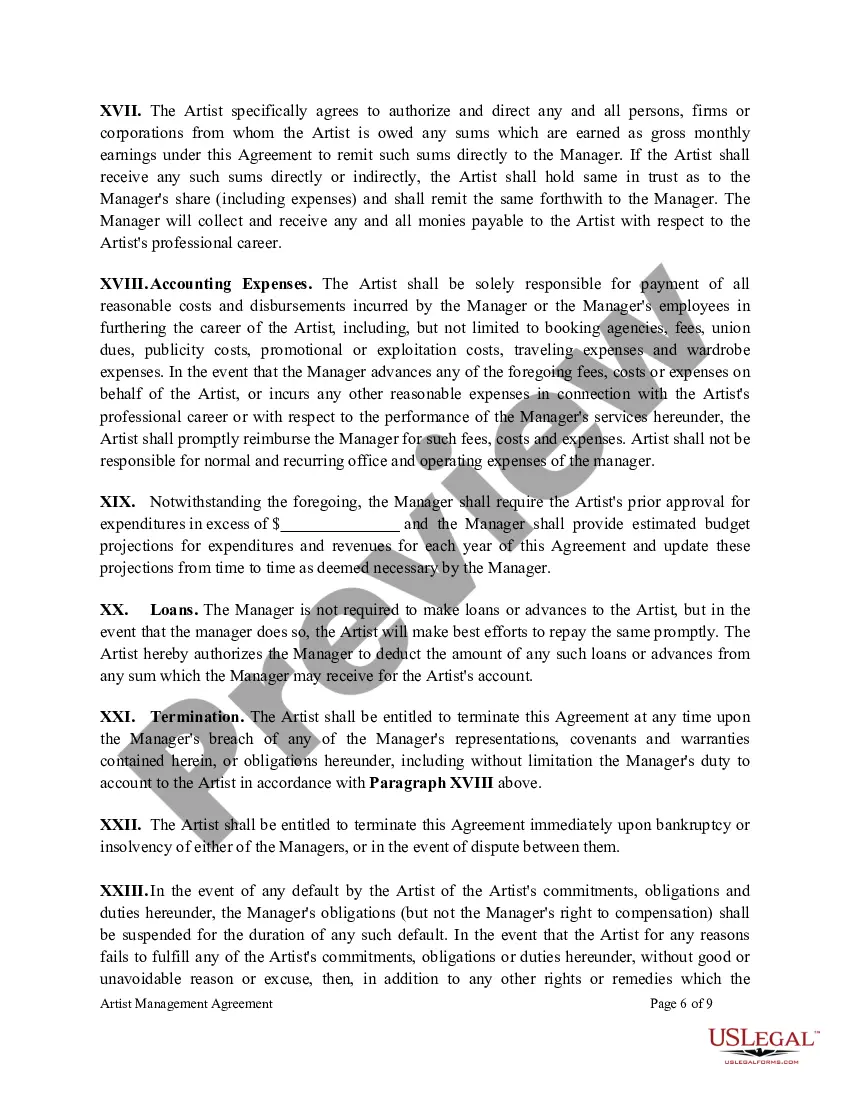
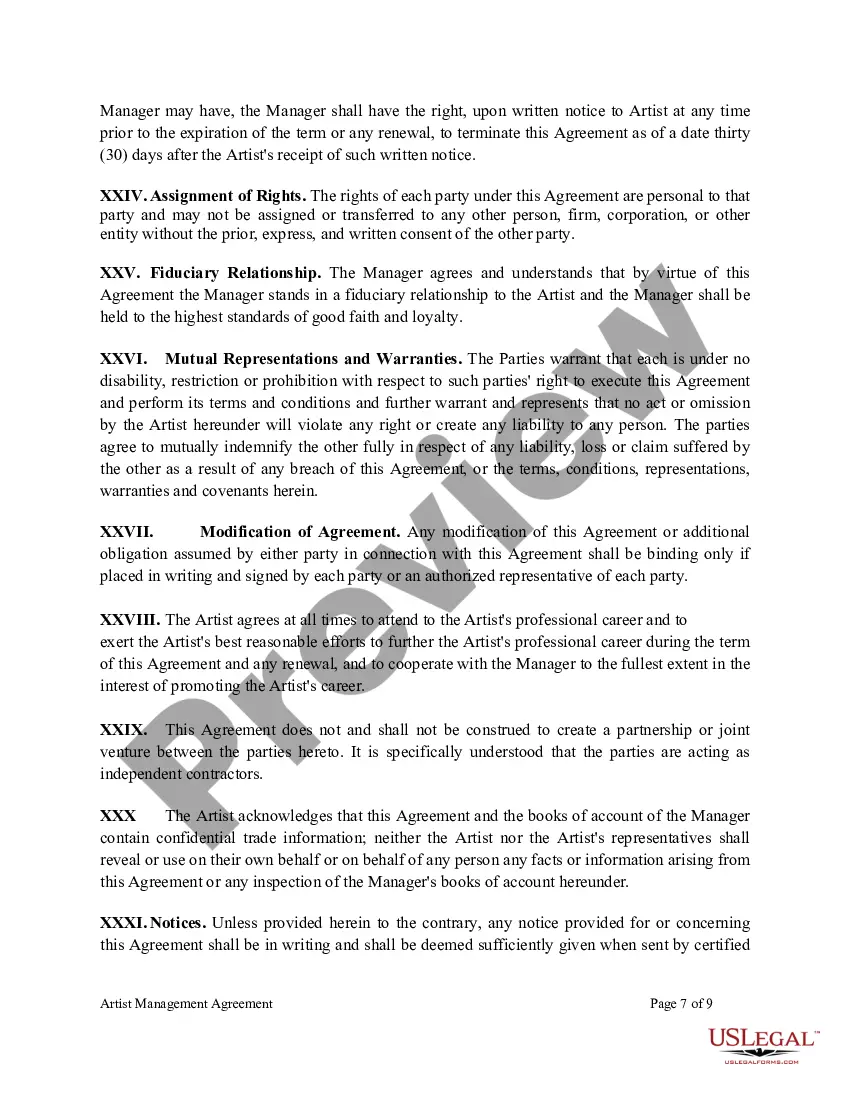
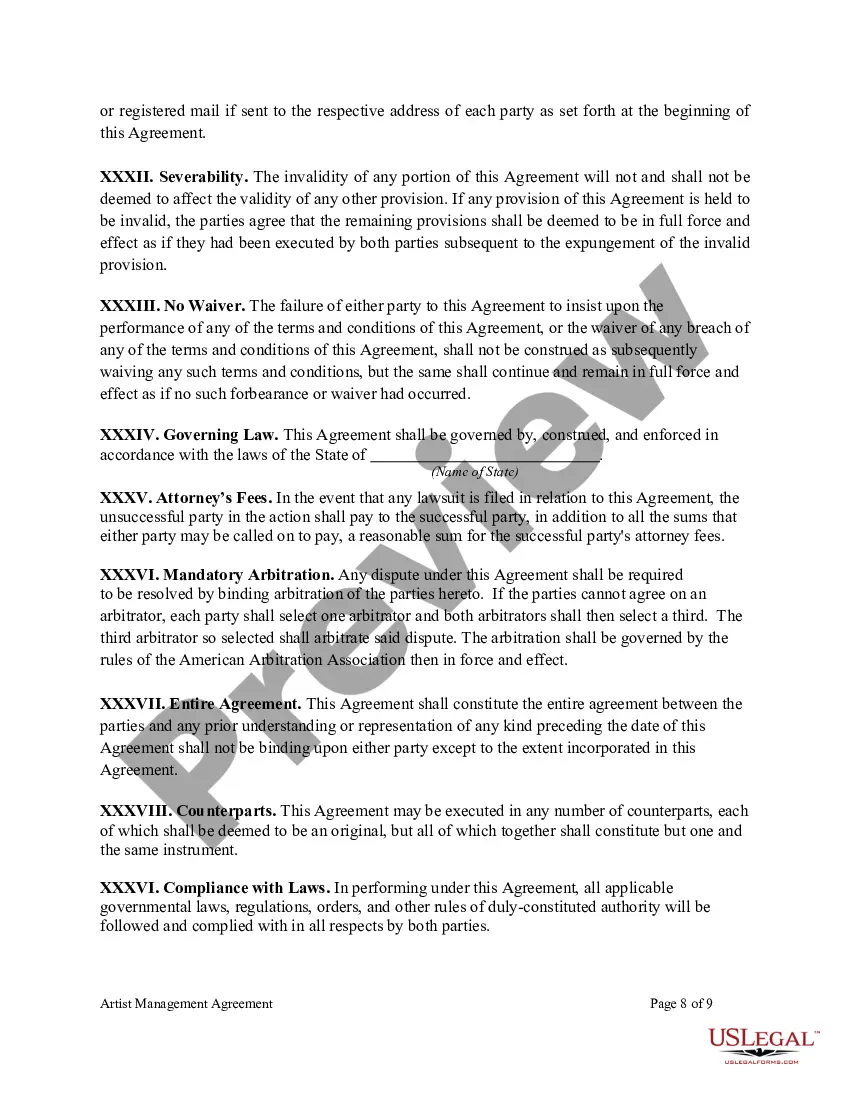
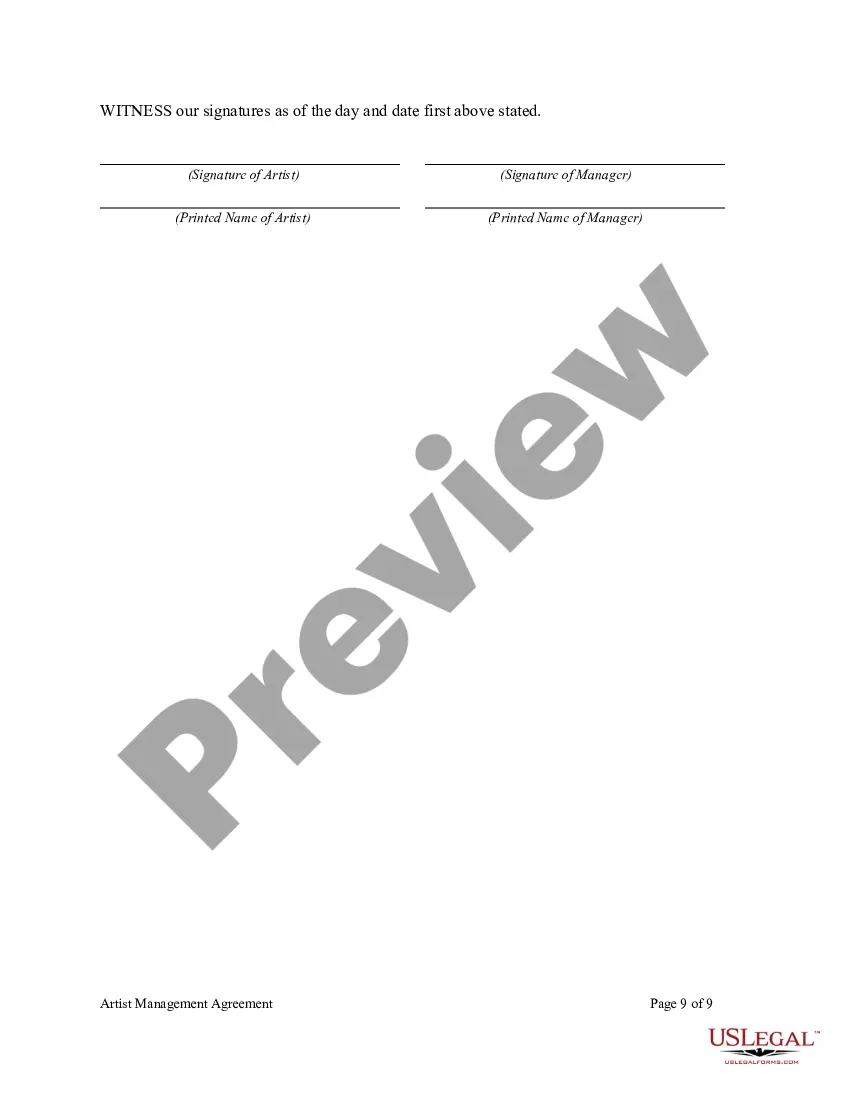
Get your form ready online
Our built-in tools help you complete, sign, share, and store your documents in one place.
Make edits, fill in missing information, and update formatting in US Legal Forms—just like you would in MS Word.
Download a copy, print it, send it by email, or mail it via USPS—whatever works best for your next step.
Sign and collect signatures with our SignNow integration. Send to multiple recipients, set reminders, and more. Go Premium to unlock E-Sign.
If this form requires notarization, complete it online through a secure video call—no need to meet a notary in person or wait for an appointment.
We protect your documents and personal data by following strict security and privacy standards.

Make edits, fill in missing information, and update formatting in US Legal Forms—just like you would in MS Word.

Download a copy, print it, send it by email, or mail it via USPS—whatever works best for your next step.

Sign and collect signatures with our SignNow integration. Send to multiple recipients, set reminders, and more. Go Premium to unlock E-Sign.

If this form requires notarization, complete it online through a secure video call—no need to meet a notary in person or wait for an appointment.

We protect your documents and personal data by following strict security and privacy standards.
Looking for another form?




Form popularity
FAQ
To write a simple contract, title it clearly, identify all parties and specify terms (services or payments). Include an offer, acceptance, consideration, and intent. Add a signature and date for enforceability. Written contracts reduce disputes and offer better legal security than verbal ones.
A commission contract outlines the conditions for an artist to create a commissioned work. Contracts generally specify project dates, payment schedules, notable project requirements, or constraints. They also build out scheduled check-in points for the artist and commissioner.
Contracts like an artist agreement help avoid miscommunications and confusion over the rights and responsibilities of both parties involved. Artist agreements typically include availability expectations, performance markers, and licensing or ownership rights of the works created during the partnership.
The contract term period typically ranges from 1-3 years for young artists or those just starting out. Long-term agreements, which can be 5-10 years long or longer, are usually offered to more established and accomplished musicians or those with a successful track record.
How to Write a Business Contract Step 1 – Determine Why You Need a Contract. Step 2 – Define All Relevant Parties. Step 3 – Include the Essential Elements of a Contract. Step 4 – Name the Appropriate Governing Law and Jurisdiction. Step 5 – Explain All Details in Plain Language. Step 6 – Use Repeatable Language.
Artist contracts usually include details regarding payment terms, compensation rates, royalties, and commissions. A contract also protects the intellectual property of the artist and may include rights to license, use, and exhibit the artwork or performance created.
To help you get started, take a look at a few basic components to include in your contract so you can better protect your art business. Client Info. Project Info and Terms. Project Timeline. Costs and Payment Terms. Itemization. Artist's Rights. Cancellation Terms. Acceptance of Agreement.
To help you get started, take a look at a few basic components to include in your contract so you can better protect your art business. Client Info. Project Info and Terms. Project Timeline. Costs and Payment Terms. Itemization. Artist's Rights. Cancellation Terms. Acceptance of Agreement.
Writing a business contract involves the following seven steps: Identify the parties involved. Define the terms and conditions. Set the payment terms. Get legal counsel. Review and revise. Sign the document.
