Talent Management Contract For The Twenty-first Century In Maricopa
Description

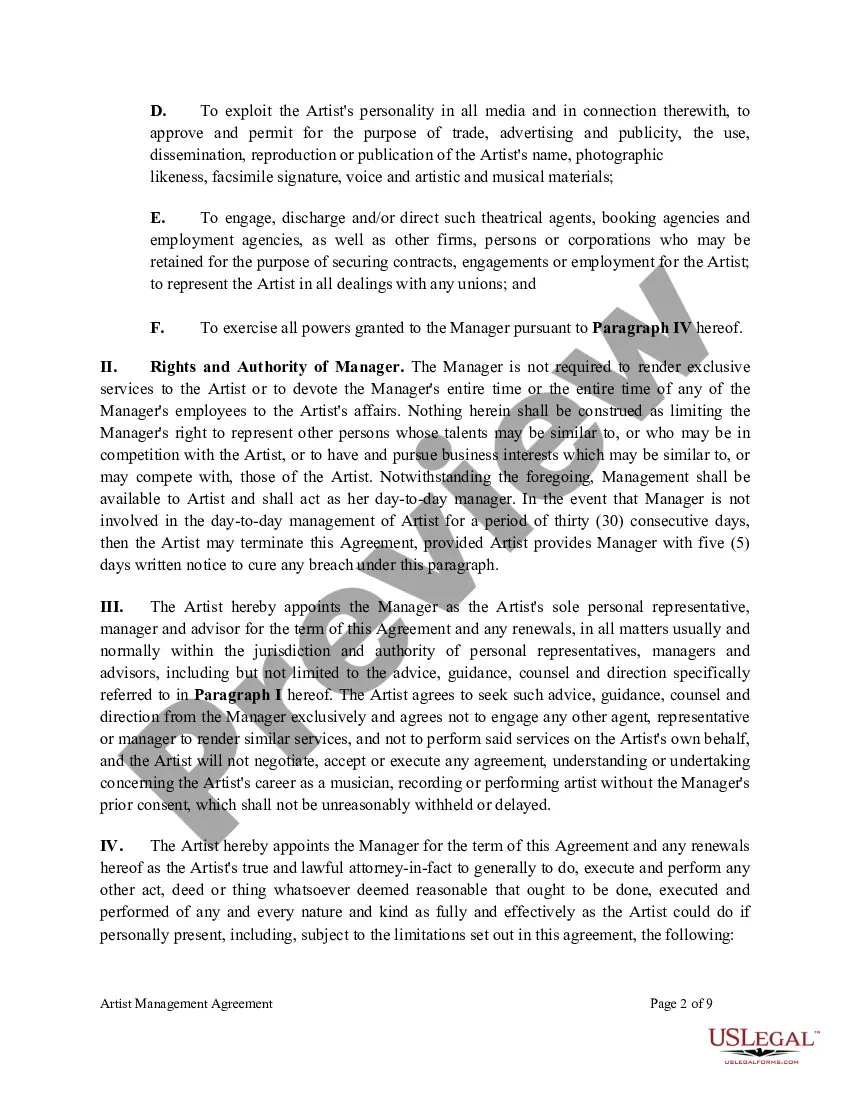
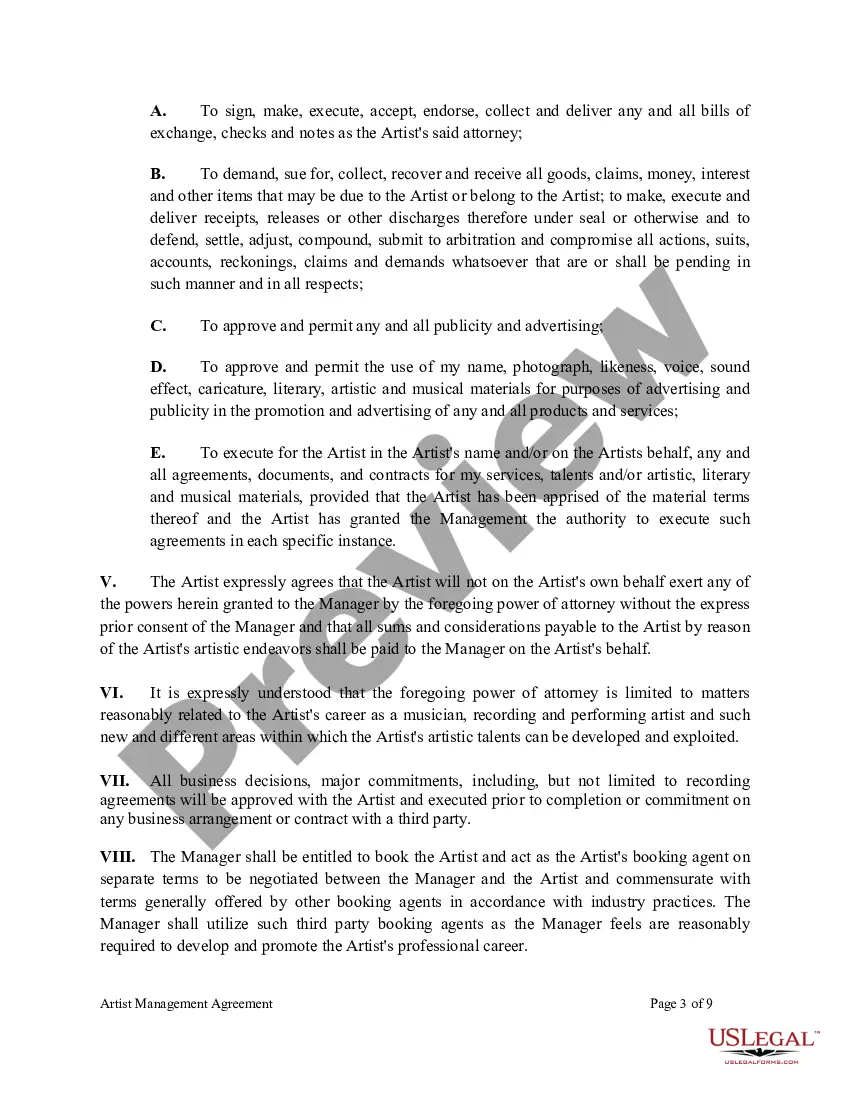
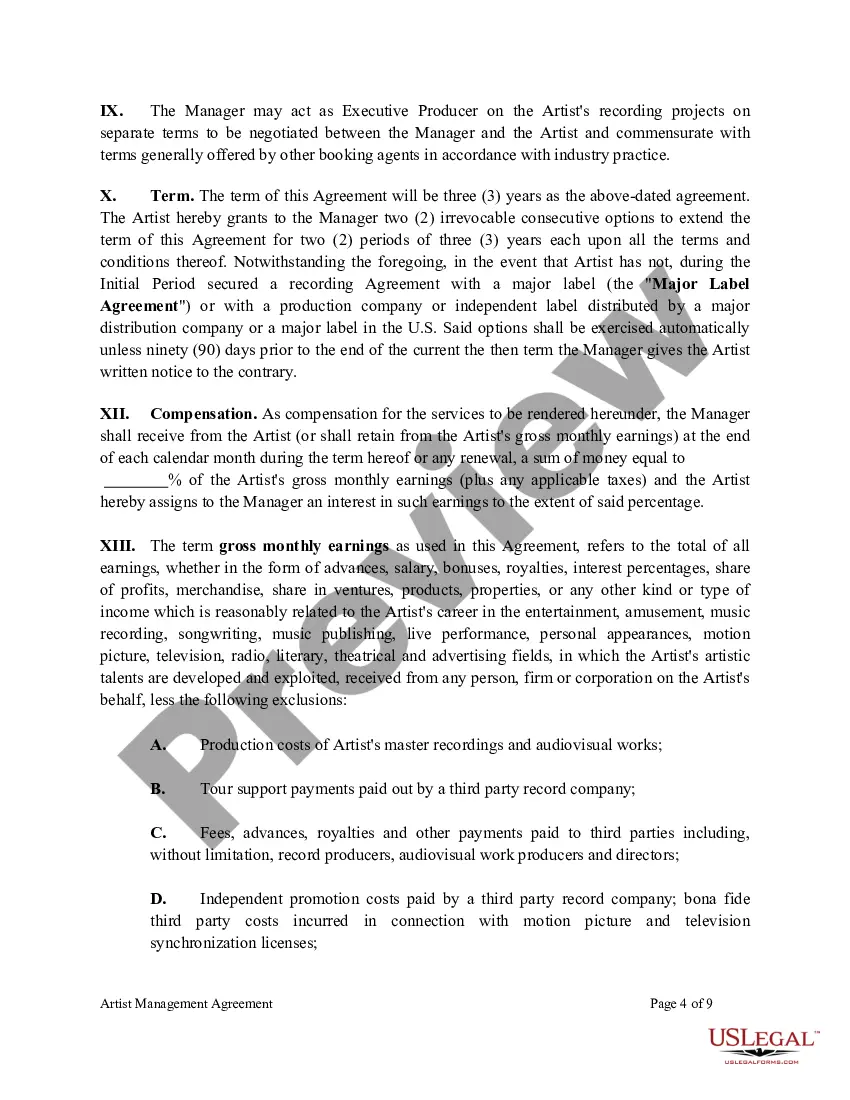
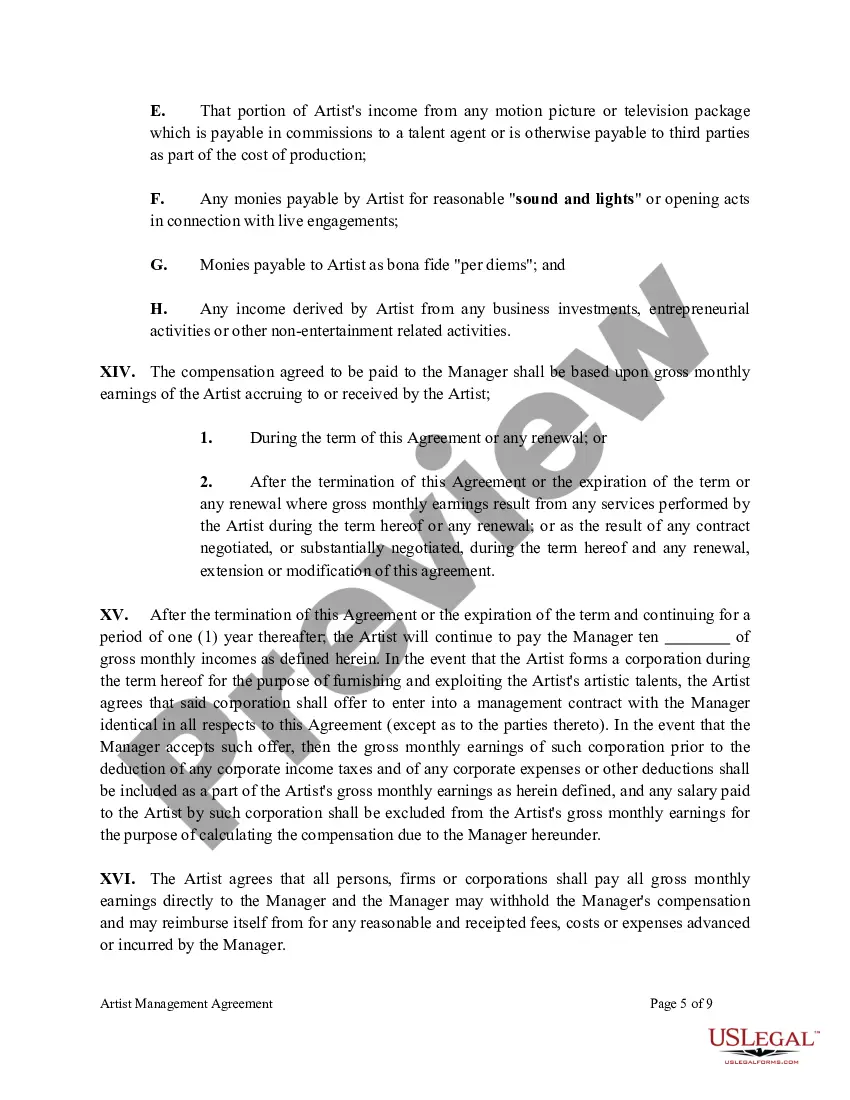
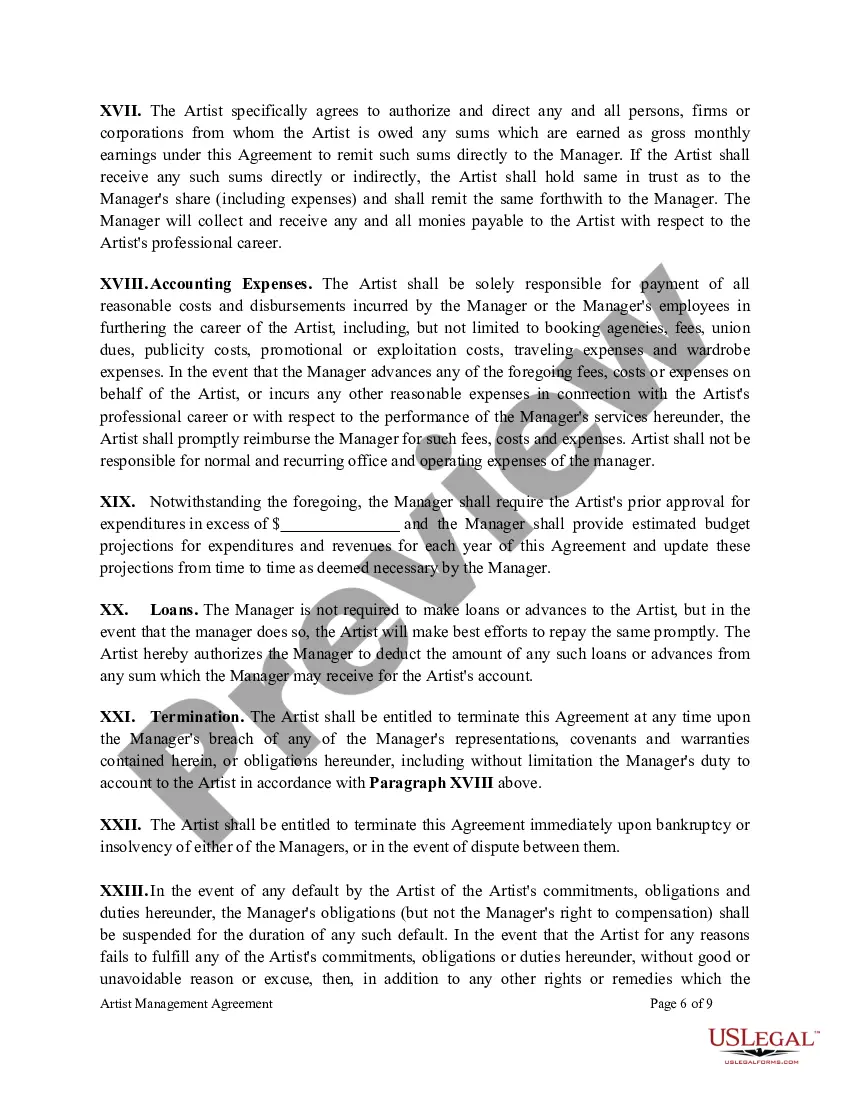
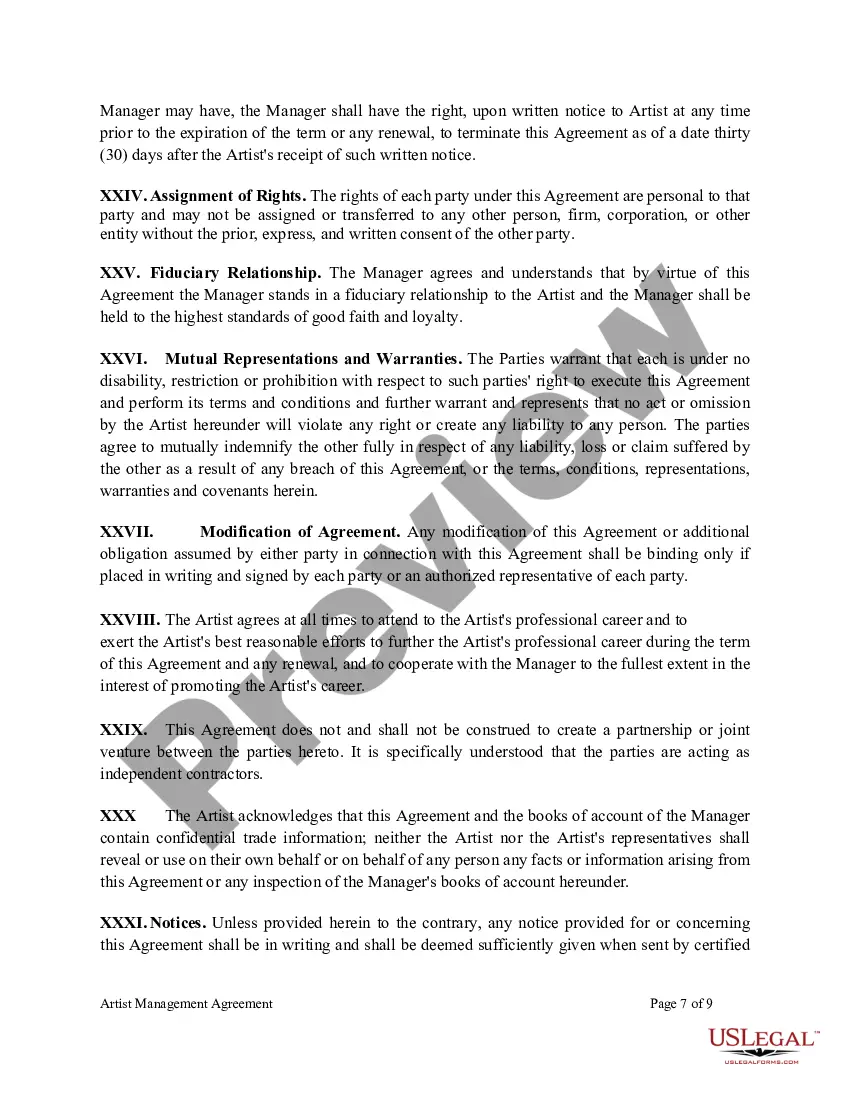
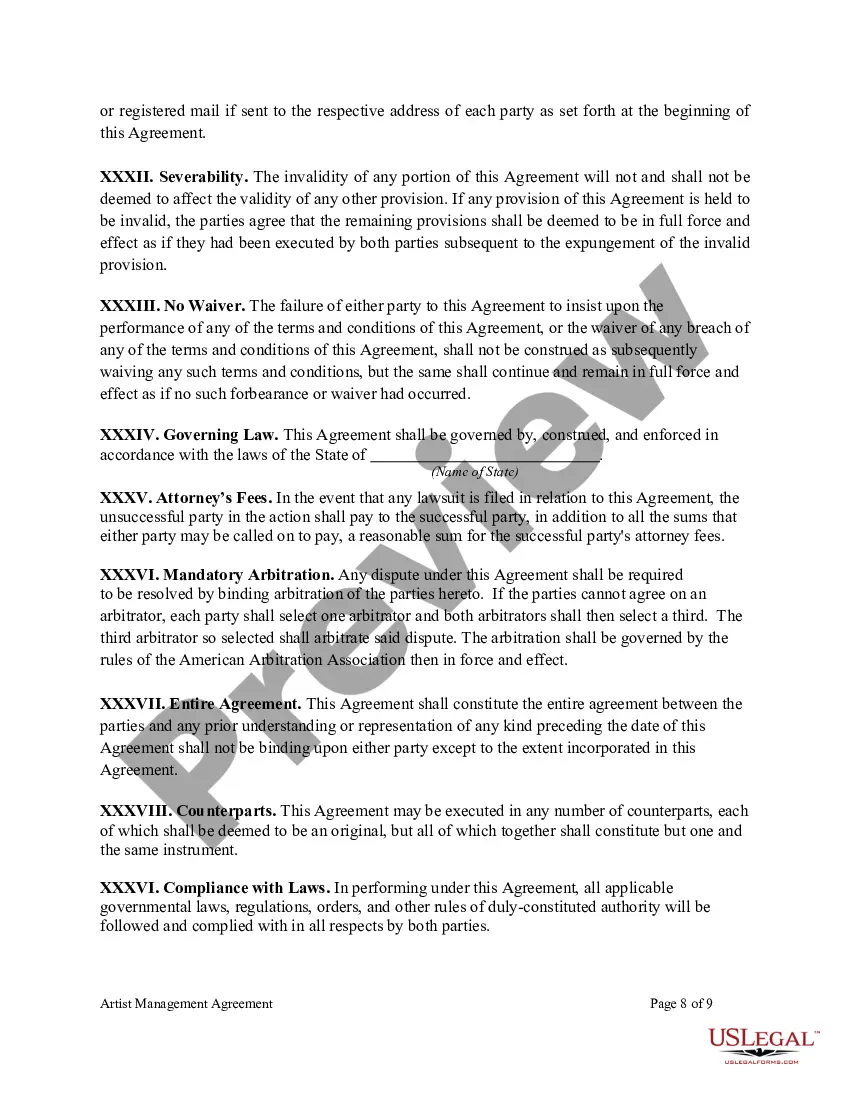
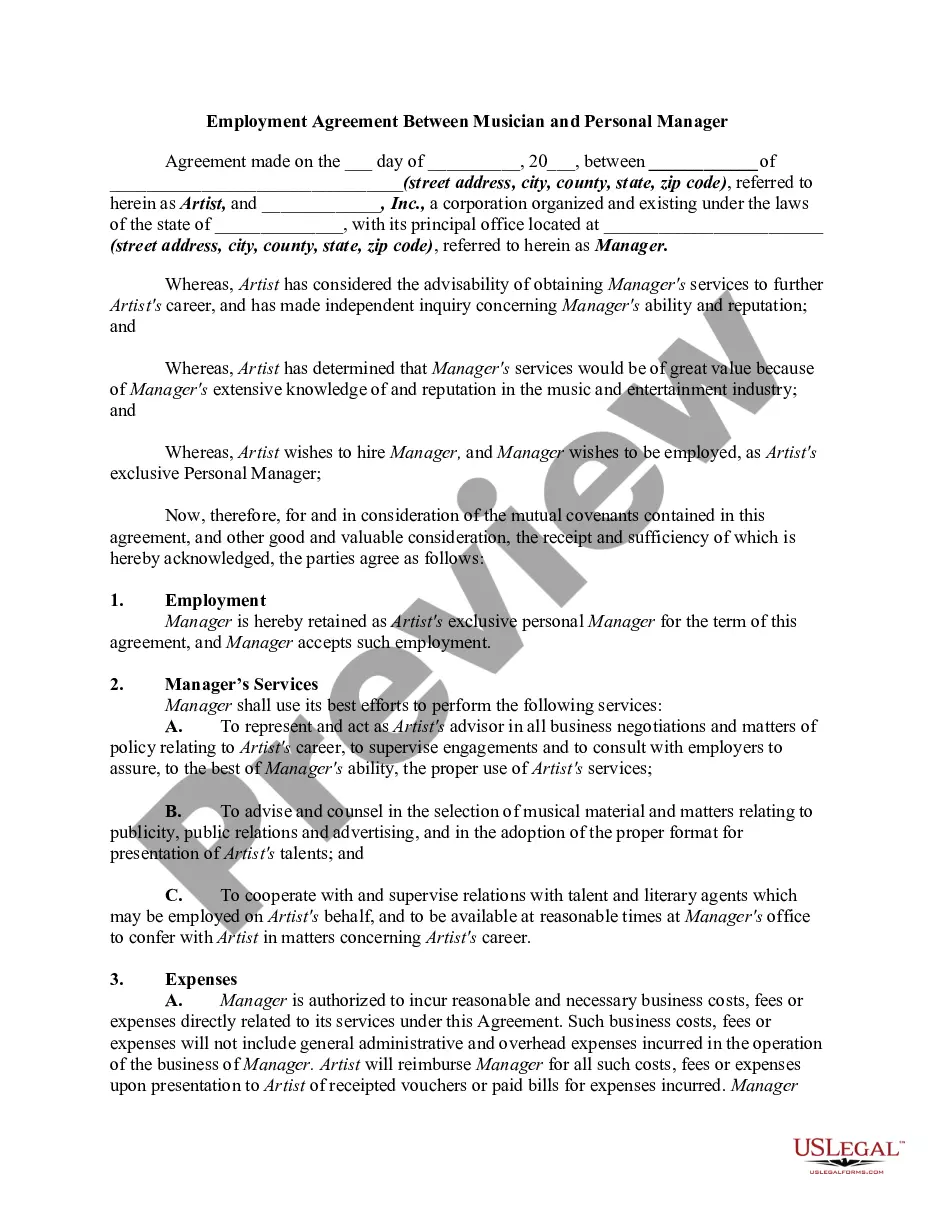
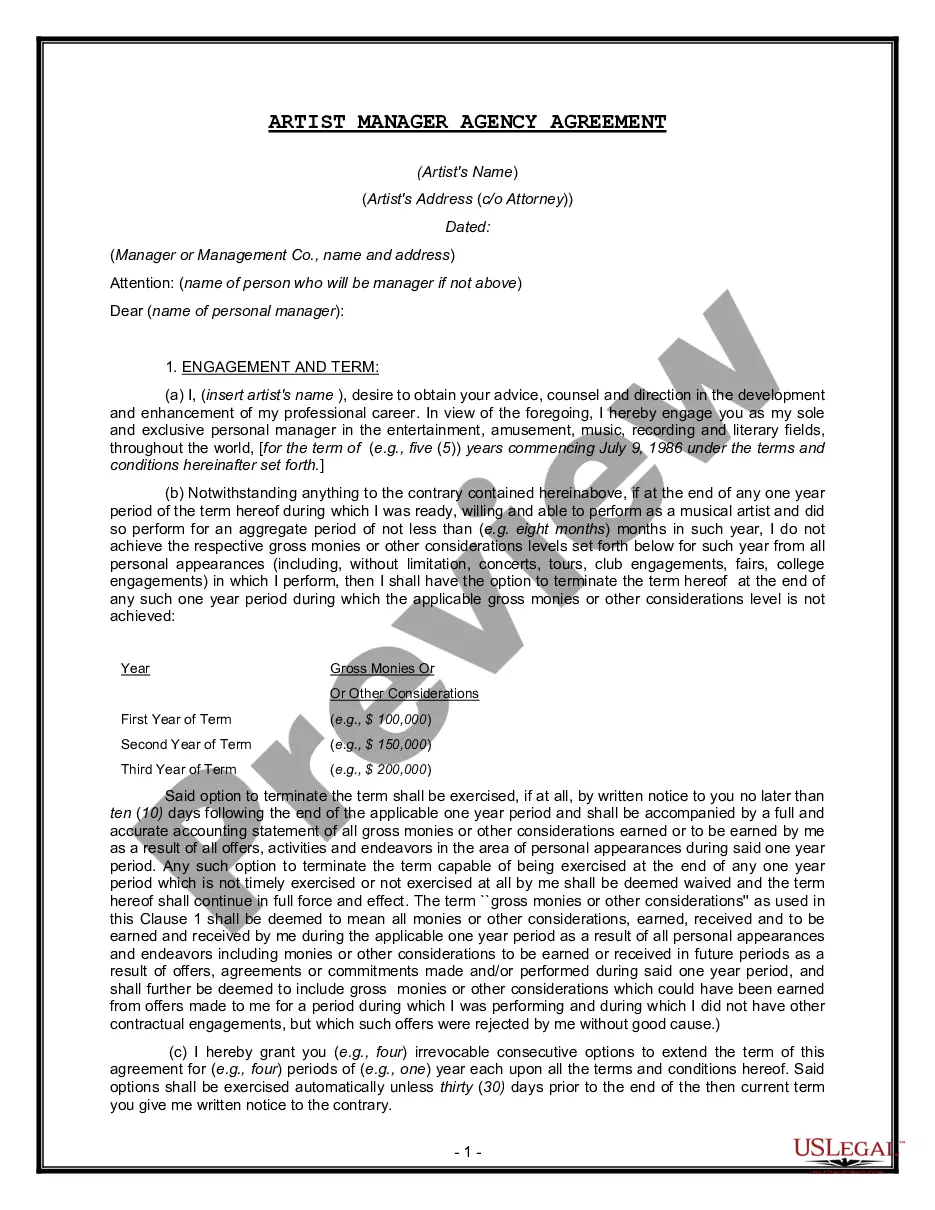
Get your form ready online
Our built-in tools help you complete, sign, share, and store your documents in one place.
Make edits, fill in missing information, and update formatting in US Legal Forms—just like you would in MS Word.
Download a copy, print it, send it by email, or mail it via USPS—whatever works best for your next step.
Sign and collect signatures with our SignNow integration. Send to multiple recipients, set reminders, and more. Go Premium to unlock E-Sign.
If this form requires notarization, complete it online through a secure video call—no need to meet a notary in person or wait for an appointment.
We protect your documents and personal data by following strict security and privacy standards.

Make edits, fill in missing information, and update formatting in US Legal Forms—just like you would in MS Word.

Download a copy, print it, send it by email, or mail it via USPS—whatever works best for your next step.

Sign and collect signatures with our SignNow integration. Send to multiple recipients, set reminders, and more. Go Premium to unlock E-Sign.

If this form requires notarization, complete it online through a secure video call—no need to meet a notary in person or wait for an appointment.

We protect your documents and personal data by following strict security and privacy standards.
Looking for another form?


Form popularity
FAQ
Step 1: Review Talent The first step in building a high-potential development program is to complete a comprehensive review of the current talent in the organization. This holistic approach provides an in-depth understanding of individual potential across the organization.
Step 1: Identifying Talent Needs Identifying talent needs is the foundation of the talent management process. Assessment of current workforce, identify skill gaps, and determine future talent requirements based on organizational goals and objectives.
Next, let's break the talent management process into seven steps or stages. Stage #1: Needs Assessment and Solutions Consideration. Stage #2: Recruitment and Attraction. Stage #3: Hiring and Onboarding. Stage #4: Performance Management. Stage #5 Employee Development. Stage #6: Employee Retention. Stage #7: Succession Planning.
The talent management process usually includes the following steps: Planning. Attracting talent. Selecting. Developing. Retaining. Transitioning.
How to create a talent management plan Understand overall business objectives. Take inventory of team member skills and skill gaps. Tap into outside expertise. Write out the goals and priorities of the strategy. Implement technology to improve efficiency. Track and analyze key metrics. Identify ways to improve company culture.
A typical talent management framework may include the following areas: Talent strategy and planning. Talent acquisition. Employee performance management. Training and development. Succession planning and identifying. Total rewards.
Step 1: Identifying Talent Needs : Identifying talent needs is the foundation of the talent management process. It involves assessing the current workforce, identifying skill gaps, and determining future talent requirements based on organizational goals and objectives.
Managers' commissions are typically between 15 to 20% of an artist's gross income. Whether it's 15% or 20% really depends on the level of the band and the bargaining power of each party. I've seen some net deals, but they are extremely rare. That being said, I always push for a net commission on merchandise.
How long is a normal artist manager contract? The standard length of the management contract is three years but it can vary from 2 to 5 years on a case by case basis. Most contracts also include a "Sunset" clause.
As a general rule, managers take a percentage of all income generated by the artist in exchange for their management services. Commission rates typically range from 15-25% of the artist's gross income from: Recording royalties: Sales, streaming and licensing of recorded music.
