Contracts For Music Artists In Maricopa
Description

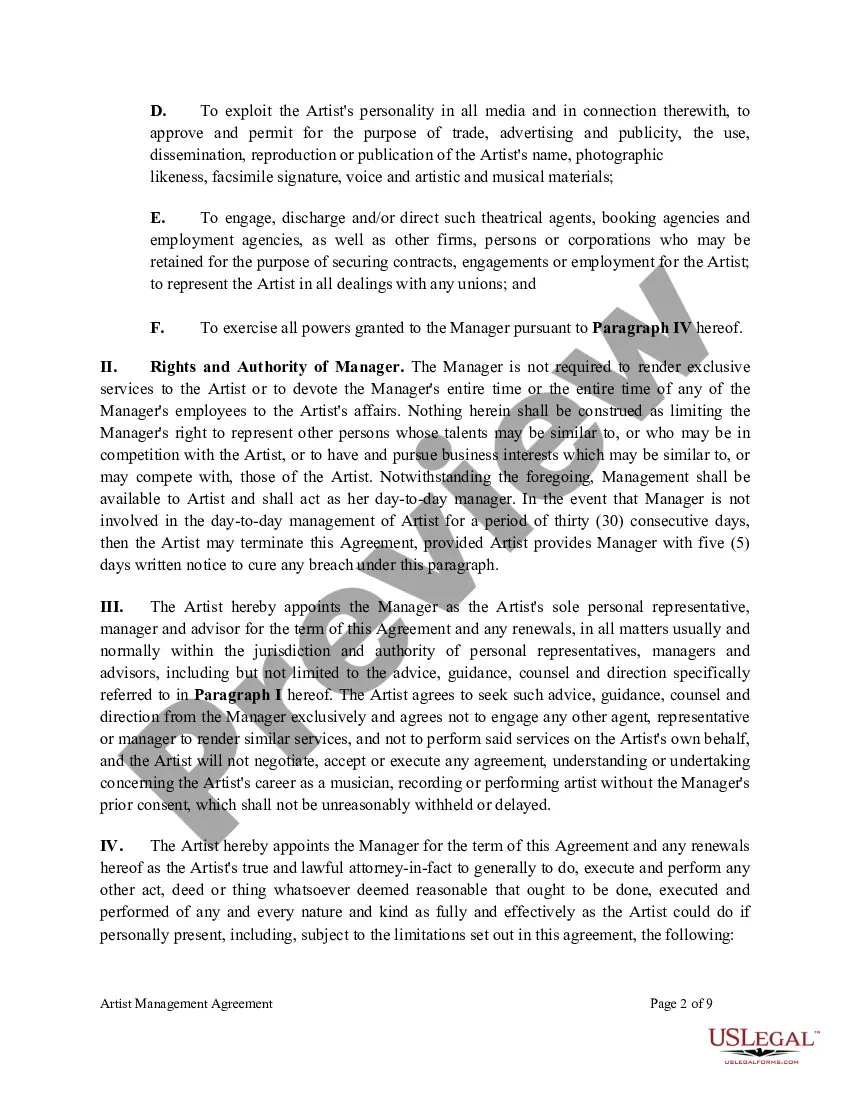
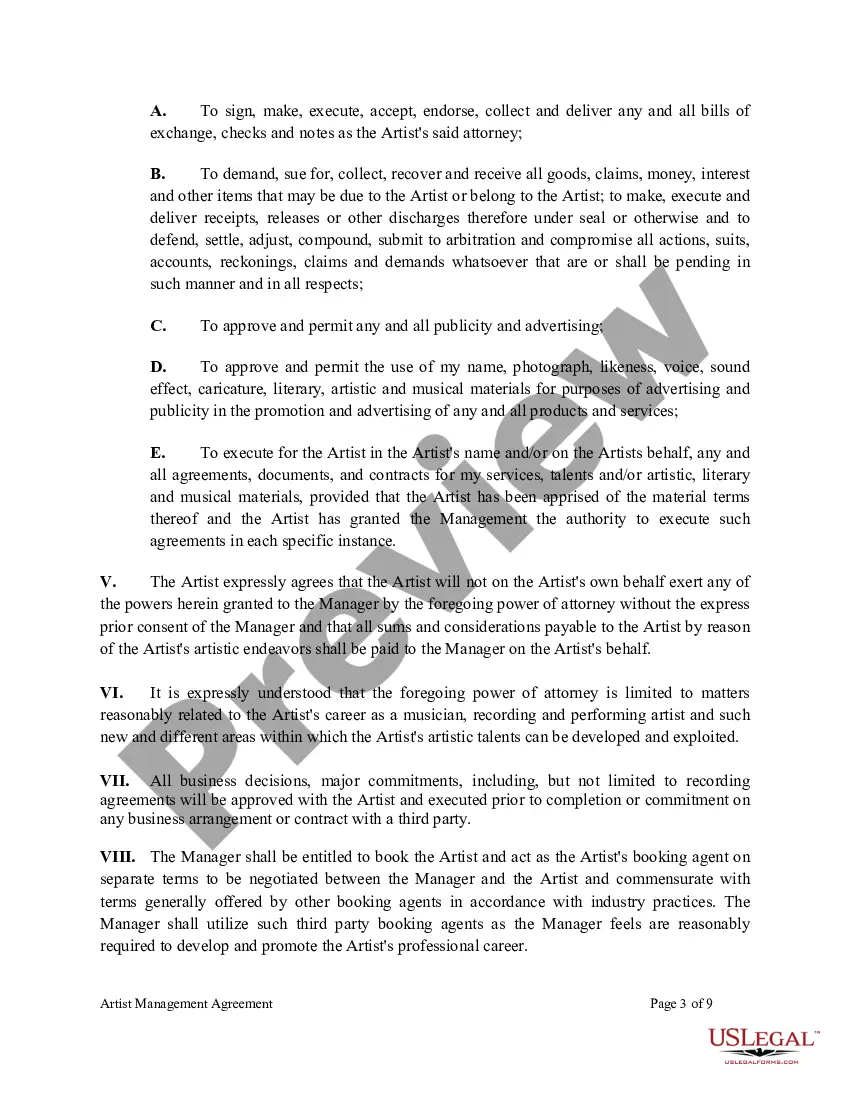
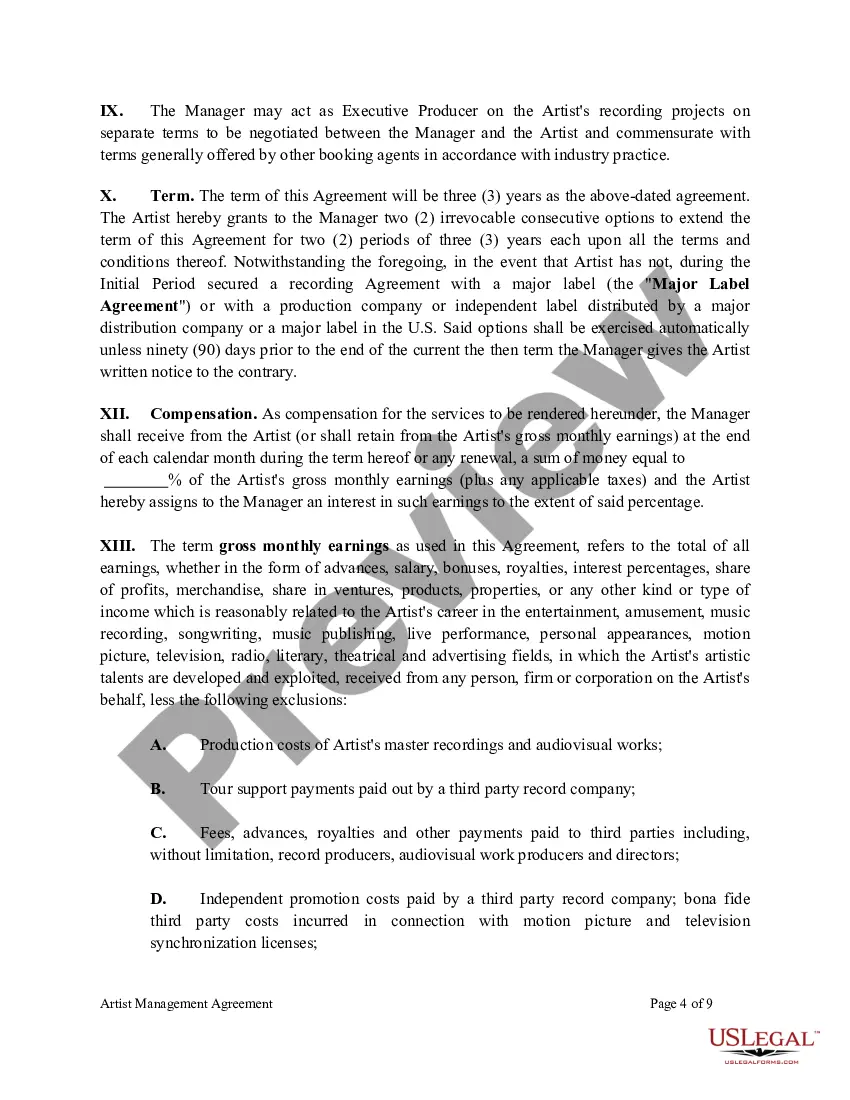
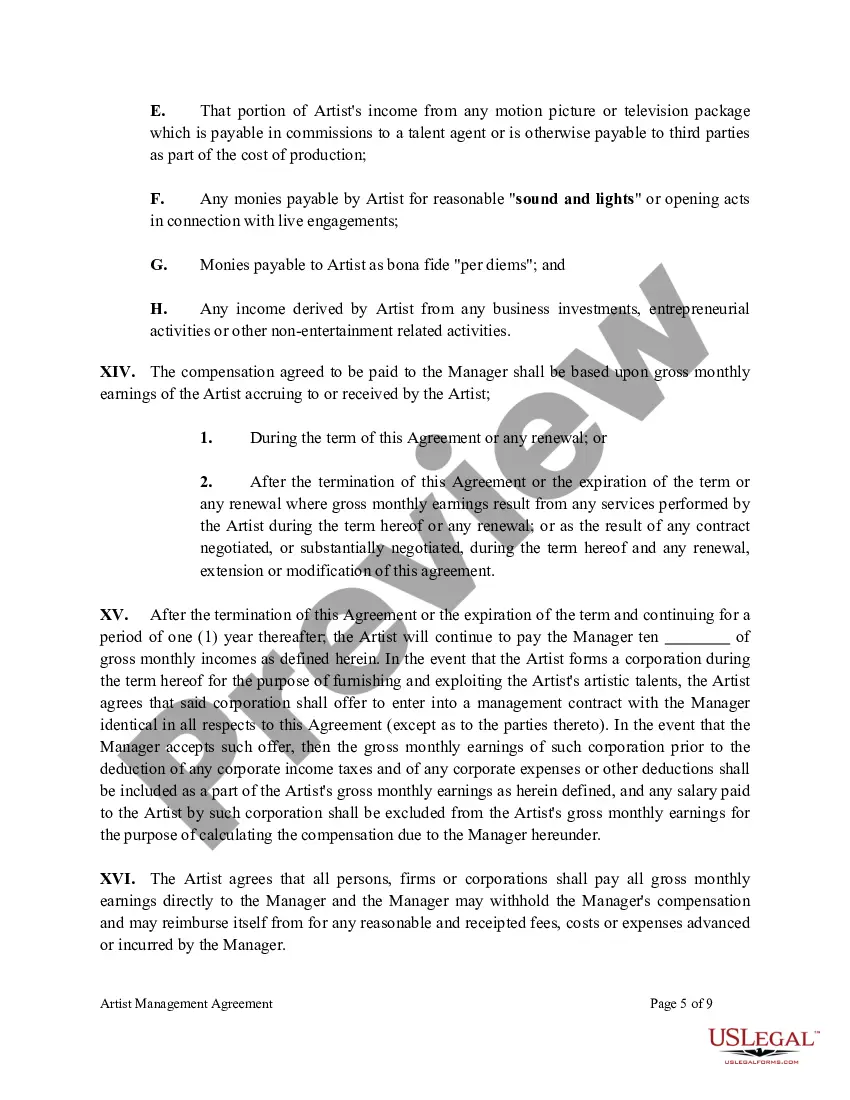
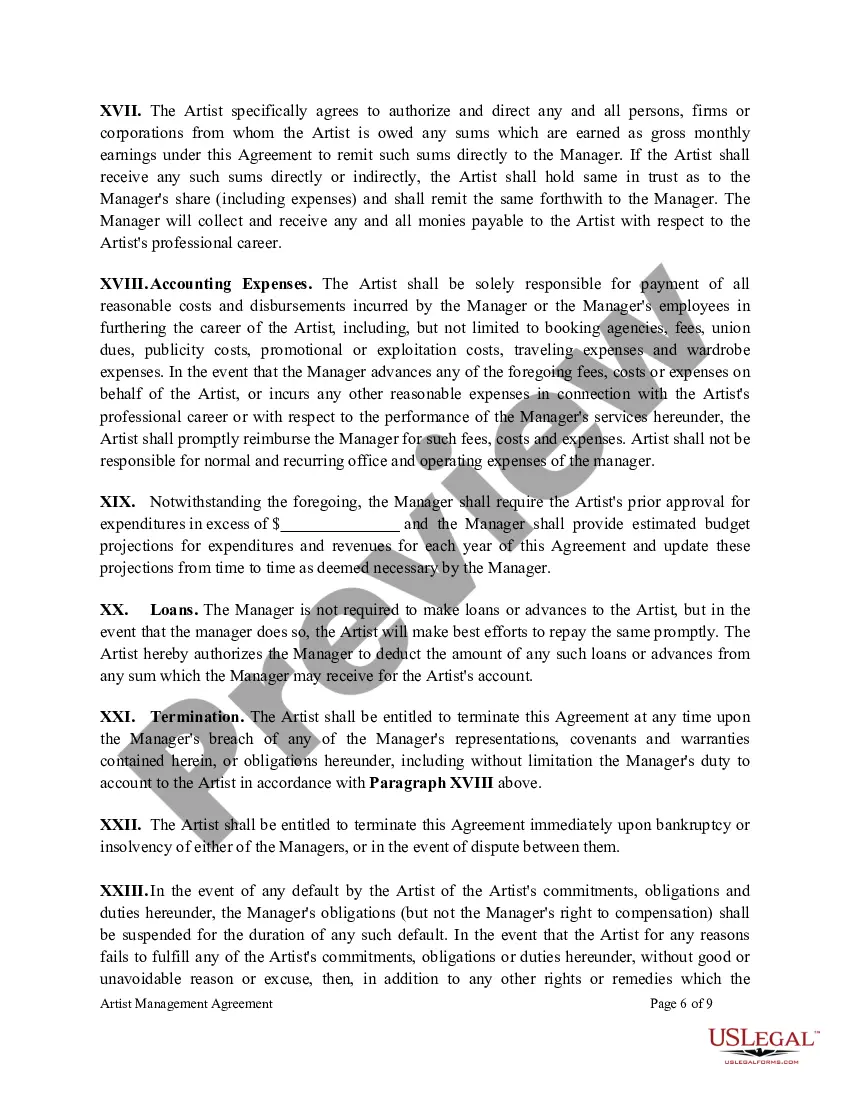
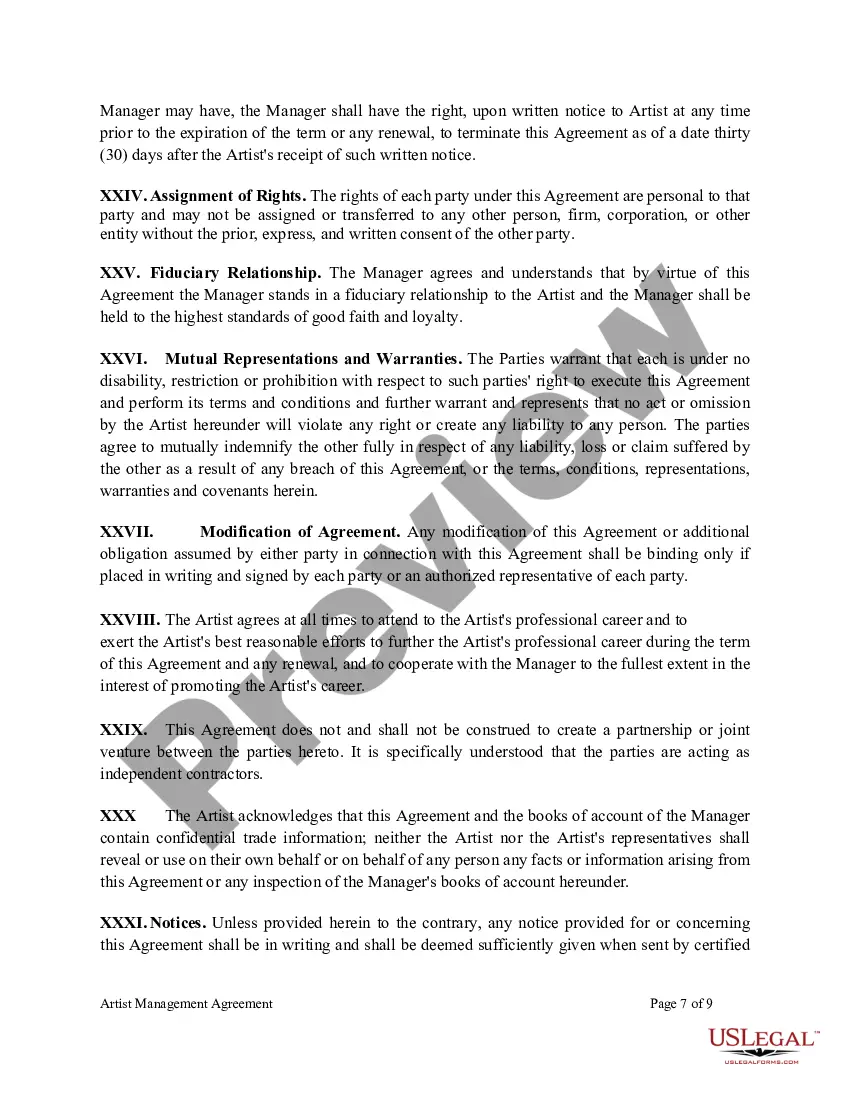
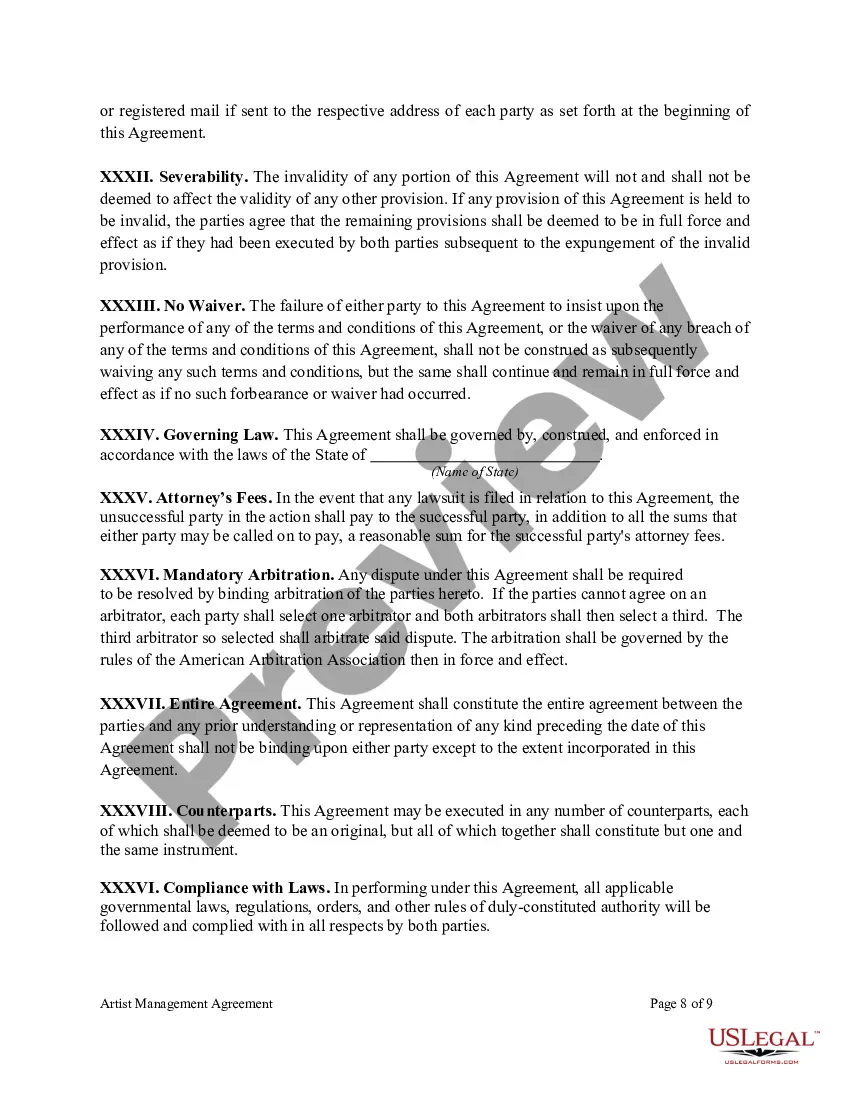
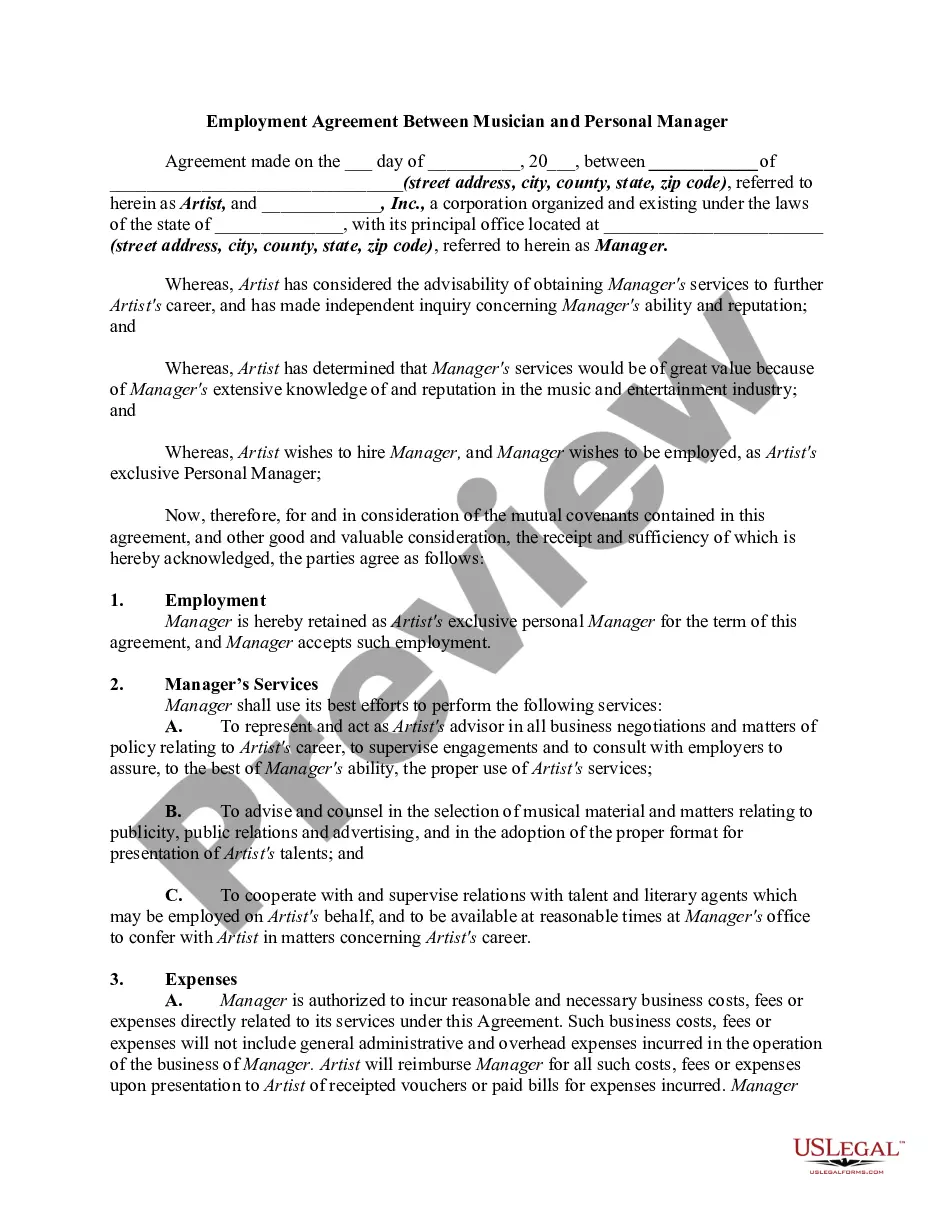

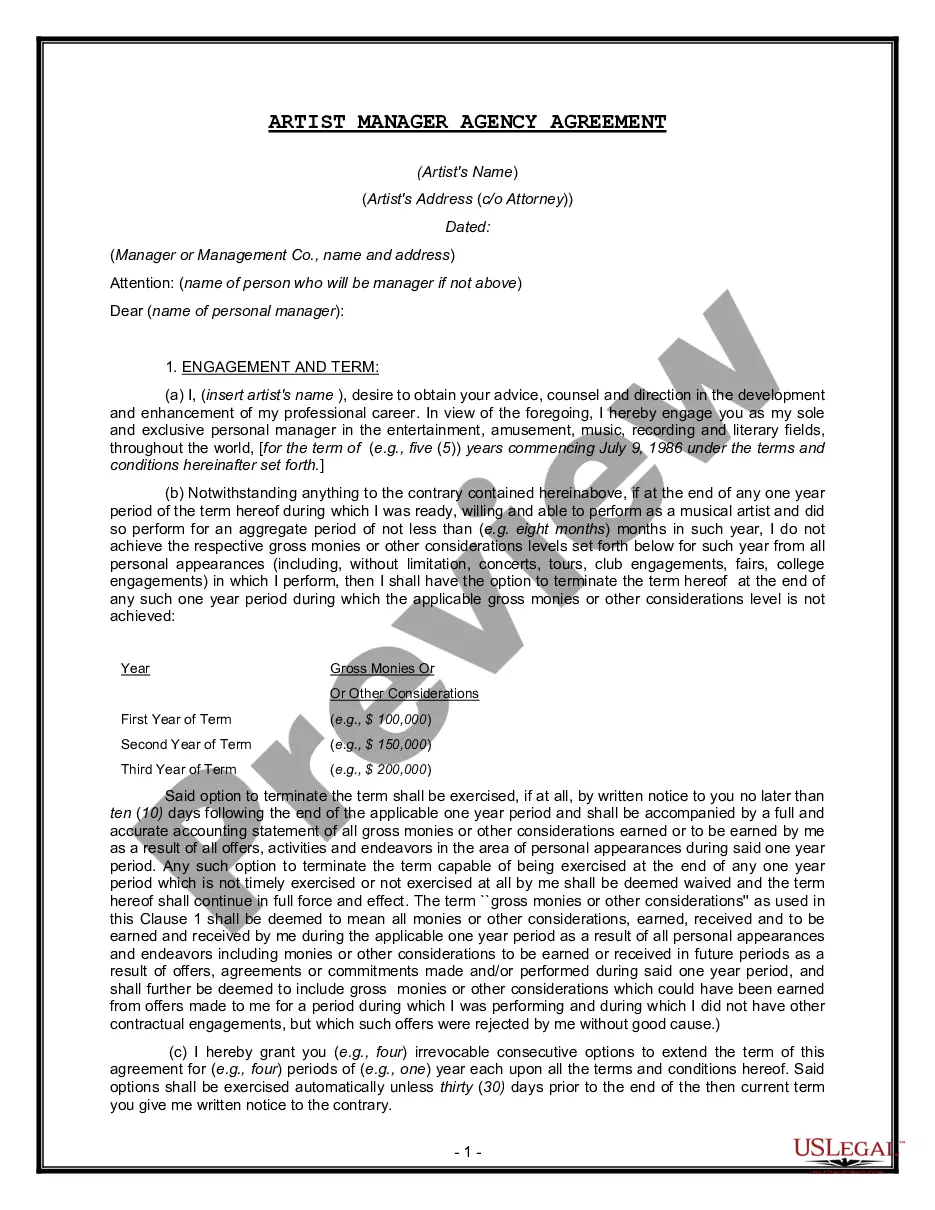
Get your form ready online
Our built-in tools help you complete, sign, share, and store your documents in one place.
Make edits, fill in missing information, and update formatting in US Legal Forms—just like you would in MS Word.
Download a copy, print it, send it by email, or mail it via USPS—whatever works best for your next step.
Sign and collect signatures with our SignNow integration. Send to multiple recipients, set reminders, and more. Go Premium to unlock E-Sign.
If this form requires notarization, complete it online through a secure video call—no need to meet a notary in person or wait for an appointment.
We protect your documents and personal data by following strict security and privacy standards.

Make edits, fill in missing information, and update formatting in US Legal Forms—just like you would in MS Word.

Download a copy, print it, send it by email, or mail it via USPS—whatever works best for your next step.

Sign and collect signatures with our SignNow integration. Send to multiple recipients, set reminders, and more. Go Premium to unlock E-Sign.

If this form requires notarization, complete it online through a secure video call—no need to meet a notary in person or wait for an appointment.

We protect your documents and personal data by following strict security and privacy standards.
Looking for another form?







Form popularity
FAQ
Your Music Recording Contract should cover details like: Compensation and royalties. Where and when the album will be recorded. The album's release date. Who has creative control over specific elements of the album. The termination clause. The exclusive agreement clause. Dispute resolution. Promotional appearances.
A contract should state each party's obligations/responsibilities, the scope of work, and the agreement as to compensation. It does not have to be written in legalise unless you are spelling out terms for a complicated project. The contract should include all the agreements you have with the other party.
Artist Contract Template ARTIST RESPONSIBILITIES. The organization is hiring the artist to (state specifics of the work, e.g., perform live music) on (dates and location). COMPENSATION. PAYMENTS. RECORDING. EXPENSES. EQUIPMENT AND SERVICES. OTHER TERMS AND CONDITIONS. CANCELLATIONS.
Just like some agents are finding artists on the web, you can find your next agent through a simple online search. Start local, looking for artist agents in your area. You can search “artist representative,” “private art dealer,” or “fine art representation” with your city or zip code to get some great results.
A musician contract is a formal document that outlines the terms and conditions under which a musician, band, or recording artist exclusively collaborates with a record label, music recording company, or any other entity involved in the music industry.
Getting into the music industry is all about networking, showcasing your talent, and staying consistent. Start by building an online presence with platforms like TikTok or YouTube and connect with people already in the industry--go to local shows, attend music events, and make friends with other artists and producers.
How to get signed by a record label Define your sound. Build your online presence. Release high-quality music. Develop your industry network. Submit your music. Music managers and music lawyers.
Email: If you can find their professional email, this is often the best way to reach out. Social Media: Platforms like Instagram or Twitter can also be effective. Send a direct message if they're open to it. Networking Events: Attend industry events, workshops, or open mics where you might meet producers in person.
