Talent Management Contract For Dummies In Kings
Description

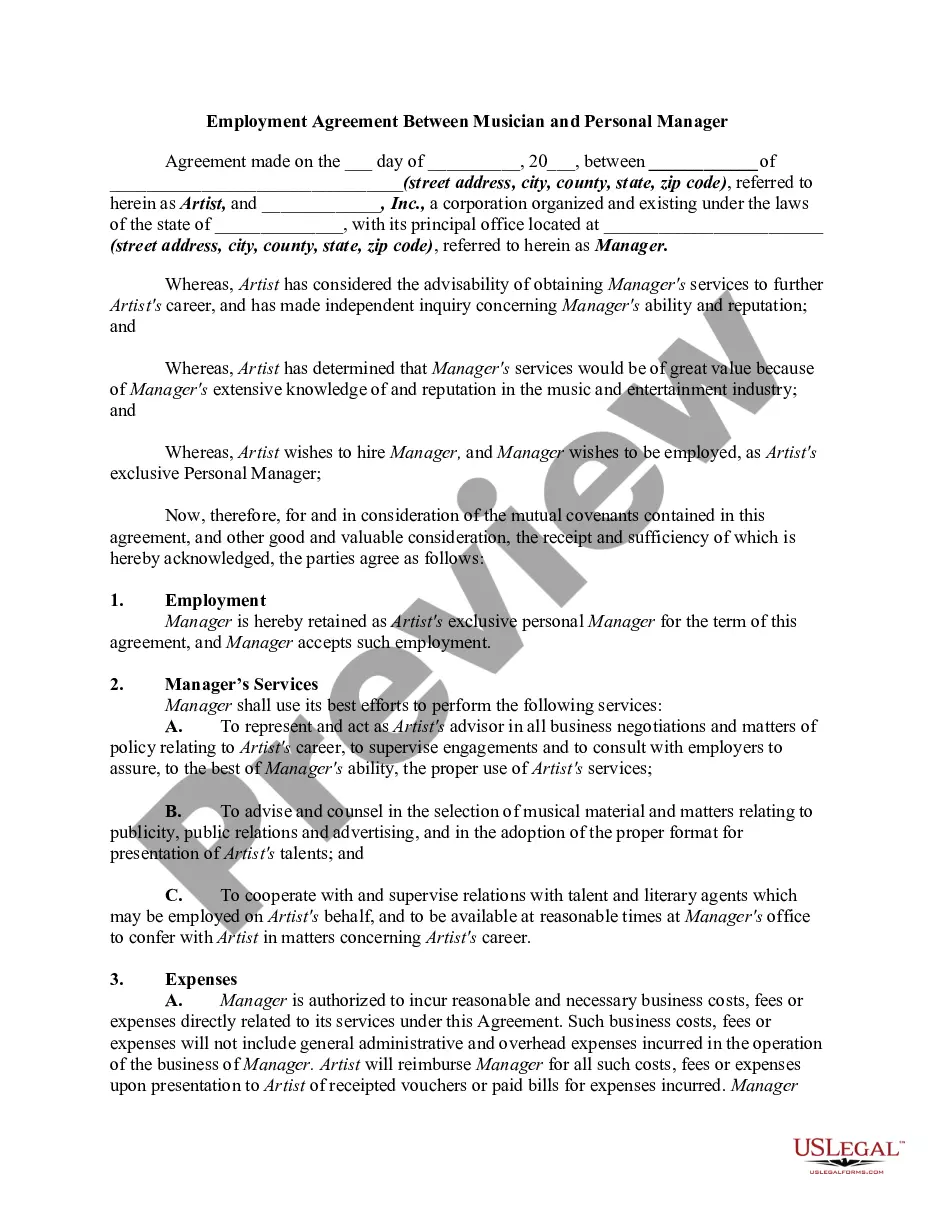
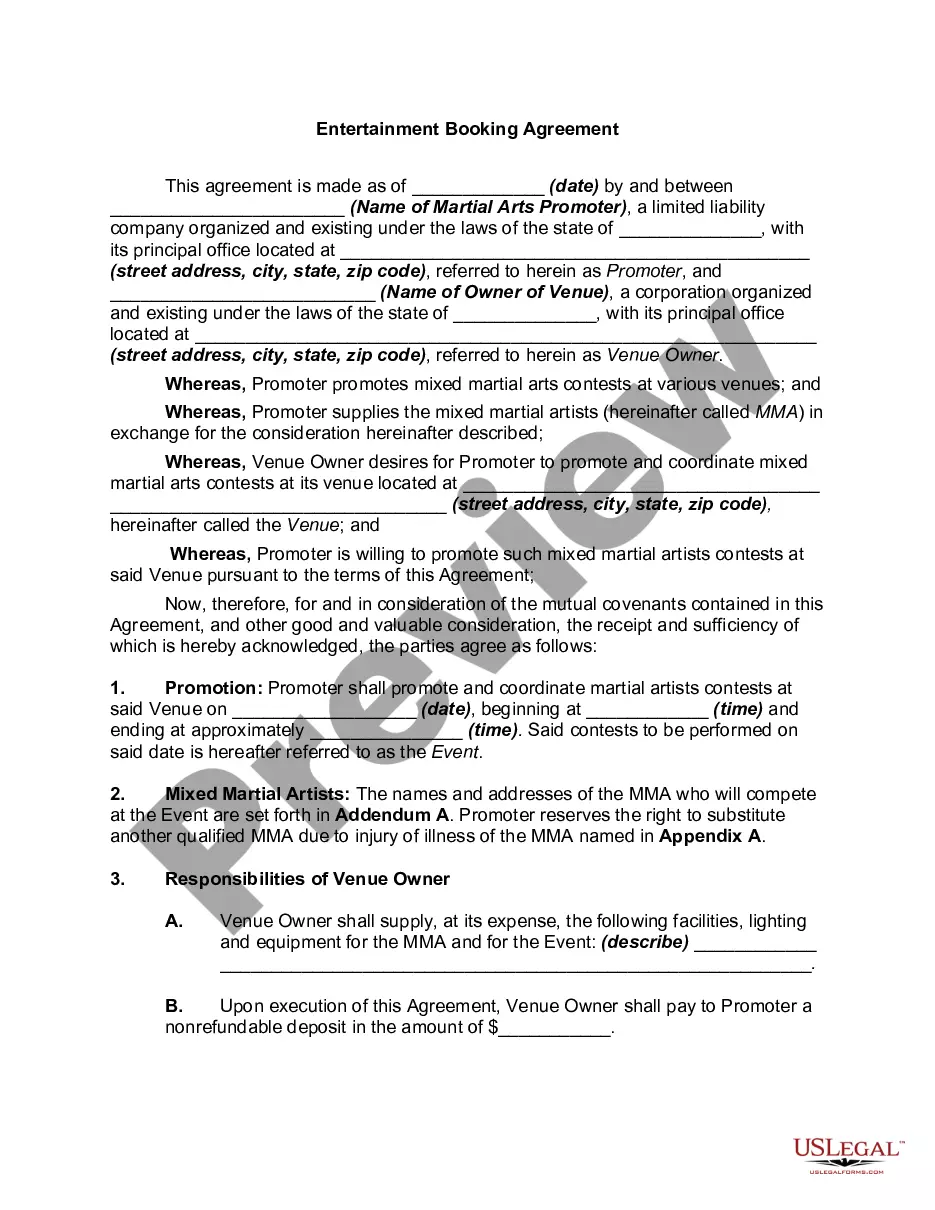
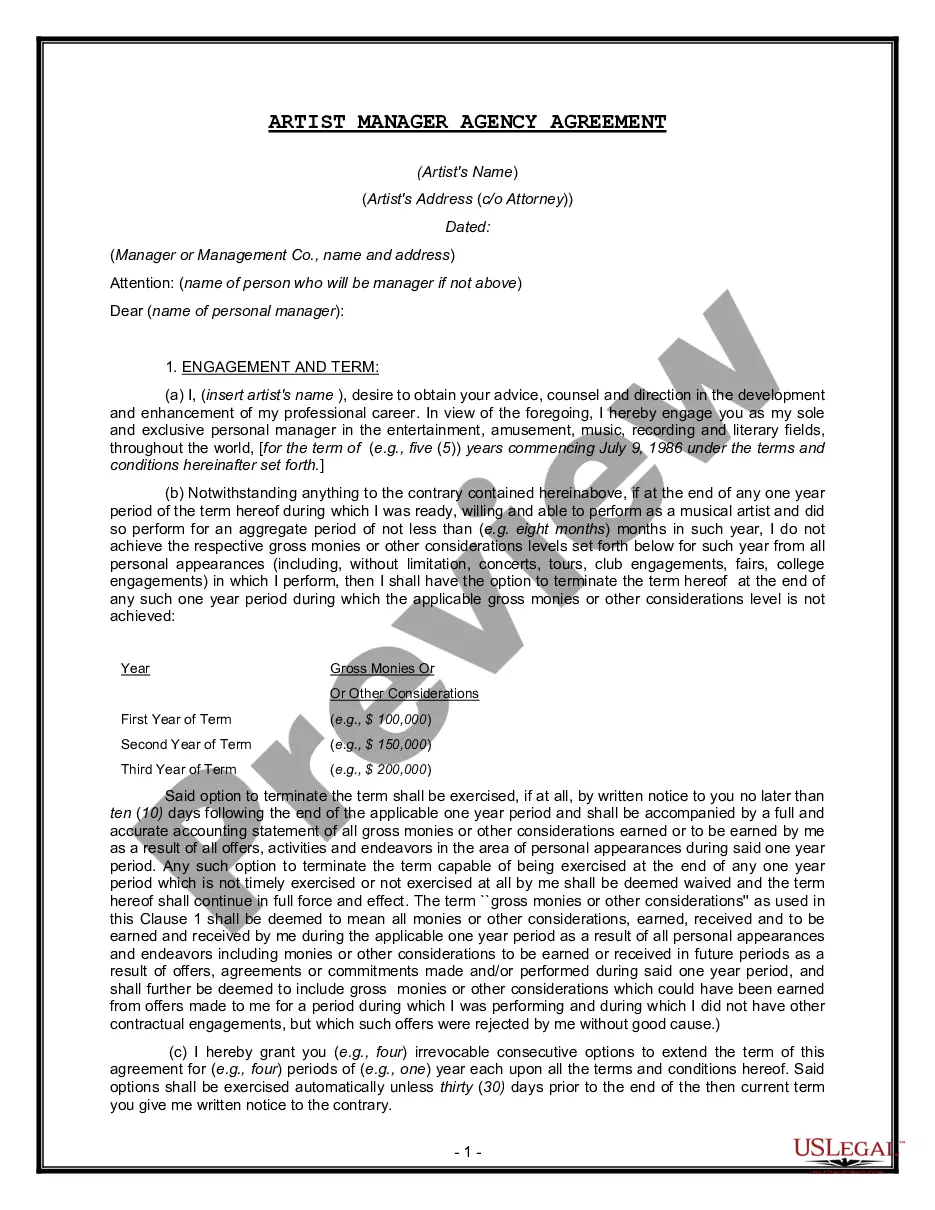
Get your form ready online
Our built-in tools help you complete, sign, share, and store your documents in one place.
Make edits, fill in missing information, and update formatting in US Legal Forms—just like you would in MS Word.
Download a copy, print it, send it by email, or mail it via USPS—whatever works best for your next step.
Sign and collect signatures with our SignNow integration. Send to multiple recipients, set reminders, and more. Go Premium to unlock E-Sign.
If this form requires notarization, complete it online through a secure video call—no need to meet a notary in person or wait for an appointment.
We protect your documents and personal data by following strict security and privacy standards.

Make edits, fill in missing information, and update formatting in US Legal Forms—just like you would in MS Word.

Download a copy, print it, send it by email, or mail it via USPS—whatever works best for your next step.

Sign and collect signatures with our SignNow integration. Send to multiple recipients, set reminders, and more. Go Premium to unlock E-Sign.

If this form requires notarization, complete it online through a secure video call—no need to meet a notary in person or wait for an appointment.

We protect your documents and personal data by following strict security and privacy standards.
Looking for another form?










Form popularity
FAQ
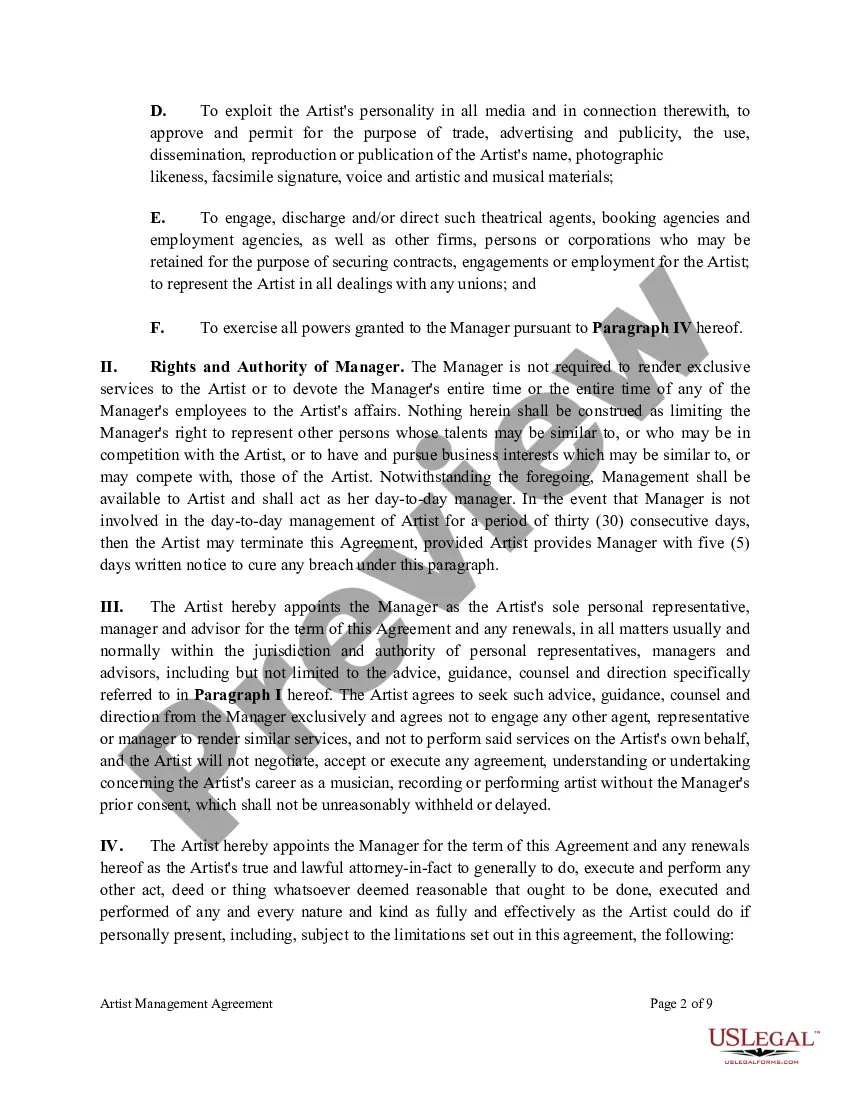
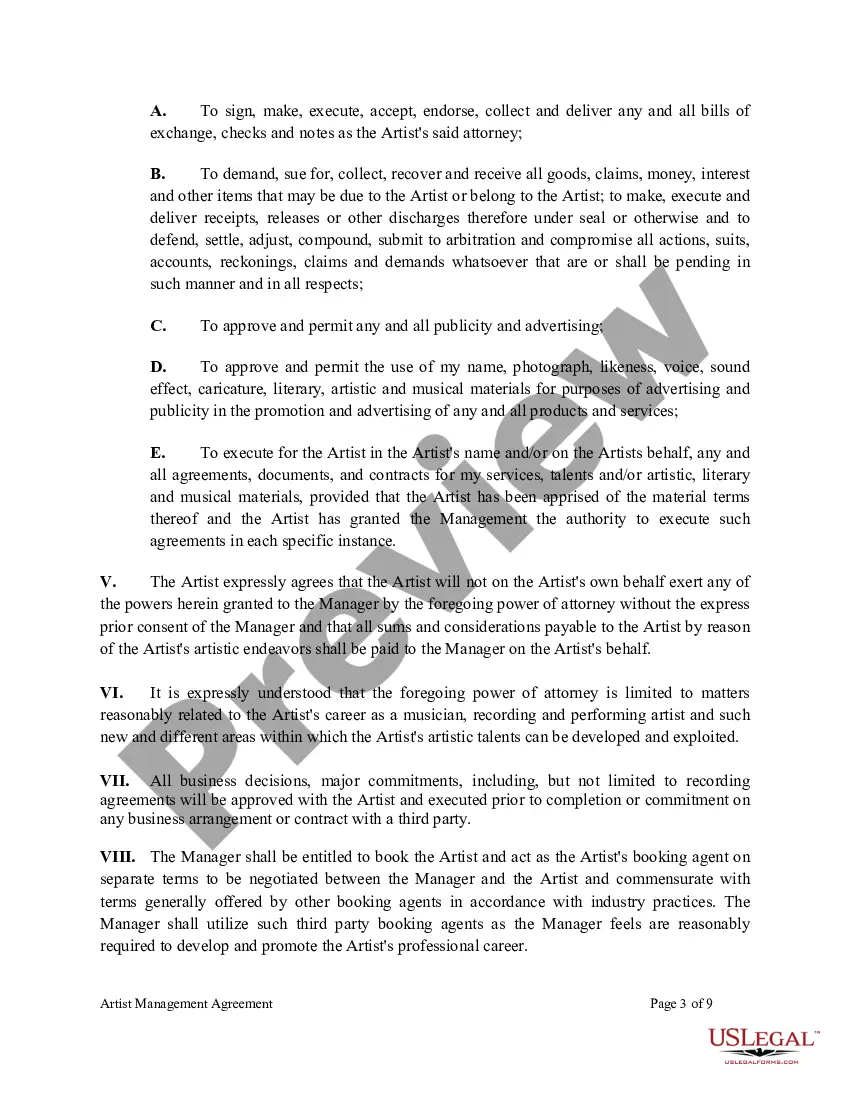
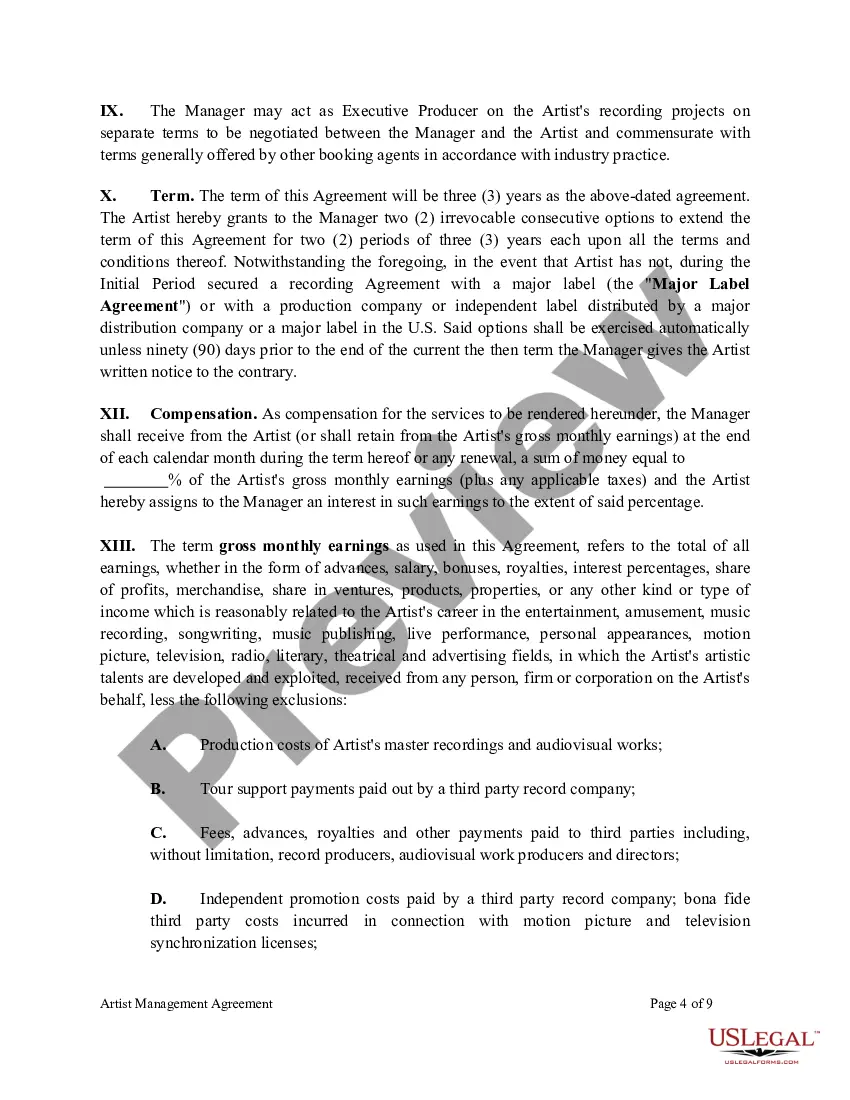
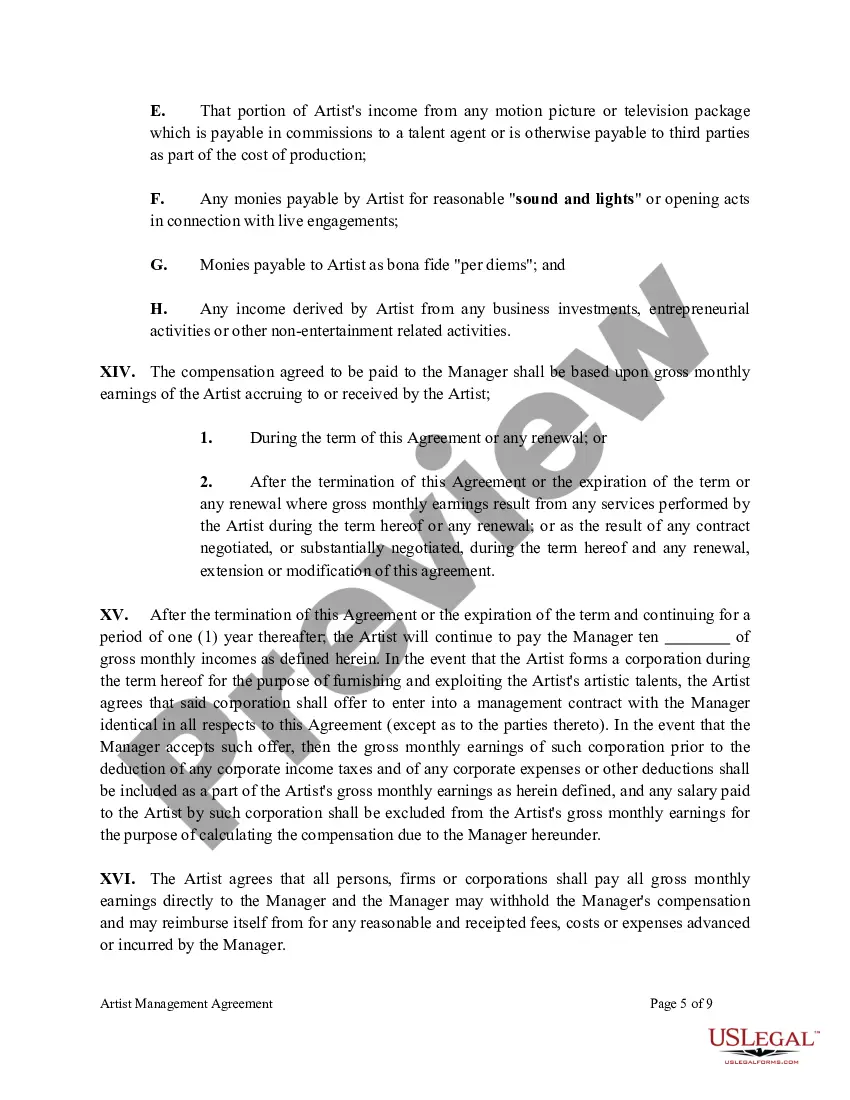
A talent manager will receive a 15 percent commission on all bookings. This means that if you are working with both a manager and an agent, 25% of your earnings will go to representation.
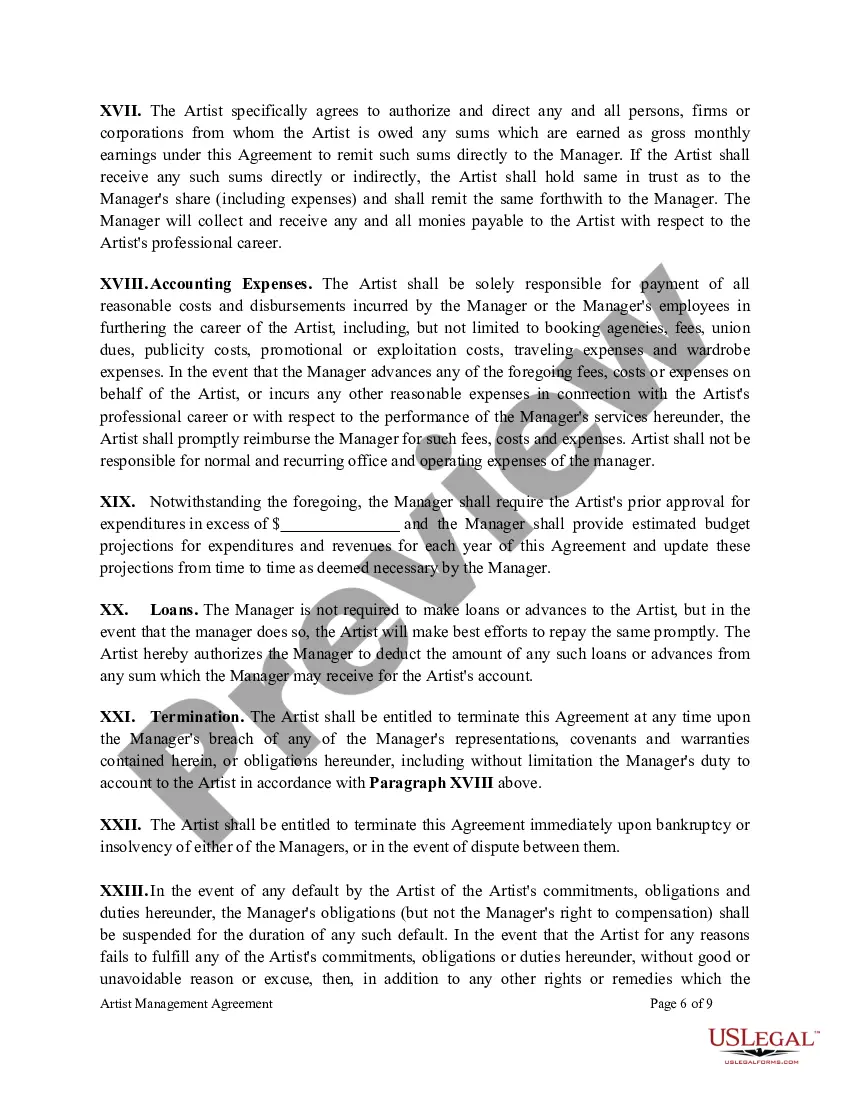
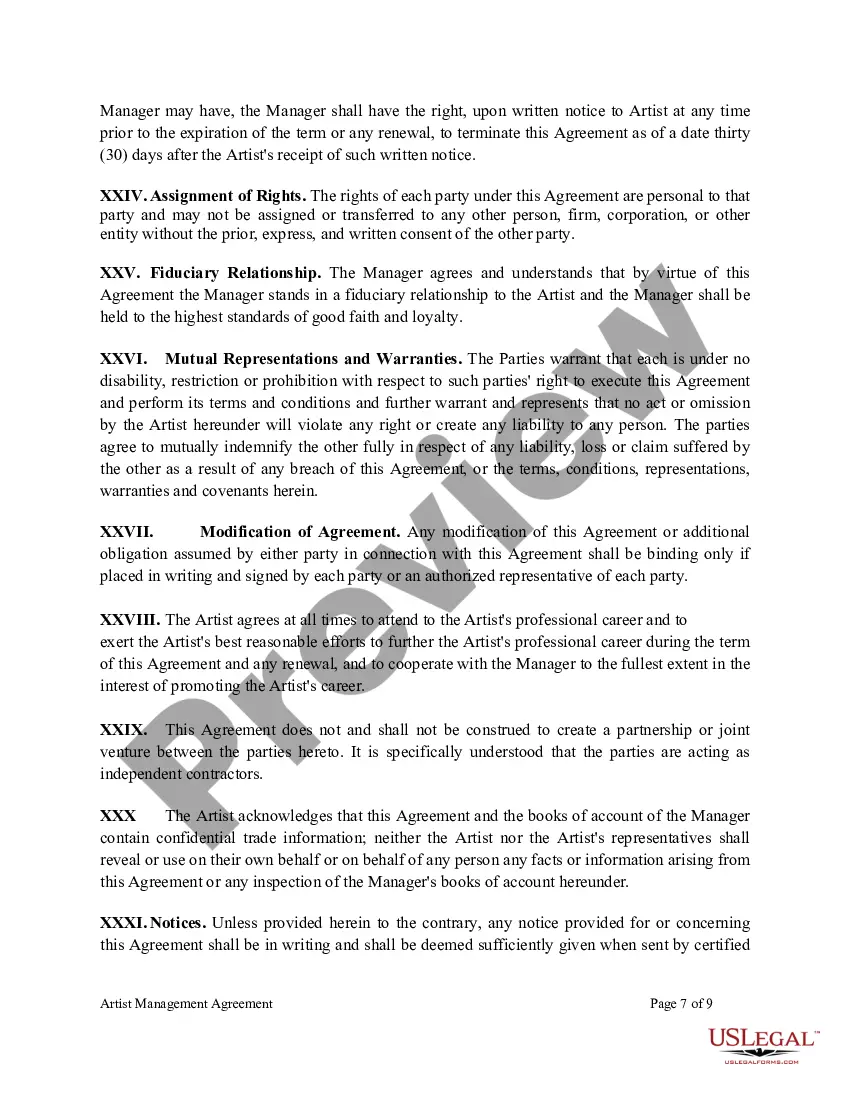
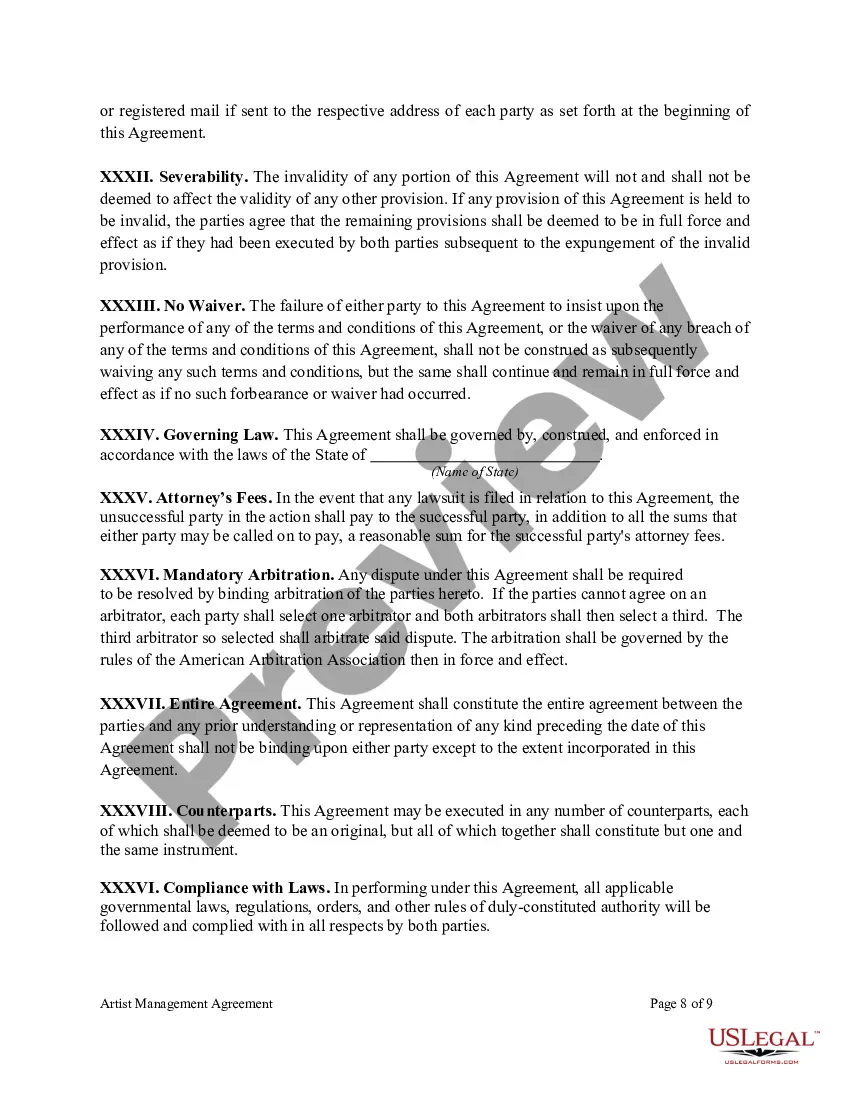
5 Must-Have Clauses in Artist Management Contracts Commission Rates. Term Length in Management Agreements. Decision-Making Authority. Sunset Clause (place after Term) ... Exclusivity.
How to become a talent manager Earn your degree. Many employers might require you to earn a high school diploma, while others may prefer a bachelor's degree. Gain experience in the entertainment industry. Network with industry professionals. Determine your niche. Join an organization for support.
Agents are not allowed to take more than 10% of their client's earnings ing to union guidelines, but managers don't suffer from the same restriction. Many accept 10%, but quite a few ask for 15%, and others work on a sliding scale.
Managers usually takes a percentage of the artist's income. This typically ranges between 10 to 20% and is usually 15% for indie artists in my experience.
Managers generally take, on average, 10-15 percent commission. Fifteen percent is considered higher- end compensation in the industry. This should be clearly spelled out in your agreement with your personal manager.
A business management agreement formalizes the working relationship between a business and its manager. The contract will include information such as budgeting, the percentage of business revenue owed to the manager, and confidentiality requirements.
How To Become A Talent Manager? Complete your education. Gain relevant experience in the entertainment industry. Build industry connections. Determine your area of expertise. Create a portfolio. Join a professional association. Create your resume.
How to become a talent manager Earn your degree. Many employers might require you to earn a high school diploma, while others may prefer a bachelor's degree. Gain experience in the entertainment industry. Network with industry professionals. Determine your niche. Join an organization for support.
As a general rule, managers take a percentage of all income generated by the artist in exchange for their management services. Commission rates typically range from 15-25% of the artist's gross income from: Recording royalties: Sales, streaming and licensing of recorded music.
