Management Business Examples In Kings
Description

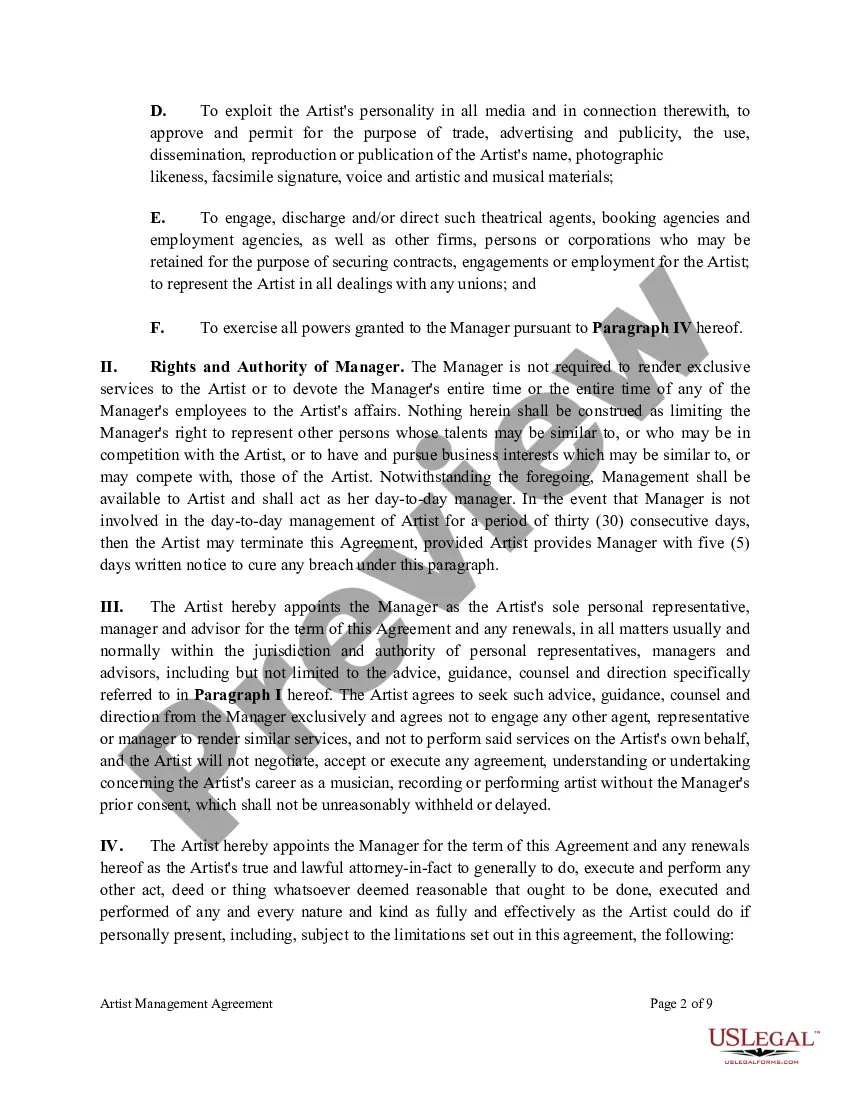
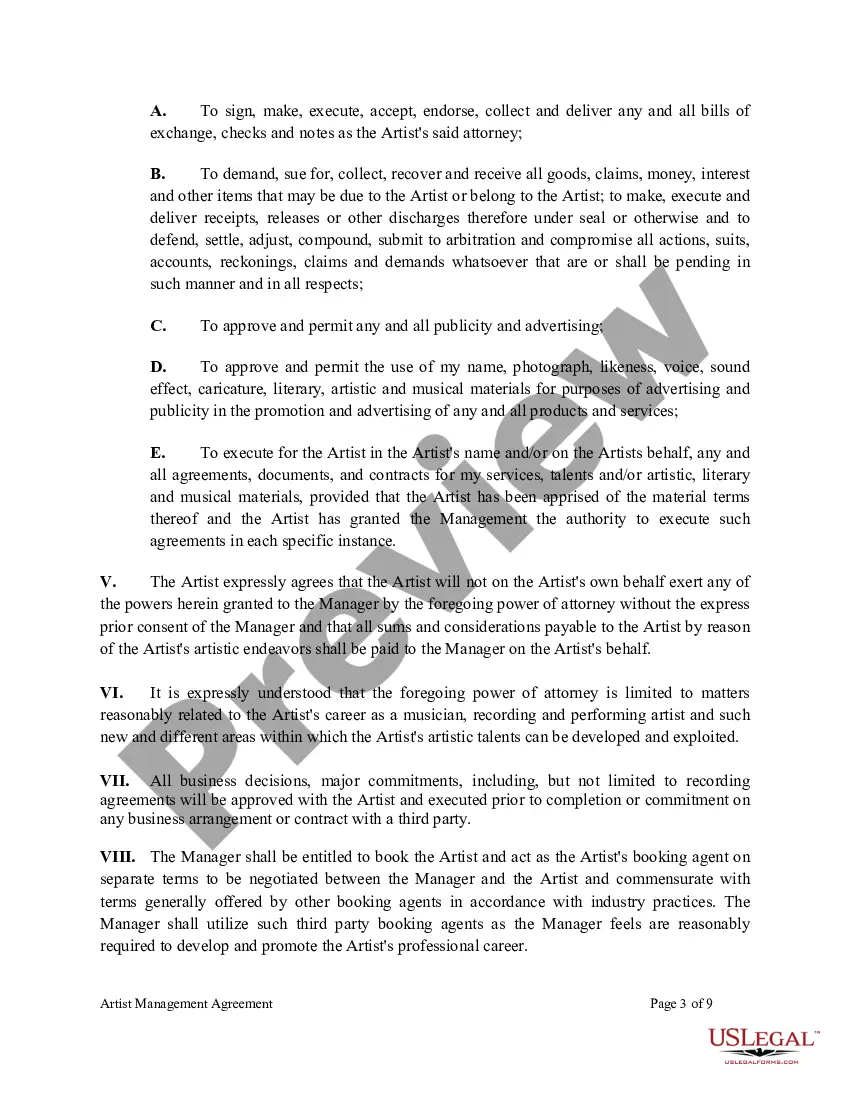
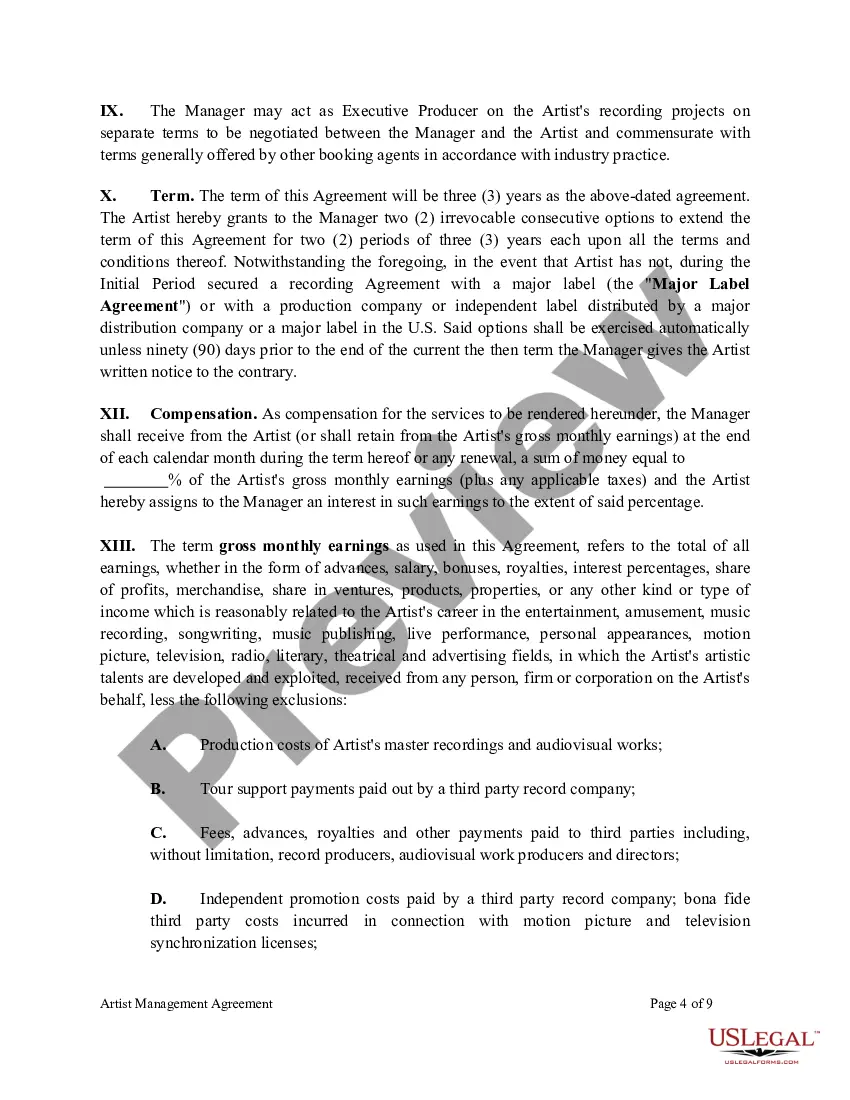
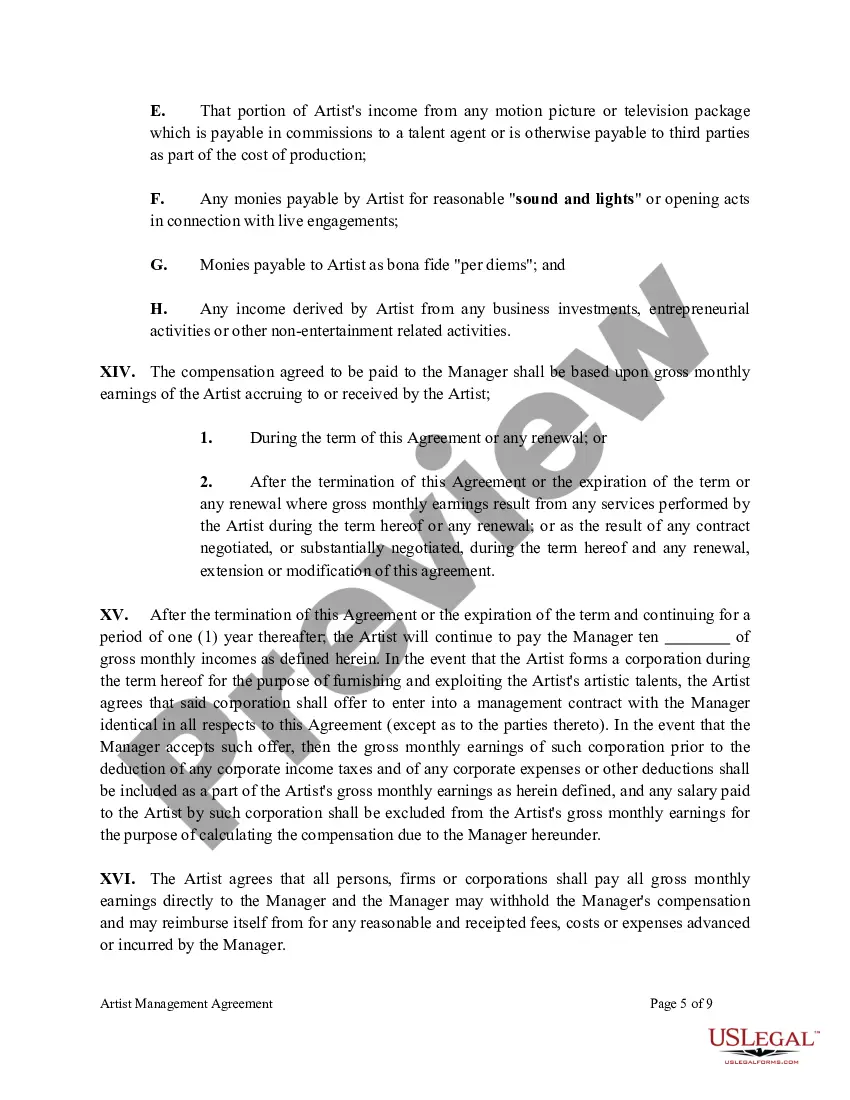
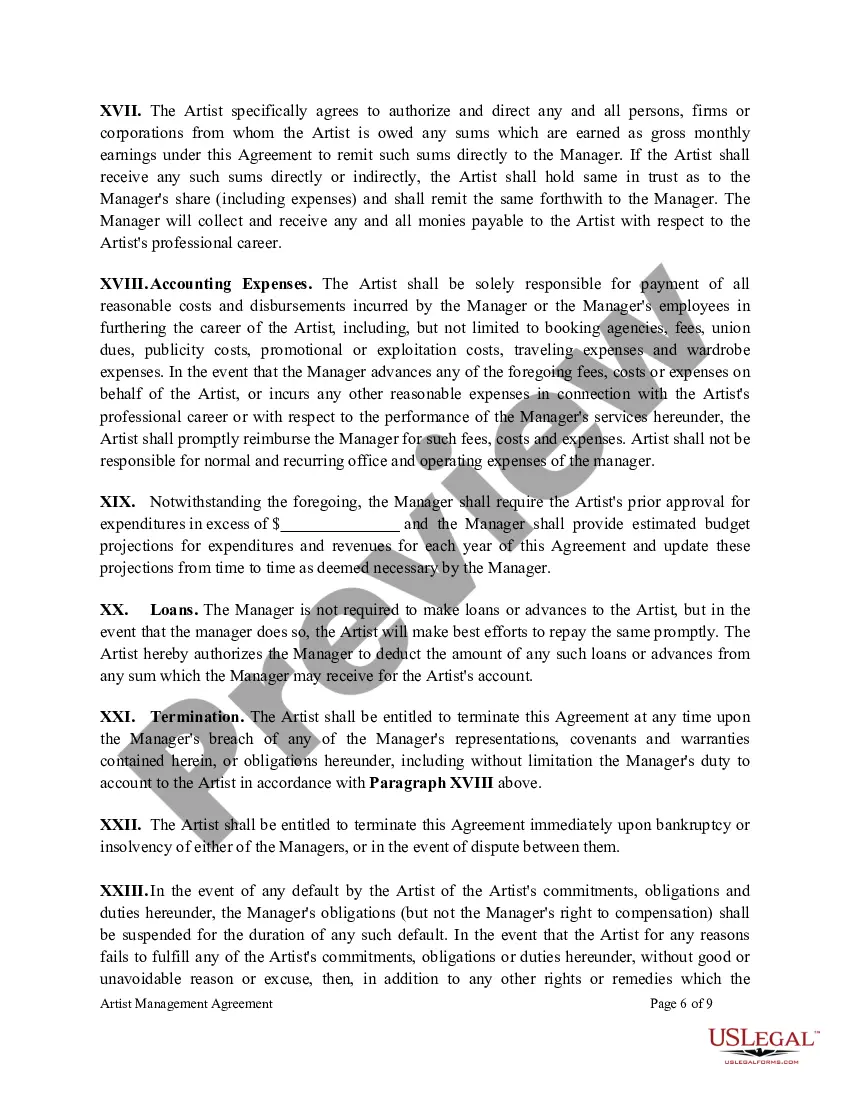
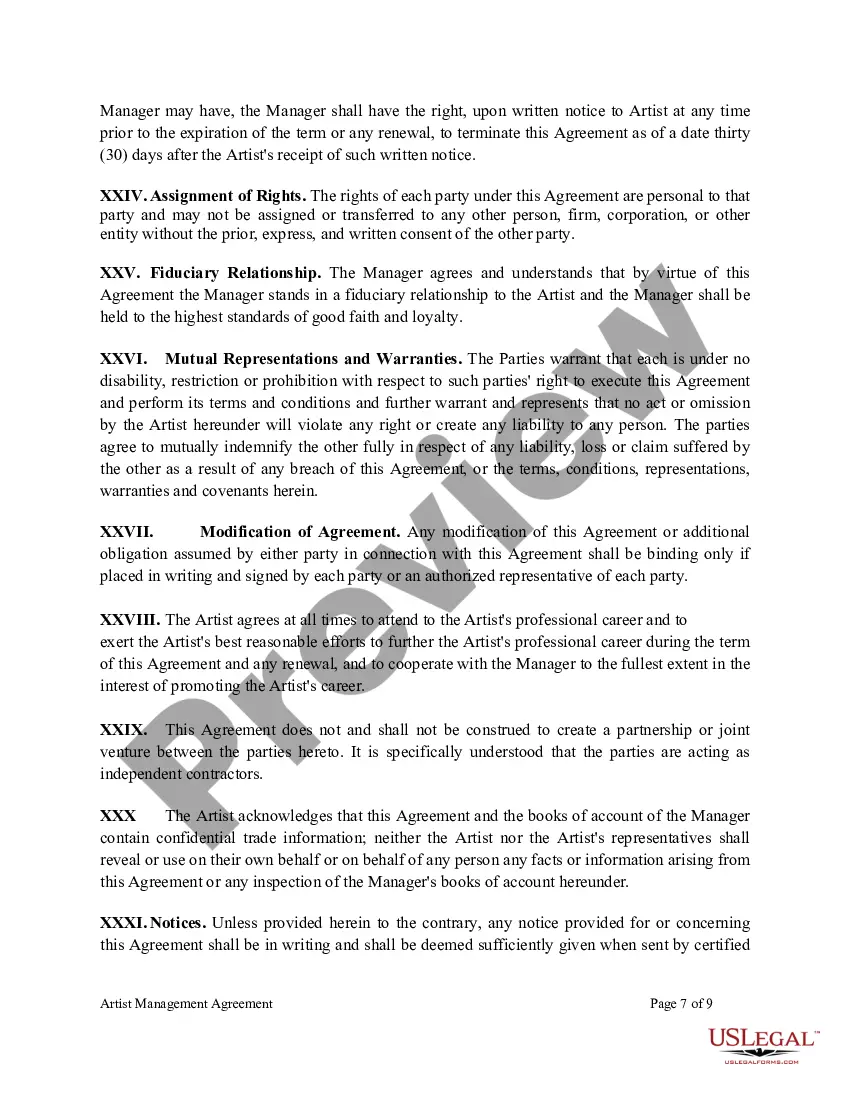
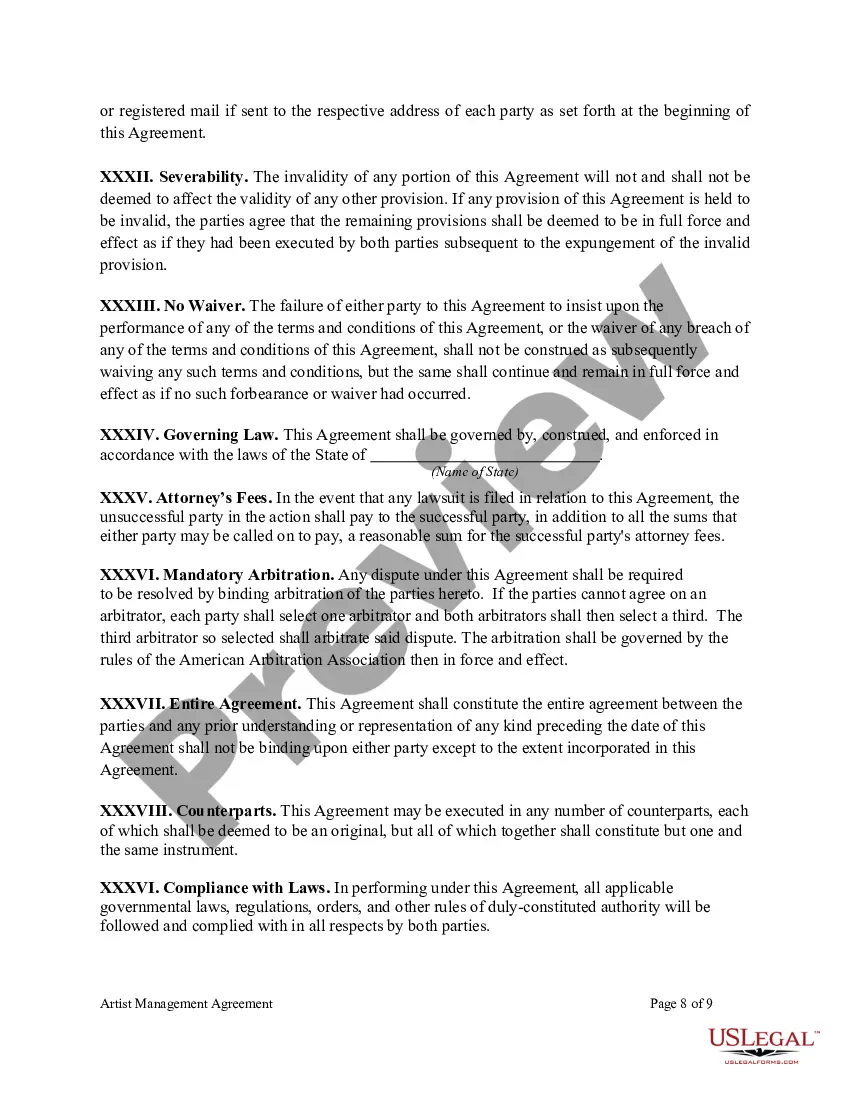

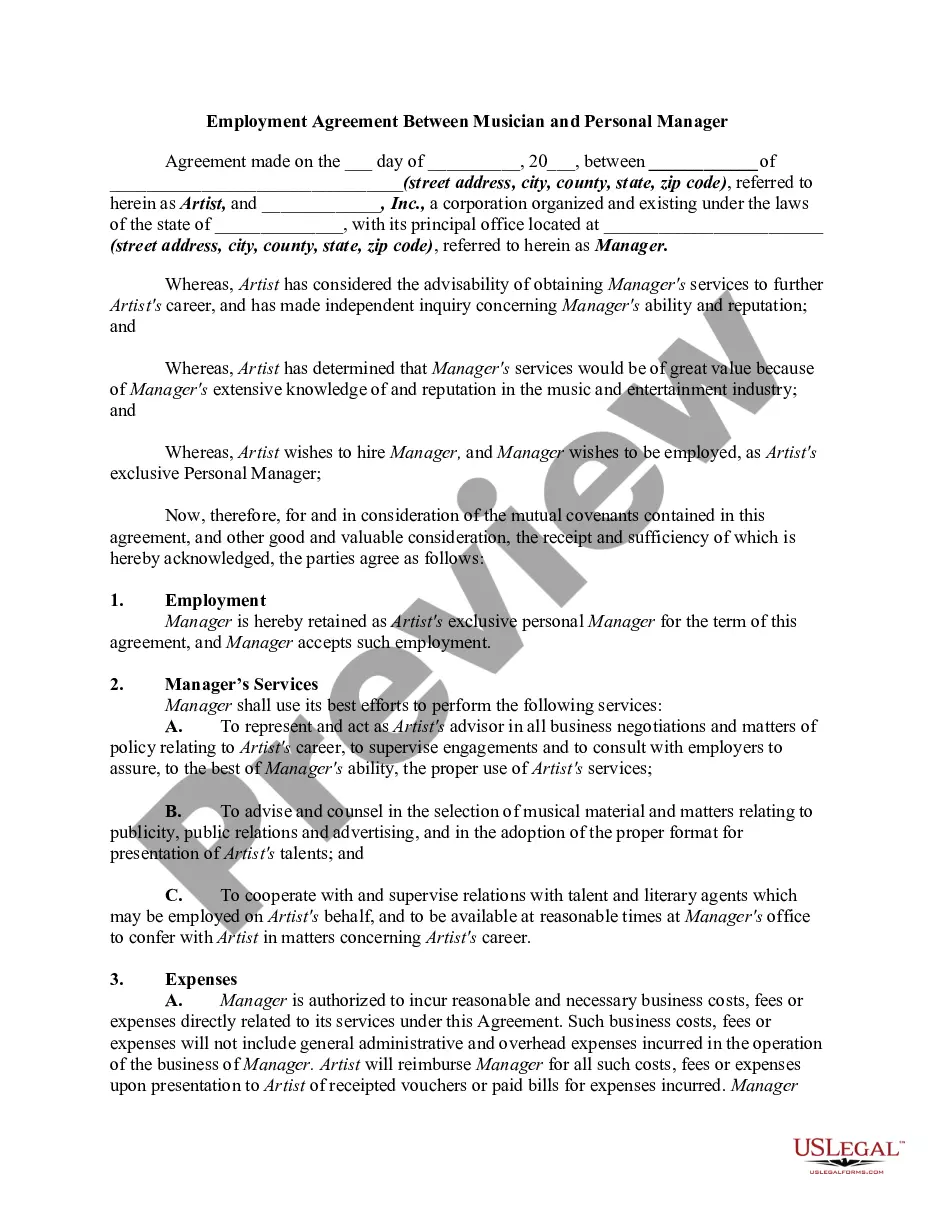
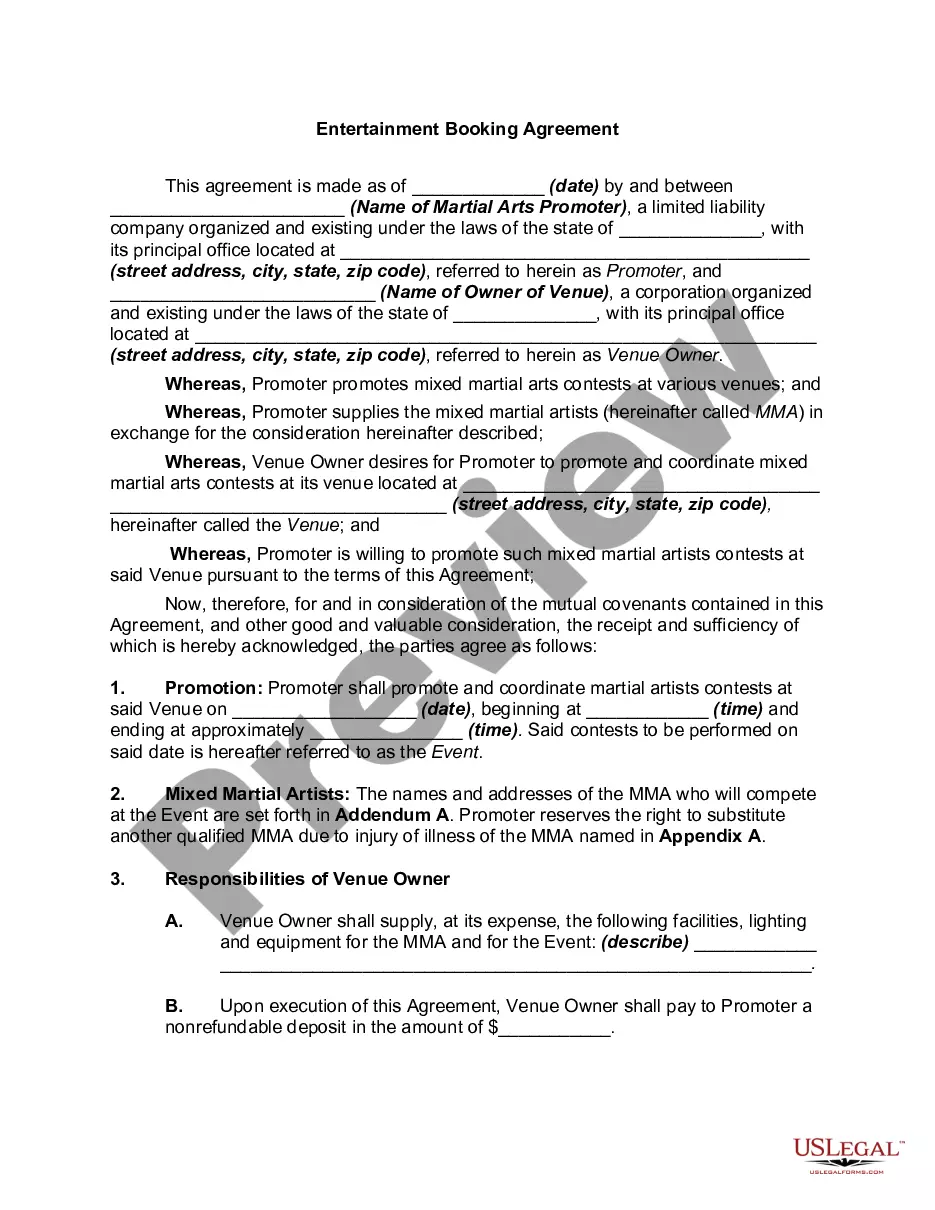
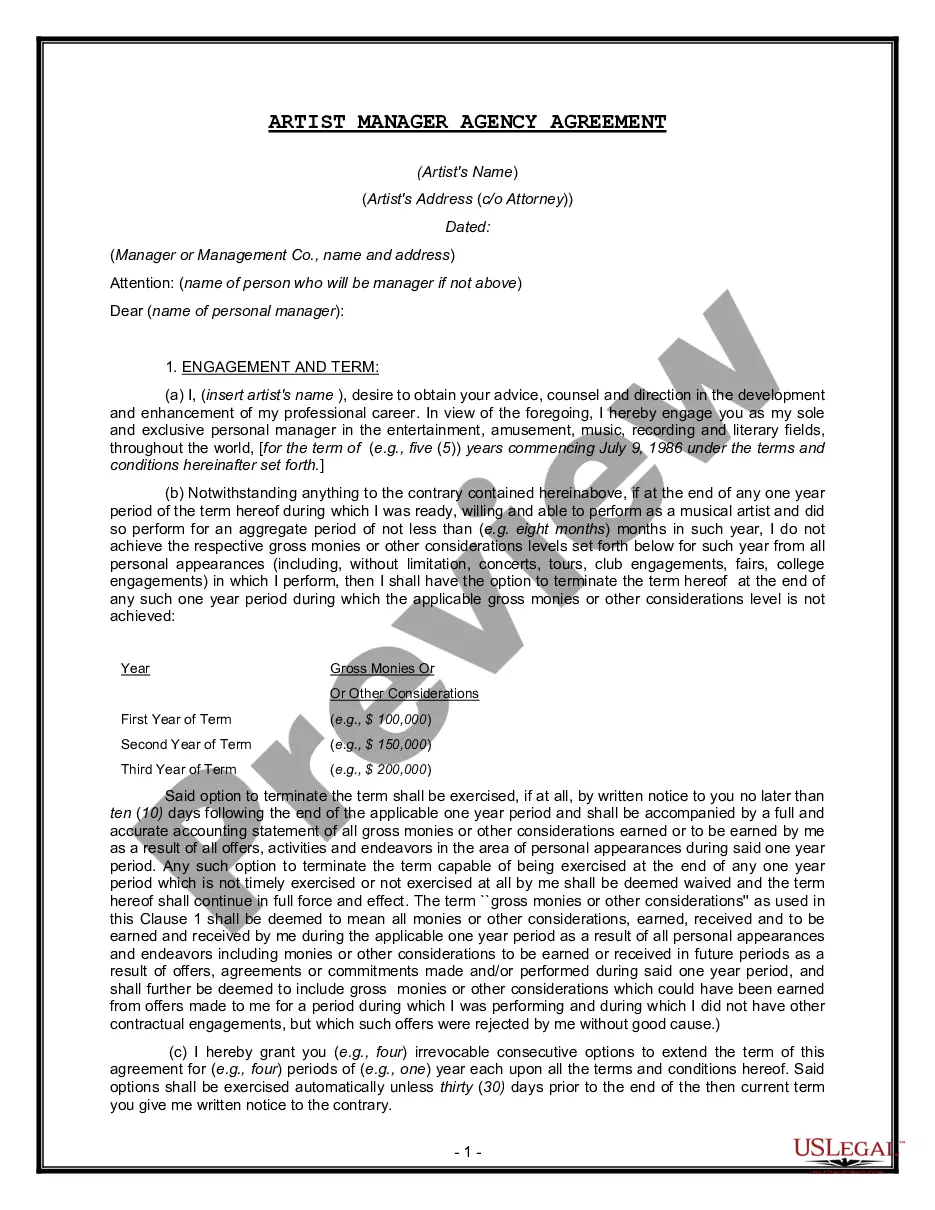
Get your form ready online
Our built-in tools help you complete, sign, share, and store your documents in one place.
Make edits, fill in missing information, and update formatting in US Legal Forms—just like you would in MS Word.
Download a copy, print it, send it by email, or mail it via USPS—whatever works best for your next step.
Sign and collect signatures with our SignNow integration. Send to multiple recipients, set reminders, and more. Go Premium to unlock E-Sign.
If this form requires notarization, complete it online through a secure video call—no need to meet a notary in person or wait for an appointment.
We protect your documents and personal data by following strict security and privacy standards.

Make edits, fill in missing information, and update formatting in US Legal Forms—just like you would in MS Word.

Download a copy, print it, send it by email, or mail it via USPS—whatever works best for your next step.

Sign and collect signatures with our SignNow integration. Send to multiple recipients, set reminders, and more. Go Premium to unlock E-Sign.

If this form requires notarization, complete it online through a secure video call—no need to meet a notary in person or wait for an appointment.

We protect your documents and personal data by following strict security and privacy standards.
Looking for another form?







Form popularity
FAQ
Creating an Effective System Set up consistent categories which easily accommodate documents created and stored in various paper and electronic formats. Conduct a records inventory — contact Records Management if you need guidance. Establish a centralized filing system. Cull files annually.
Types of File Systems Disk-based. Network-based. Virtual.
There are three main types of file management: hierarchical, network, and relational. Hierarchical file management organizes files in a tree-like structure, with folders and subfolders.
Here are seven ways to manage your documents and files efficiently and effectively: Avoid saving unnecessary documents. Follow a consistent method for naming your files and folders. Store related documents together, whatever their type. Separate ongoing work from completed work. Avoid overfilling folders.
The types of files recognized by the system are either regular, directory, or special. However, the operating system uses many variations of these basic types. All file types recognized by the system fall into one of these categories. However, the operating system uses many variations of these basic types.
The term "file organization" refers to the way in which data is stored in a file and, consequently, the method(s) by which it can be accessed. This COBOL system supports three file organizations: sequential, relative and indexed.
File Management -- Common Tasks Finding Your Files. Opening a File. Copying a File (or Folder) Moving a File (or Folder) Deleting a File (or Folder) Selecting Multiple Files (or Folders) Zipping (Compressing) a Folder.
The main components of file management are file data, file system, and metadata. File data is the content, the file system is how the data is stored, and metadata is information about the data.
How to create an effective management plan Step 1: Outline vision and mission statements. Step 2: Set goals. Step 3: Allocate resources. Step 4: Define roles. Step 5: Create a timeline. Step 6: Conduct a situational analysis. Step 7: Share your management plan. Step 8: Create an executive summary.
The Management Team section of a business plan should include job descriptions of listed positions, an organizational chart, and resumes of current and proposed executives. These elements help define roles, clarify the team's structure, and showcase the team's qualifications.
