Contract Management For Construction Project In Hennepin
Description










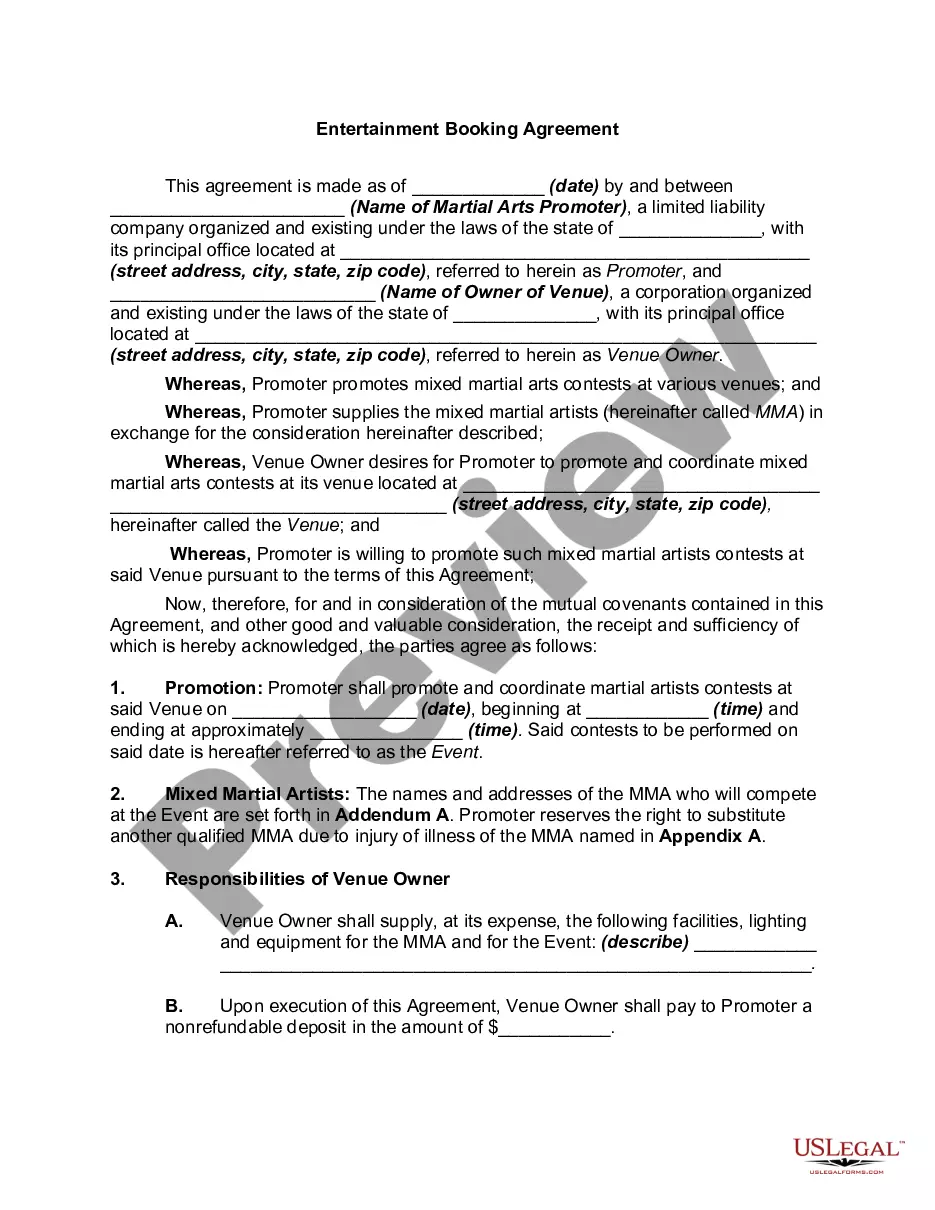
Get your form ready online
Our built-in tools help you complete, sign, share, and store your documents in one place.
Make edits, fill in missing information, and update formatting in US Legal Forms—just like you would in MS Word.
Download a copy, print it, send it by email, or mail it via USPS—whatever works best for your next step.
Sign and collect signatures with our SignNow integration. Send to multiple recipients, set reminders, and more. Go Premium to unlock E-Sign.
If this form requires notarization, complete it online through a secure video call—no need to meet a notary in person or wait for an appointment.
We protect your documents and personal data by following strict security and privacy standards.

Make edits, fill in missing information, and update formatting in US Legal Forms—just like you would in MS Word.

Download a copy, print it, send it by email, or mail it via USPS—whatever works best for your next step.

Sign and collect signatures with our SignNow integration. Send to multiple recipients, set reminders, and more. Go Premium to unlock E-Sign.

If this form requires notarization, complete it online through a secure video call—no need to meet a notary in person or wait for an appointment.

We protect your documents and personal data by following strict security and privacy standards.
Looking for another form?





Form popularity
FAQ
How to get government construction contracts: What to know and how to bid Be prepared to bid on construction government contracts. Build a strong profile on SAM. Know the types of government construction contracts. Recognize different types of government solicitations. Submit a strong proposal. Get bonded.
What is the difference between management contracting and construction management? Management contracting differs from construction management in that management contractors contract works contractors direct, whereas construction managers only manage trade contracts, the contracts themselves are placed by the client.
The clear distinction between MC and CM is that the former directly places contracts with Work Contractors, whereas CM manages Trade Contractors, which are contracted by the Client. A Construction Manager acts as a consultant to the client and is appointed early in the design process.
How to implement contract management activities Step 1: Transition activities, if any. Step 2: Review the draft contract management plan. Step 3: Review the contract's budget. Step 4: Resources to support contract management. Step 5: Finalise and implement the contract management plan.
In any Engineering and Construction project, the roles of both the project manager and the contracts manager are crucial. While the project manager focuses on overseeing the actual construction process, the contracts manager plays a pivotal role in managing the legal and financial aspects of the project.
The most significant differences between a construction manager and general contractor come before construction on a project even starts. General contractors come onto a project after the design is already complete, whereas construction managers play a critical role in contributing to the design of a project.
Unlike a general contractor who oversees the entire project, a construction company focuses on their area of expertise, such as concrete work, electrical systems, plumbing, carpentry, HVAC, and others. They work closely with the general contractor to ensure their portion of the project aligns with the overall plan.
Contract management in construction is the process of overseeing and administrating contracts between various parties involved in a construction project. It encompasses activities such as the negotiation of contract terms, monitoring compliance with agreed-upon conditions, and facilitating dispute resolutions.
Essentially, a CM contract is one whereby the Owner enters into an arrangement for someone, often a registered builder although it is not a requirement, to manage the construction works. This is in contrast to a 'traditional' building contract whereby the Owner enters into a contract with a Builder directly.
It is the process of managing contracts throughout the life cycle of a project, from pre-award negotiation to post-award administration.
