Artist Agreement Form Template With Logo In Harris
Description









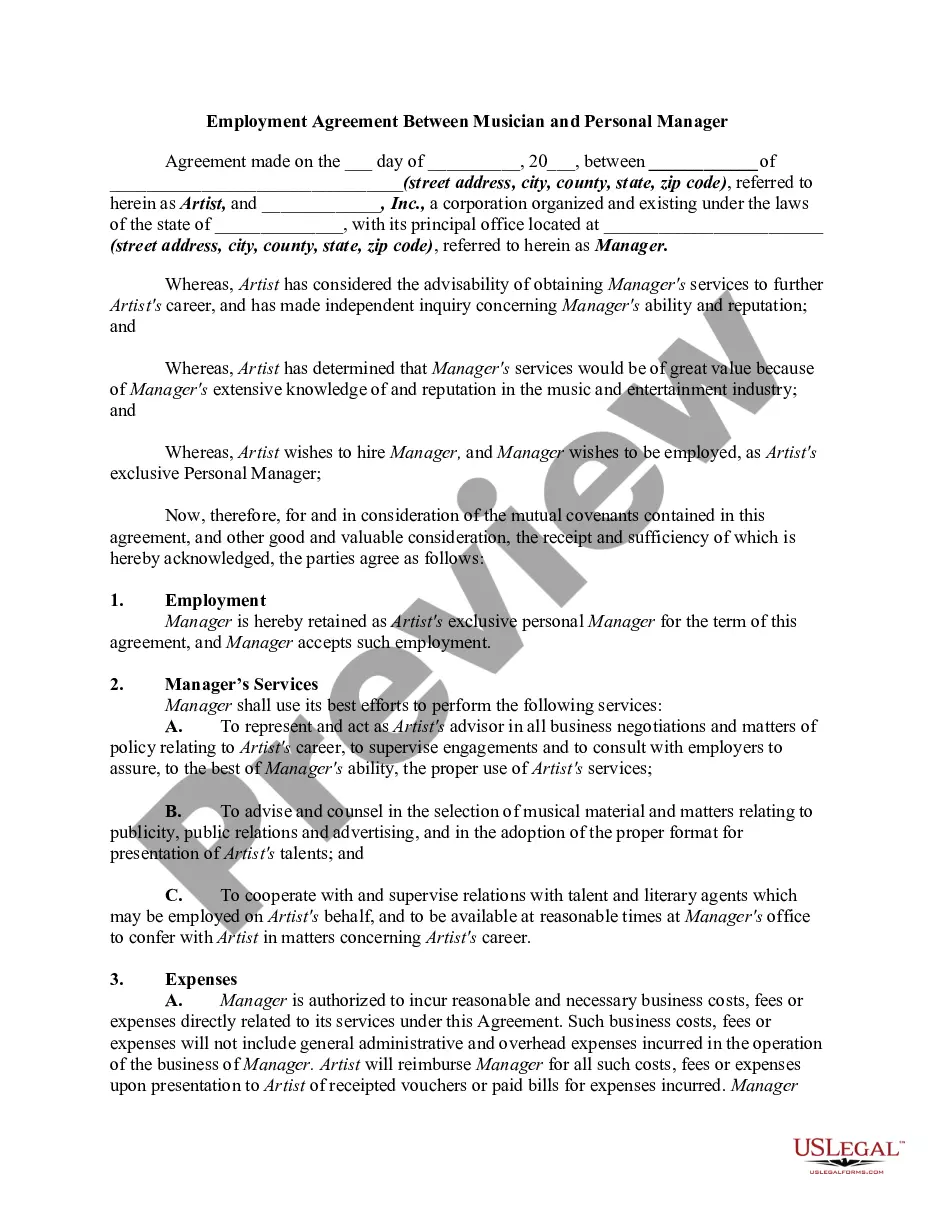
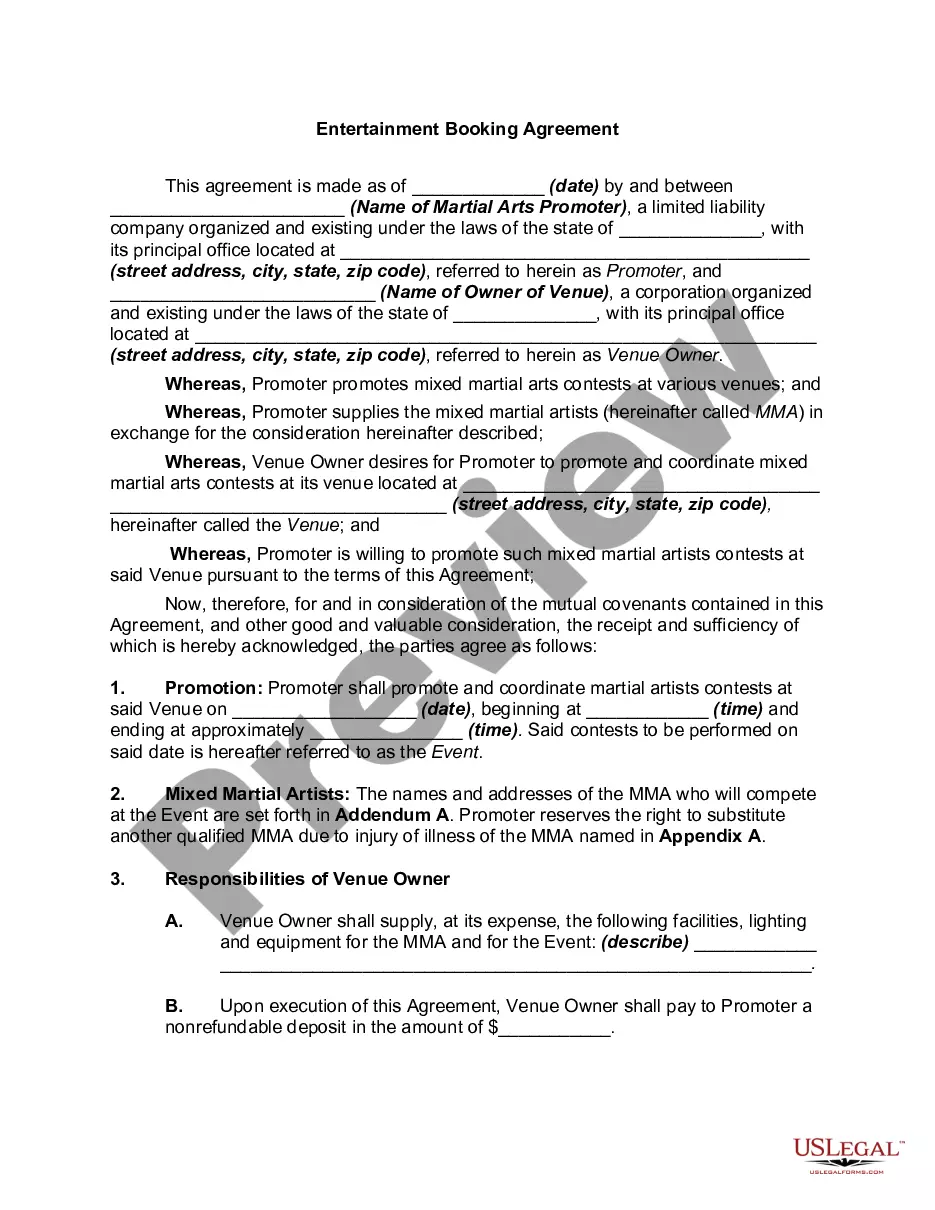
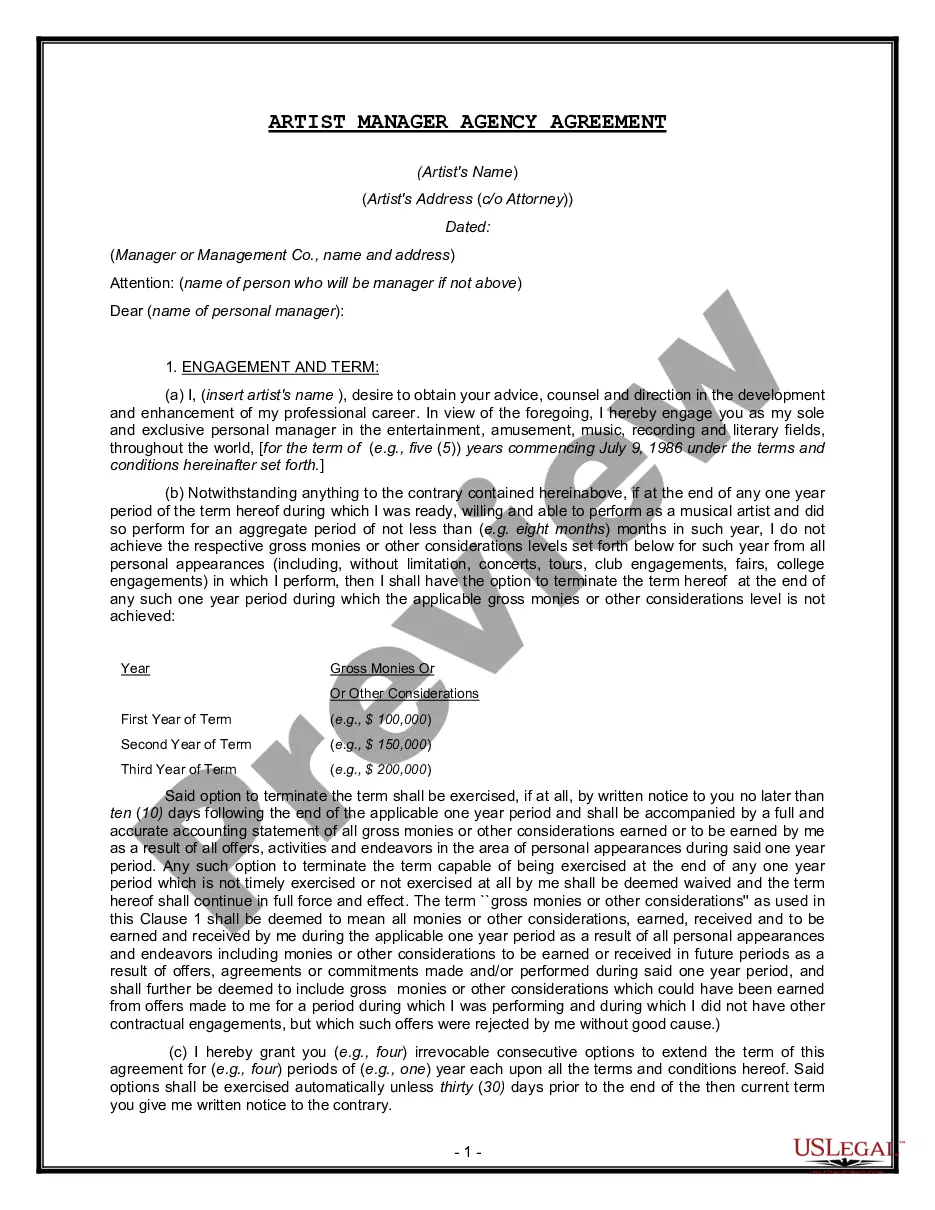
Get your form ready online
Our built-in tools help you complete, sign, share, and store your documents in one place.
Make edits, fill in missing information, and update formatting in US Legal Forms—just like you would in MS Word.
Download a copy, print it, send it by email, or mail it via USPS—whatever works best for your next step.
Sign and collect signatures with our SignNow integration. Send to multiple recipients, set reminders, and more. Go Premium to unlock E-Sign.
If this form requires notarization, complete it online through a secure video call—no need to meet a notary in person or wait for an appointment.
We protect your documents and personal data by following strict security and privacy standards.

Make edits, fill in missing information, and update formatting in US Legal Forms—just like you would in MS Word.

Download a copy, print it, send it by email, or mail it via USPS—whatever works best for your next step.

Sign and collect signatures with our SignNow integration. Send to multiple recipients, set reminders, and more. Go Premium to unlock E-Sign.

If this form requires notarization, complete it online through a secure video call—no need to meet a notary in person or wait for an appointment.

We protect your documents and personal data by following strict security and privacy standards.
Looking for another form?








Form popularity
FAQ
The key elements of a successful illustration contract include clearly defined scope of work, payment terms, deadlines, usage rights, revisions policy, and termination clauses.
To write a simple contract, title it clearly, identify all parties and specify terms (services or payments). Include an offer, acceptance, consideration, and intent. Add a signature and date for enforceability. Written contracts reduce disputes and offer better legal security than verbal ones.
To help you get started, take a look at a few basic components to include in your contract so you can better protect your art business. Client Info. Project Info and Terms. Project Timeline. Costs and Payment Terms. Itemization. Artist's Rights. Cancellation Terms. Acceptance of Agreement.
Important clauses in the artist agreement Parties. This clause defines the parties to the agreement, one would be the producer and the other would be the artist. Project. Payment/compensation. Service/work by an artist/engagement. Terms and conditions. Term/duration. Rights of the parties. Artists obligations.
A producer agreement is used when an artist or label hires a producer to record and produce a song (or an album). It can be used to define the scope of the producer's services, expectations around the finished product, and rules and restrictions about how the producer completes the work.
Where sync rights for music licensing in video media are concerned, featured means prominent in the foreground, whereas non featured would be background music on the radio or at a party. End title credit music would be featured use, for instance (the music is clear and the focal point).
The agreement or contract is the legal document between an artist or owner of an artwork and a borrowing institution, or between an exhibition organiser and the host venue. They are written to specify details about work to be undertaken and the expected outcomes.
A Featured Artist Agreement or Side Artist Agreement is a contract used when a record label, artist or producer hires a musician, singer or rapper who is not part of the artist's group or band to perform on an artist's recording but has some prominence and will receive a featured artist credit along with some royalties ...
A Featured Artist are the artists who accompany the primary artist in the release. In the case of an multi-release album, the use of this role generally implies that the featuring artist did not have a hand in composing a majority of the album, and is present on a minority of the tracks within the album.
