Talent Management Contract For Employees In Georgia
Description

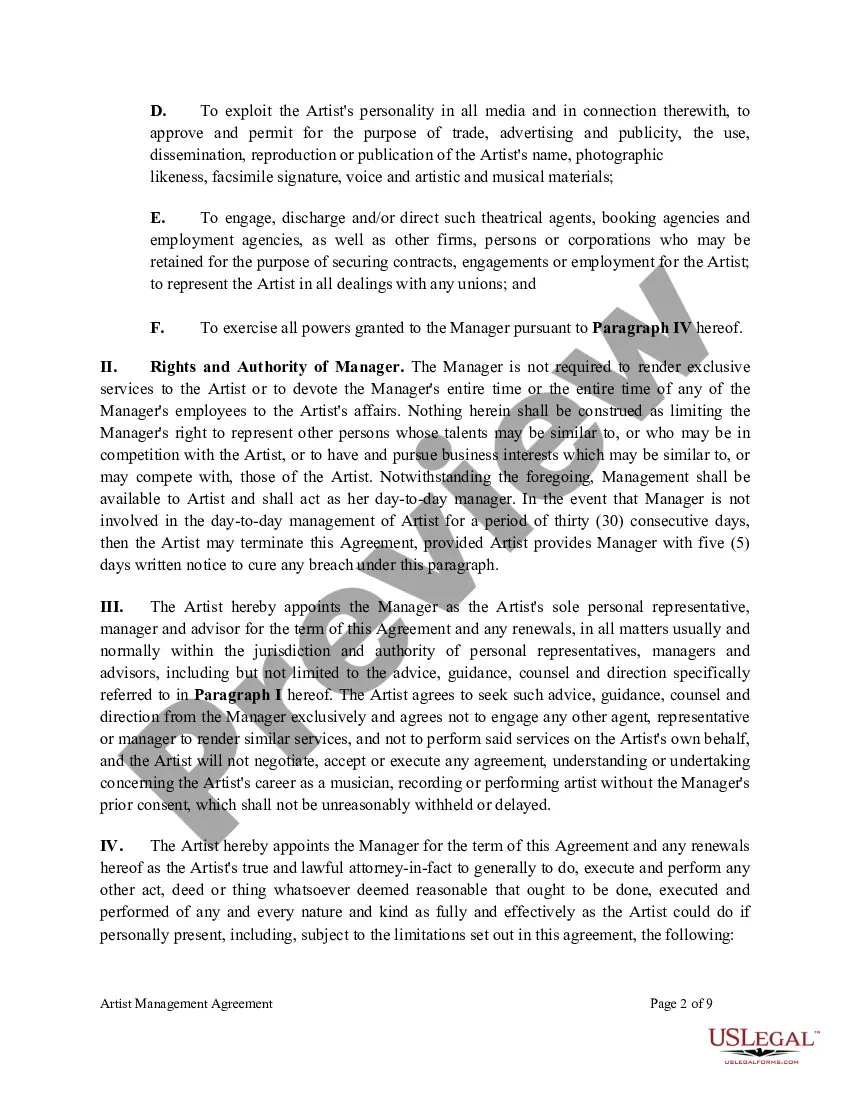
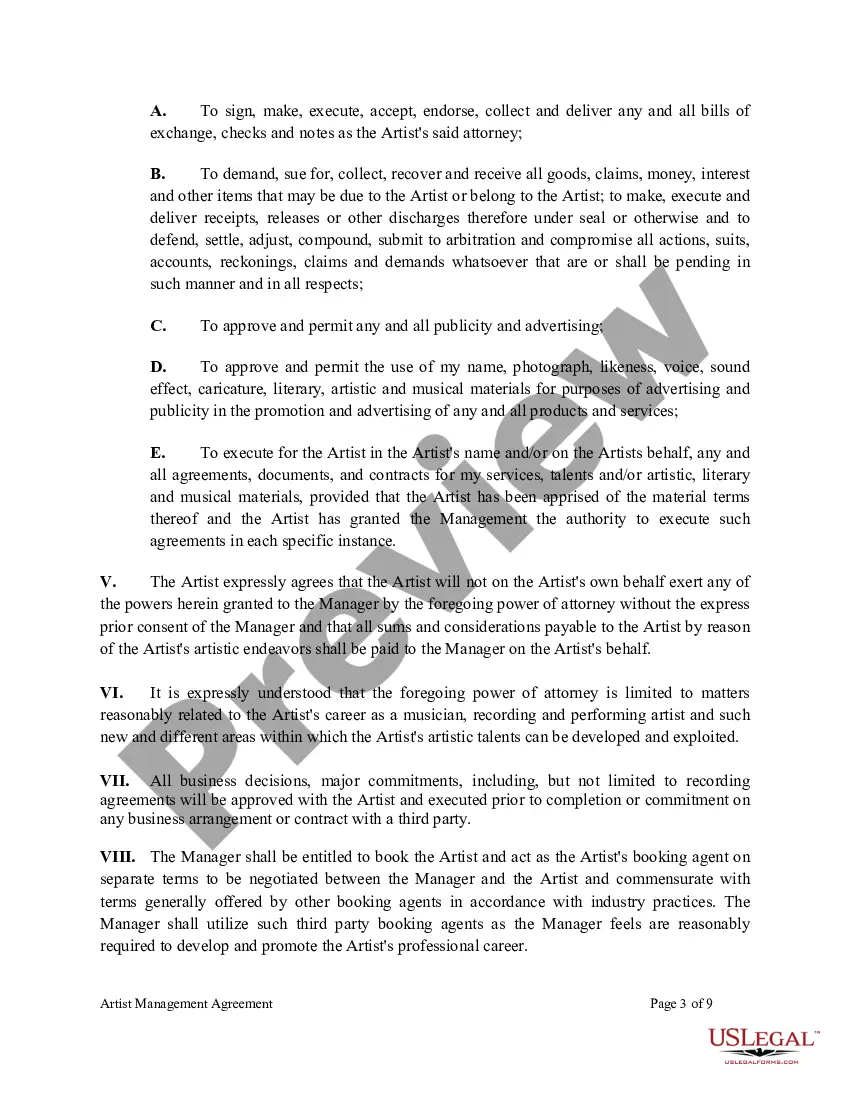
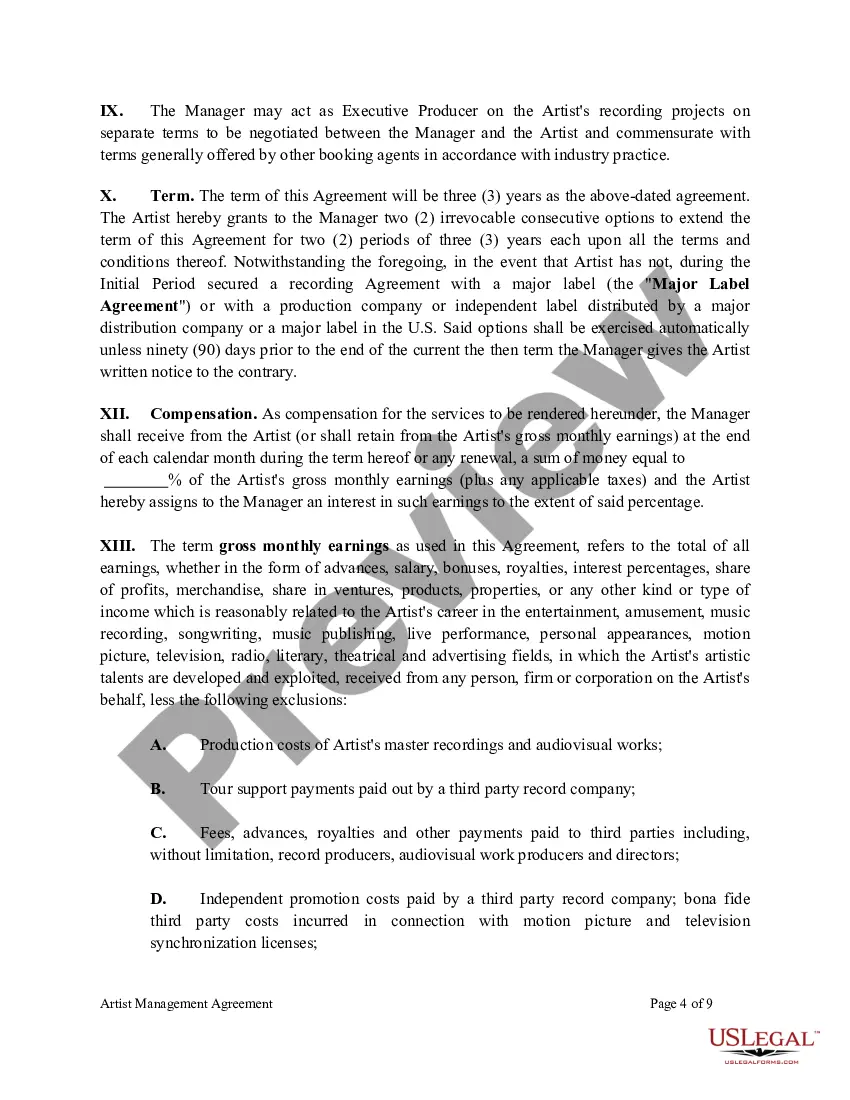
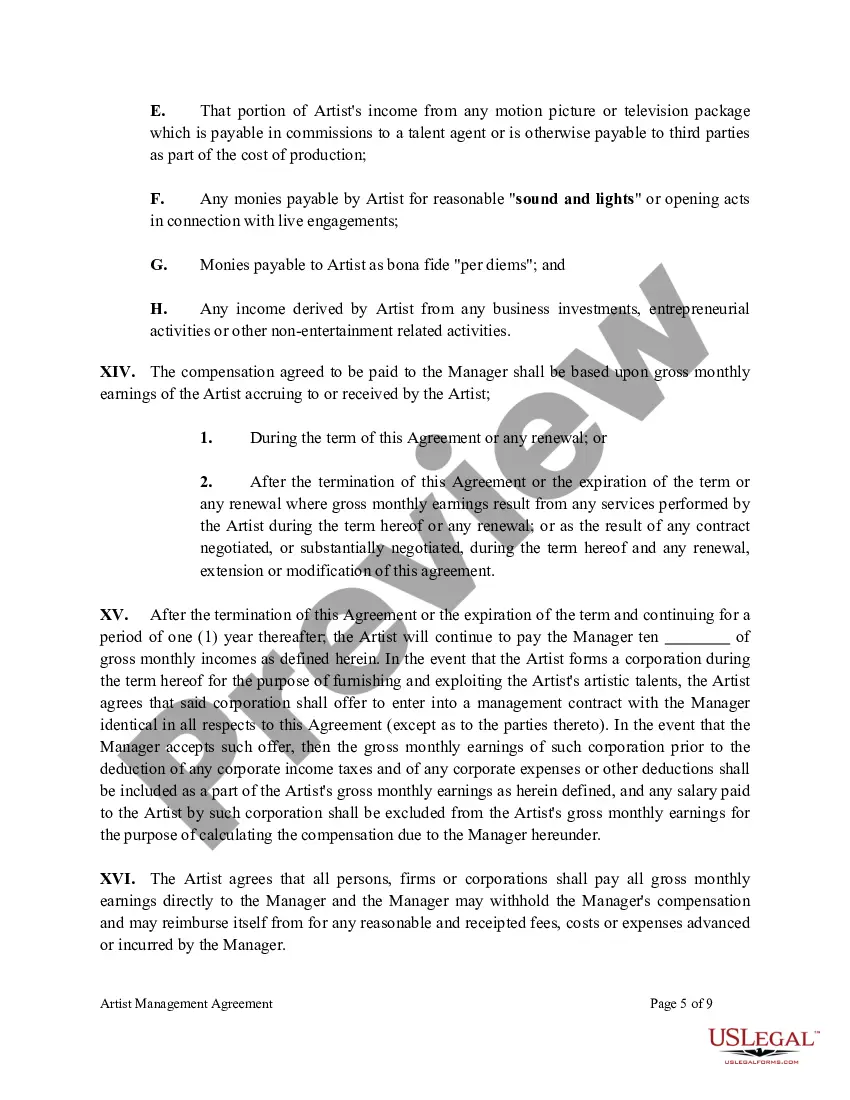
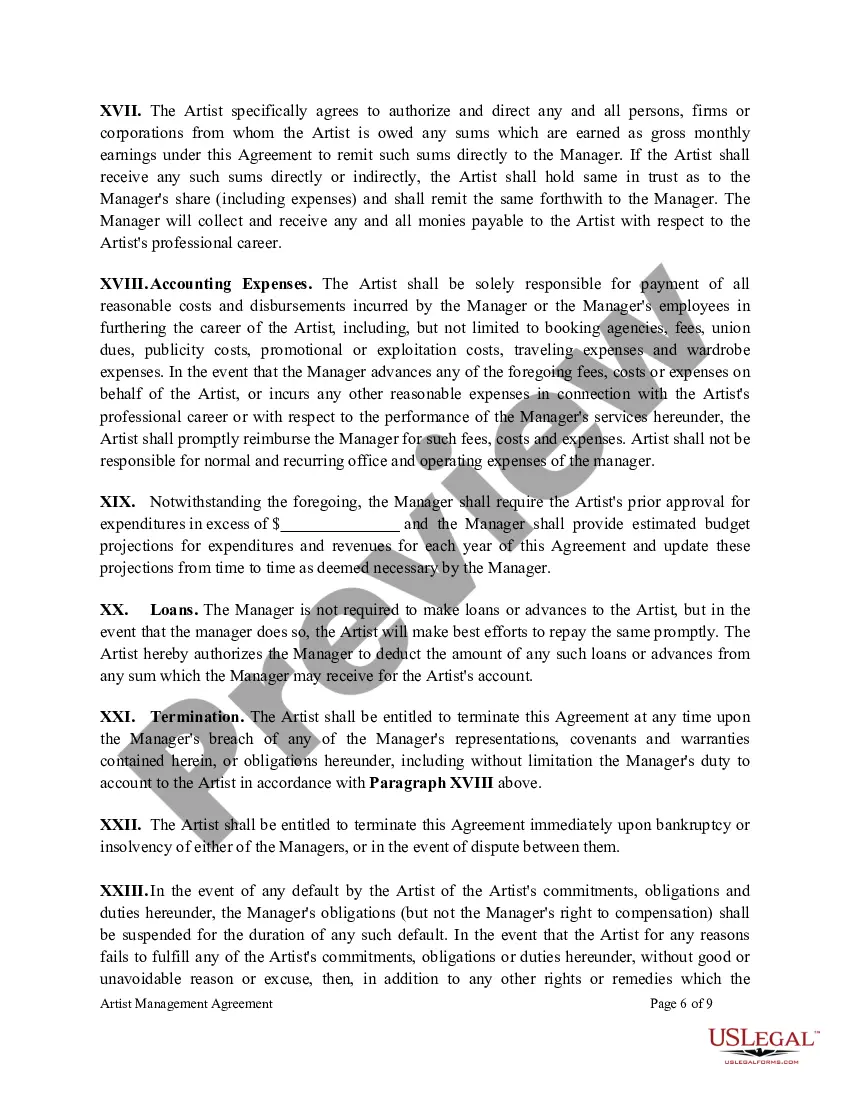
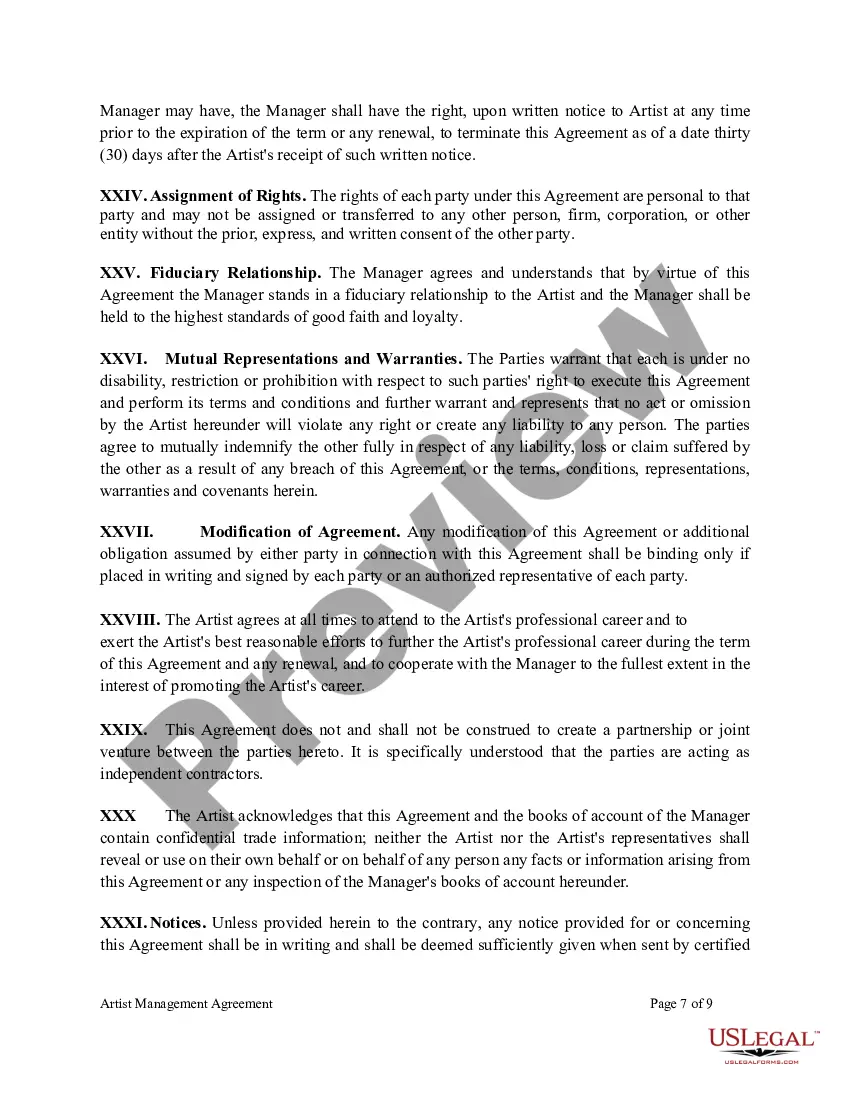
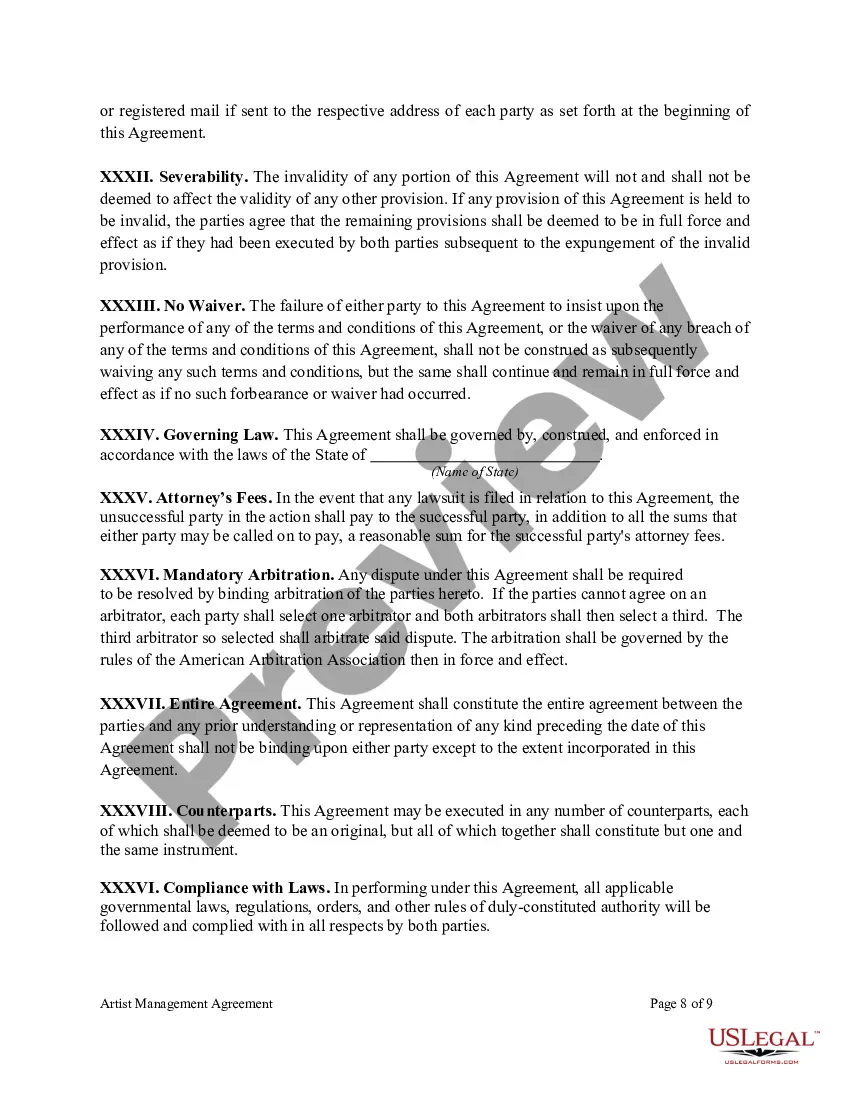

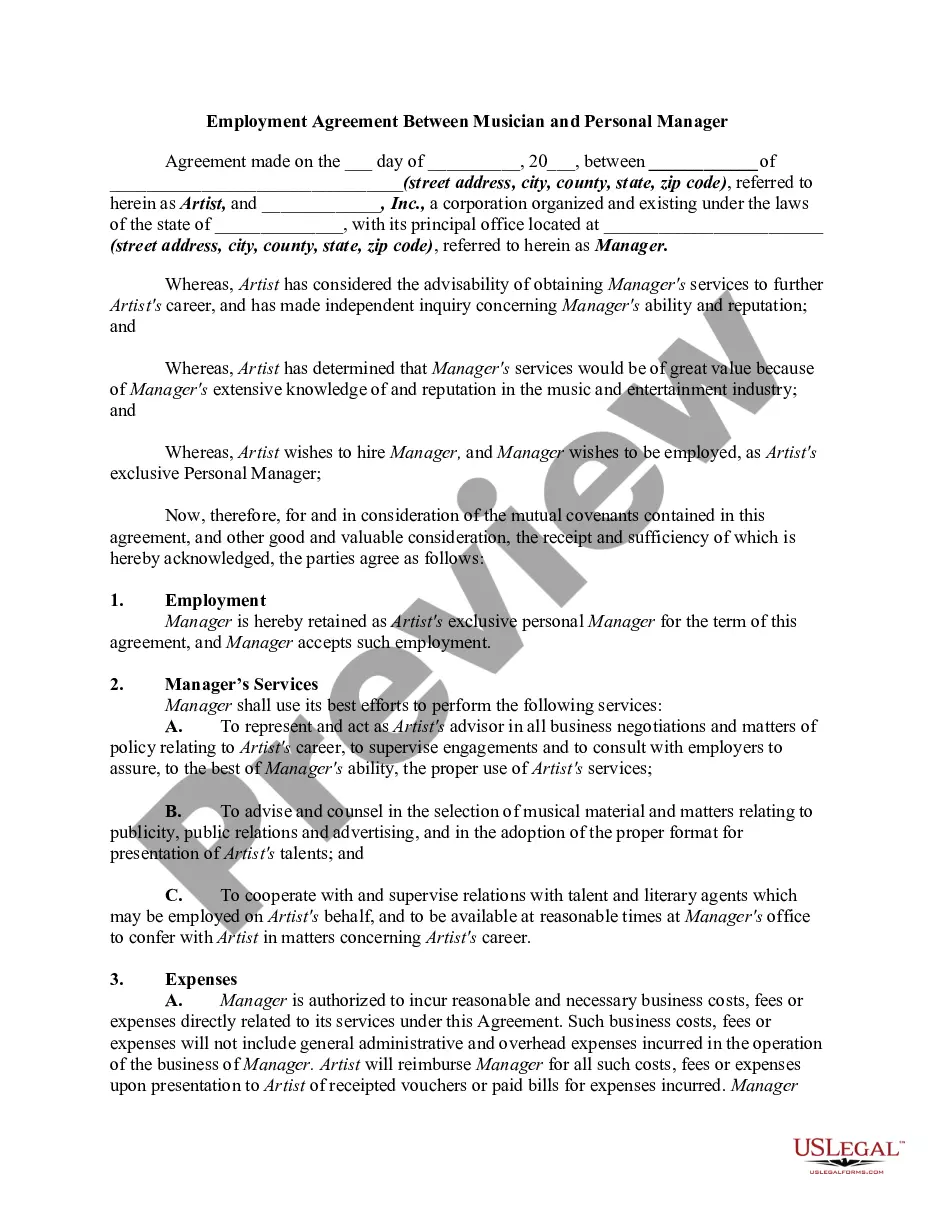
Get your form ready online
Our built-in tools help you complete, sign, share, and store your documents in one place.
Make edits, fill in missing information, and update formatting in US Legal Forms—just like you would in MS Word.
Download a copy, print it, send it by email, or mail it via USPS—whatever works best for your next step.
Sign and collect signatures with our SignNow integration. Send to multiple recipients, set reminders, and more. Go Premium to unlock E-Sign.
If this form requires notarization, complete it online through a secure video call—no need to meet a notary in person or wait for an appointment.
We protect your documents and personal data by following strict security and privacy standards.

Make edits, fill in missing information, and update formatting in US Legal Forms—just like you would in MS Word.

Download a copy, print it, send it by email, or mail it via USPS—whatever works best for your next step.

Sign and collect signatures with our SignNow integration. Send to multiple recipients, set reminders, and more. Go Premium to unlock E-Sign.

If this form requires notarization, complete it online through a secure video call—no need to meet a notary in person or wait for an appointment.

We protect your documents and personal data by following strict security and privacy standards.
Looking for another form?









Form popularity
FAQ
Most actors or other entertainment talents retain an agent or manager to represent them. This usually involves signing a talent representation agreement that defines the services provided by the agent and the compensation received in return.
In Georgia, employers do not have to enter employment contracts with employees, but if they do, the contract is enforceable. Employers have a lot of freedom regarding the terms and conditions within the contact as long as they do not violate law or public policy.
Write the contract in six steps Start with a contract template. Open with the basic information. Describe in detail what you have agreed to. Include a description of how the contract will be ended. Write into the contract which laws apply and how disputes will be resolved. Include space for signatures.
However, in many cases individuals who are hiring the employee can also choose to write their own contracts. In some cases, independent contractors or freelancers can provide their own contracts and terms of employment. In all scenarios both parties would need to agree and sign the contract for it to be effective.
Step by step instructions on how to write your own employment contract Understand the role. Determine the contract type. Specify compensation. Include working hours. Detail leave entitlements. Add termination clauses. Confidentiality and non-compete. Review and legal check.
A contract is defined as an enforceable agreement between two parties. An employment contract is an enforceable agreement between two parties that contains whatever terms and conditions of employment the parties agree upon and, when accepted, becomes controlling upon the employment relationship.
Typically, the term of a Talent Agency Agreement will range anywhere between six months to three years. For Talent engaging their first Agency, it is advisable for Talent to try to negotiate a relatively short initial term (e.g., a one-year initial term).
An employment contract is an agreement signed by the employee and employer (or labor union) regarding the rights, responsibilities and obligations of both parties during the period of employment. An employment contract typically includes the following elements: Duration of employment, if applicable. Salary or wages.
Common arrangements are one year and three years; five years is more common in Europe than in the U.S. Shorter agreements, especially those with one-year terms, often have "evergreen" language which automatically renew the contract from year to year unless either party gives notice of intent not to renew.
This contract outlines the terms and conditions under which the talent agency will represent the talent and seek out opportunities for them to work in their industry. Talent agency contracts are common in the entertainment industry and are designed to protect the interests of both the talent and the agency.