Talent Management Contract For Actors In Florida
Description

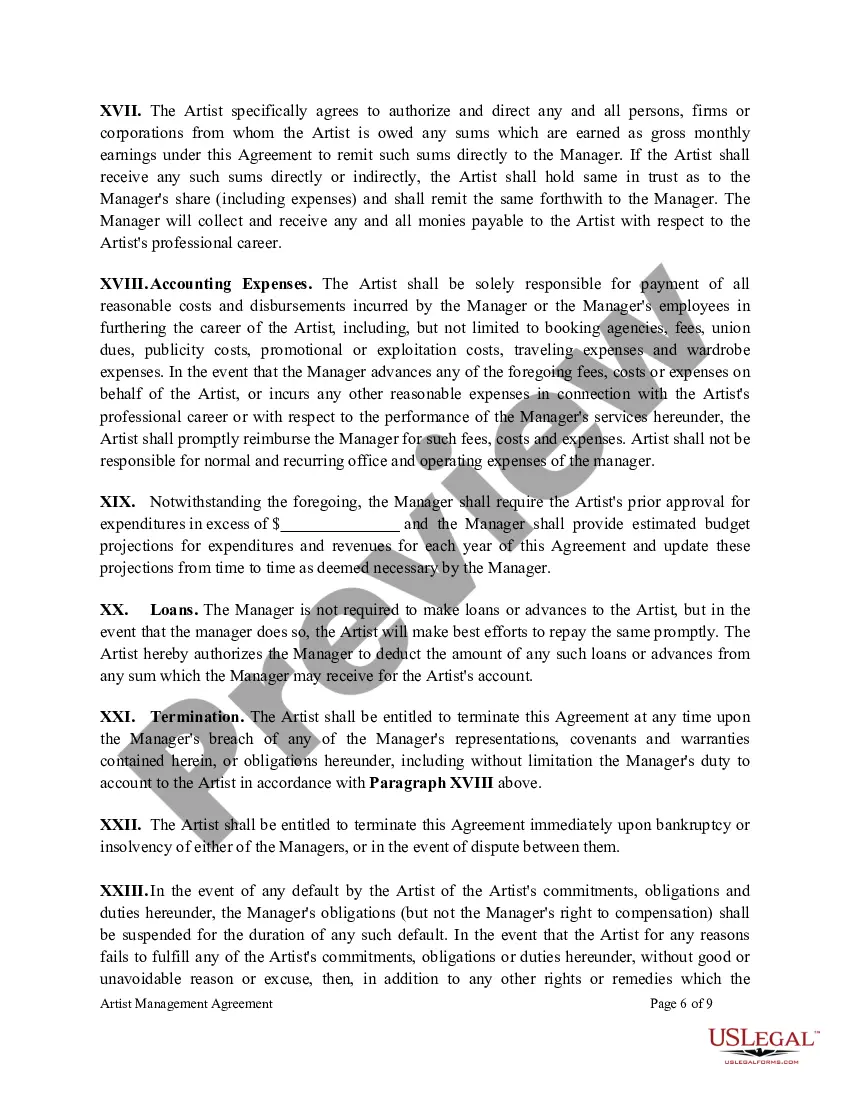
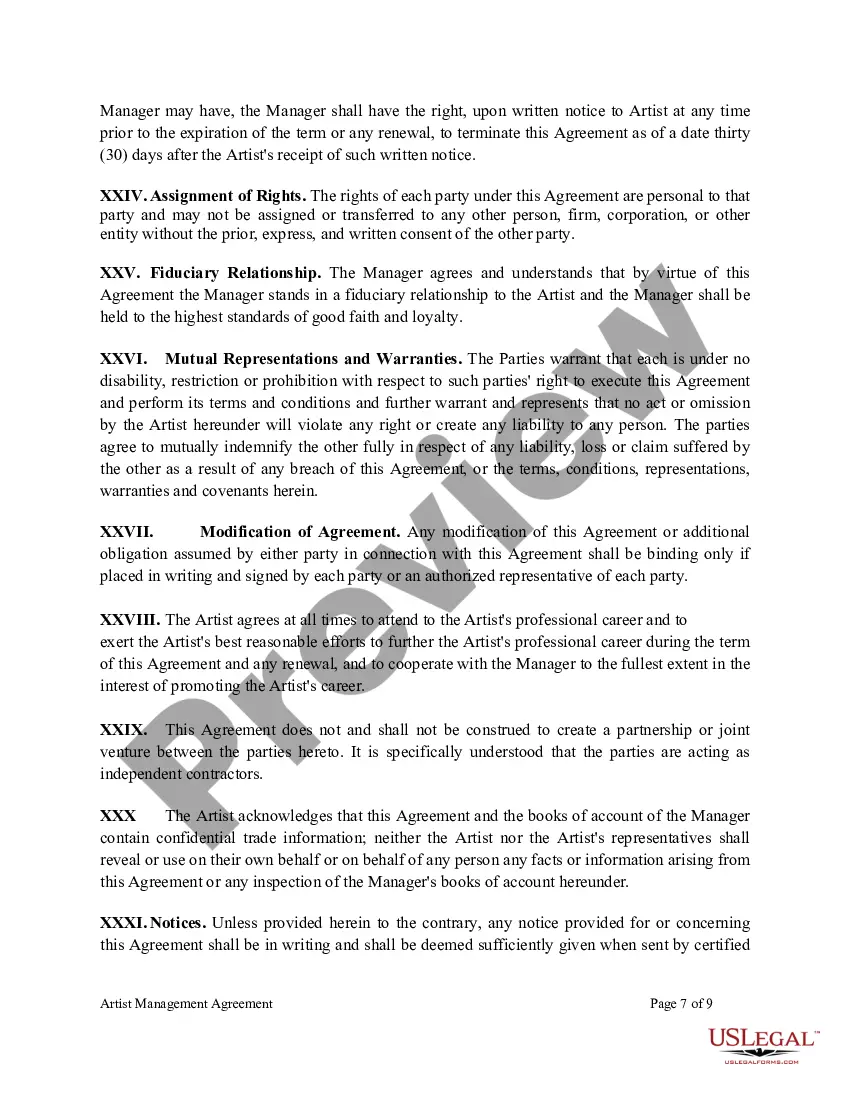
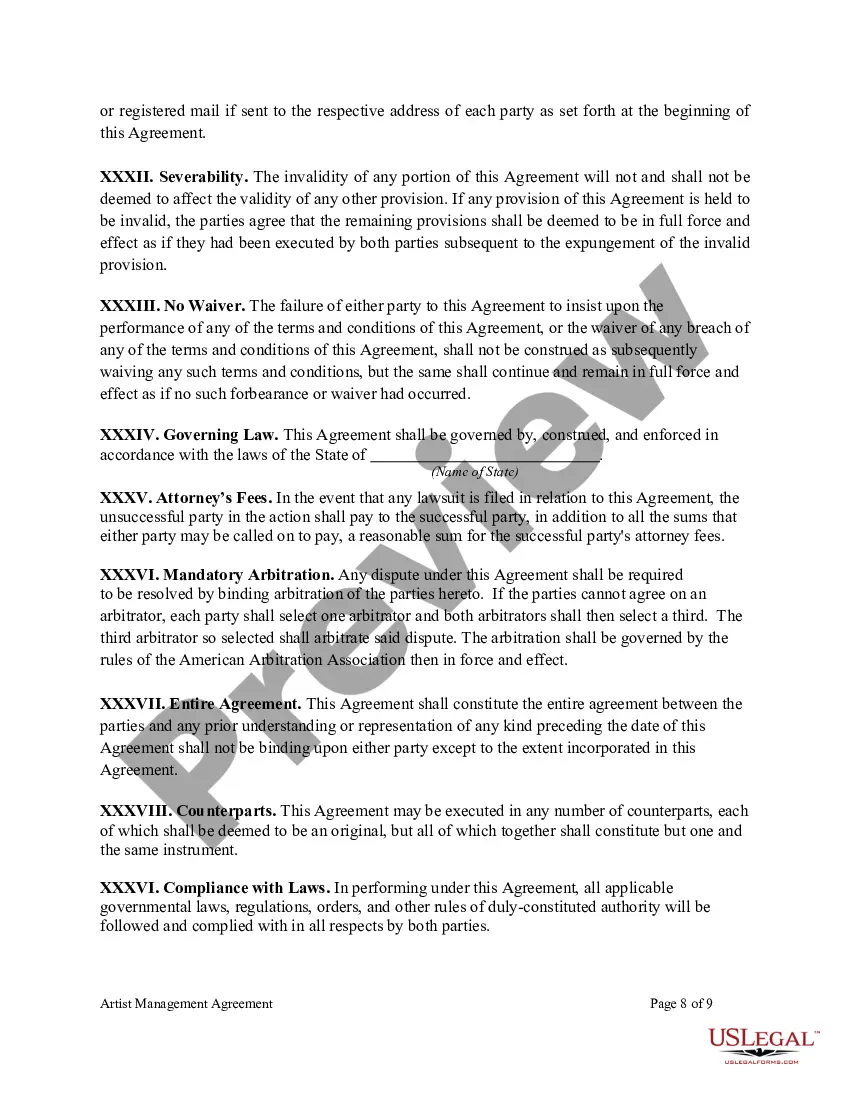

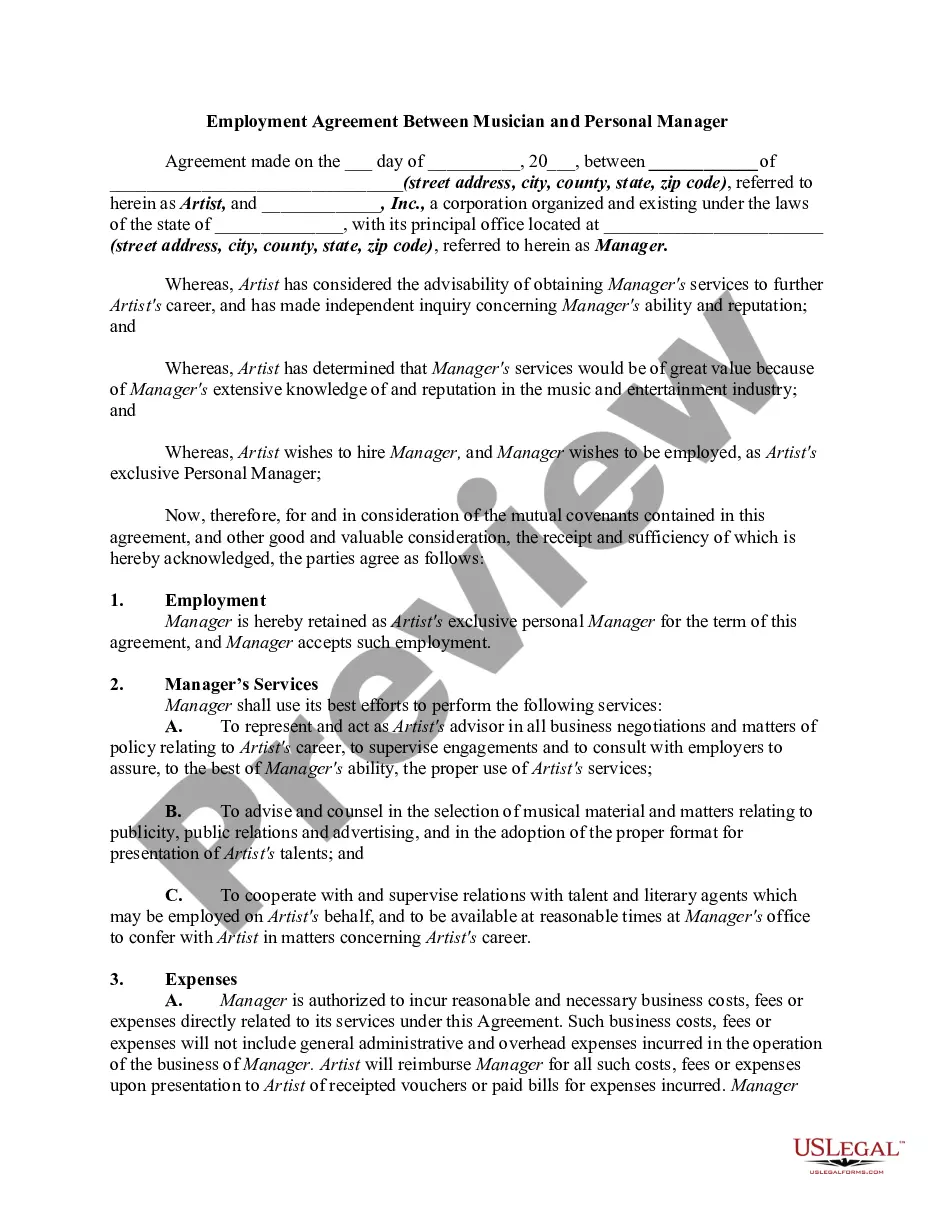
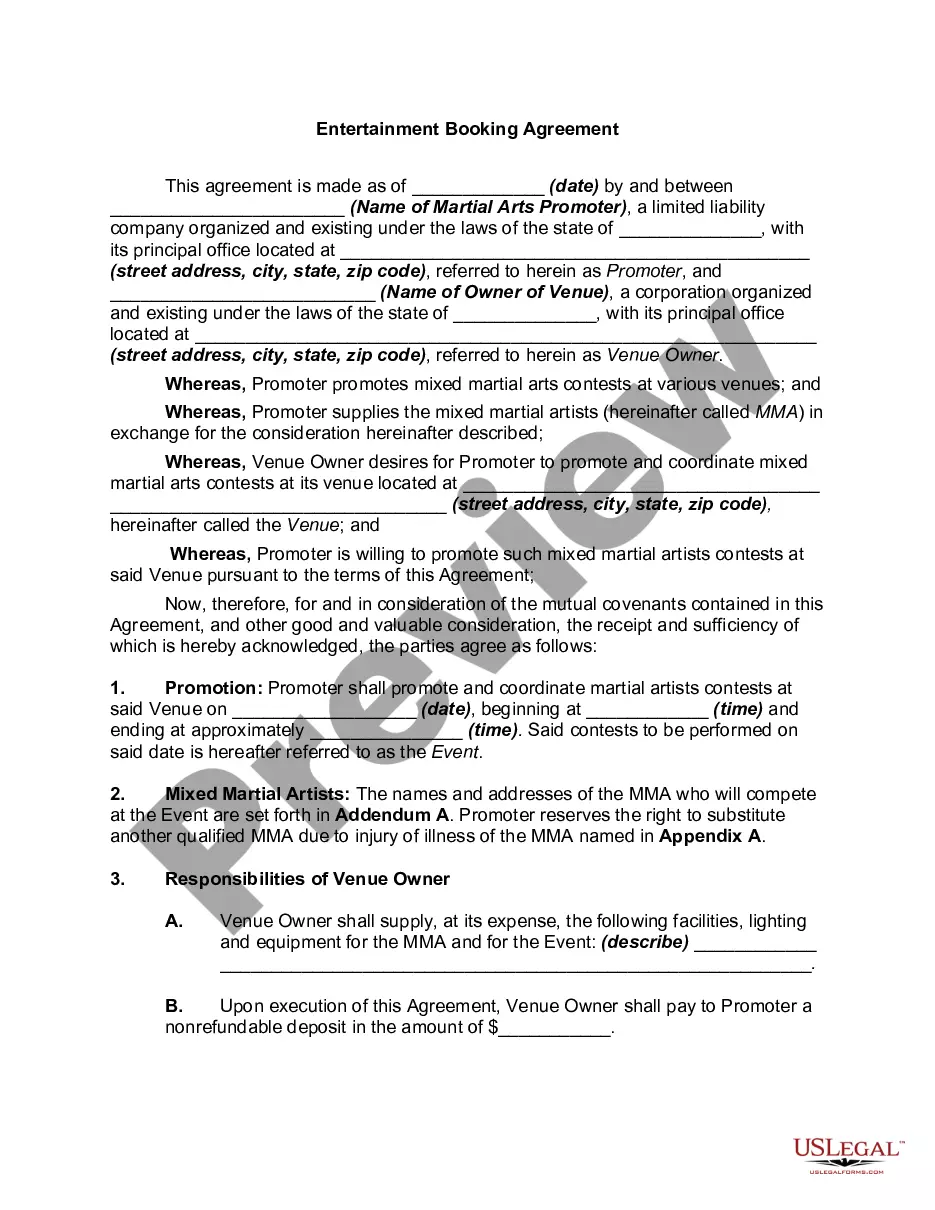
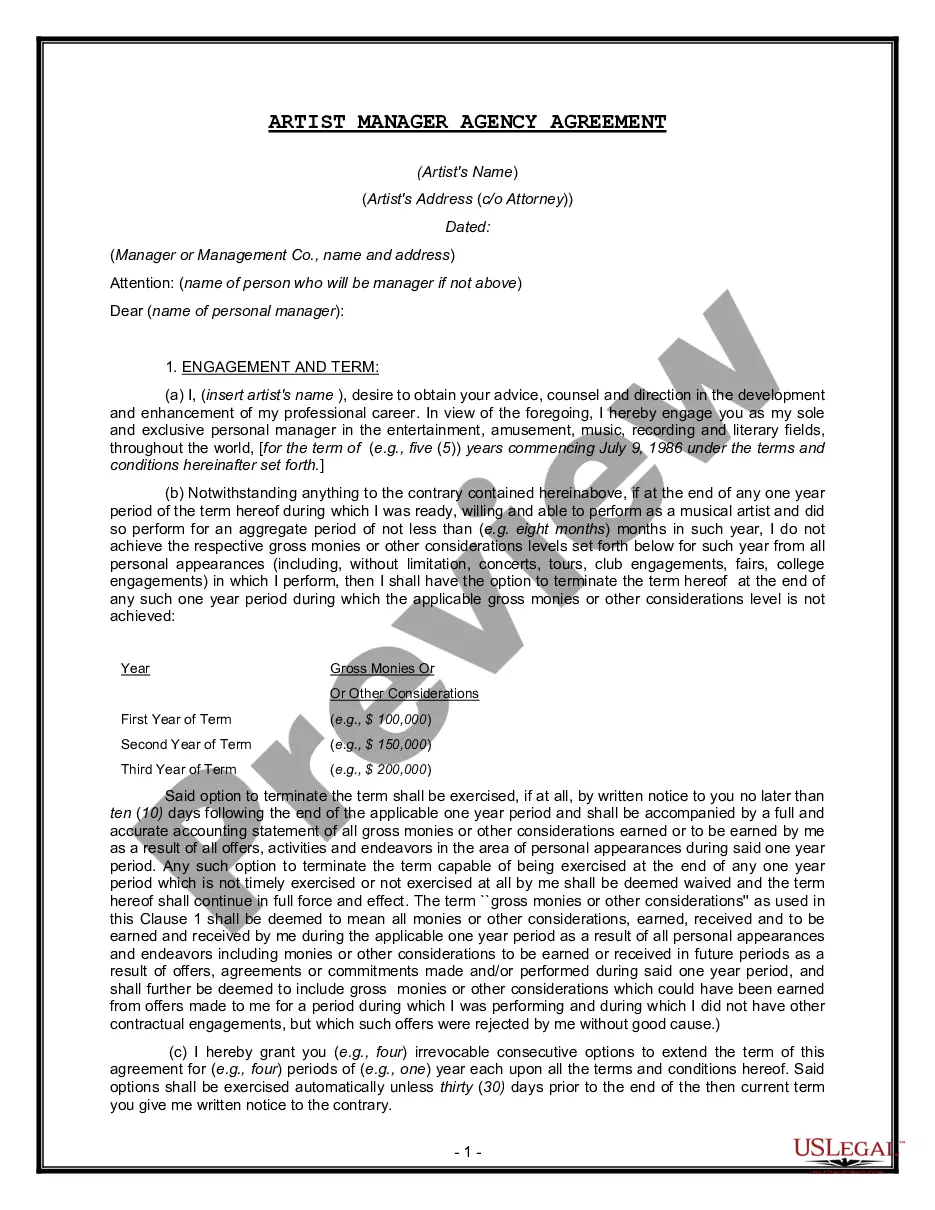
Get your form ready online
Our built-in tools help you complete, sign, share, and store your documents in one place.
Make edits, fill in missing information, and update formatting in US Legal Forms—just like you would in MS Word.
Download a copy, print it, send it by email, or mail it via USPS—whatever works best for your next step.
Sign and collect signatures with our SignNow integration. Send to multiple recipients, set reminders, and more. Go Premium to unlock E-Sign.
If this form requires notarization, complete it online through a secure video call—no need to meet a notary in person or wait for an appointment.
We protect your documents and personal data by following strict security and privacy standards.

Make edits, fill in missing information, and update formatting in US Legal Forms—just like you would in MS Word.

Download a copy, print it, send it by email, or mail it via USPS—whatever works best for your next step.

Sign and collect signatures with our SignNow integration. Send to multiple recipients, set reminders, and more. Go Premium to unlock E-Sign.

If this form requires notarization, complete it online through a secure video call—no need to meet a notary in person or wait for an appointment.

We protect your documents and personal data by following strict security and privacy standards.
Looking for another form?


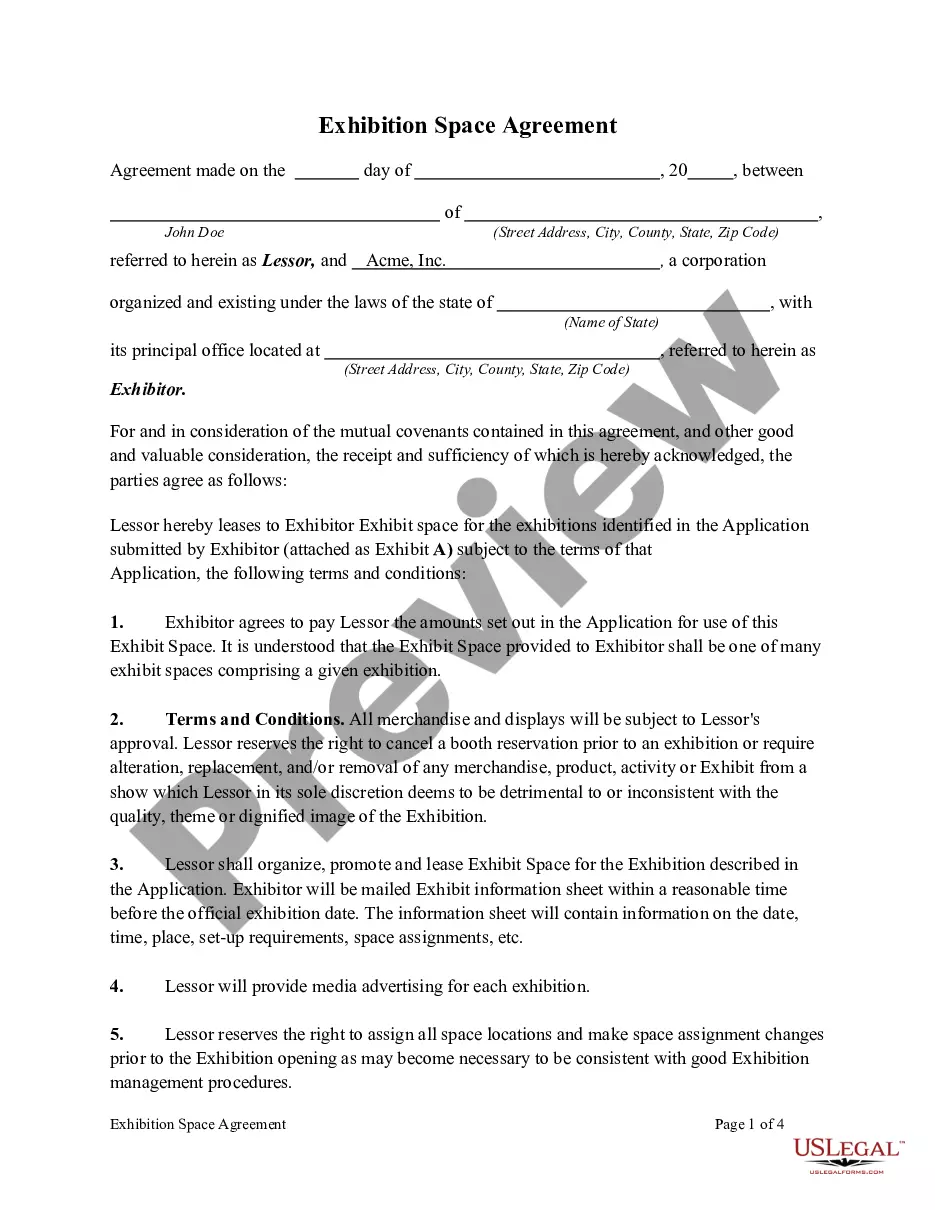







Form popularity
FAQ
A talent manager typically doesn't receive a regular salary. Instead, they earn a commission when the client books a job.
- Write a concise and engaging cover letter introducing yourself. - Mention your passion for the industry, any relevant skills or training, and your eagerness to learn and work hard. - Identify talent agents who represent individuals with little or no experience, as some agents specialize in developing new talent.
The earnings of a talent manager can vary widely based on individual agreements with their clients. Typically, talent managers receive a percentage of their client's earnings, commonly ranging from 10% to 20%. The exact percentage depends on the specific terms negotiated between the talent manager and the client.
Network - A lot of the time, agents will only take meetings through a direct referral. A referral that a lot of managers can provide. Approaching a talent manager or other people in your network can be a great way to find or expand your representation.
An effective actor contract template should include the following sections: Personal details: Role specifics: Compensation: Duration: Termination clauses: Confidentiality: Health and safety: Intellectual property:
SAG-AFTRA negotiates contracts that cover the work of media professionals in front of a camera or behind a microphone. Below are links to contract information, rates, FAQs and resources that help members and producers navigate the media and entertainment industries.
Managers provide career guidance and can also provide business management services to you. Their primary purpose is to focus on a performer's overall, long-term career path. They are not regulated or licensed by any state. They can work on their own or for a management company or be a family member.
The Principal contract is used for all principal actors and most stage managers. The Chorus contract is used for those actors who are primarily performing chorus work. Each individual employment contract is referenced to a specific collective bargaining agreement and incorporates all of its terms.
Most actor contracts are between two and three pages long. The typical term for an actor contract is a certain a number of months after the film or play premieres, although some go on indefinitely. Term lengths can vary greatly! The typical term for an agent or manager contract for actors is about 12 to 18 months.
