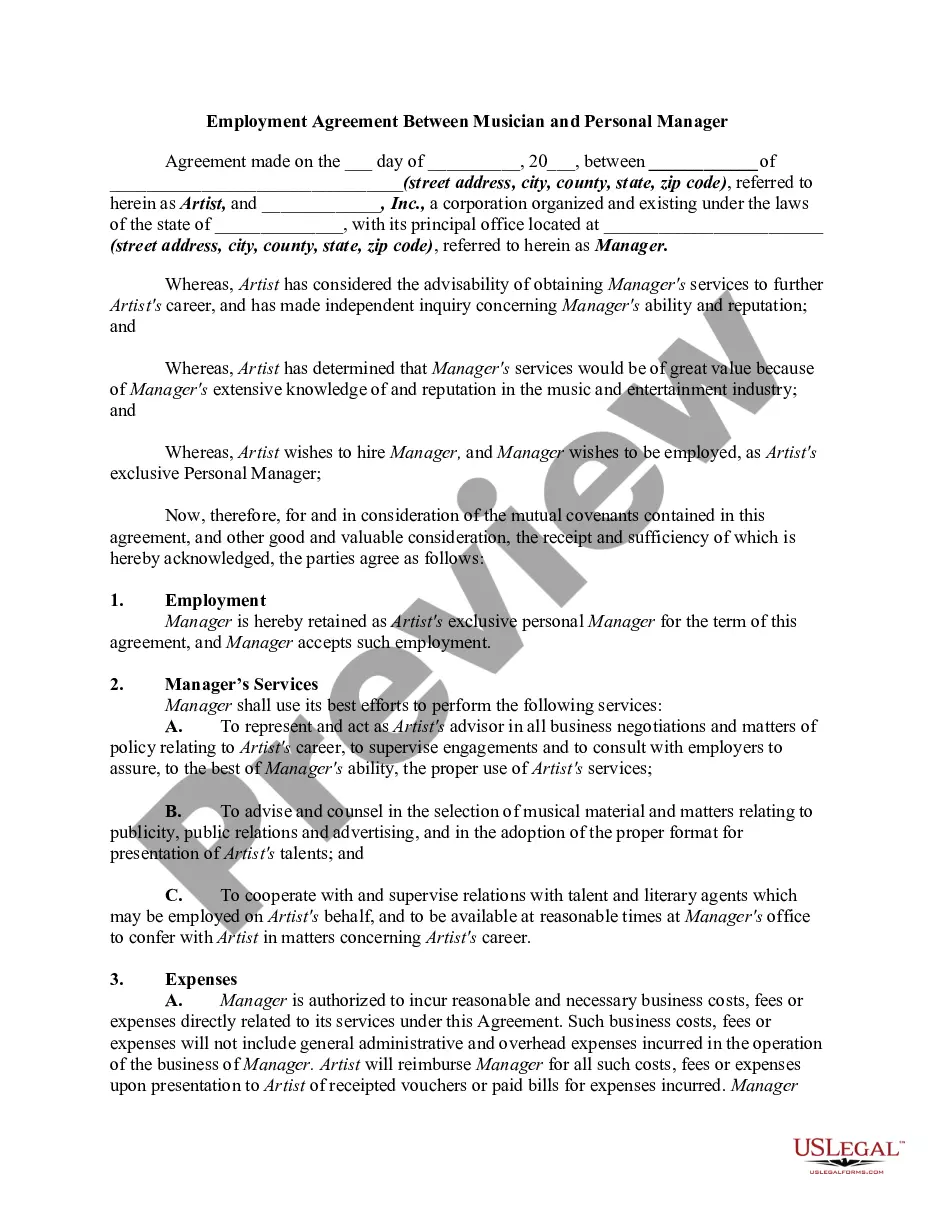
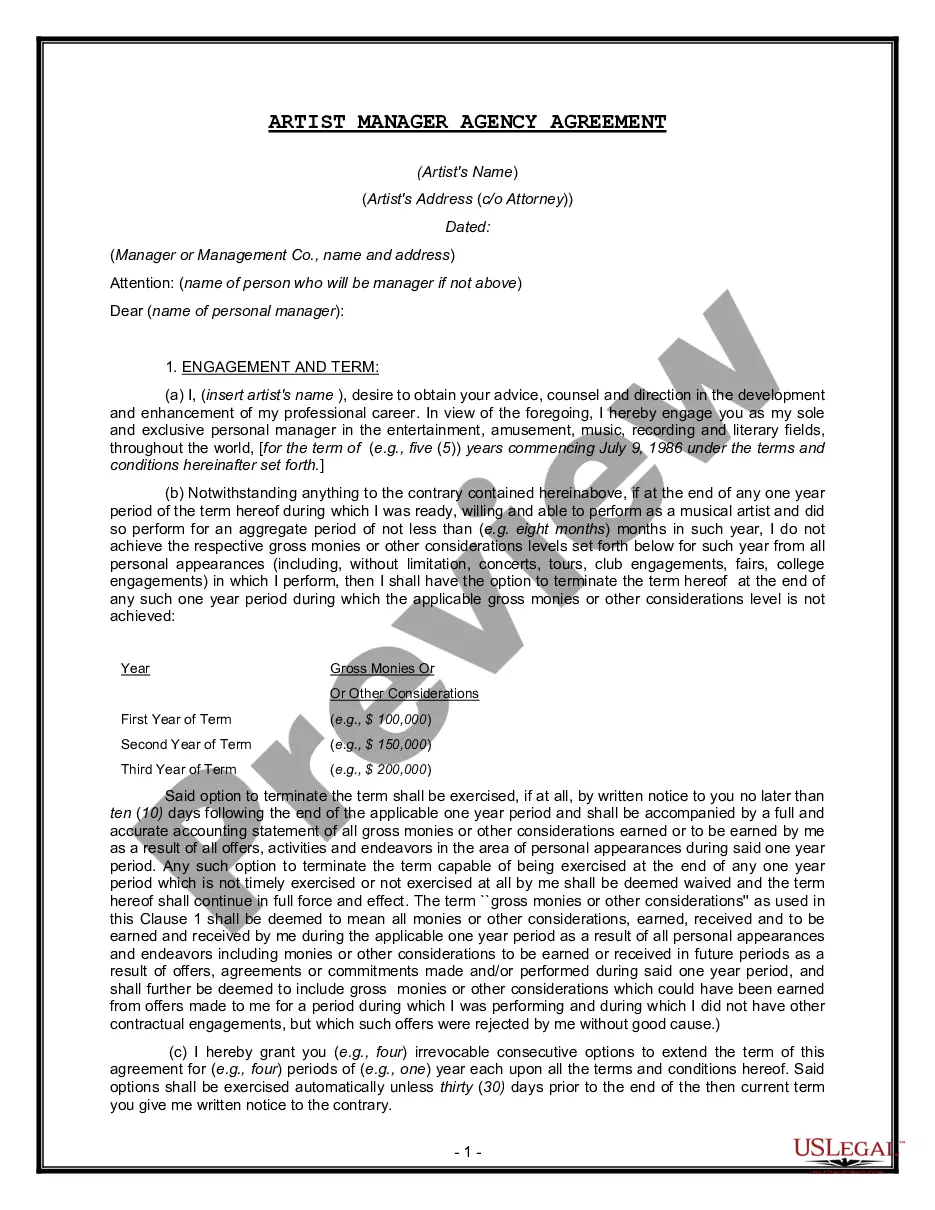
Personal Manager Contract With Owner In Florida
Description

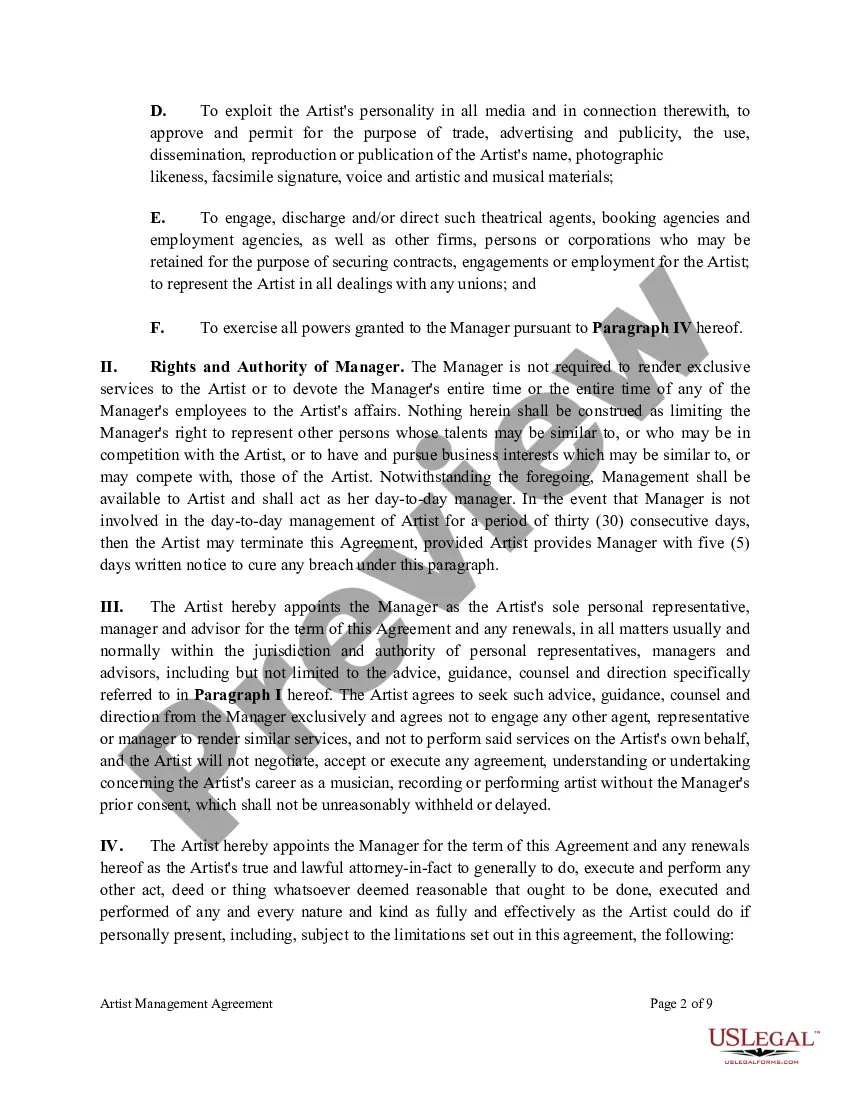
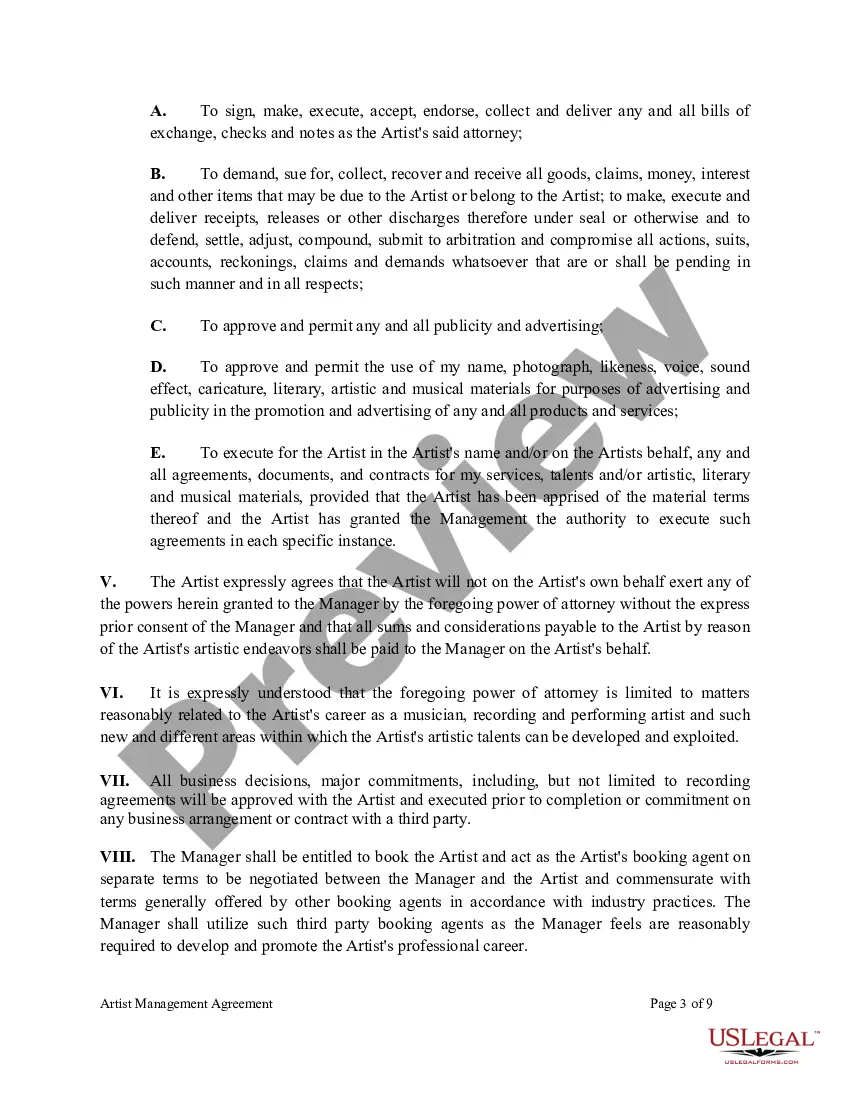
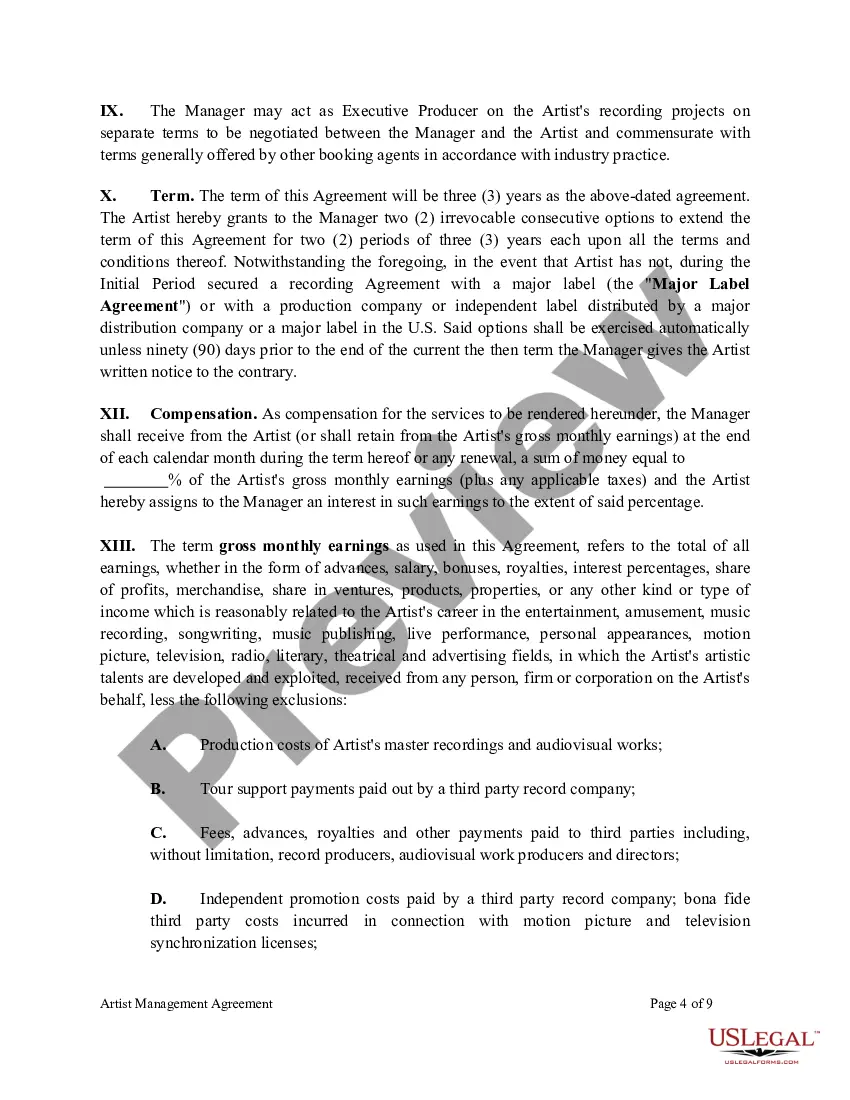
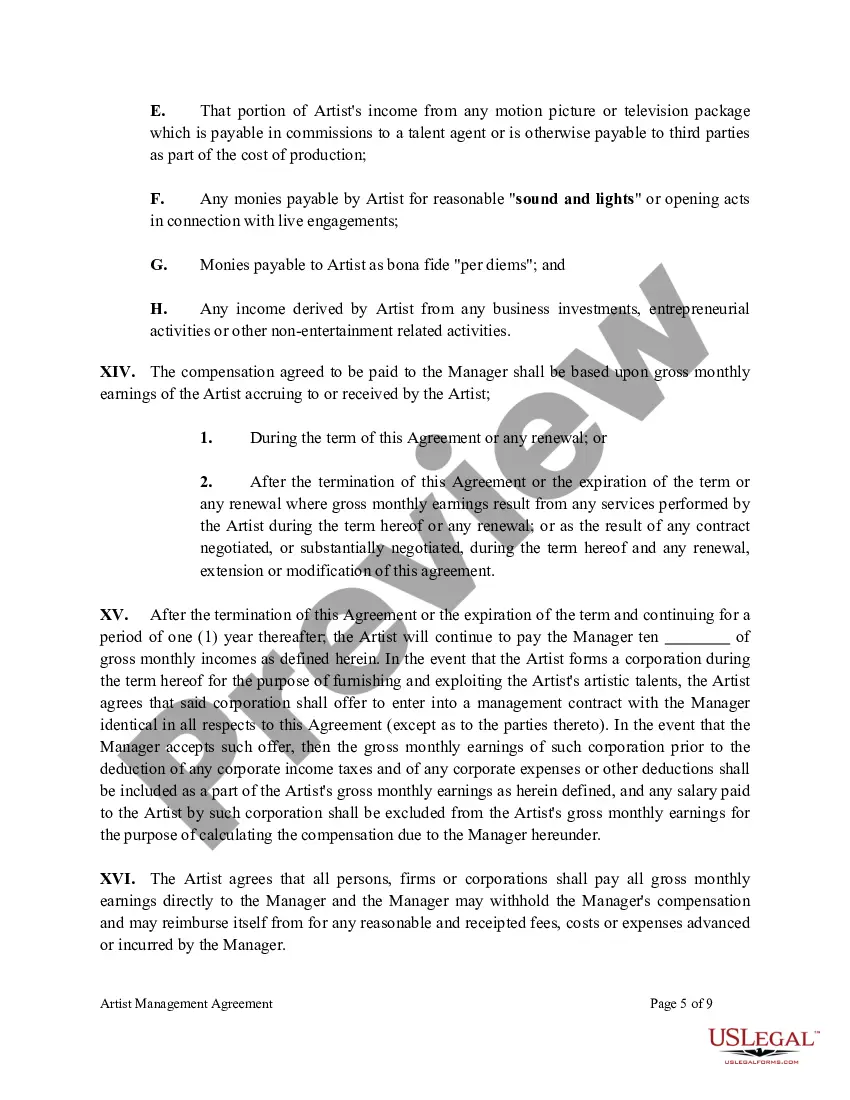
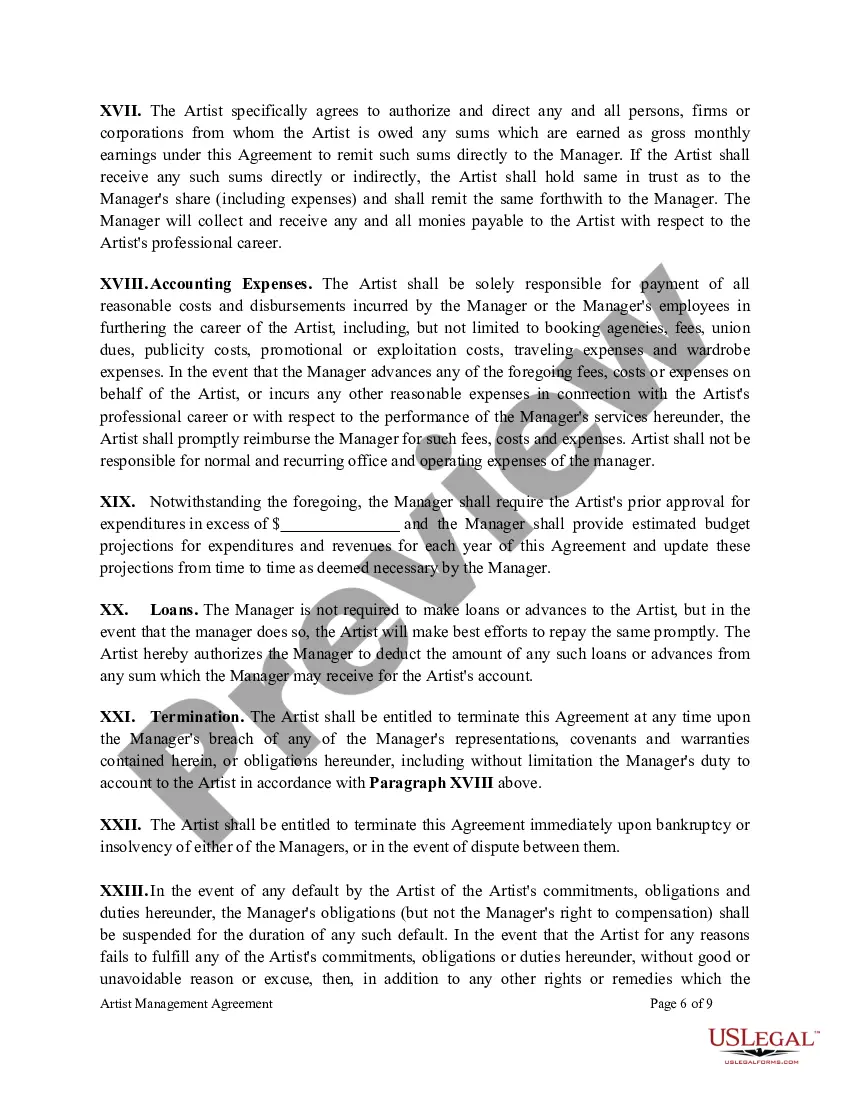
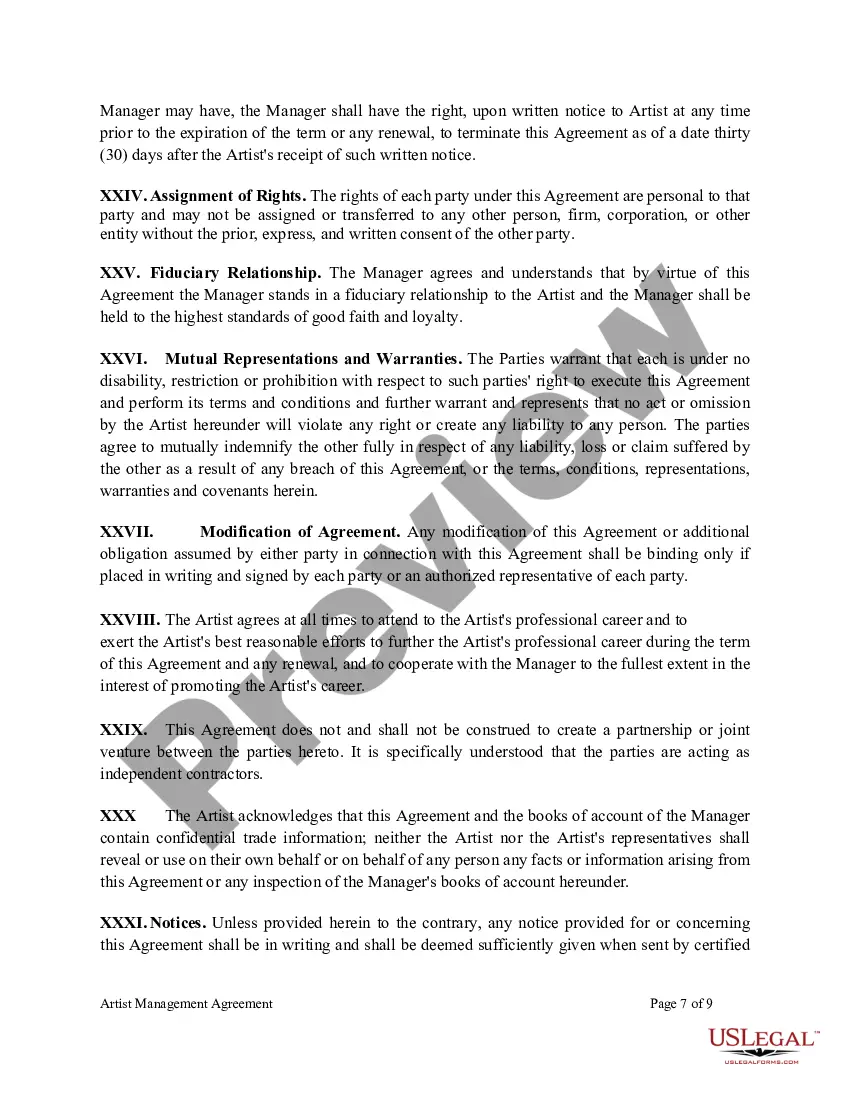
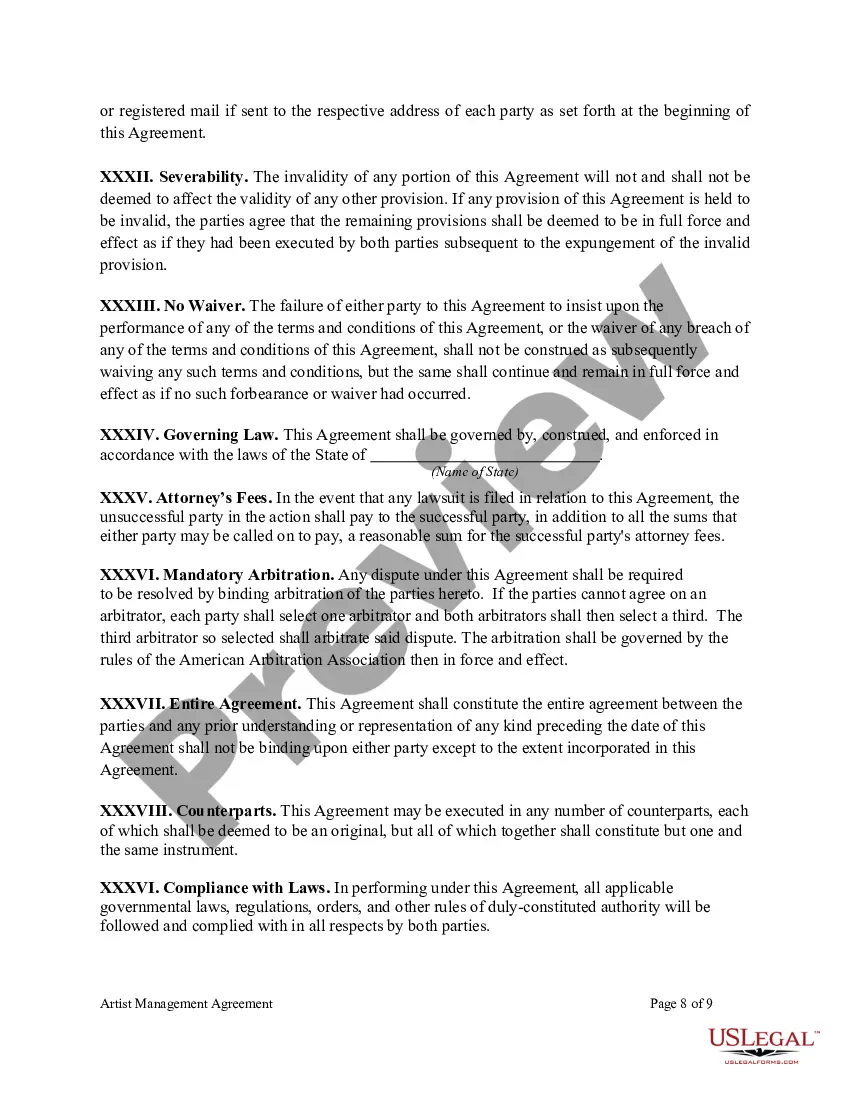
Get your form ready online
Our built-in tools help you complete, sign, share, and store your documents in one place.
Make edits, fill in missing information, and update formatting in US Legal Forms—just like you would in MS Word.
Download a copy, print it, send it by email, or mail it via USPS—whatever works best for your next step.
Sign and collect signatures with our SignNow integration. Send to multiple recipients, set reminders, and more. Go Premium to unlock E-Sign.
If this form requires notarization, complete it online through a secure video call—no need to meet a notary in person or wait for an appointment.
We protect your documents and personal data by following strict security and privacy standards.

Make edits, fill in missing information, and update formatting in US Legal Forms—just like you would in MS Word.

Download a copy, print it, send it by email, or mail it via USPS—whatever works best for your next step.

Sign and collect signatures with our SignNow integration. Send to multiple recipients, set reminders, and more. Go Premium to unlock E-Sign.

If this form requires notarization, complete it online through a secure video call—no need to meet a notary in person or wait for an appointment.

We protect your documents and personal data by following strict security and privacy standards.
Looking for another form?










Form popularity
FAQ
Essential clauses of a property management agreement Introduction. The intro part identifies the document as a property management agreement. Recitals. Description of rental property. Property manager's duties; obligations. Owner's obligations. Reimbursement of expenses. Term. Compensation.
A property management agreement is a formal contract that grants a property manager the authority to oversee rental property operations on a landlord's behalf. This agreement serves as the foundation of the manager-landlord relationship, clarifying the scope of services, financial arrangements, and expectations.
A Management Agreement is a contract between a property owner and a designated manager that outlines the responsibilities and expectations of both parties in managing the property. It typically covers tasks such as rent collection, maintenance, repairs, and tenant communication.
The management agreement is the employment contract for a property manager. The owner is the principal and the property manager is the general agent in this agreement, which creates an agency relationship between the parties.
While the roles of a property manager can vary from day to day, a property manager's first responsibility to the owner is always to protect and manage their investment professionally. This includes preserving or increasing the property's value, maximizing rental income, and maintaining a high occupancy rate.
A property manager becomes an authorized representative when the property owner & manager execute a legally binding property management agreement, a legal contract that details a manager's responsibilities and the owner's expectations regarding the property's managerial tasks.
A Management Agreement is a contract between a property owner and a designated manager that outlines the responsibilities and expectations of both parties in managing the property. It typically covers tasks such as rent collection, maintenance, repairs, and tenant communication.
Florida leases do not need to be notarized.
Handwritten contracts are legally binding if they meet the necessary conditions that apply to all contracts: mutual agreement, capacity, consideration, and legal validity. There are no legal differences between typed and handwritten agreements when it comes to enforceability.
