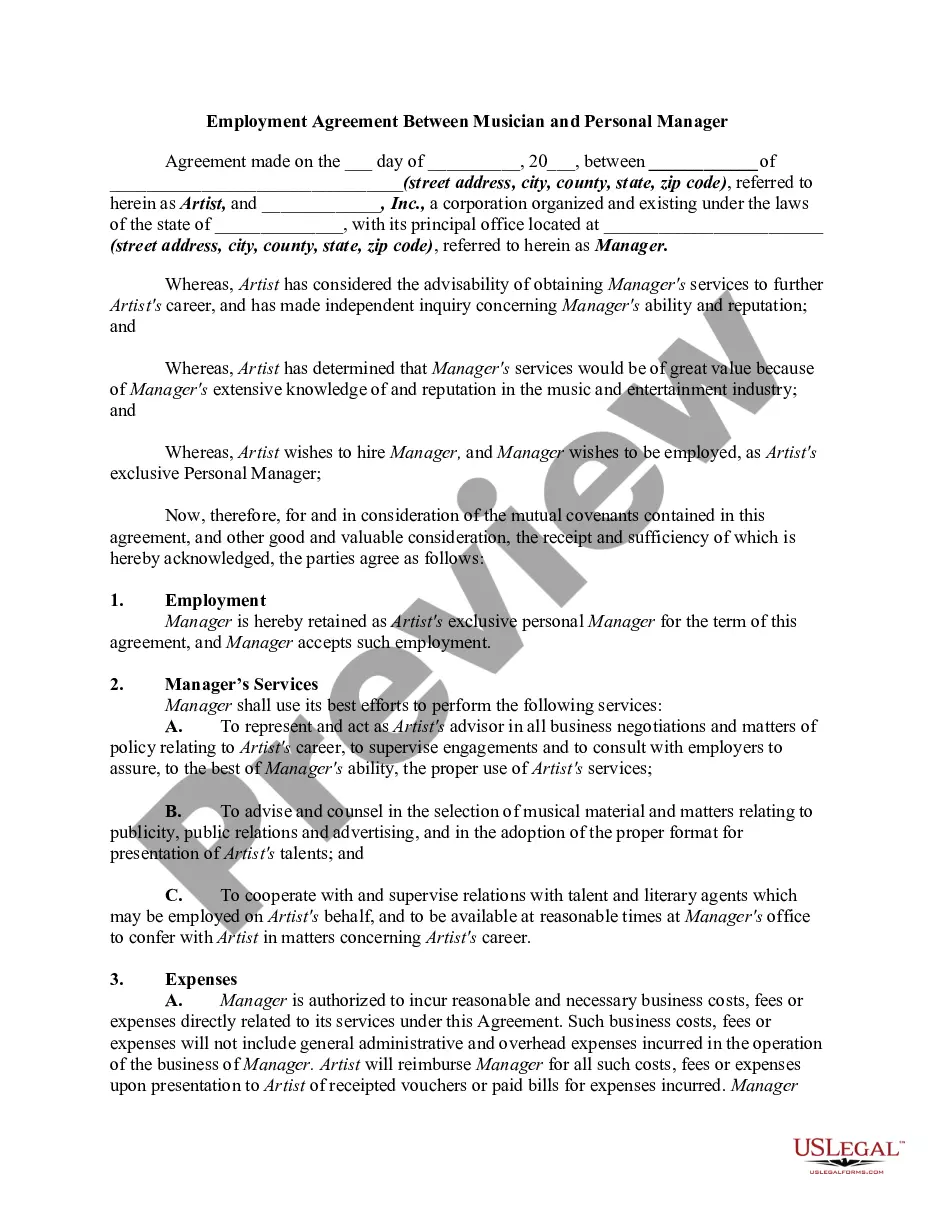
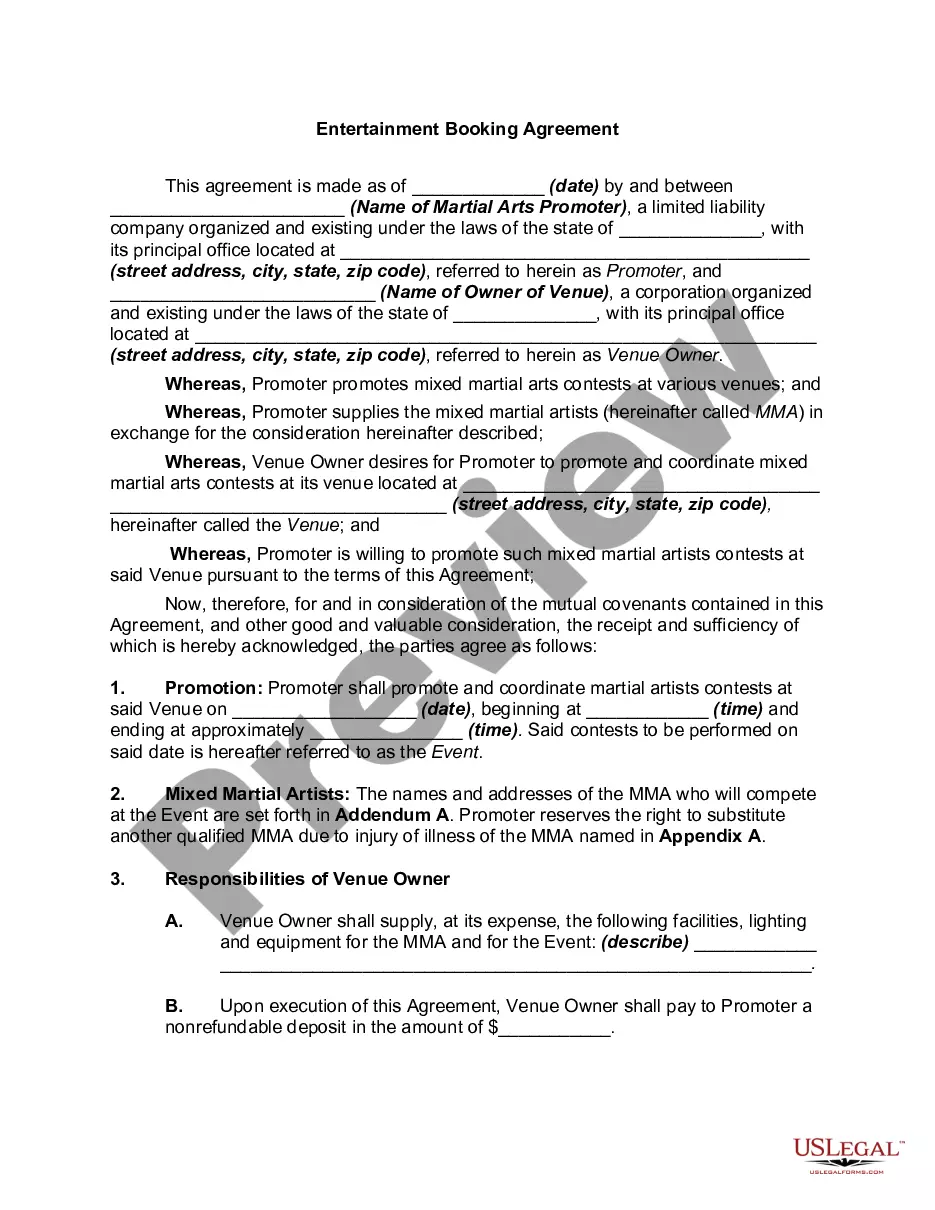
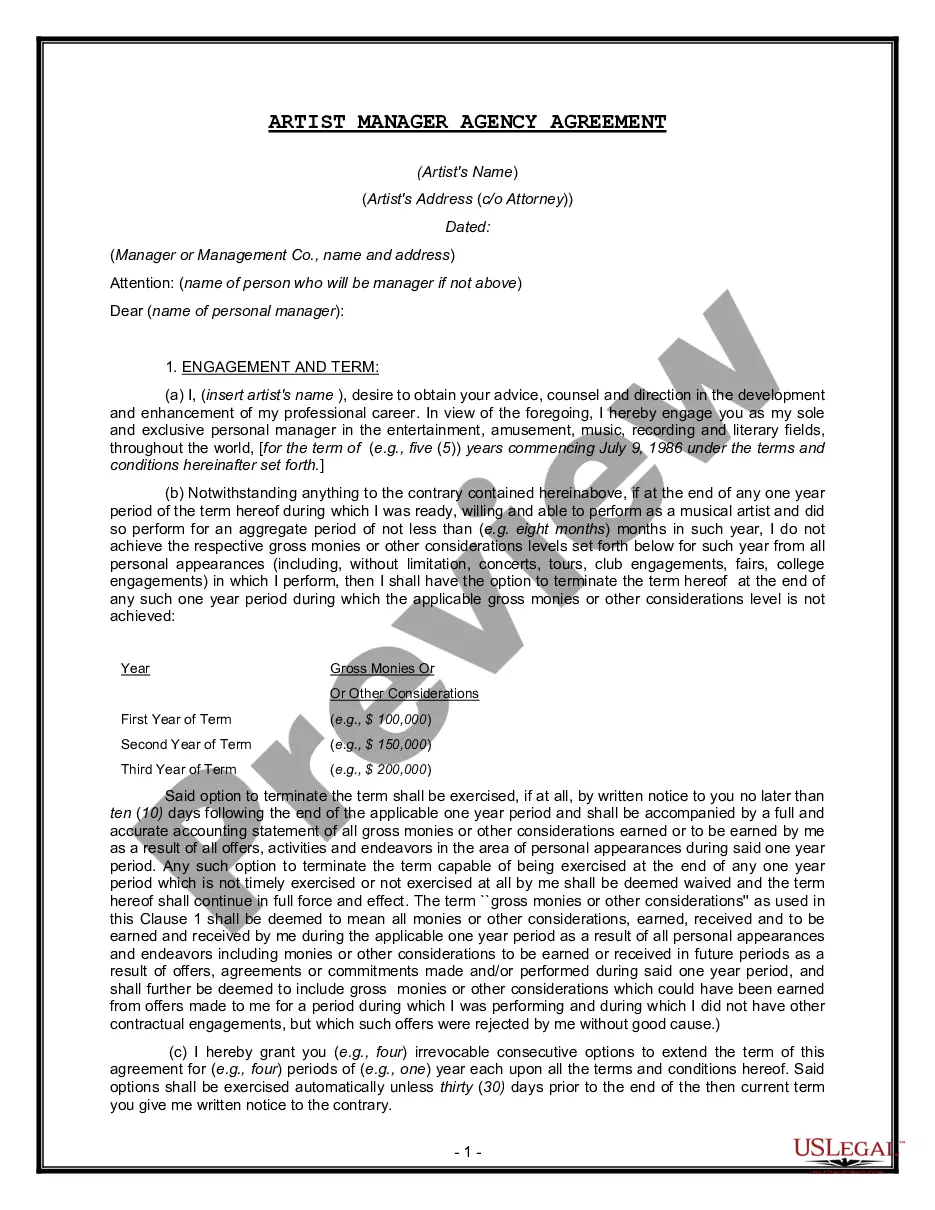
Contracts For Music Artists In Fairfax
Description

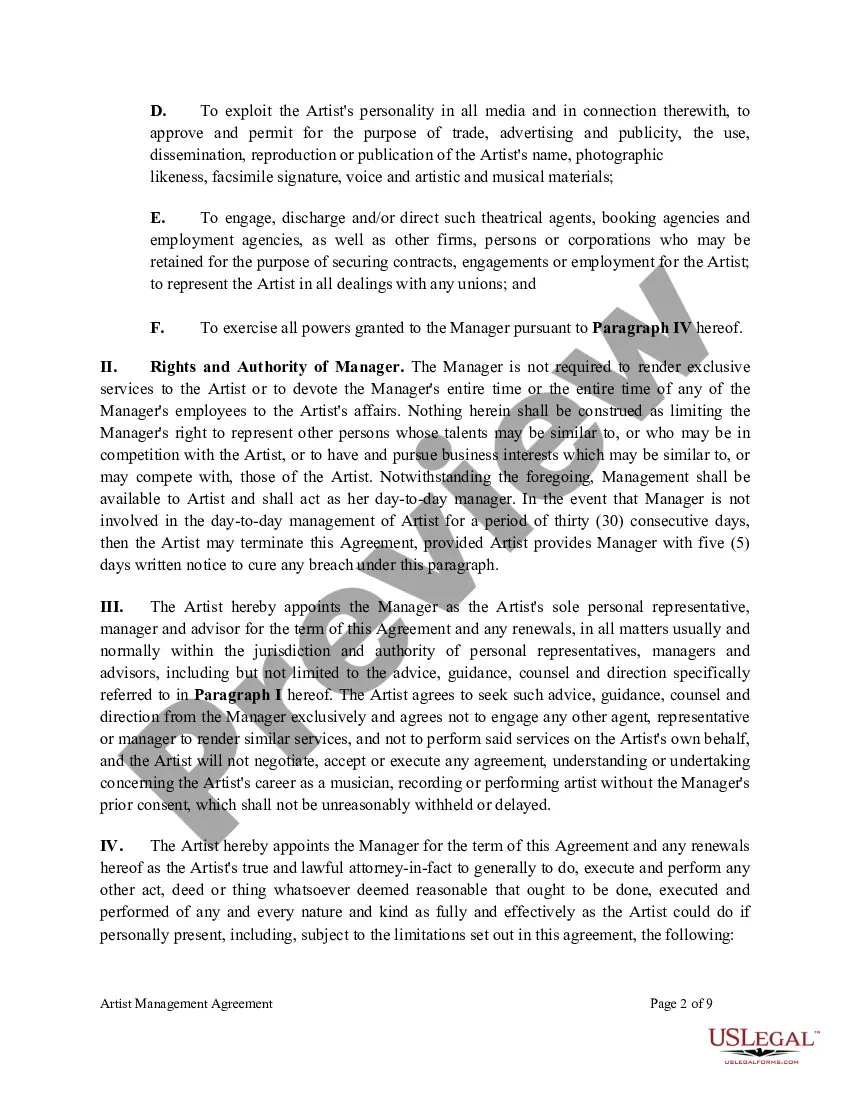
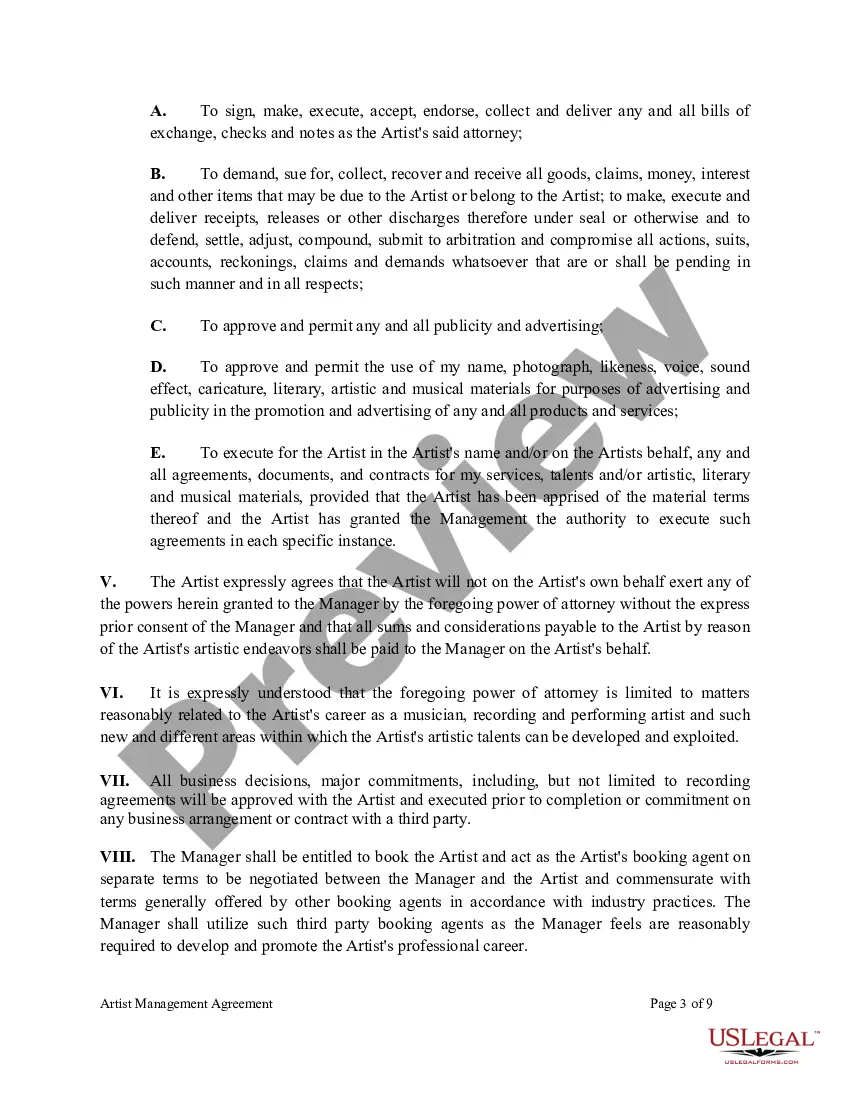
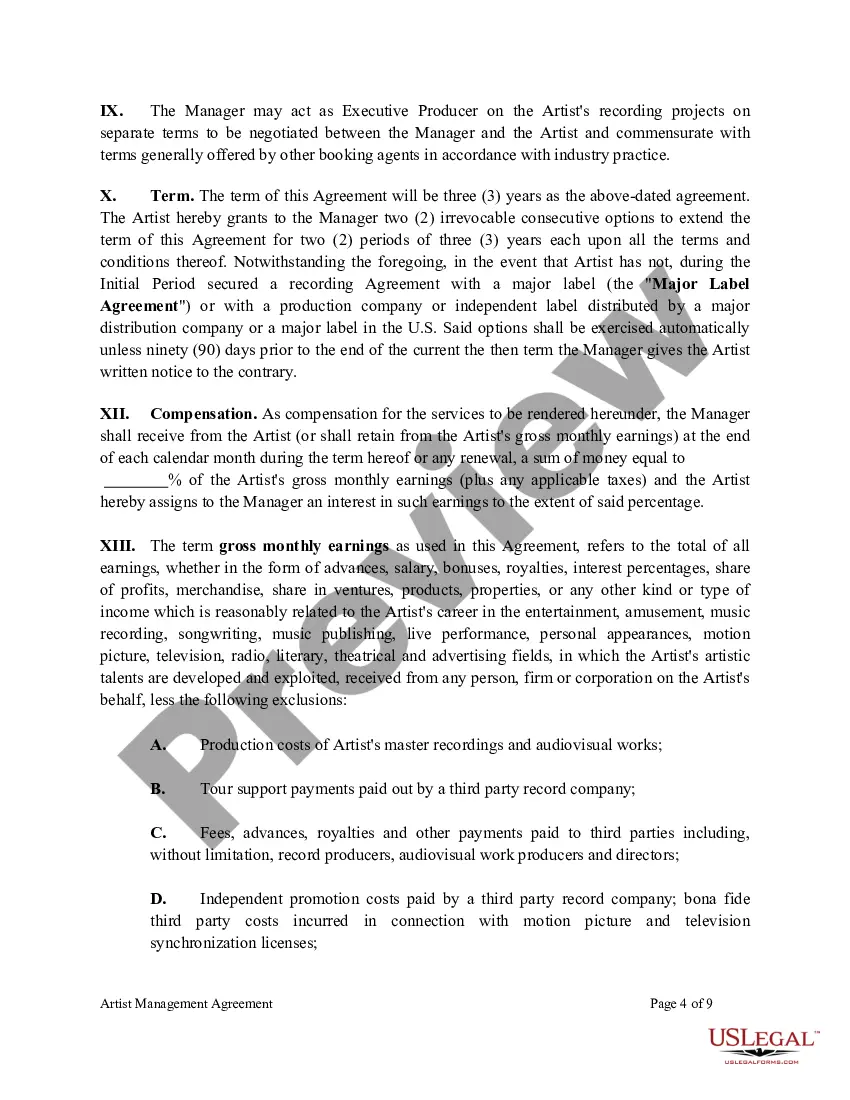
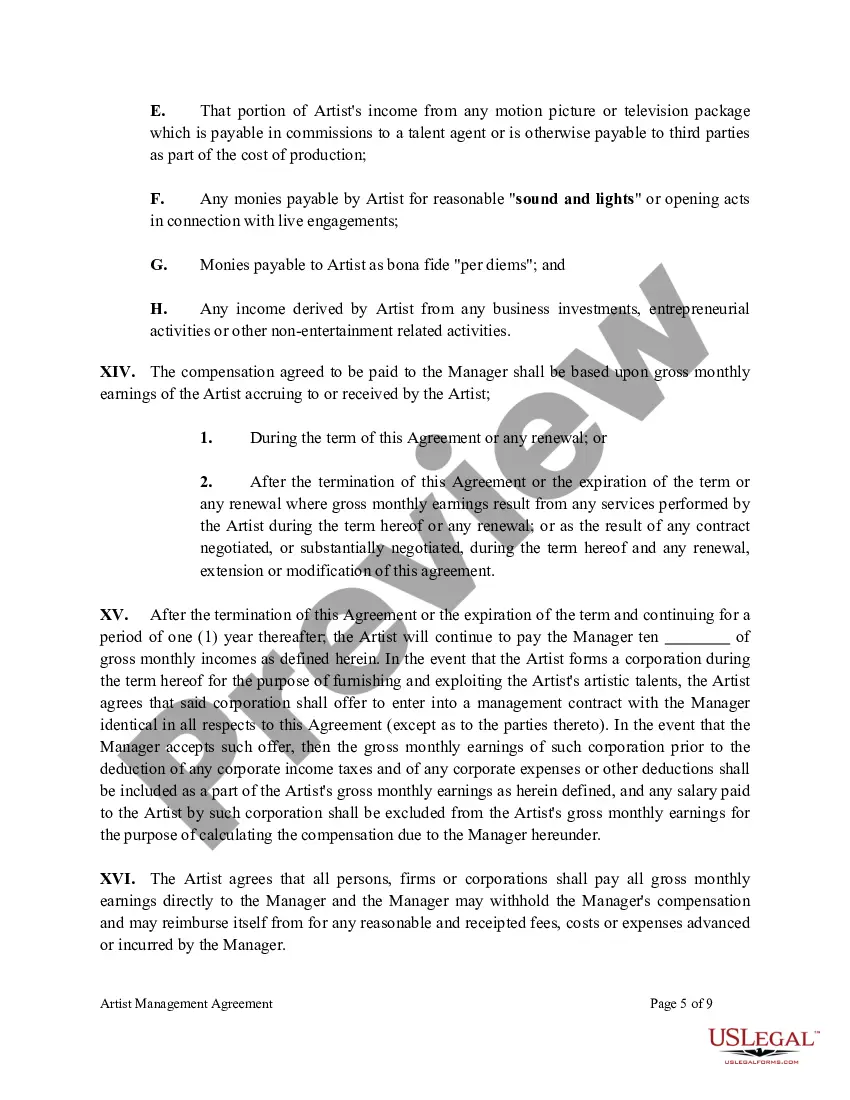
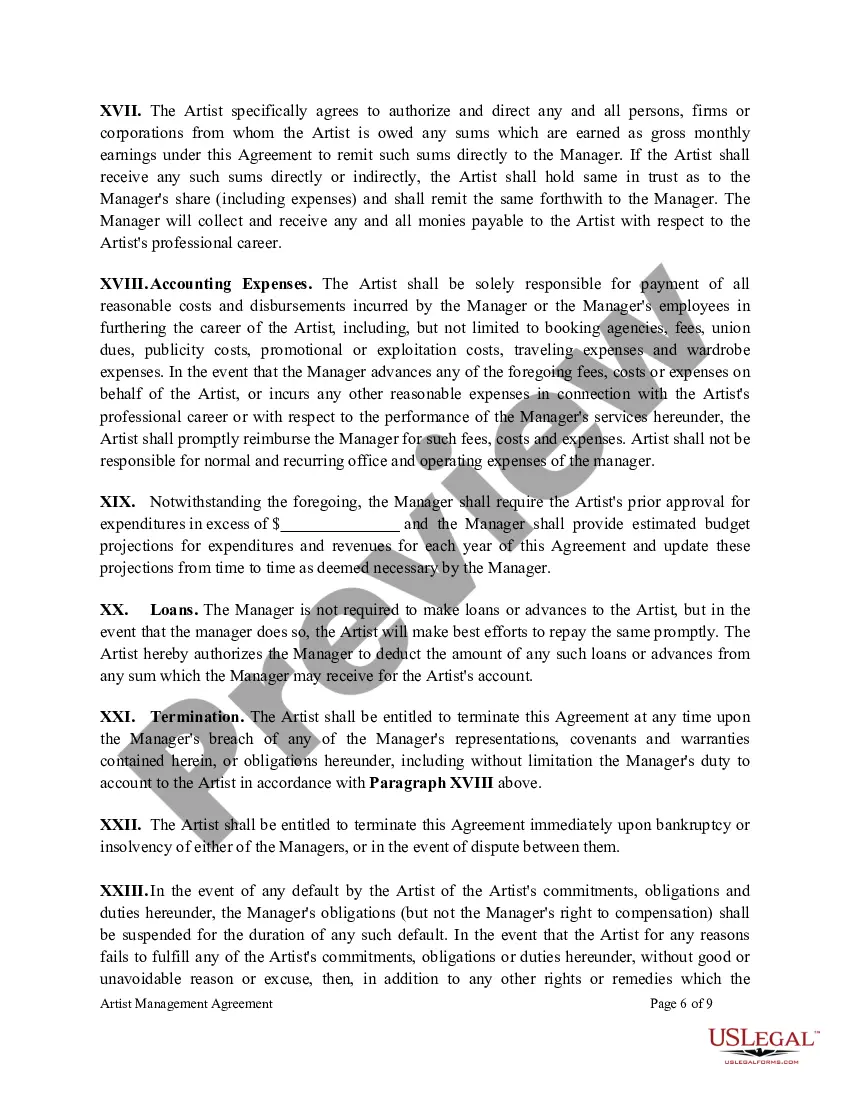
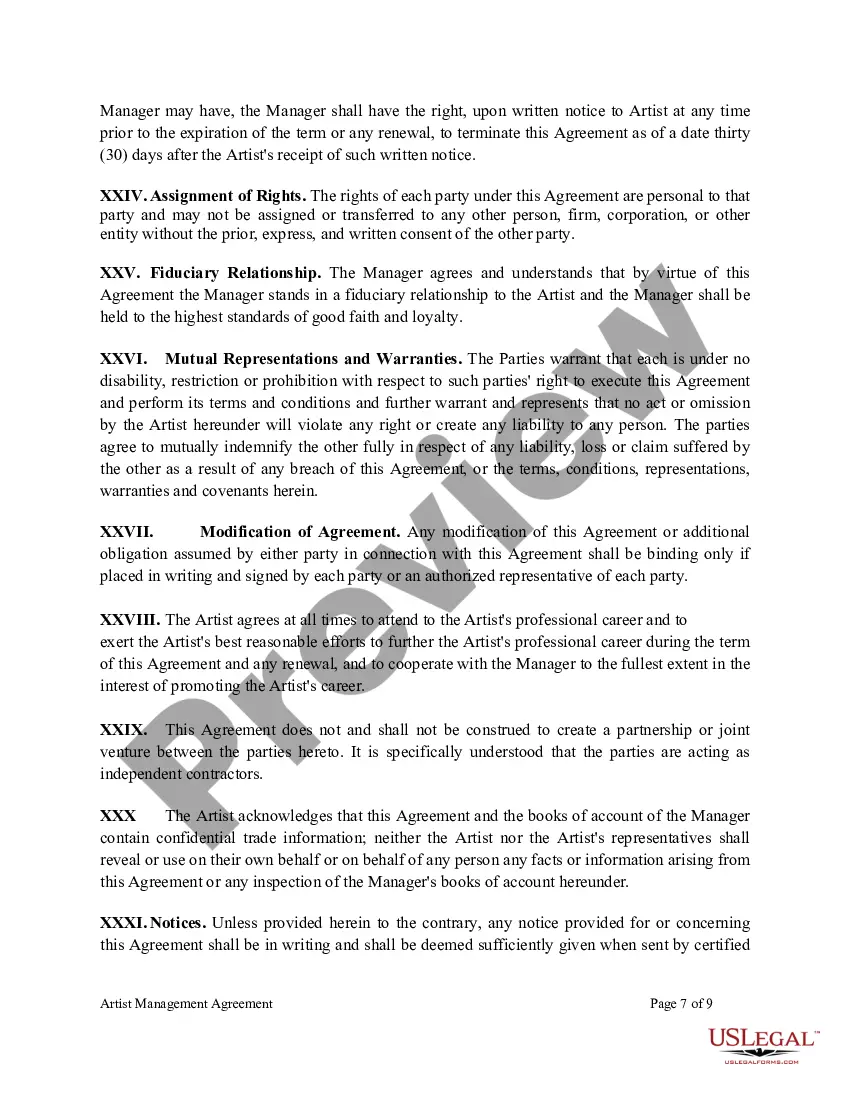
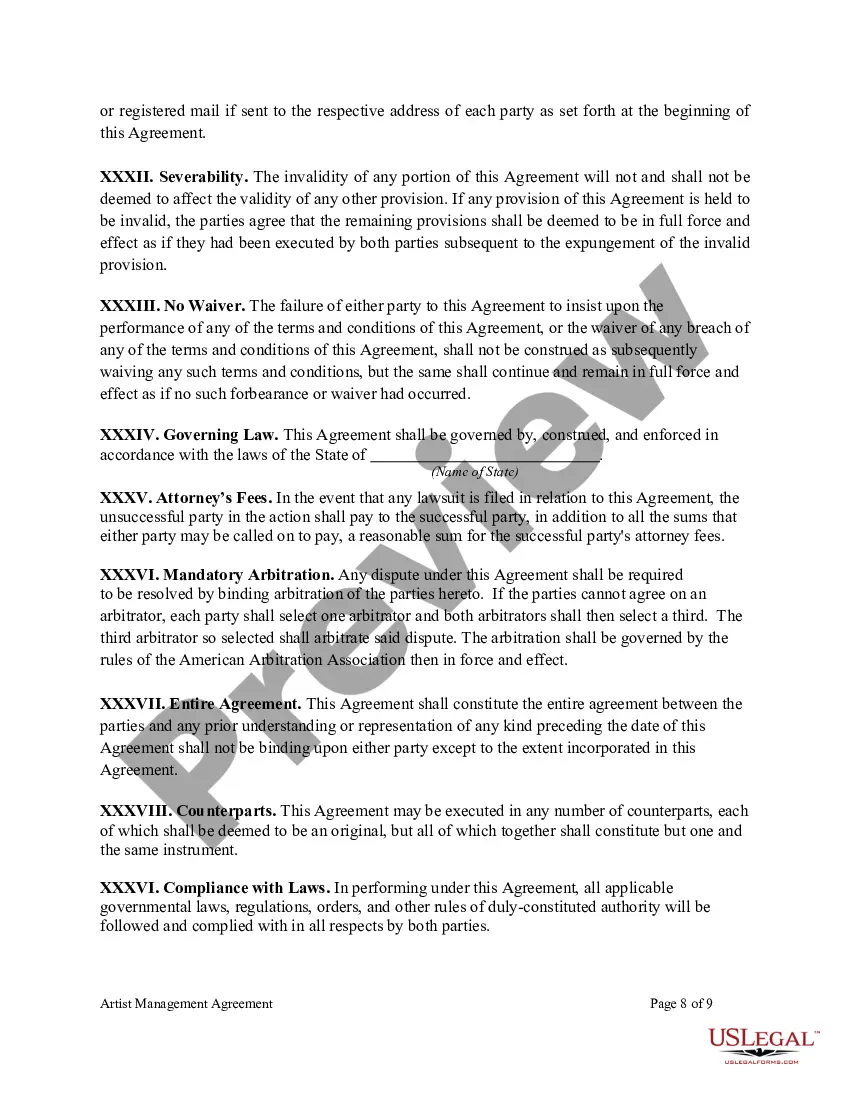
Get your form ready online
Our built-in tools help you complete, sign, share, and store your documents in one place.
Make edits, fill in missing information, and update formatting in US Legal Forms—just like you would in MS Word.
Download a copy, print it, send it by email, or mail it via USPS—whatever works best for your next step.
Sign and collect signatures with our SignNow integration. Send to multiple recipients, set reminders, and more. Go Premium to unlock E-Sign.
If this form requires notarization, complete it online through a secure video call—no need to meet a notary in person or wait for an appointment.
We protect your documents and personal data by following strict security and privacy standards.

Make edits, fill in missing information, and update formatting in US Legal Forms—just like you would in MS Word.

Download a copy, print it, send it by email, or mail it via USPS—whatever works best for your next step.

Sign and collect signatures with our SignNow integration. Send to multiple recipients, set reminders, and more. Go Premium to unlock E-Sign.

If this form requires notarization, complete it online through a secure video call—no need to meet a notary in person or wait for an appointment.

We protect your documents and personal data by following strict security and privacy standards.
Looking for another form?





Form popularity
FAQ
Market yourself and network with musicians. Try and market for a specific genre/group of people who are interested in your work and get demos out. Send music to the local radios to get played along with your contact details of course! Make connections in the industry that might help you get leverage.
A smart contract can be built into the original NFT so that the original artist continues to benefit from royalties on every subsequent sale. NFTs allow music artists to sell pieces of original work, such as a set of beats or a riff, with the intention that other artists buy that NFT and build upon the original work.
Getting into the music industry is all about networking, showcasing your talent, and staying consistent. Start by building an online presence with platforms like TikTok or YouTube and connect with people already in the industry--go to local shows, attend music events, and make friends with other artists and producers.
- Play at local venues, open mics, and virtual events to gain experience and build a local fanbase. - Join music forums, social media groups, and online communities to connect with other musicians and industry professionals. - Take online courses on music production, marketing, and business to improve your skills.
Landing Music Jobs: Tips for Beginners Network in the music industry. Create a professional music portfolio. Gain experience through volunteering. Apply for music jobs online. Attend music auditions. Improve your music skills. Keep up to date on industry trends. Learn about music marketing.
It's generally never too late to enter the music industry. Many successful artists and musicians have started their careers later in life. Here are some key points to consider: Diverse Pathways: The music industry offers various roles beyond performing, such as songwriting, production, and management.
You can search for internships on job boards or on the websites of music companies you're interested in. Networking - Attend music industry events and conferences to meet people in the industry. Join industry associations and participate in online forums and social media groups to connect with others in the field.
A Performance Agreement is a document that outlines the expectations of both parties in a work relationship. It is a way to ensure that both parties have agreed to the same terms and conditions, and is used to outline performance expectations, roles and responsibilities, timelines, and other pertinent information.
A contract should state each party's obligations/responsibilities, the scope of work, and the agreement as to compensation. It does not have to be written in legalise unless you are spelling out terms for a complicated project. The contract should include all the agreements you have with the other party.
Your Music Recording Contract should cover details like: Compensation and royalties. Where and when the album will be recorded. The album's release date. Who has creative control over specific elements of the album. The termination clause. The exclusive agreement clause. Dispute resolution. Promotional appearances.
