Management Agreement For Restaurant In Cuyahoga
Description

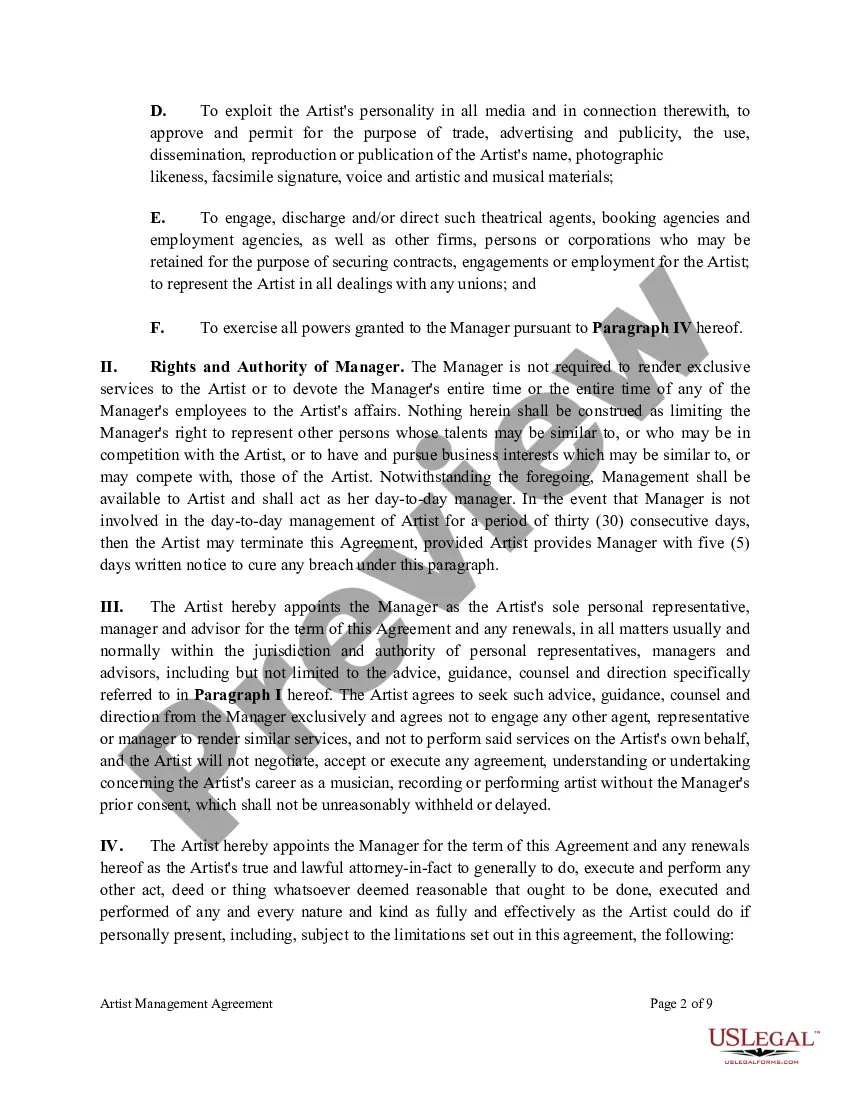
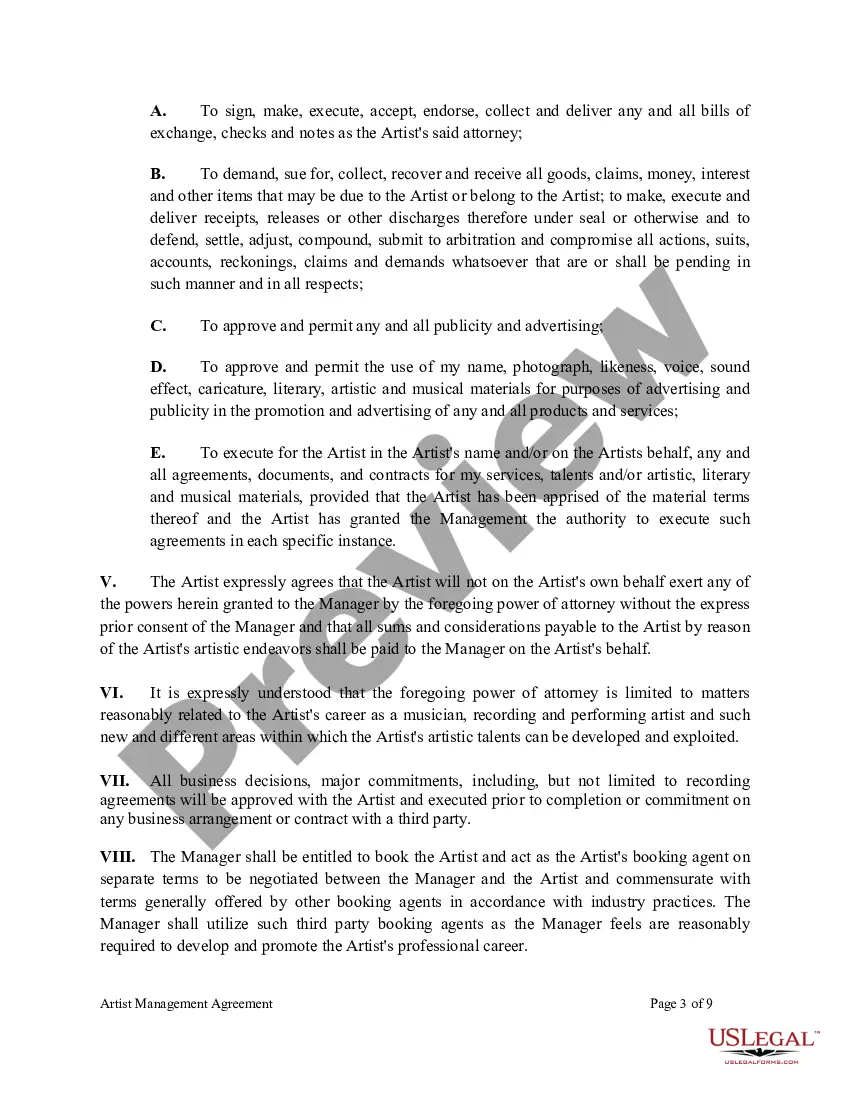
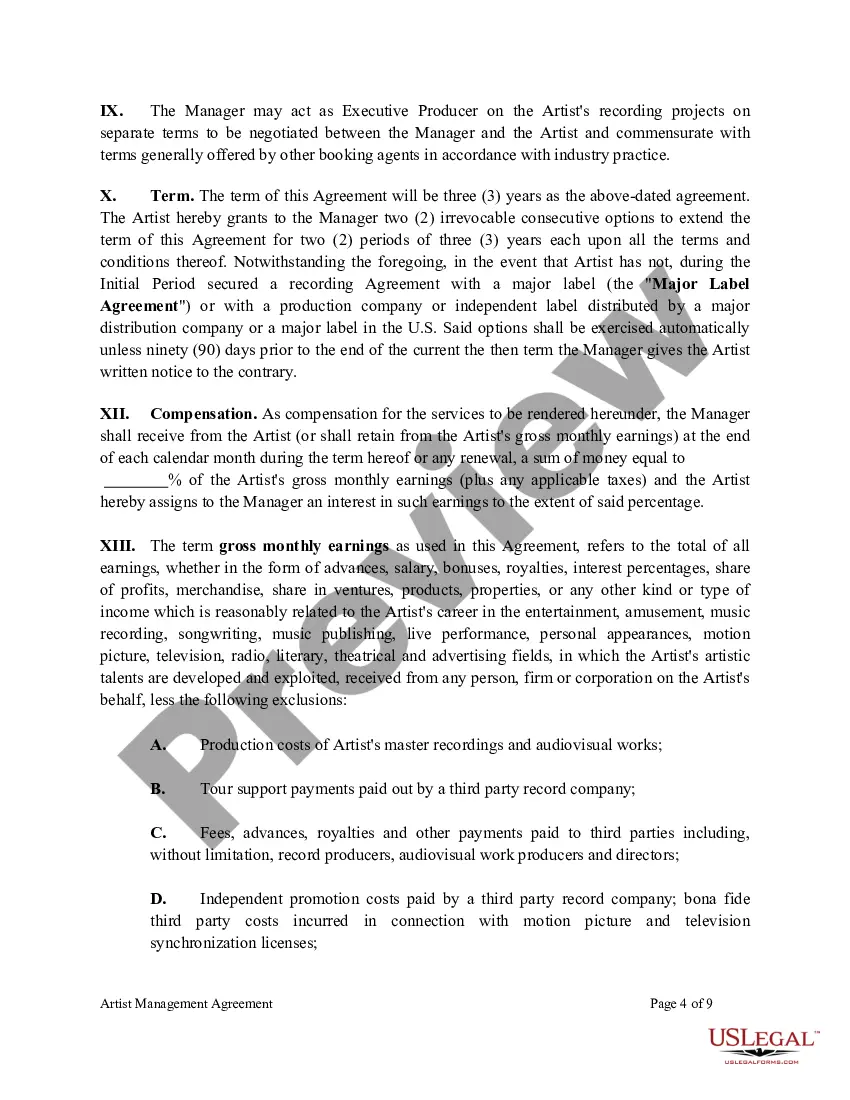
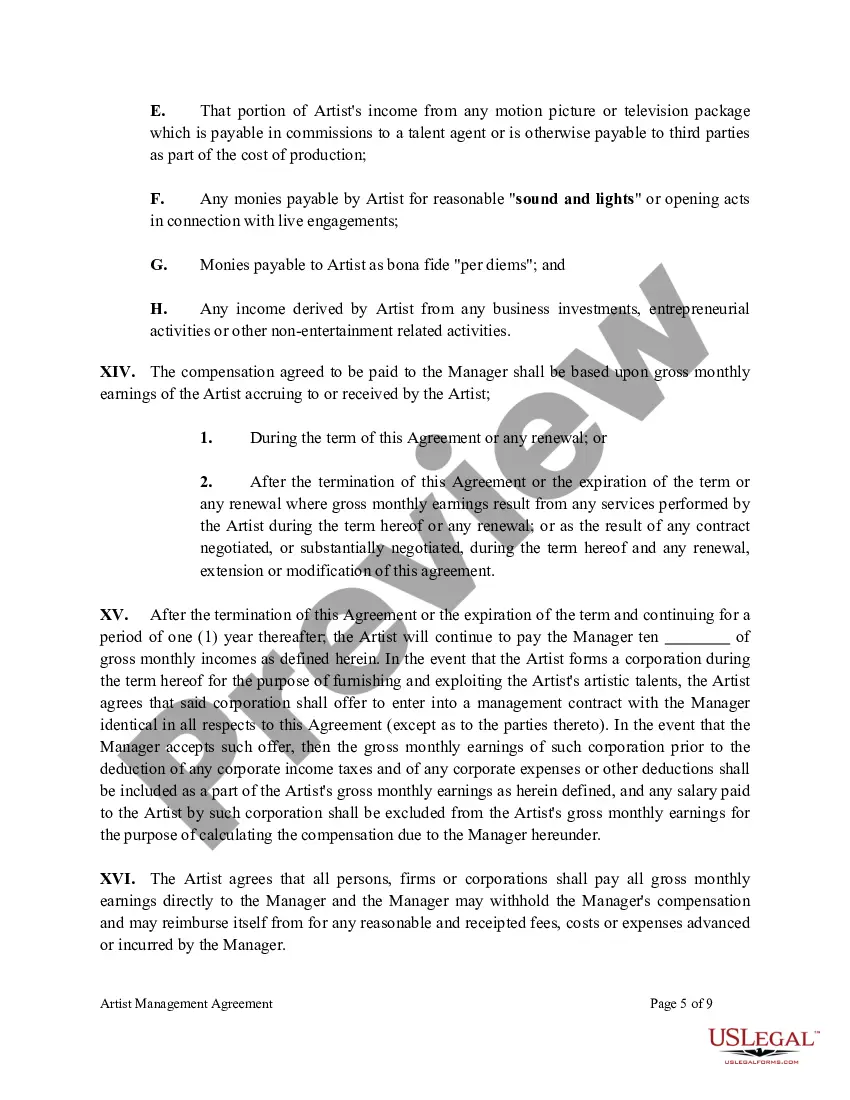
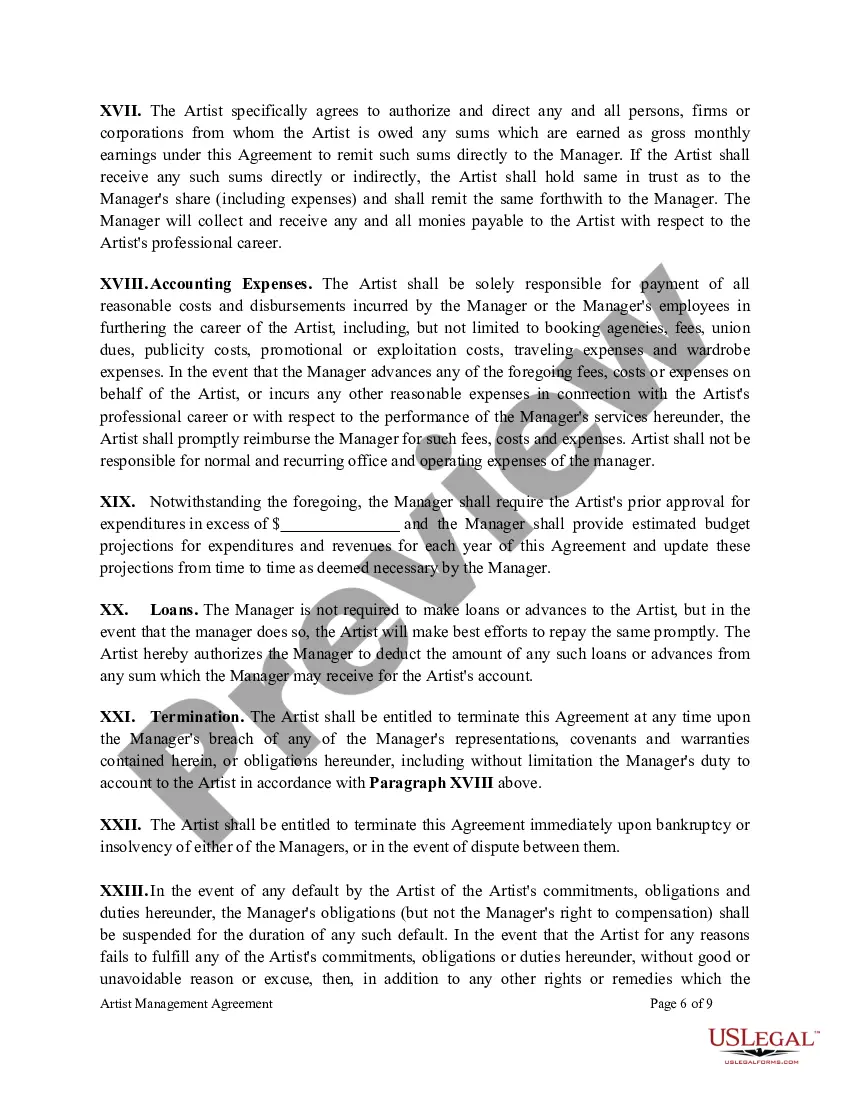
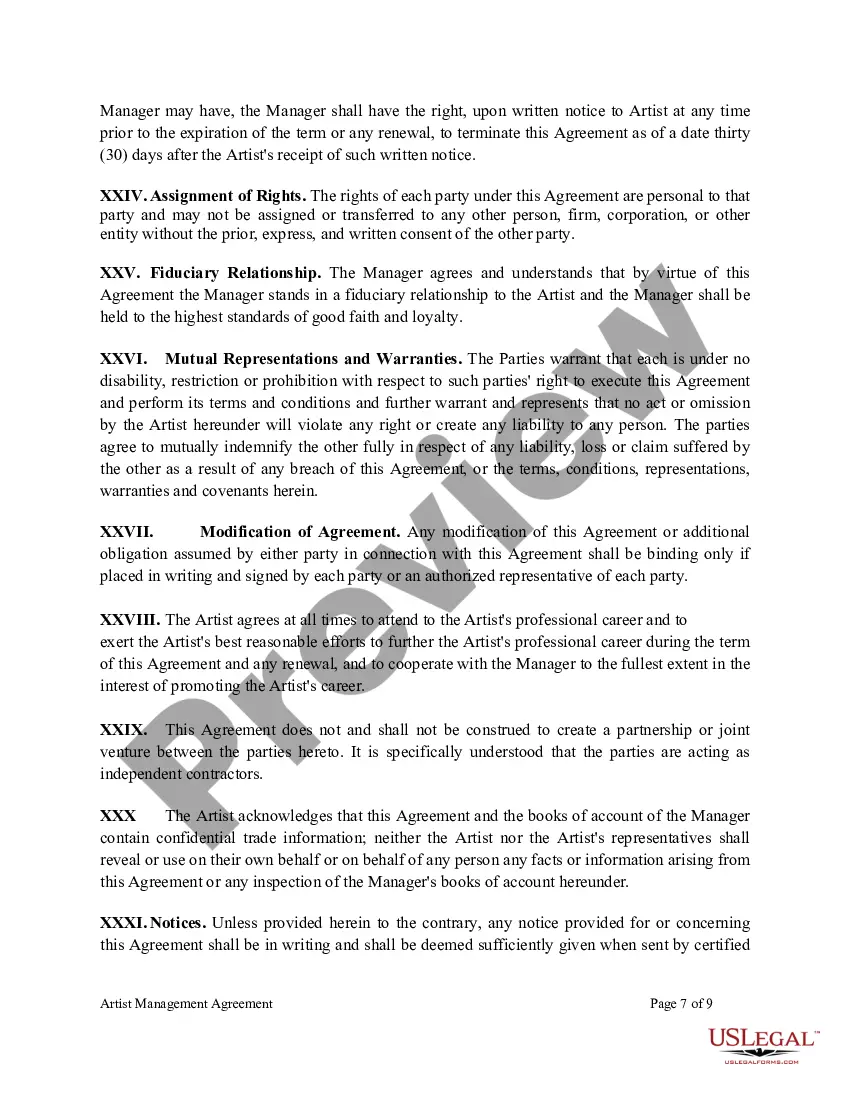
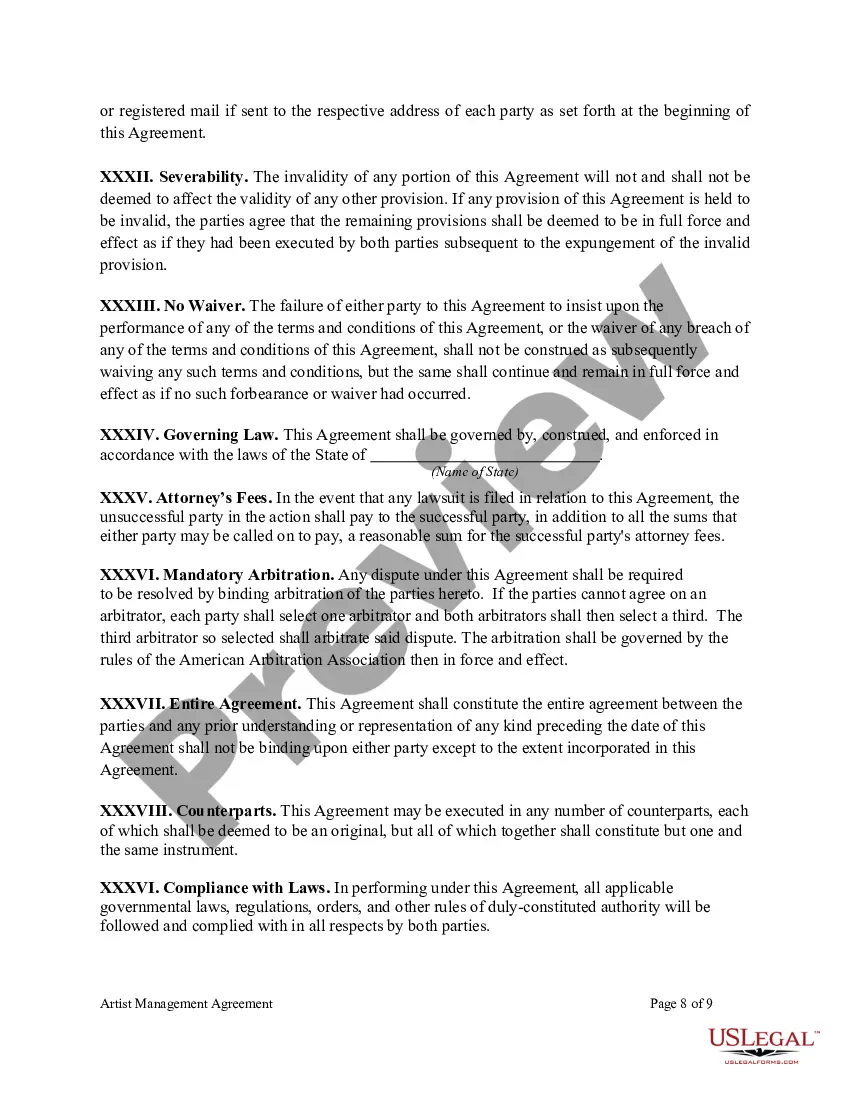
Get your form ready online
Our built-in tools help you complete, sign, share, and store your documents in one place.
Make edits, fill in missing information, and update formatting in US Legal Forms—just like you would in MS Word.
Download a copy, print it, send it by email, or mail it via USPS—whatever works best for your next step.
Sign and collect signatures with our SignNow integration. Send to multiple recipients, set reminders, and more. Go Premium to unlock E-Sign.
If this form requires notarization, complete it online through a secure video call—no need to meet a notary in person or wait for an appointment.
We protect your documents and personal data by following strict security and privacy standards.

Make edits, fill in missing information, and update formatting in US Legal Forms—just like you would in MS Word.

Download a copy, print it, send it by email, or mail it via USPS—whatever works best for your next step.

Sign and collect signatures with our SignNow integration. Send to multiple recipients, set reminders, and more. Go Premium to unlock E-Sign.

If this form requires notarization, complete it online through a secure video call—no need to meet a notary in person or wait for an appointment.

We protect your documents and personal data by following strict security and privacy standards.
Looking for another form?

Form popularity
FAQ
The Food Safety Management Plan was developed to be used as a reference tool for developing Hazard Analysis Critical Control Point (HACCP) systems for menu items within a restaurant.
Some common examples of planning in management of broad, long-range goals set in corporate planning include increasing market share, expanding into new markets, improving customer satisfaction, and reducing costs.
A restaurant management plan is your written strategy for how to get your restaurant to where you want it. New ideas have very little value unless they are put into action. This restaurant management plan is a tool that translates ideas (I should or I'll try to) into action (I am).
Restaurant management refers to the day-to-day management of businesses within the restaurant industry. This includes overseeing the business's daily operations, managing the workforce and finances, planning company strategies, ensuring marketing efforts achieve objectives, and managing the business's reputation.
A management plan is a formal planning tool that aims to design the future operations of the facility. It is a written document that outlines: the aims and objectives of the facility — what are we trying to achieve? the strategies used to meet the objectives — how will we achieve it?
There are at least two parties to a contract, a promisor, and a promisee. A promisee is a party to which a promise is made and a promisor is a party which performs the promise. Three sections of the Indian Contract Act, 1872 define who performs a contract – Section 40, 41, and 42.
A business management agreement formalizes the working relationship between a business and its manager. The contract will include information such as budgeting, the percentage of business revenue owed to the manager, and confidentiality requirements.
A property management agreement is a legally binding contract governing the relationship between a property owner and a property management entity or individual. Both parties delineate their roles, responsibilities, and expectations within this agreement.
A business management agreement is a contract between the owner of a company and one or more people responsible for managing the company. It outlines the specific roles, responsibilities, and duties of each party involved.
A property management contract clearly defines the relationship and expectations between you as the property owner and the management company you hire to oversee operations. It designates authority, ensures transparency on fees/payments, and provides legal protections if issues arise.
