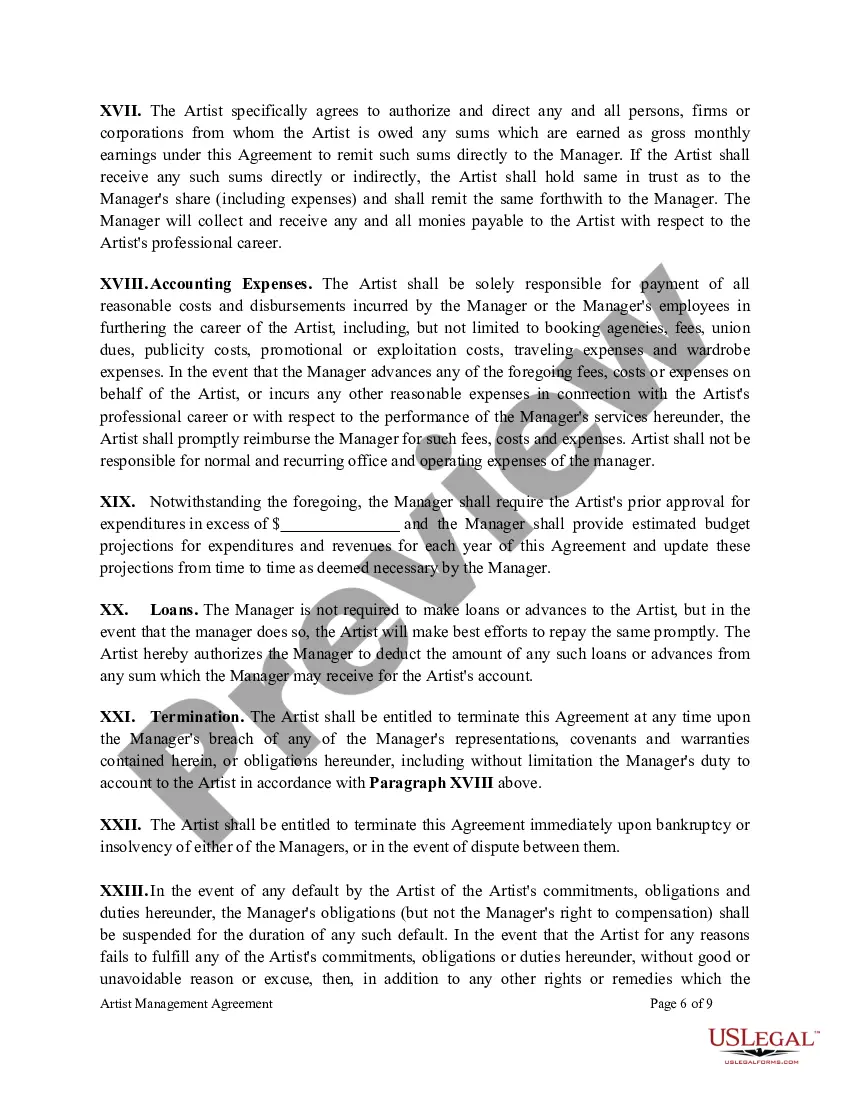
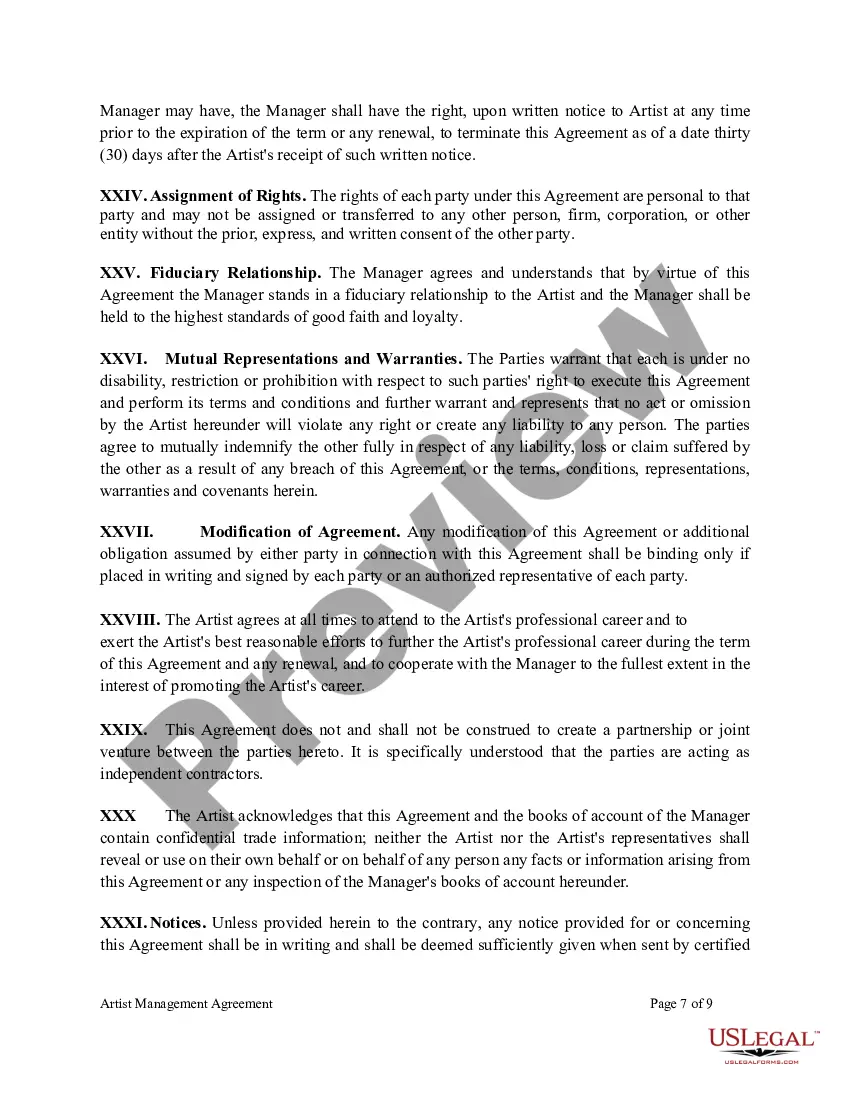
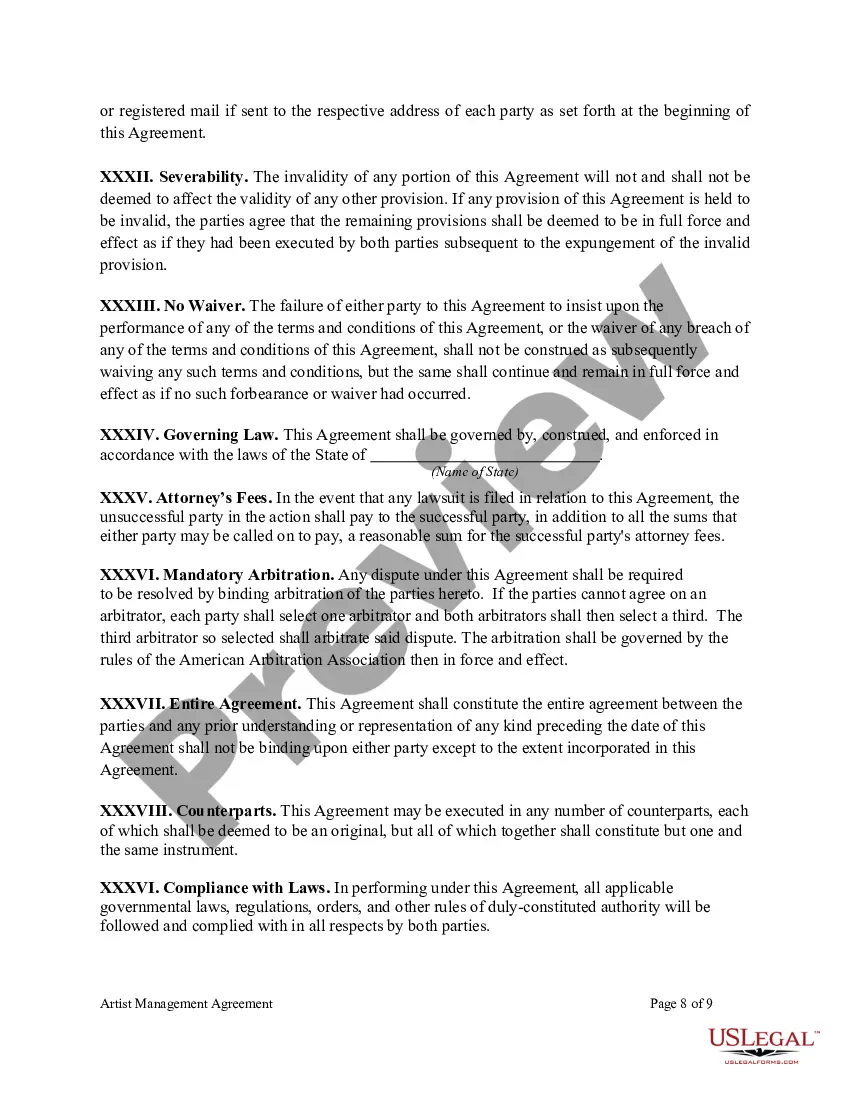
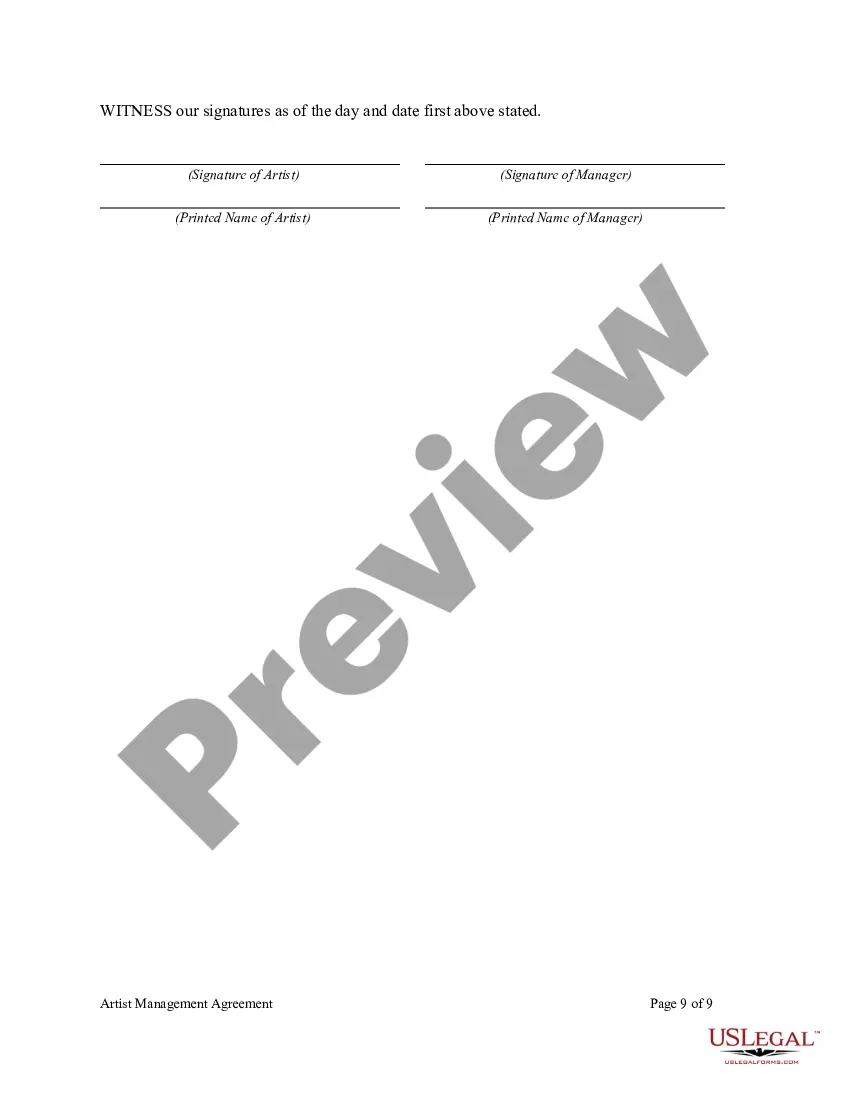
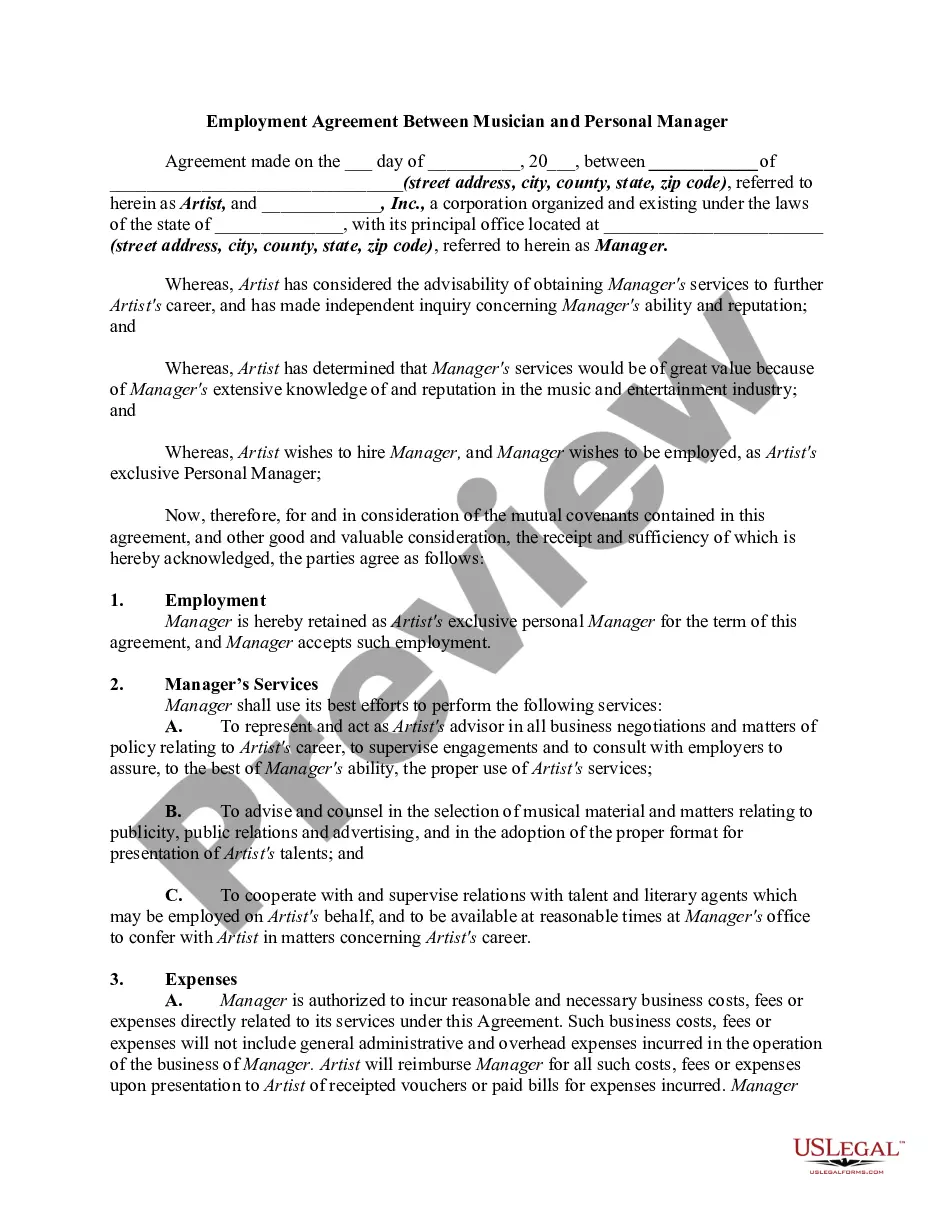
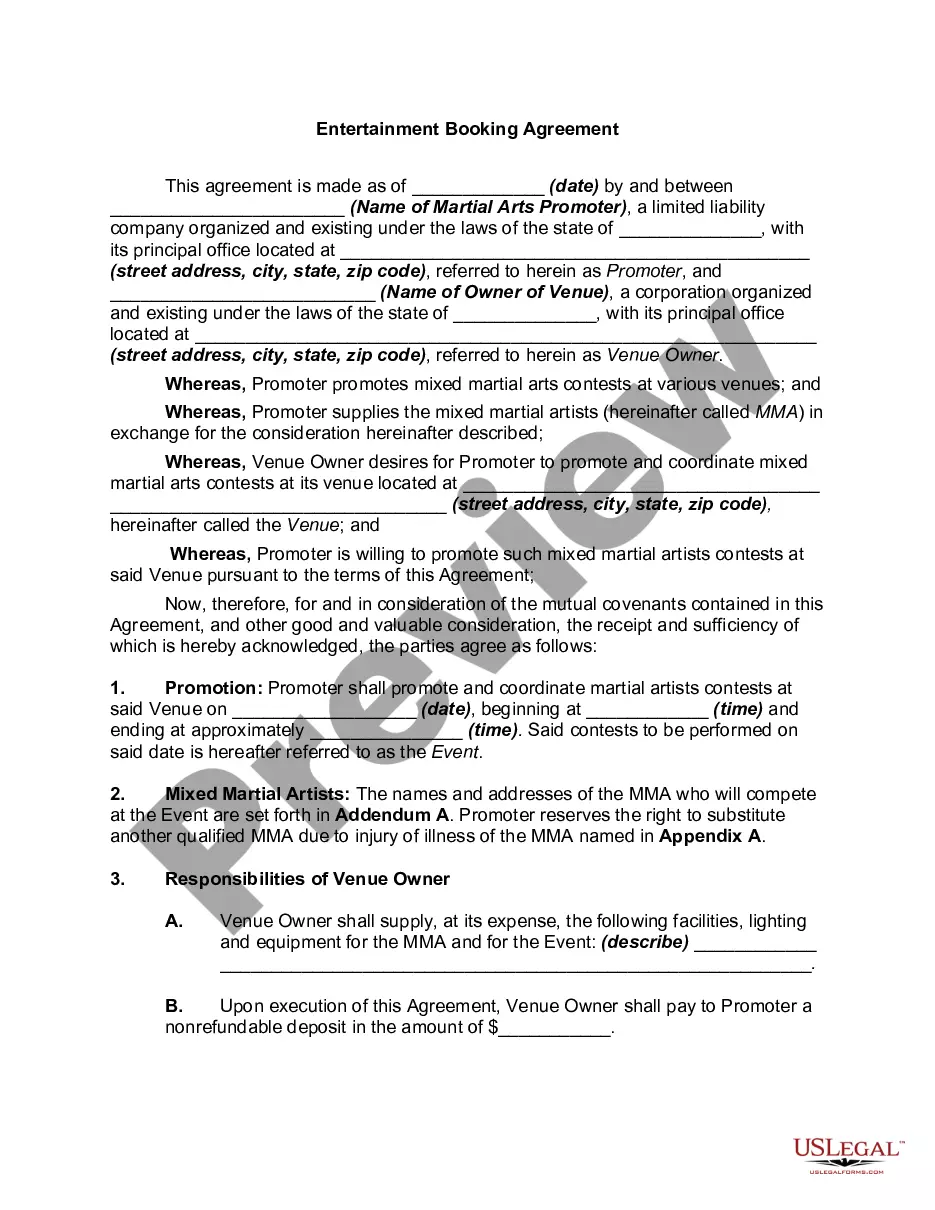
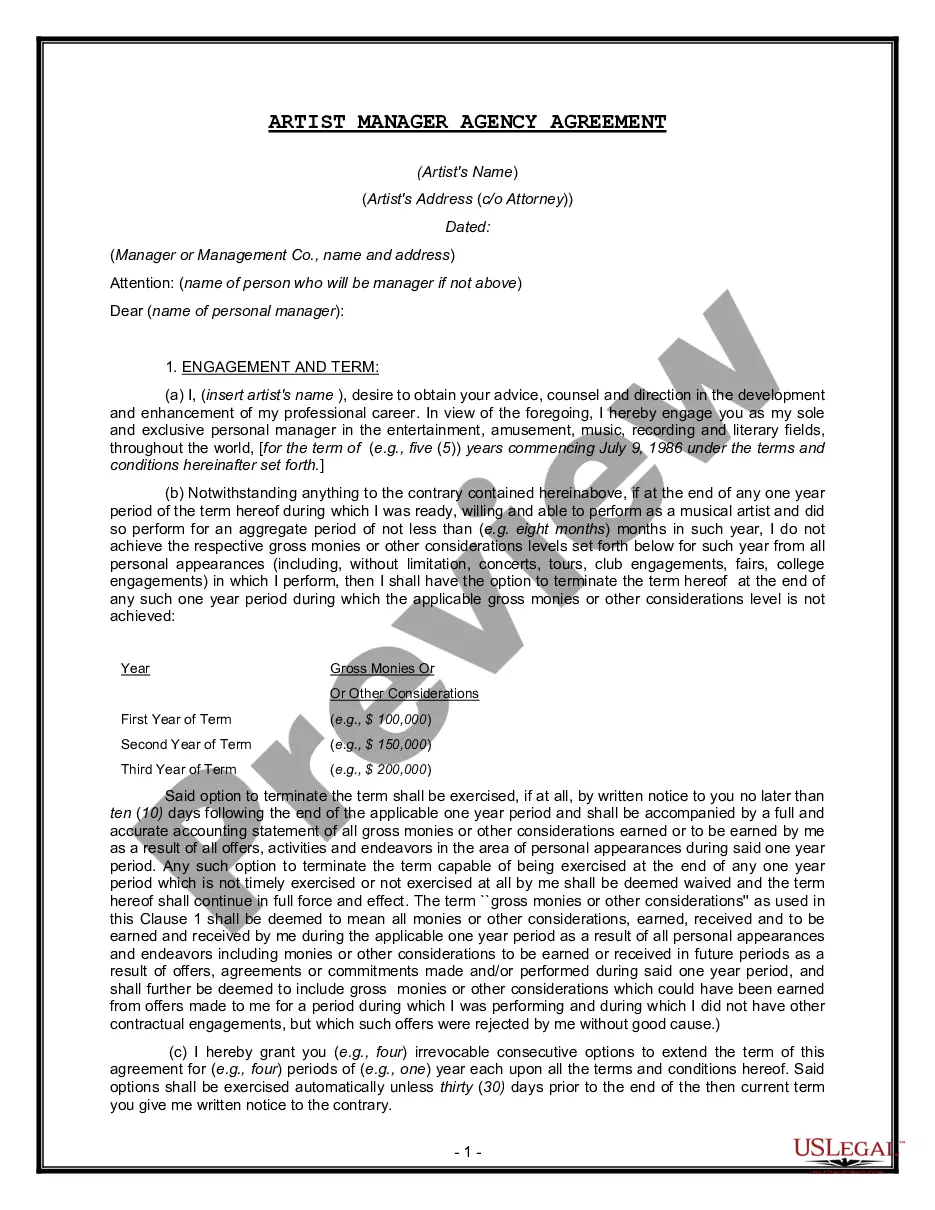
Talent Management Contract For The Twenty-first Century In Collin
Description

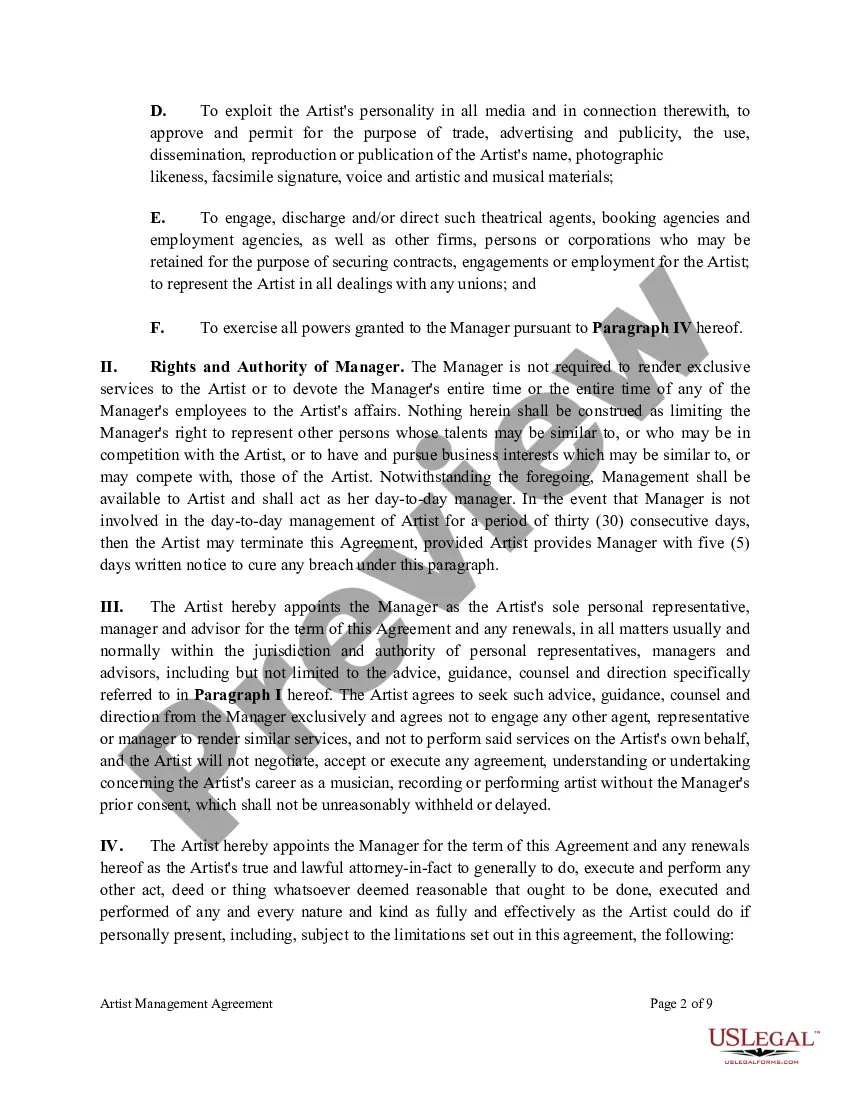
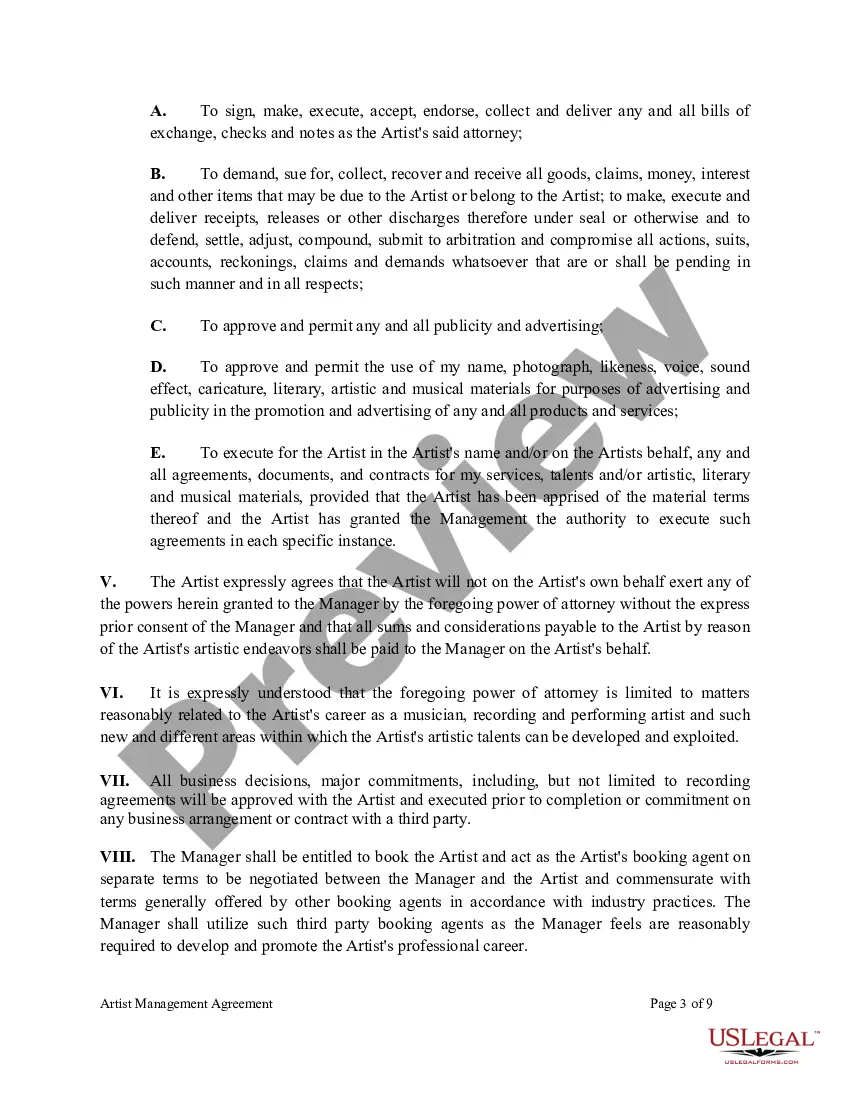
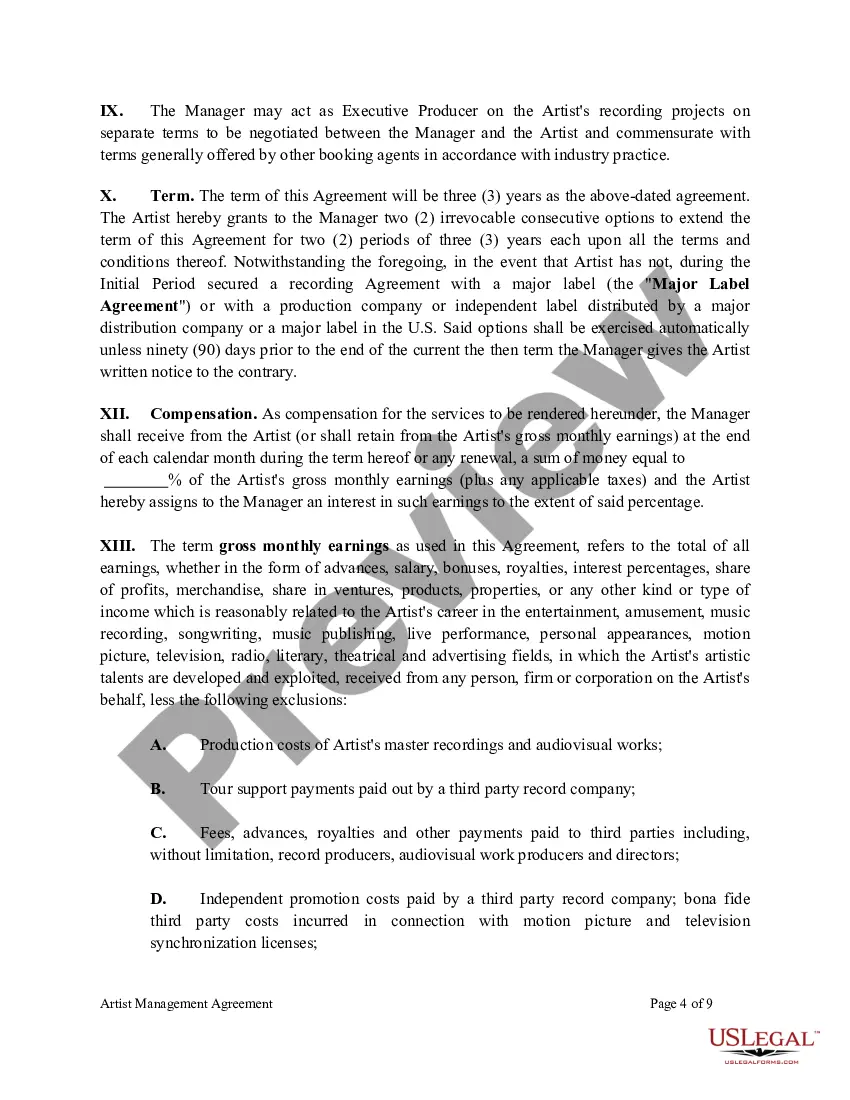
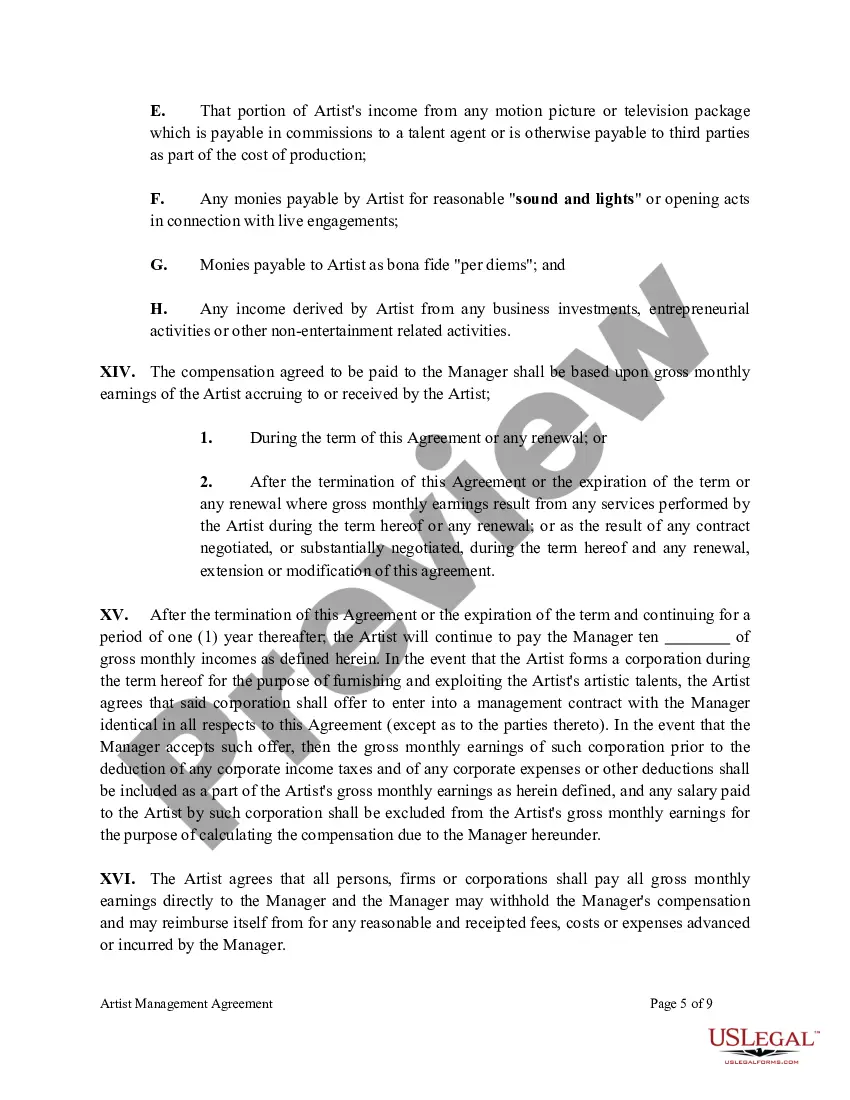
Get your form ready online
Our built-in tools help you complete, sign, share, and store your documents in one place.
Make edits, fill in missing information, and update formatting in US Legal Forms—just like you would in MS Word.
Download a copy, print it, send it by email, or mail it via USPS—whatever works best for your next step.
Sign and collect signatures with our SignNow integration. Send to multiple recipients, set reminders, and more. Go Premium to unlock E-Sign.
If this form requires notarization, complete it online through a secure video call—no need to meet a notary in person or wait for an appointment.
We protect your documents and personal data by following strict security and privacy standards.

Make edits, fill in missing information, and update formatting in US Legal Forms—just like you would in MS Word.

Download a copy, print it, send it by email, or mail it via USPS—whatever works best for your next step.

Sign and collect signatures with our SignNow integration. Send to multiple recipients, set reminders, and more. Go Premium to unlock E-Sign.

If this form requires notarization, complete it online through a secure video call—no need to meet a notary in person or wait for an appointment.

We protect your documents and personal data by following strict security and privacy standards.
Looking for another form?








Form popularity
FAQ
There are at least three generally accepted components of a basic talent management strategy: learning and development, employee engagement/retention and talent mobility.
Talent management is defined as the methodically organized, strategic process of getting the right talent onboard and helping them grow to their optimal capabilities keeping organizational objectives in mind.
How to create a talent management plan Understand overall business objectives. Take inventory of team member skills and skill gaps. Tap into outside expertise. Write out the goals and priorities of the strategy. Implement technology to improve efficiency. Track and analyze key metrics. Identify ways to improve company culture.
The talent management process usually includes the following steps: Planning. Attracting talent. Selecting. Developing. Retaining. Transitioning.
In brief, integrated talent management is the coordination of traditional HR sub-functions—recruitment and selection, workforce planning, performance management, learning and development, recognition, and succession planning—to more strategically leverage talent.
An example of talent management Consider, for instance, an apparel retailer that wants to transition its business model from simply supplying clothes to delivering customers a truly service-based experience. To achieve this goal, the organization's leaders know they will need a new breed of associates and managers.
Termination of Agency Contracts The Actor has notified the Agent in writing of his unavailability. The Actor is employed and is therefore unavailable. The Actor is unable to respond to a call for his services by reason of mental or physical incapacity.
As of 2022, the top three Hollywood talent agencies are William Morris Endeavor (WME), Creative Artists Agency (CAA), and United Talent Agency (UTA). Except for ICM Partners, each agency has its own affiliated production company, which may hire the agency's clients.
Typically, the term of a Talent Agency Agreement will range anywhere between six months to three years. For Talent engaging their first Agency, it is advisable for Talent to try to negotiate a relatively short initial term (e.g., a one-year initial term).
