Sample Management Contract With Force Majeure In California
Description

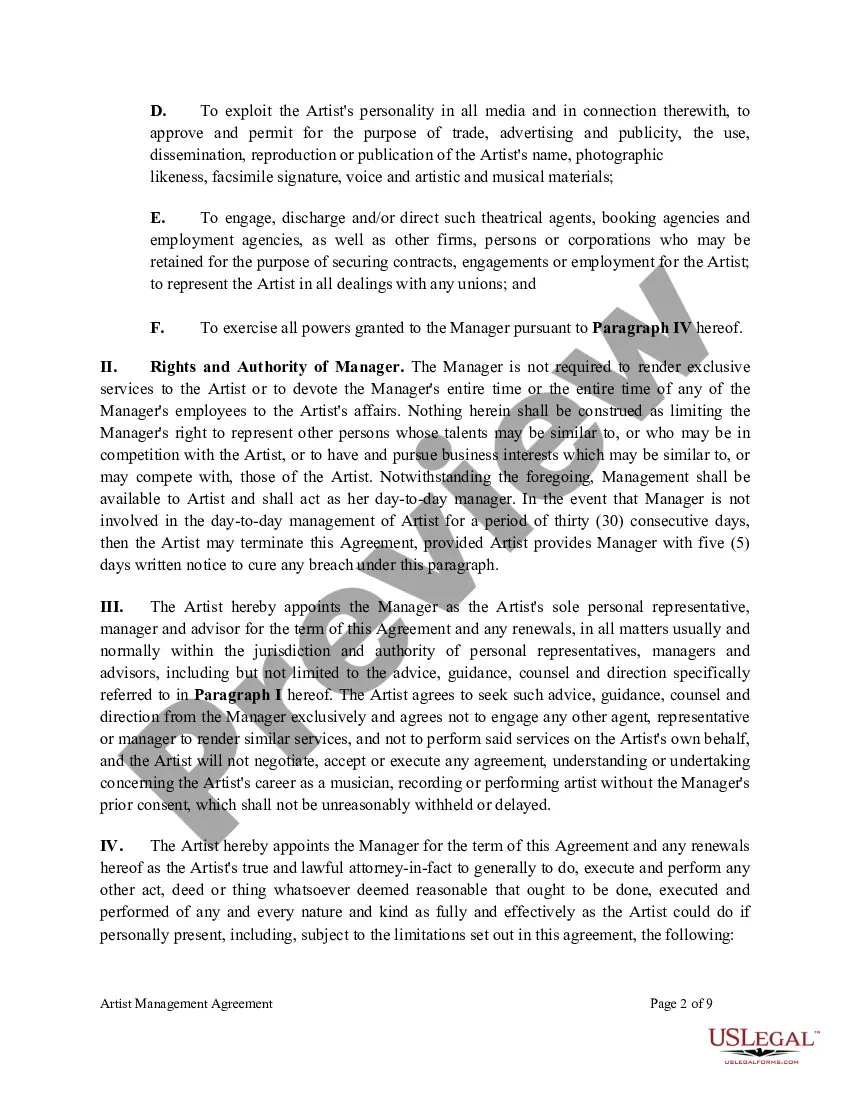
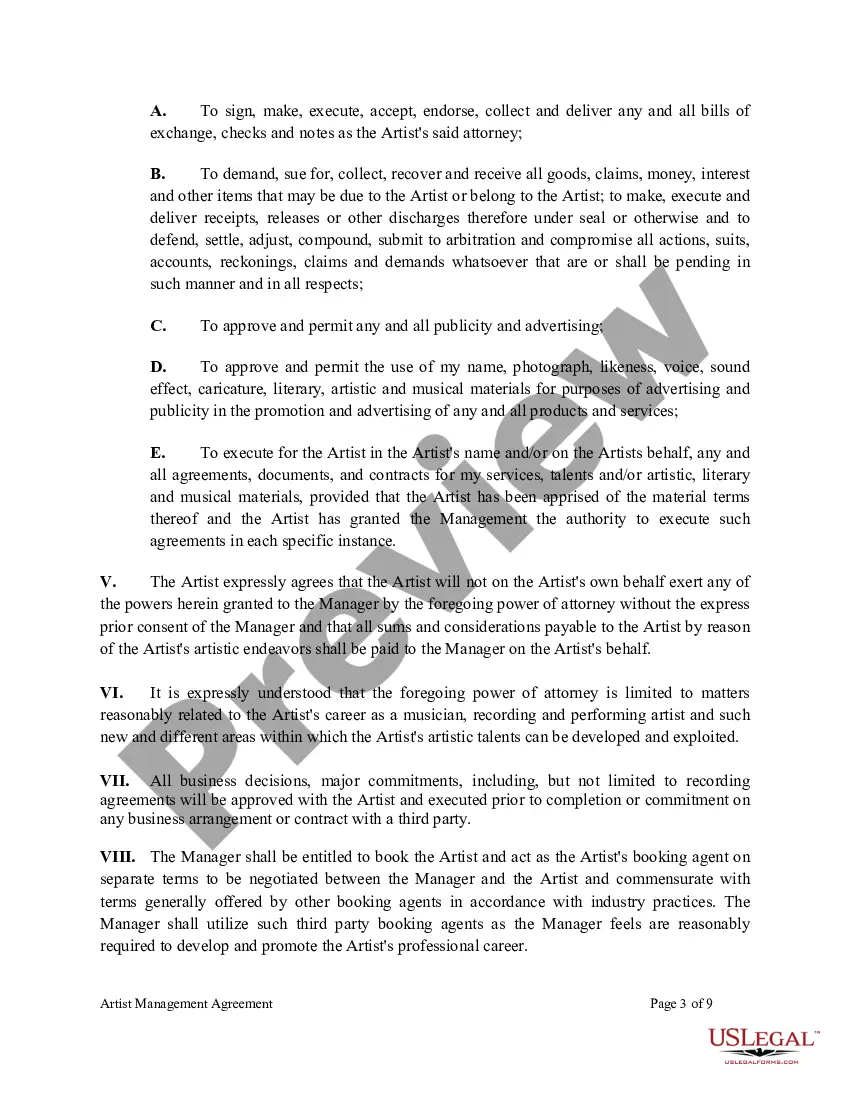
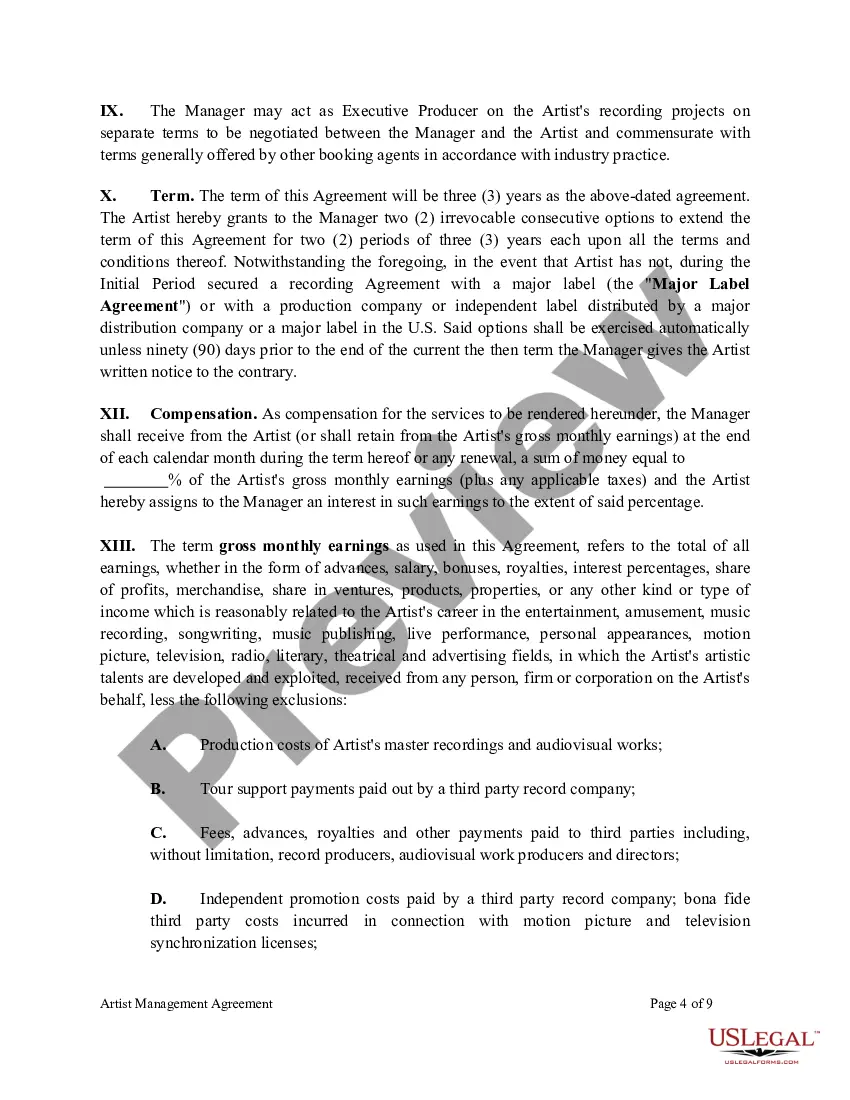
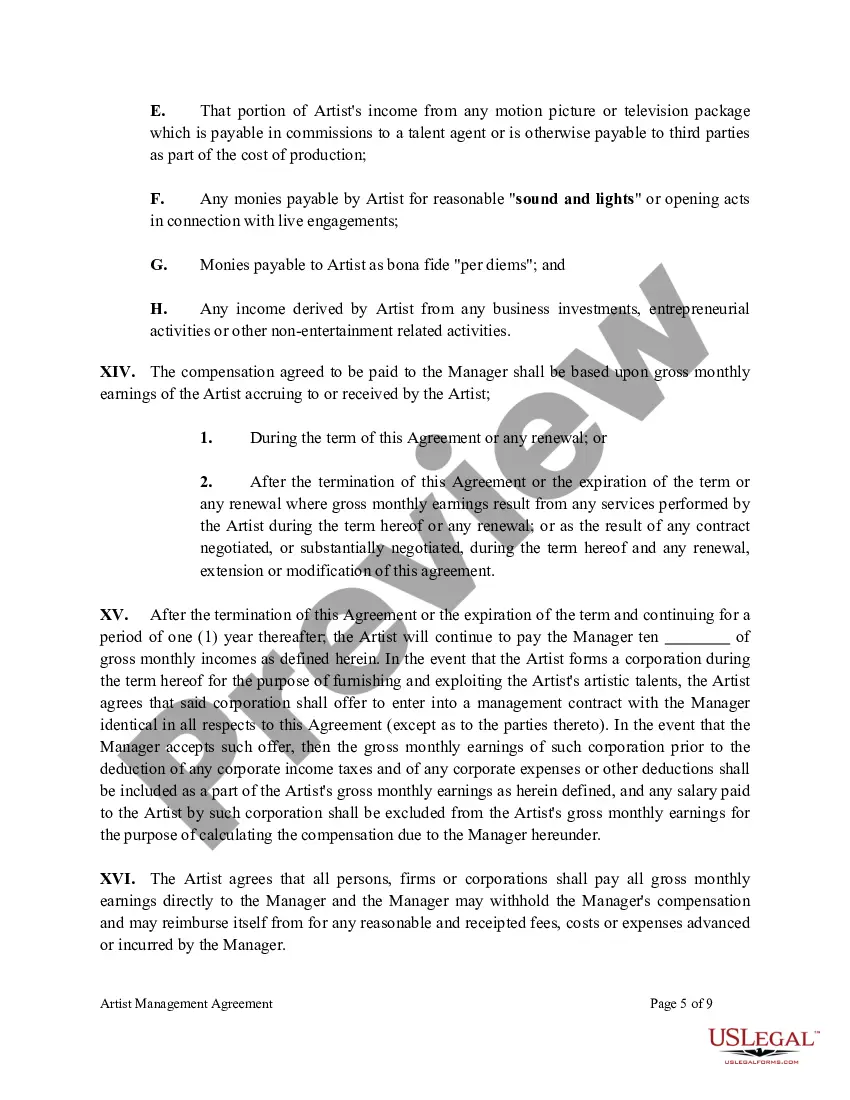
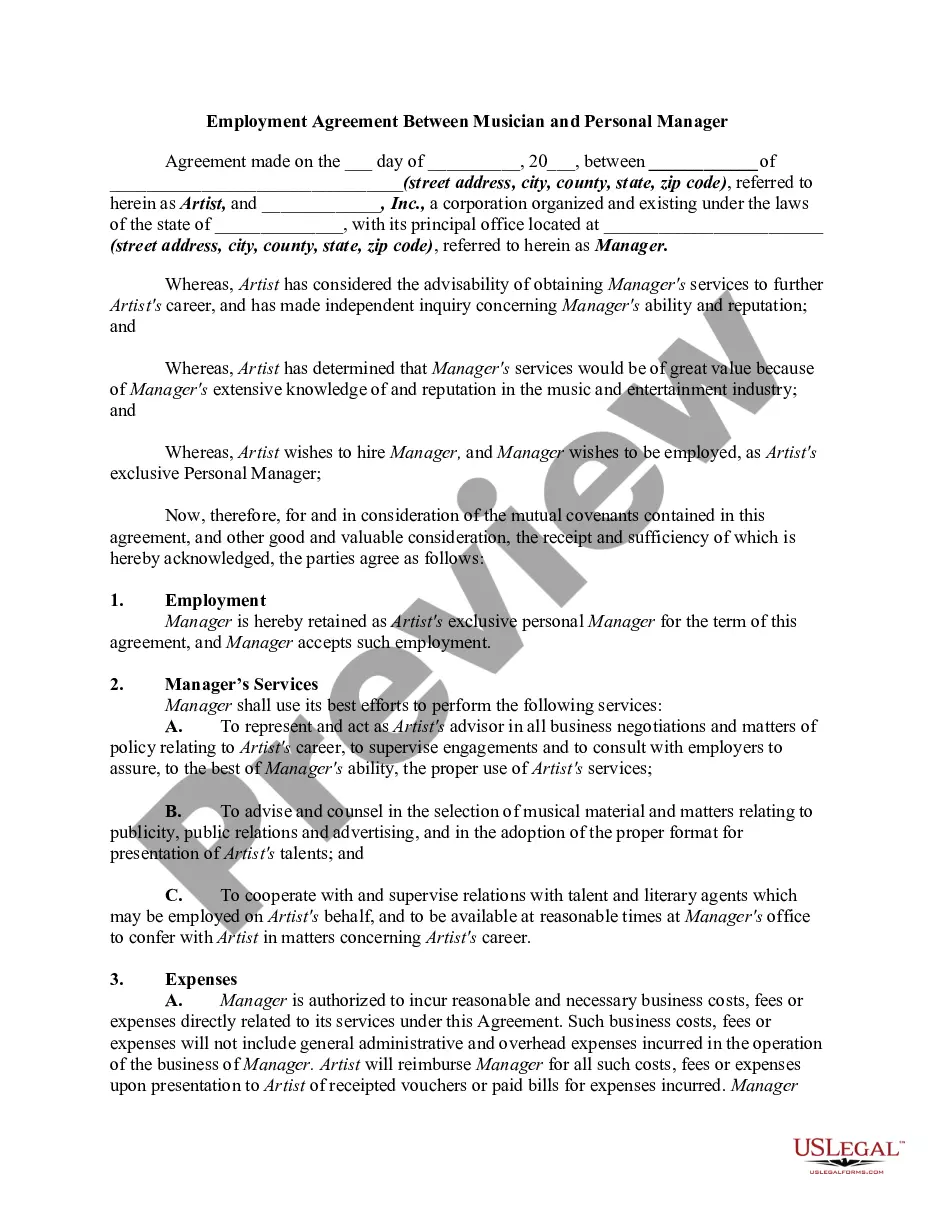
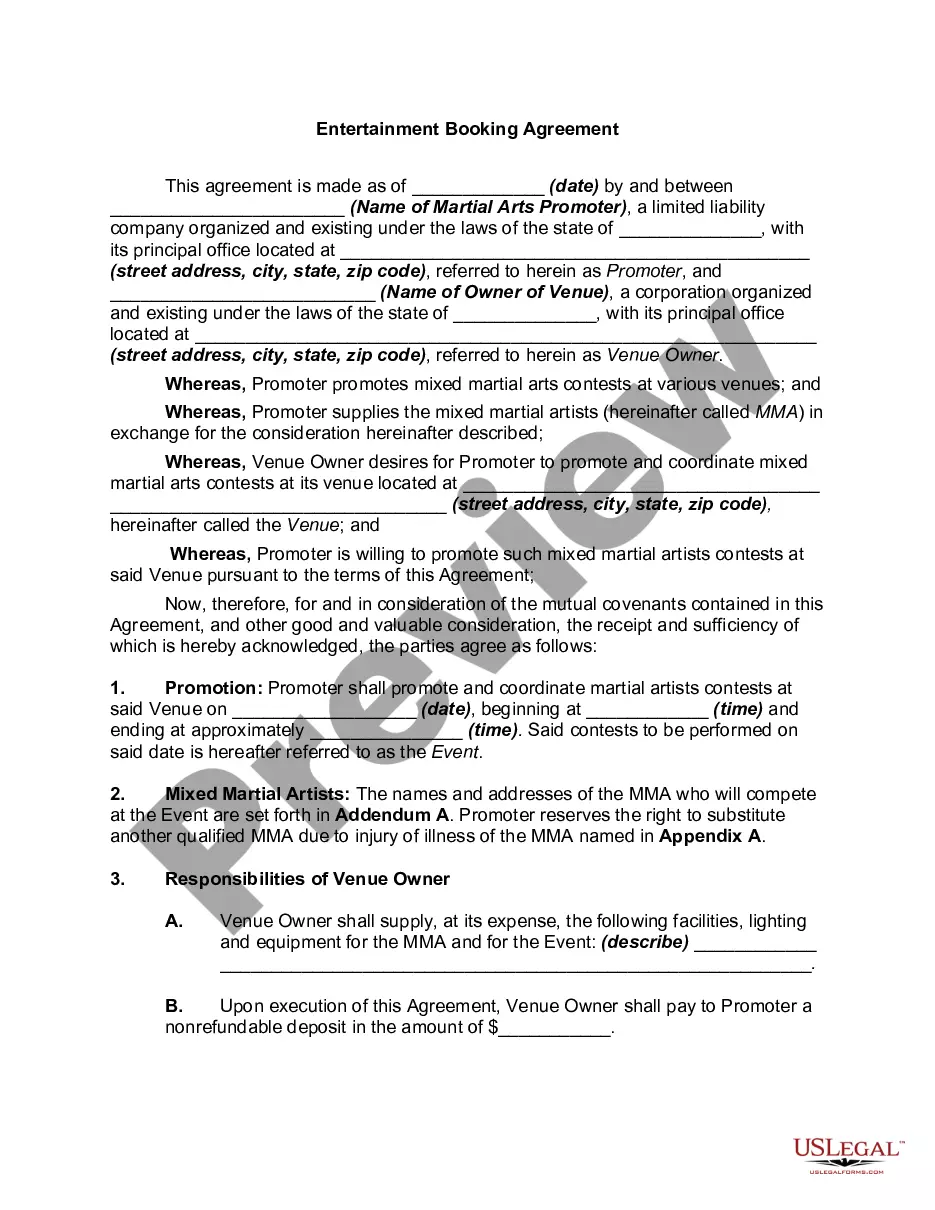
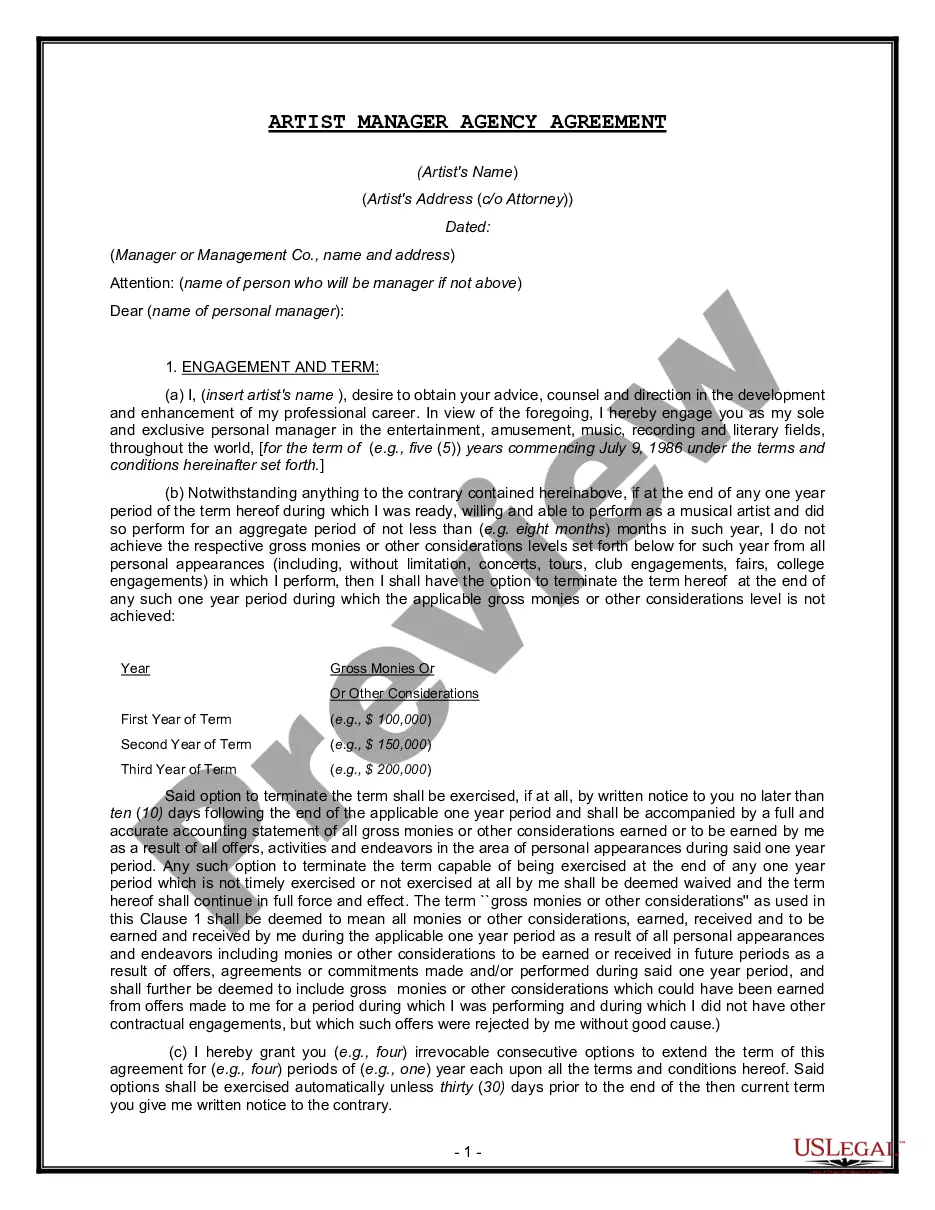
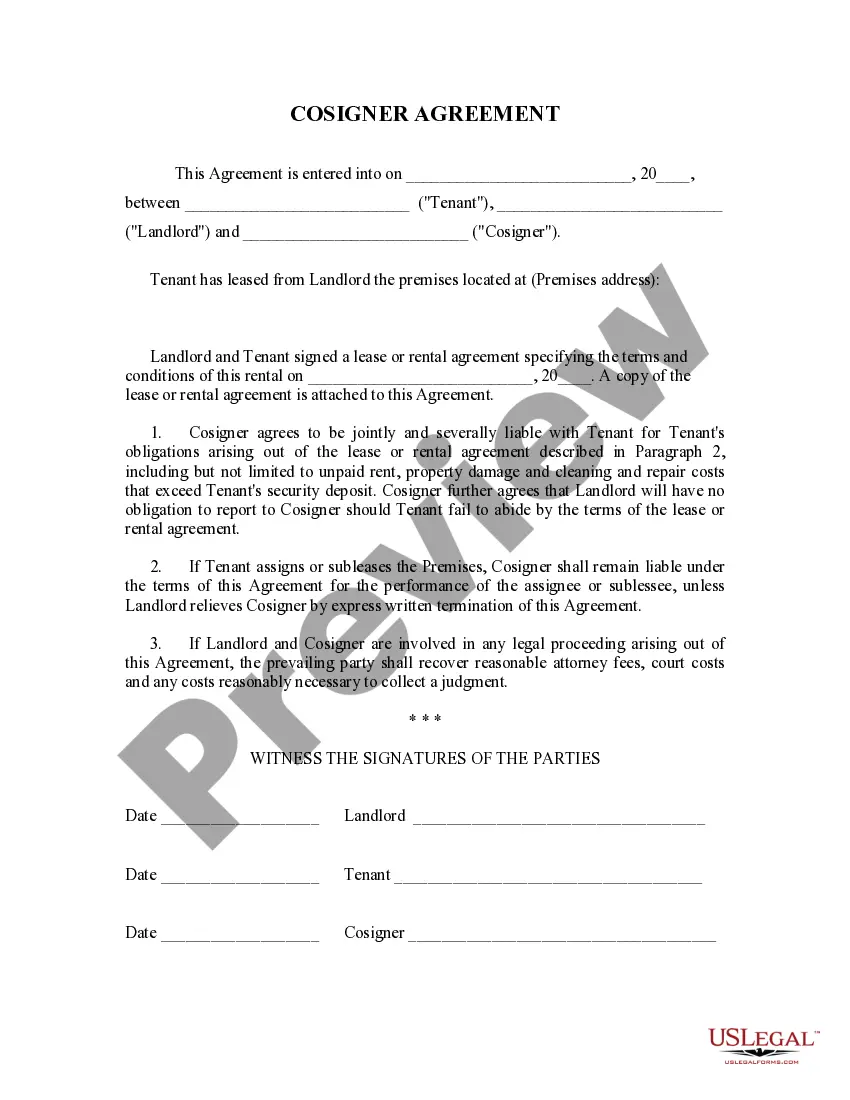
Get your form ready online
Our built-in tools help you complete, sign, share, and store your documents in one place.
Make edits, fill in missing information, and update formatting in US Legal Forms—just like you would in MS Word.
Download a copy, print it, send it by email, or mail it via USPS—whatever works best for your next step.
Sign and collect signatures with our SignNow integration. Send to multiple recipients, set reminders, and more. Go Premium to unlock E-Sign.
If this form requires notarization, complete it online through a secure video call—no need to meet a notary in person or wait for an appointment.
We protect your documents and personal data by following strict security and privacy standards.

Make edits, fill in missing information, and update formatting in US Legal Forms—just like you would in MS Word.

Download a copy, print it, send it by email, or mail it via USPS—whatever works best for your next step.

Sign and collect signatures with our SignNow integration. Send to multiple recipients, set reminders, and more. Go Premium to unlock E-Sign.

If this form requires notarization, complete it online through a secure video call—no need to meet a notary in person or wait for an appointment.

We protect your documents and personal data by following strict security and privacy standards.
Looking for another form?







Form popularity
FAQ
A force majeure clause is a provision in contracts that provides a safety net for parties involved when unforeseen and uncontrollable events disrupt the ability to fulfill contractual obligations.
The force majeure clause is a contract provision that relieves involved parties from performing their contract obligations if extreme circumstances or “major unforeseen events” outside of their control arise that would make performing these obligations impossible, inadvisable, or dangerous.
If a contract does not contain a force majeure provision, there may still be remedies for non-performance. However, they are subject to broader interpretation under the common law.
Force majeure clause samples 10.2 The Party affected by Force Majeure shall not assume any liability under this Agreement. Section 15.12 Force Majeure. 6.4 If the agreement cannot be performed due to force majeure, the responsibility shall be exempted in part or in whole ing to the influence of force majeure.
The basic elements required for the agreement to be a legally enforceable contract are: mutual assent , expressed by a valid offer and acceptance ; adequate consideration ; capacity ; and legality . In some states , elements of consideration can be satisfied by a valid substitute.
Force Majeure provisions typically have three elements: (1) a list of types of events that are deemed to be triggering events, (2) a statement identifying the party bearing the risk of such a triggering event, and (3) a set of statements identifying the effect of such a triggering event on the obligations of the ...
Force majeure clause samples 10.2 The Party affected by Force Majeure shall not assume any liability under this Agreement. Section 15.12 Force Majeure. 6.4 If the agreement cannot be performed due to force majeure, the responsibility shall be exempted in part or in whole ing to the influence of force majeure.
If a contract is silent on force majeure or if the event does not meet the definition of force majeure under the parties' contract, a party's performance may still be excused in certain circumstances under the doctrine of commercial impracticability.
