Sample Management Contract With Witness Signature In Alameda
Description

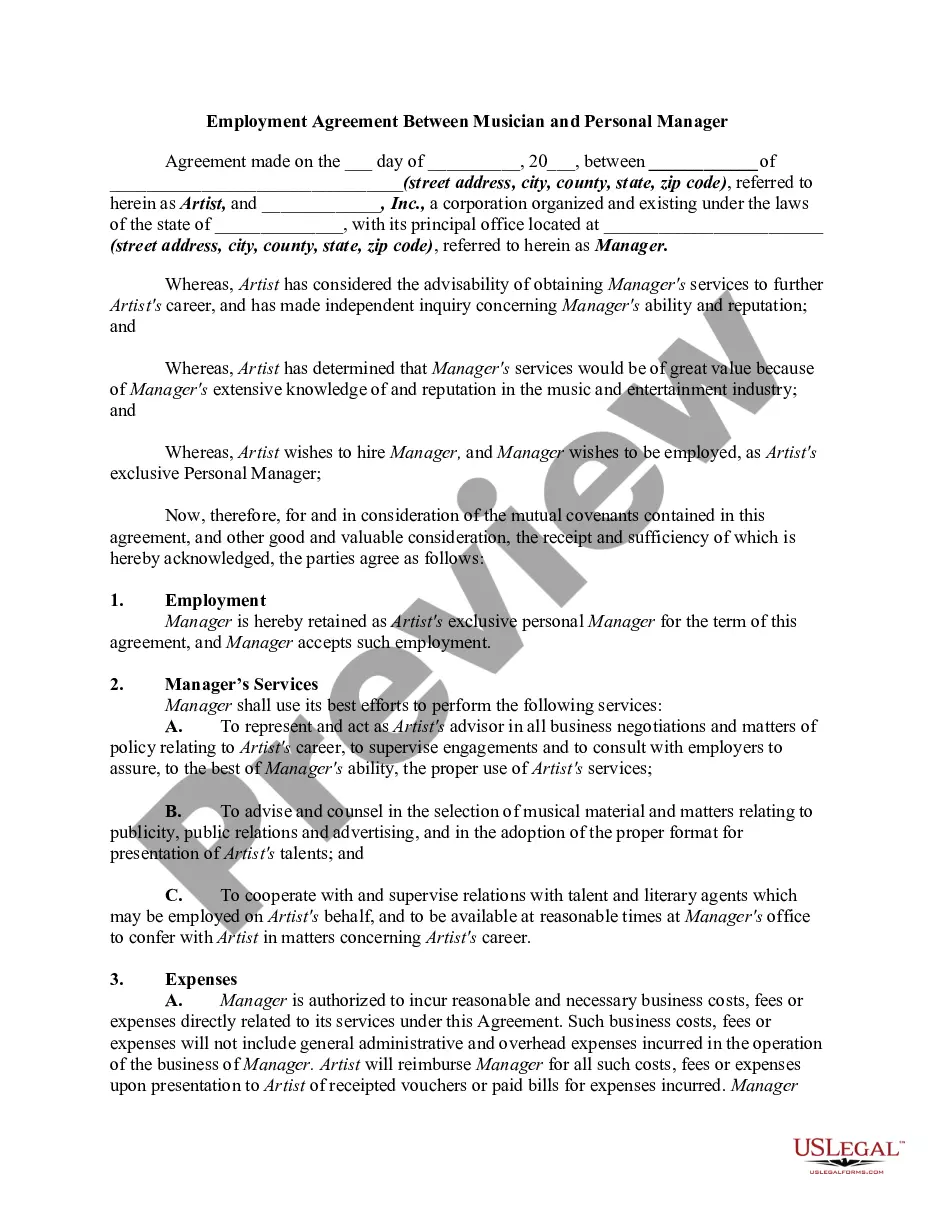

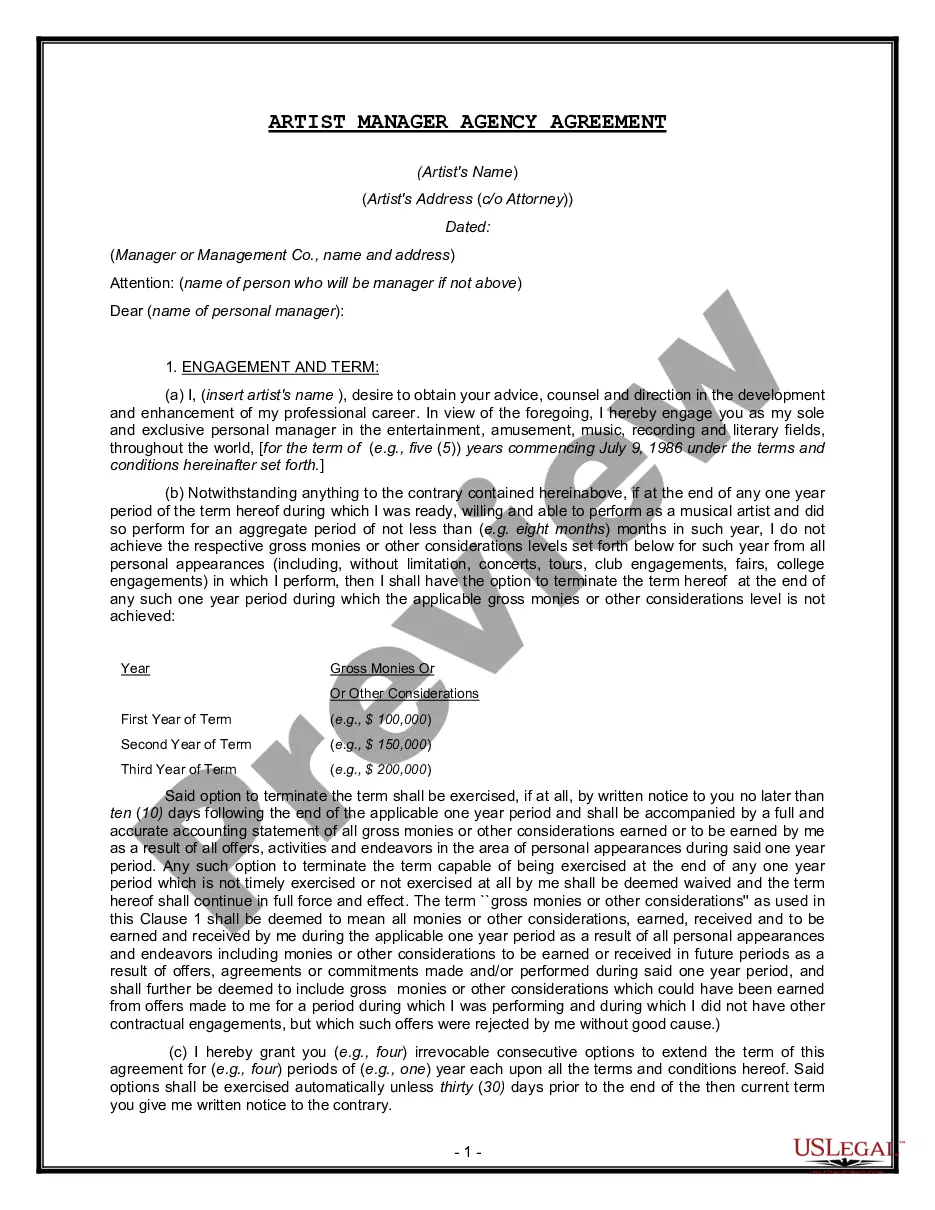
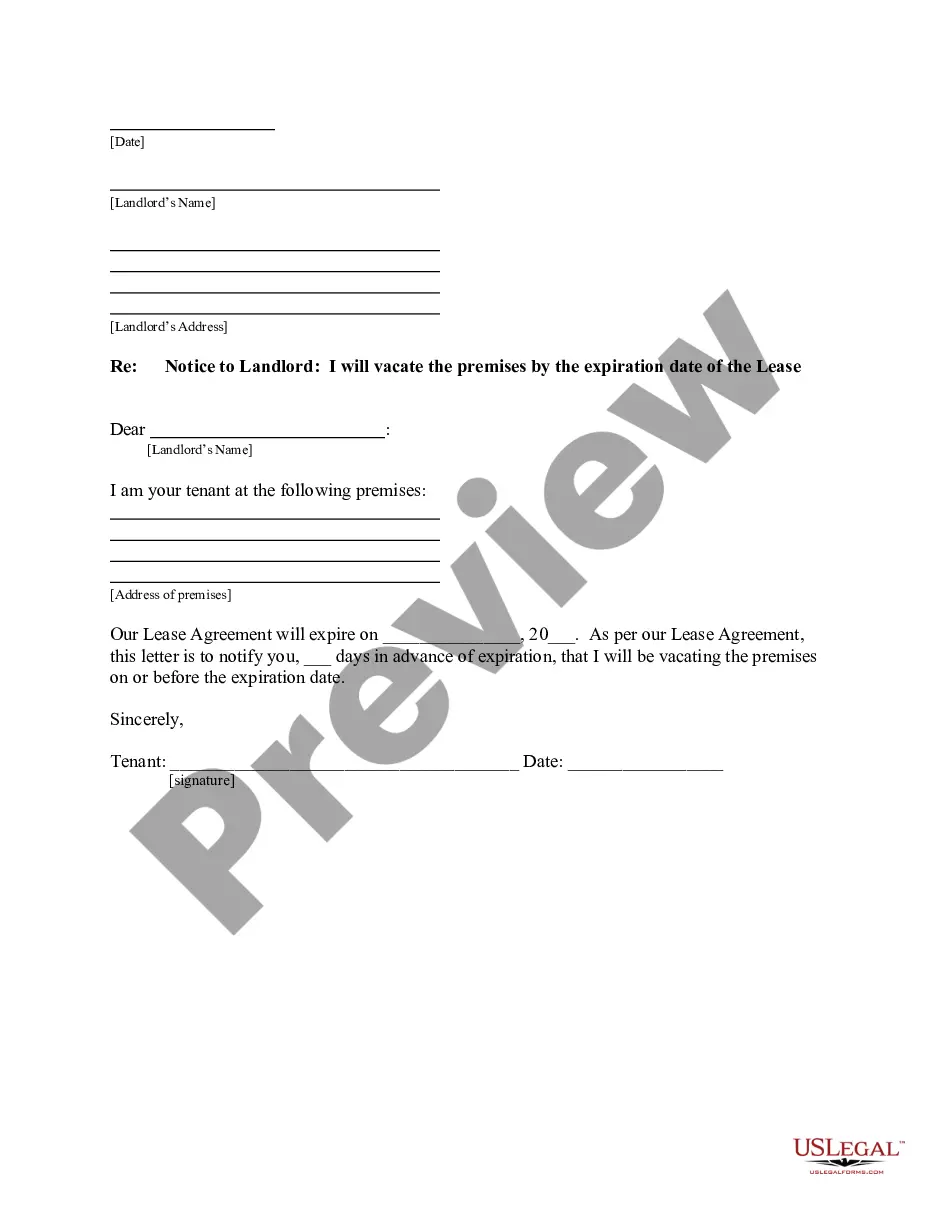
Get your form ready online
Our built-in tools help you complete, sign, share, and store your documents in one place.
Make edits, fill in missing information, and update formatting in US Legal Forms—just like you would in MS Word.
Download a copy, print it, send it by email, or mail it via USPS—whatever works best for your next step.
Sign and collect signatures with our SignNow integration. Send to multiple recipients, set reminders, and more. Go Premium to unlock E-Sign.
If this form requires notarization, complete it online through a secure video call—no need to meet a notary in person or wait for an appointment.
We protect your documents and personal data by following strict security and privacy standards.

Make edits, fill in missing information, and update formatting in US Legal Forms—just like you would in MS Word.

Download a copy, print it, send it by email, or mail it via USPS—whatever works best for your next step.

Sign and collect signatures with our SignNow integration. Send to multiple recipients, set reminders, and more. Go Premium to unlock E-Sign.

If this form requires notarization, complete it online through a secure video call—no need to meet a notary in person or wait for an appointment.

We protect your documents and personal data by following strict security and privacy standards.
Looking for another form?









Form popularity
FAQ
Rule 3.31. Unless otherwise authorized by the court, discovery meet and confer obligations require an in-person, telephonic, or video conference between parties.
In every case, to present an ex parte application to the court, a party must: reserve a hearing date with the applicable department (for applications that require a hearing.) ... file the motion with the court, and. give notice of the hearing date as required by law.
In every case, to present an ex parte application to the court, a party must: reserve a hearing date with the applicable department (for applications that require a hearing.) ... file the motion with the court, and. give notice of the hearing date as required by law.
An applicant must make an affirmative factual showing of irreparable harm, immediate danger, or any other statutory basis for granting relief without notice or with shortened notice to the other party.
How to ask for an emergency order Contact your court or Self-Help Center to get local rules. Fill out forms. Attach documents to support your request. Give the other person notice and serve request. Make copies of your forms. Submit your forms. Pick up the forms from the clerk.
Write the contract in six steps Start with a contract template. Open with the basic information. Describe in detail what you have agreed to. Include a description of how the contract will be ended. Write into the contract which laws apply and how disputes will be resolved. Include space for signatures.
Yes, you can write your own contract. However, including all necessary elements is crucial to make it legally binding.
Even if you do not read all the terms, your signature legally verifies that you agree to enter the contract. To be bound by a contract is to agree to carry out all of your obligations outlined in the contract. Failure to do so can result in a Court order compelling you to perform.
Following this step-by-step checklist will mean that you can write your contract with confidence: Know your parties. Agree on the terms. Set clear boundaries. Spell out the consequences. Specify how you will resolve disputes. Cover confidentiality. Check the legality of the contract. Open it up to negotiation.
Not all contracts require you to have a witness sign with you. However, there are some important documents that require one or more witness signatures. Some documents that might need the signature of a witness or a notary public are: Estate planning documents, such as a Last Will and Testament or Power of Attorney.
