Assets Asset Purchase For Credit In San Antonio
Description
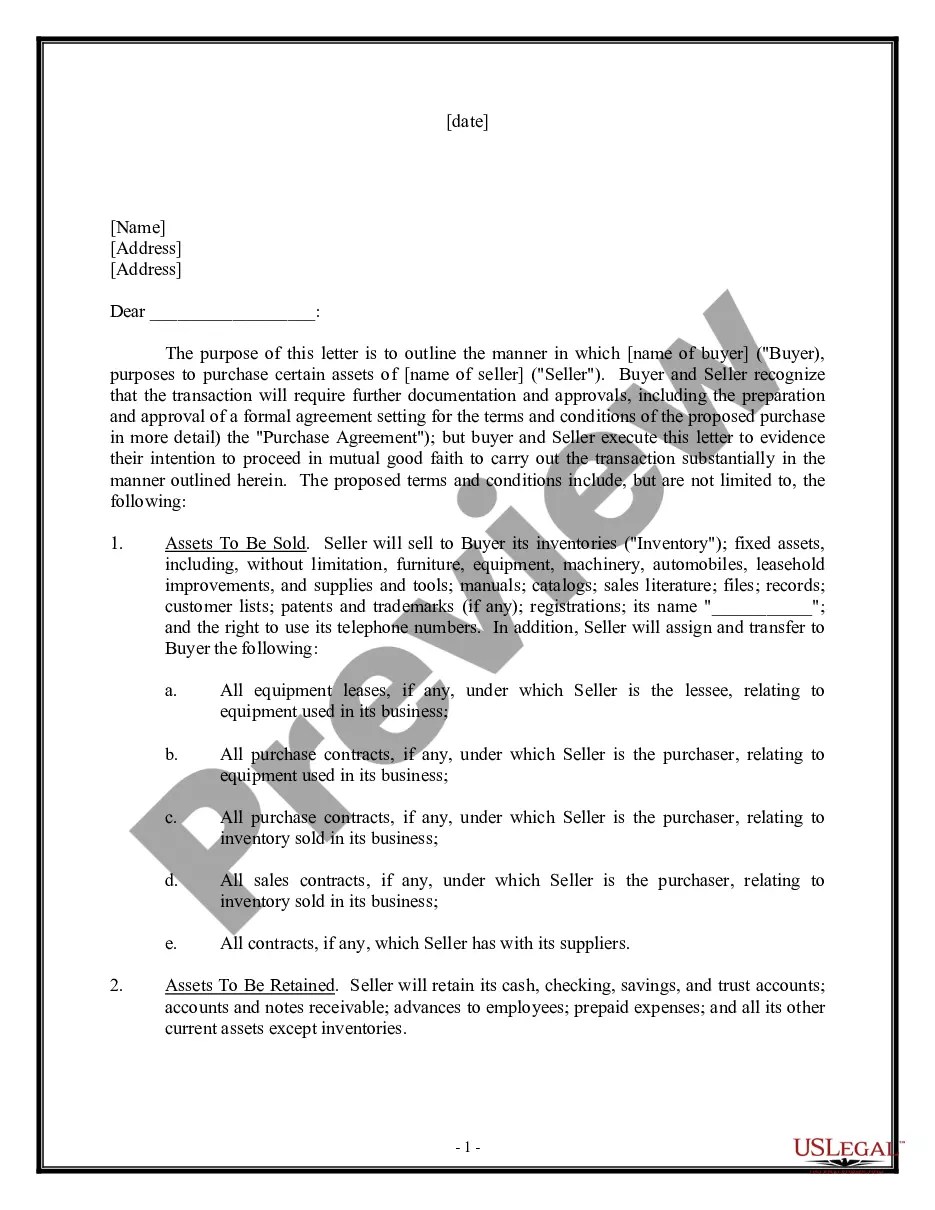
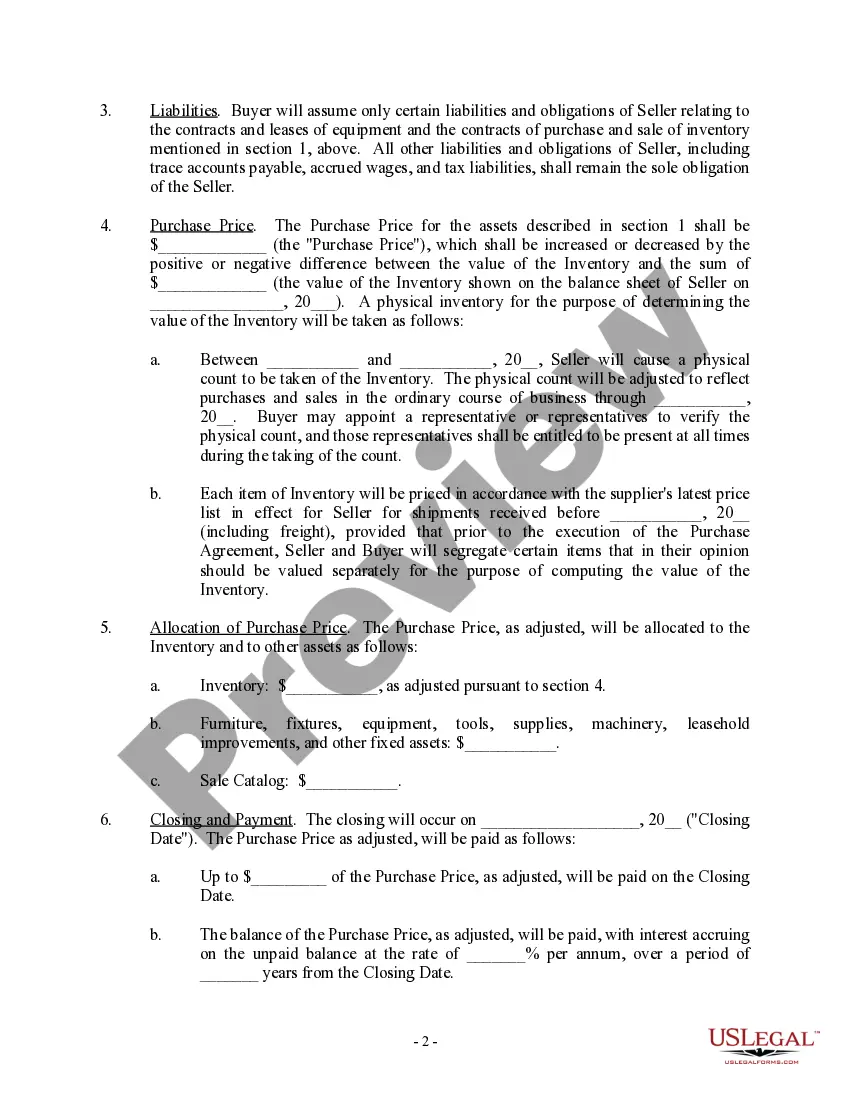
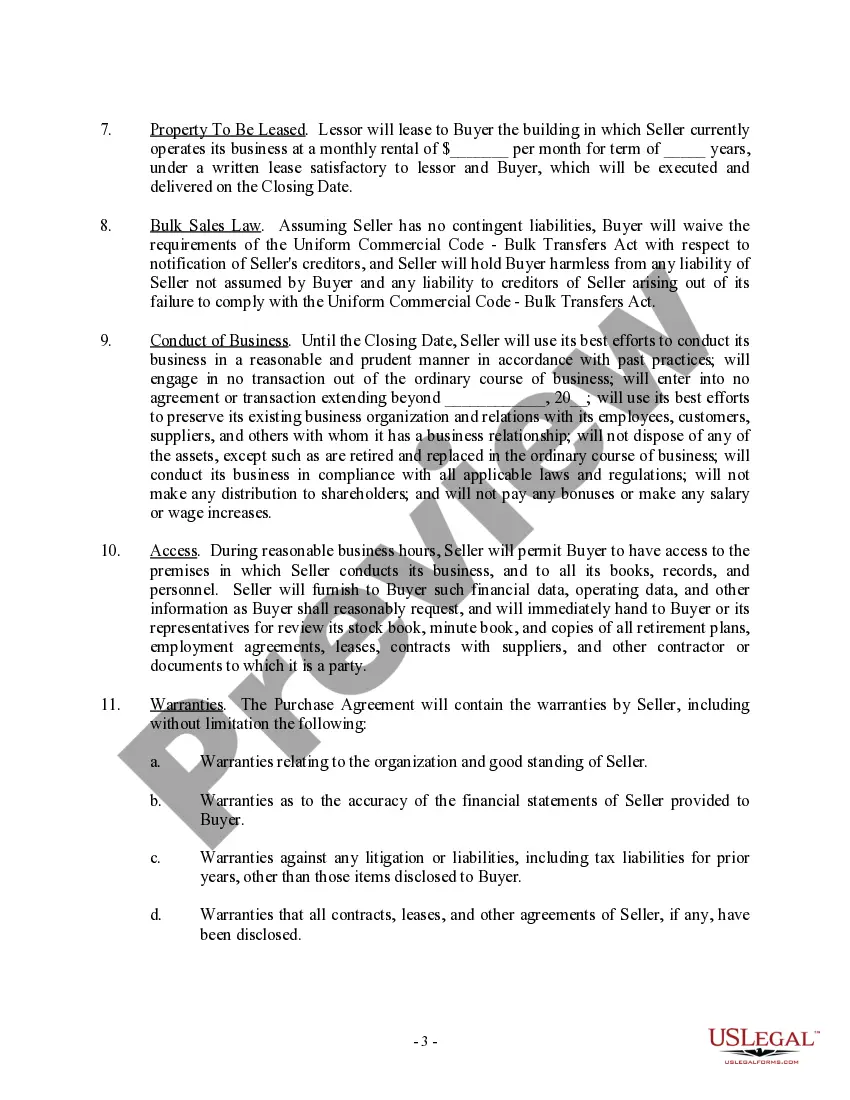
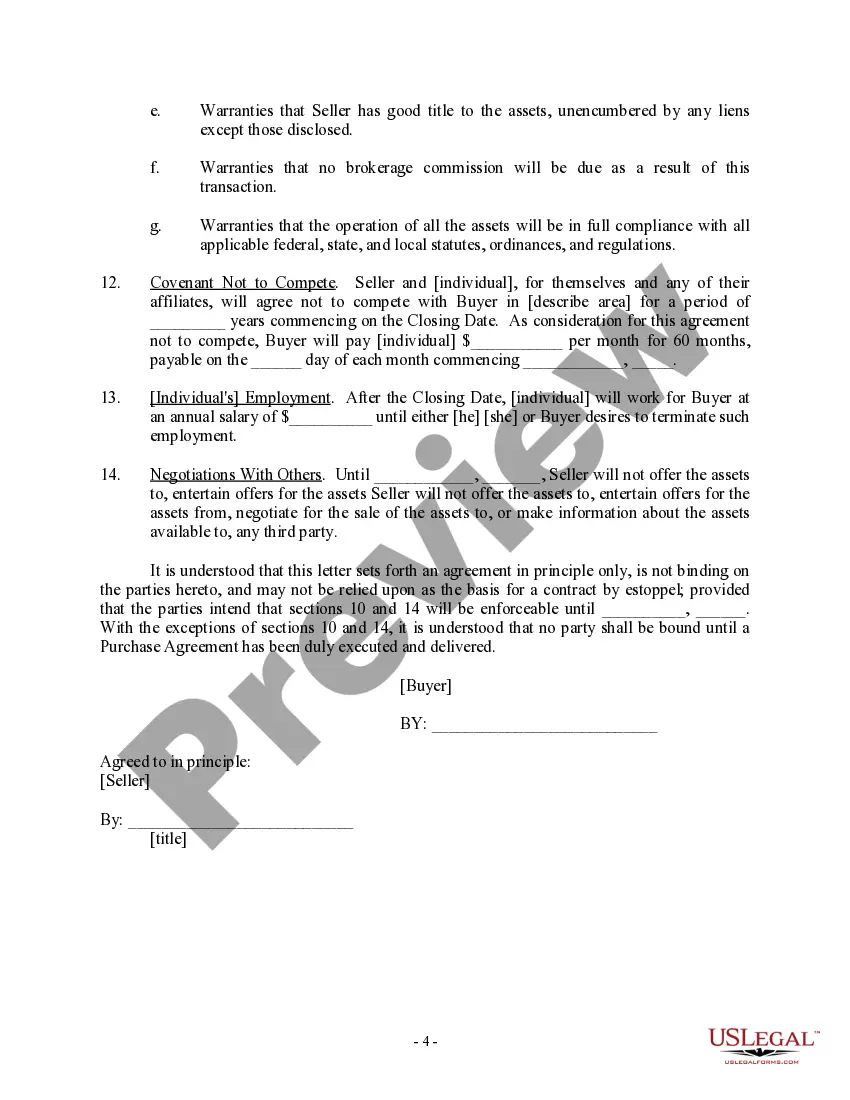
Get your form ready online
Our built-in tools help you complete, sign, share, and store your documents in one place.
Make edits, fill in missing information, and update formatting in US Legal Forms—just like you would in MS Word.
Download a copy, print it, send it by email, or mail it via USPS—whatever works best for your next step.
Sign and collect signatures with our SignNow integration. Send to multiple recipients, set reminders, and more. Go Premium to unlock E-Sign.
If this form requires notarization, complete it online through a secure video call—no need to meet a notary in person or wait for an appointment.
We protect your documents and personal data by following strict security and privacy standards.

Make edits, fill in missing information, and update formatting in US Legal Forms—just like you would in MS Word.

Download a copy, print it, send it by email, or mail it via USPS—whatever works best for your next step.

Sign and collect signatures with our SignNow integration. Send to multiple recipients, set reminders, and more. Go Premium to unlock E-Sign.

If this form requires notarization, complete it online through a secure video call—no need to meet a notary in person or wait for an appointment.

We protect your documents and personal data by following strict security and privacy standards.
Looking for another form?








Form popularity
FAQ
For example, in an asset acquisition: The seller needs to deliver bills of sale for the transfer of tangible assets. The seller and the buyer need to deliver assignment and assumption agreements for the transfer of contracts. The seller needs to execute and deliver filing deeds for the transfer of real property.
The accounting formula is as follows: Assets = Liabilities + Shareholder's Equity. Total Assets = Current Assets + Noncurrent Assets. Liabilities = Assets – Shareholder's Equity. Equity = Assets – Liabilities.
Fixed capital is the amount of investment done by a company in its long-term assets, as known as fixed assets.
A company's liabilities are obligations or debts to others, such as loans or accounts payable. A credit increases liabilities, while a debit decreases them. For example, when a company buys $10,000 worth of inventory on credit, it debits inventory and credits accounts payable (the liability).
