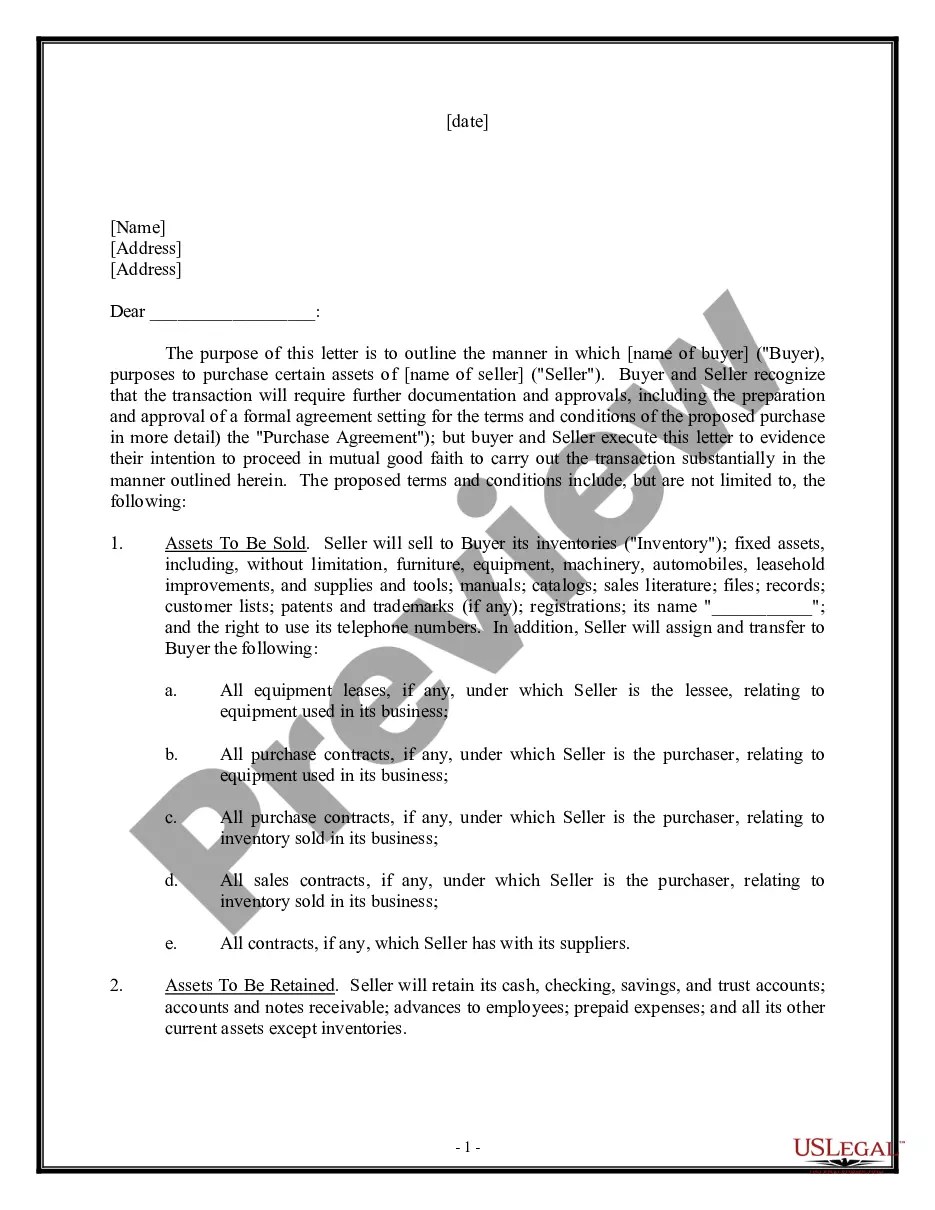
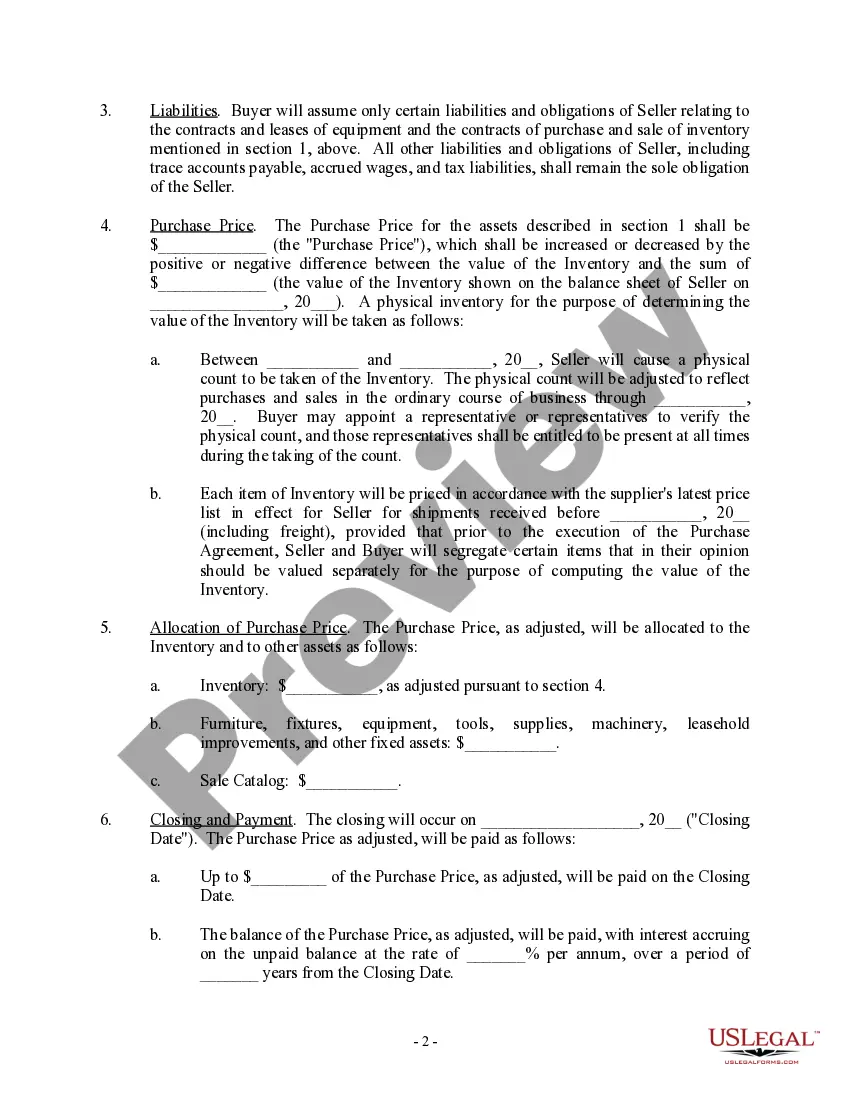
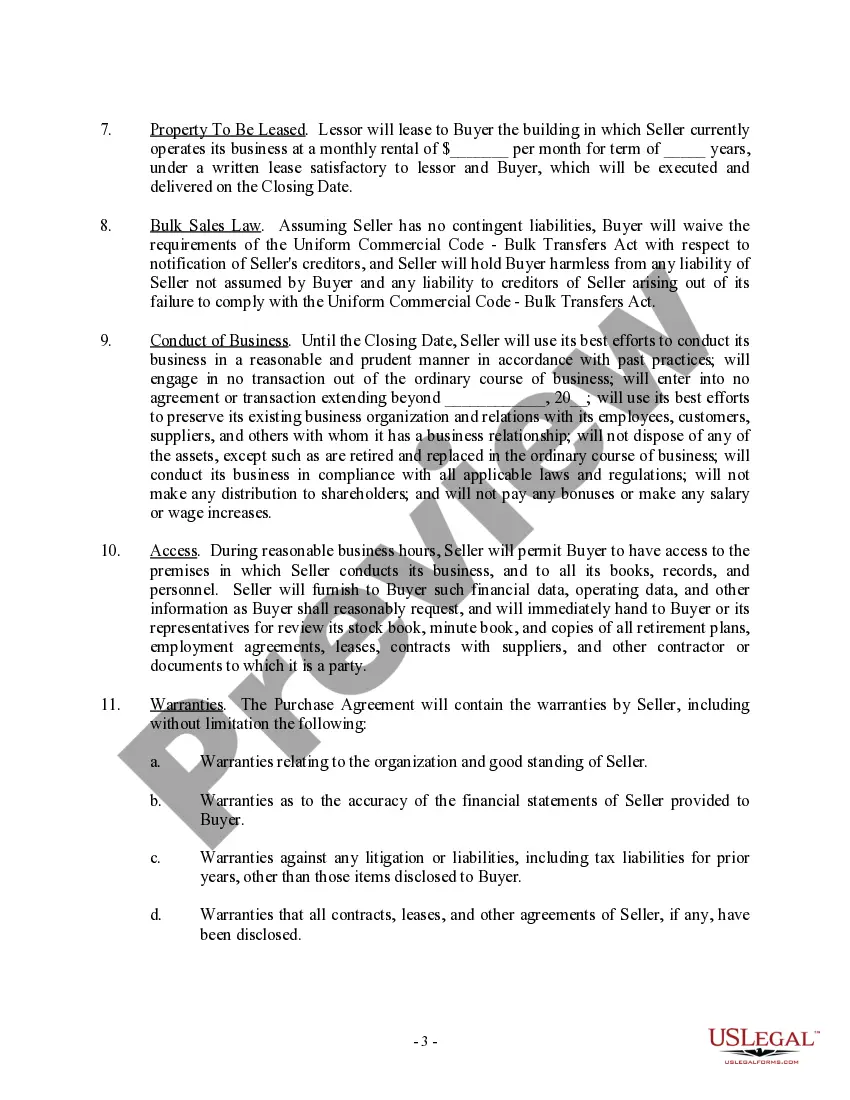
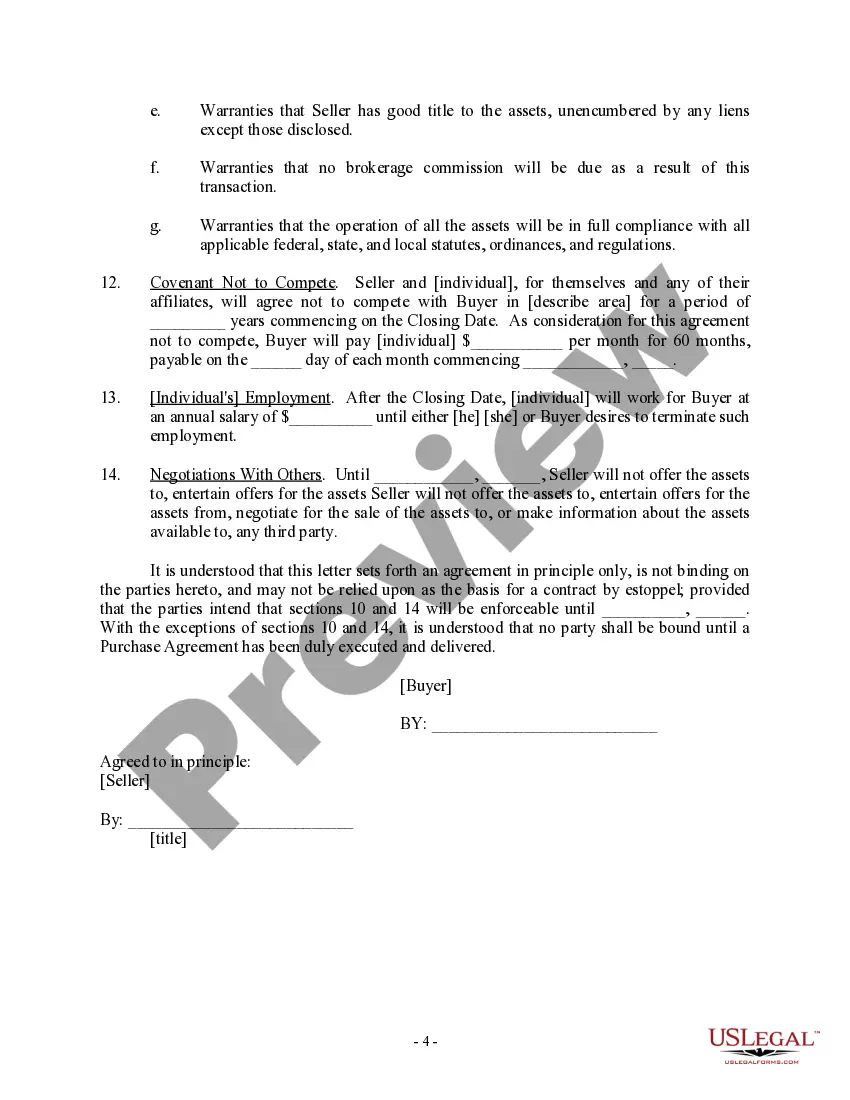
Assets Asset Purchase With Lease In North Carolina
Description
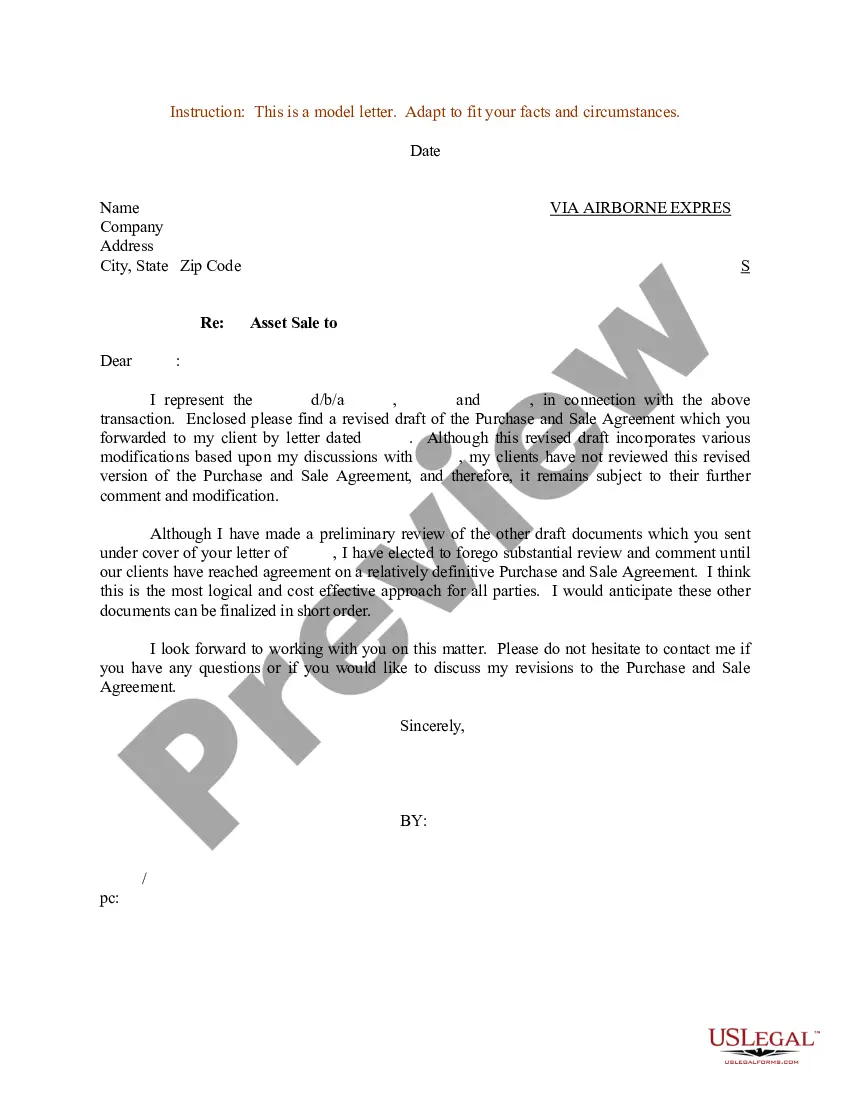
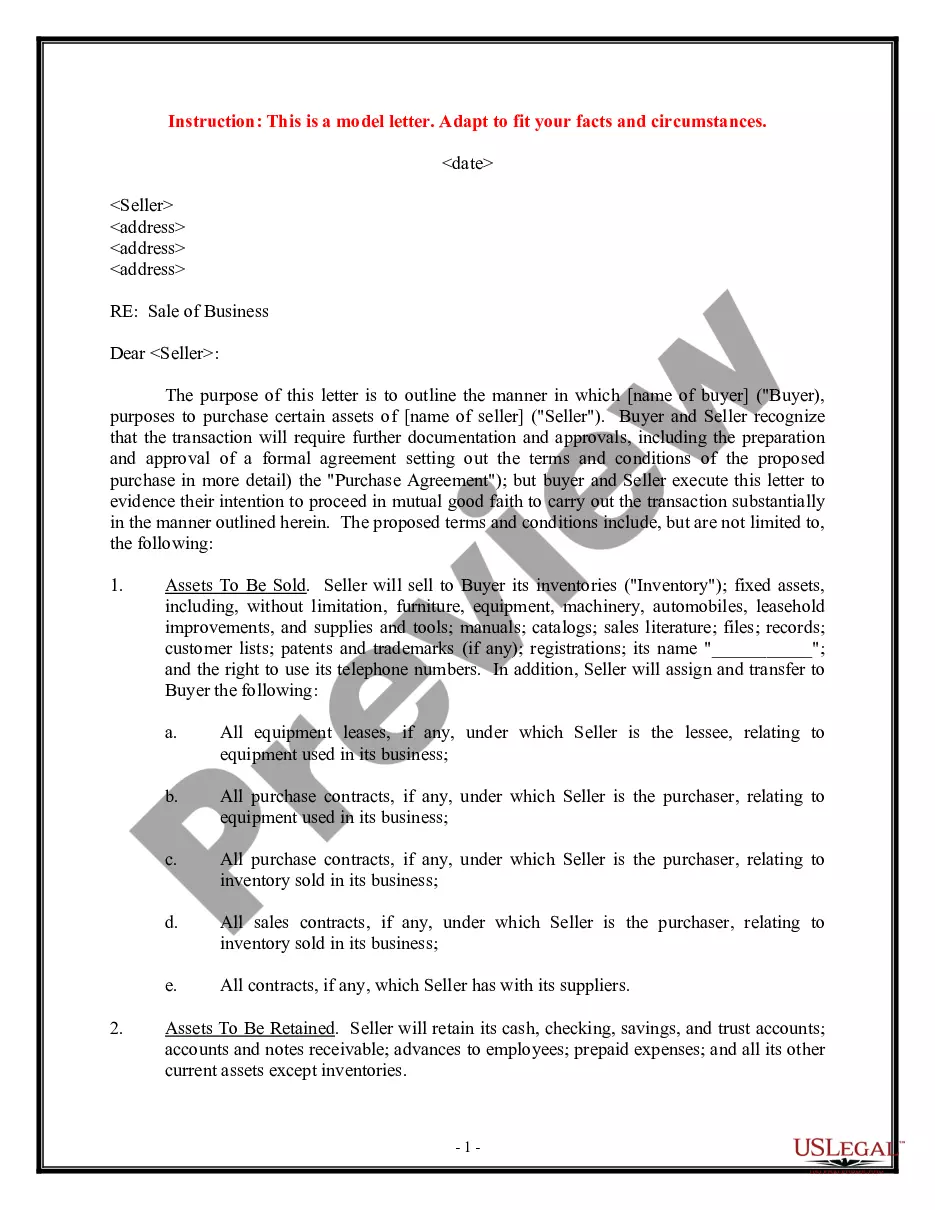
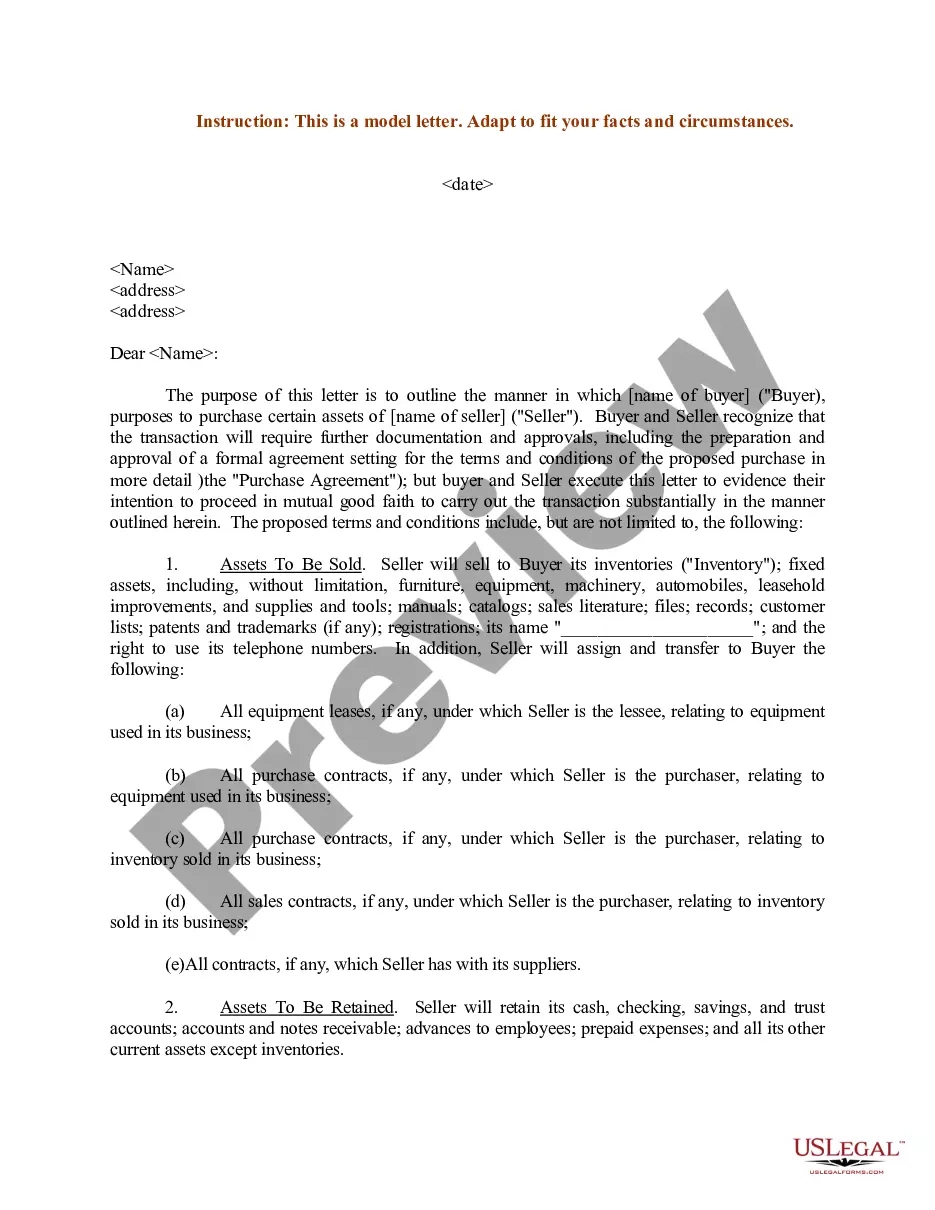
Get your form ready online
Our built-in tools help you complete, sign, share, and store your documents in one place.
Make edits, fill in missing information, and update formatting in US Legal Forms—just like you would in MS Word.
Download a copy, print it, send it by email, or mail it via USPS—whatever works best for your next step.
Sign and collect signatures with our SignNow integration. Send to multiple recipients, set reminders, and more. Go Premium to unlock E-Sign.
If this form requires notarization, complete it online through a secure video call—no need to meet a notary in person or wait for an appointment.
We protect your documents and personal data by following strict security and privacy standards.

Make edits, fill in missing information, and update formatting in US Legal Forms—just like you would in MS Word.

Download a copy, print it, send it by email, or mail it via USPS—whatever works best for your next step.

Sign and collect signatures with our SignNow integration. Send to multiple recipients, set reminders, and more. Go Premium to unlock E-Sign.

If this form requires notarization, complete it online through a secure video call—no need to meet a notary in person or wait for an appointment.

We protect your documents and personal data by following strict security and privacy standards.
Looking for another form?


Form popularity
FAQ
Transaction Structure In an asset sale, the seller retains the existing legal entity and sells both the tangible and intangible assets of the business. The buyer obtains these assets through a newly established entity. In a minority of transactions, small businesses undergo a stock or equity sale.
An operating lease is recorded on the balance sheet as an asset and the monthly rental payments are treated as operational expenses, not debt.
Lease Assets = Right to Possess and Use Personal or Real Property. The accounting and tax treatment of equipment leasing is determined by the nature of the contractual arrangement between the owner and user of the leased assets.
This makes operating lease accounting more complicated for many organizations. With the new lease standard, operating lease initial journal entries will record a lease liability and right-of-use (ROU) asset onto the balance sheet.
Typically, assets rented under operating leases include real estate, aircraft, and equipment with long, useful life spans—such as vehicles, office equipment, or industry-specific machinery.
Right of use assets are generally classified as non-current assets on a balance sheet.
Types of Leased Assets All types of equipment and machinery including heavy equipment for construction (e.g. loaders, bulldozers, excavators … etc.) All types of heavy and light transportation vehicles (trucks, buses, passenger cars). Computer devices and equipment. Medical equipment.
An operating lease is an agreement to use and operate an asset without the transfer of ownership. Common assets that are leased include real estate, automobiles, aircraft, or heavy equipment.
The lessor should present an asset given under operating lease in its balance sheet under fixed assets. unless another systematic basis is more representative of the time pattern in which benefit derived from the use of the leased asset is diminished.
The lessor in a lease agreement is the person or legal entity who grants a lease to an individual or family, often a lease on a property. The lessor is the owner of the asset in the lease agreement.
