Assets Asset Purchase For Credit In Fairfax
Description
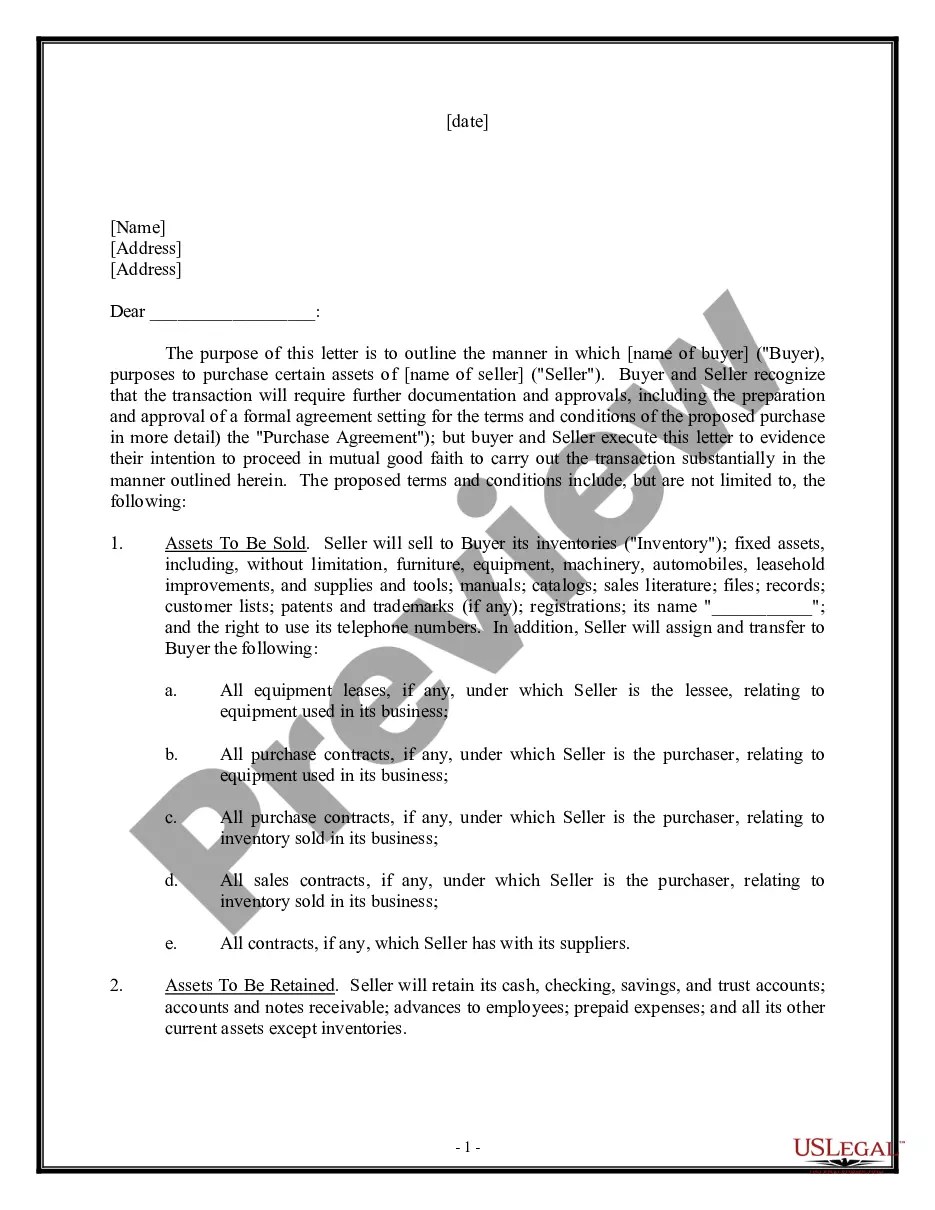
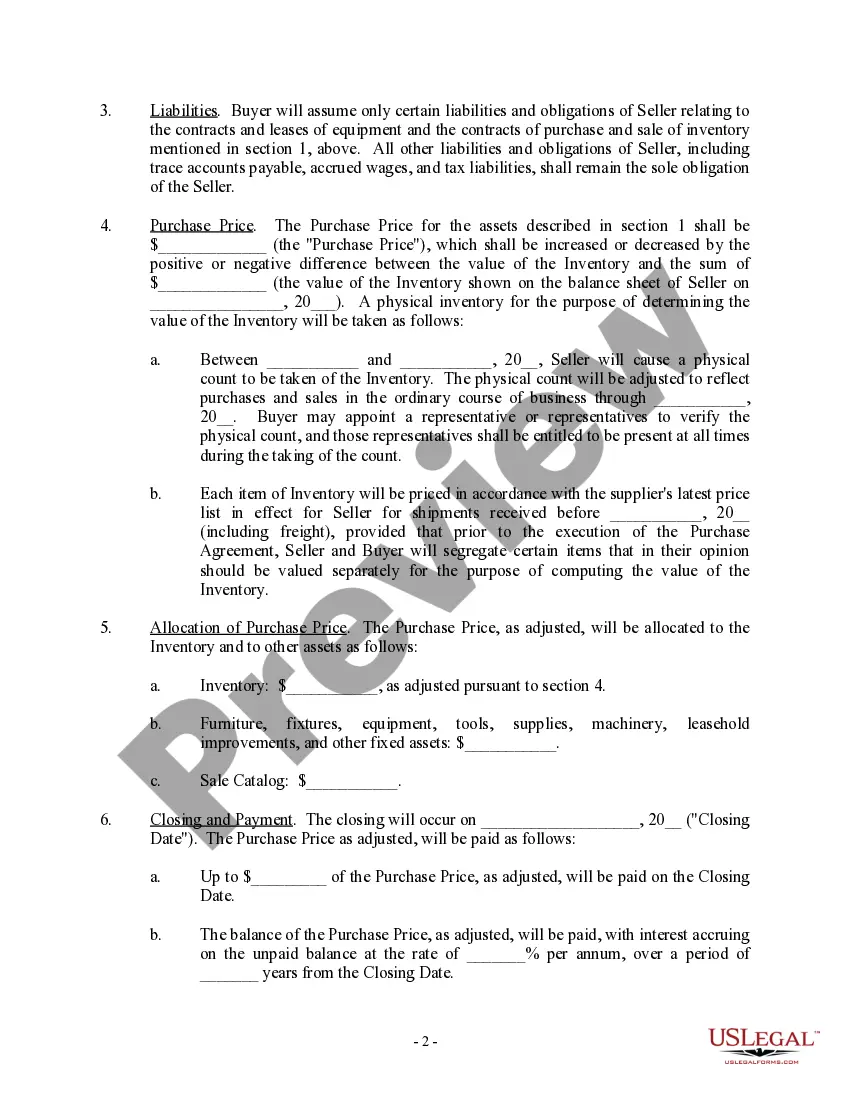
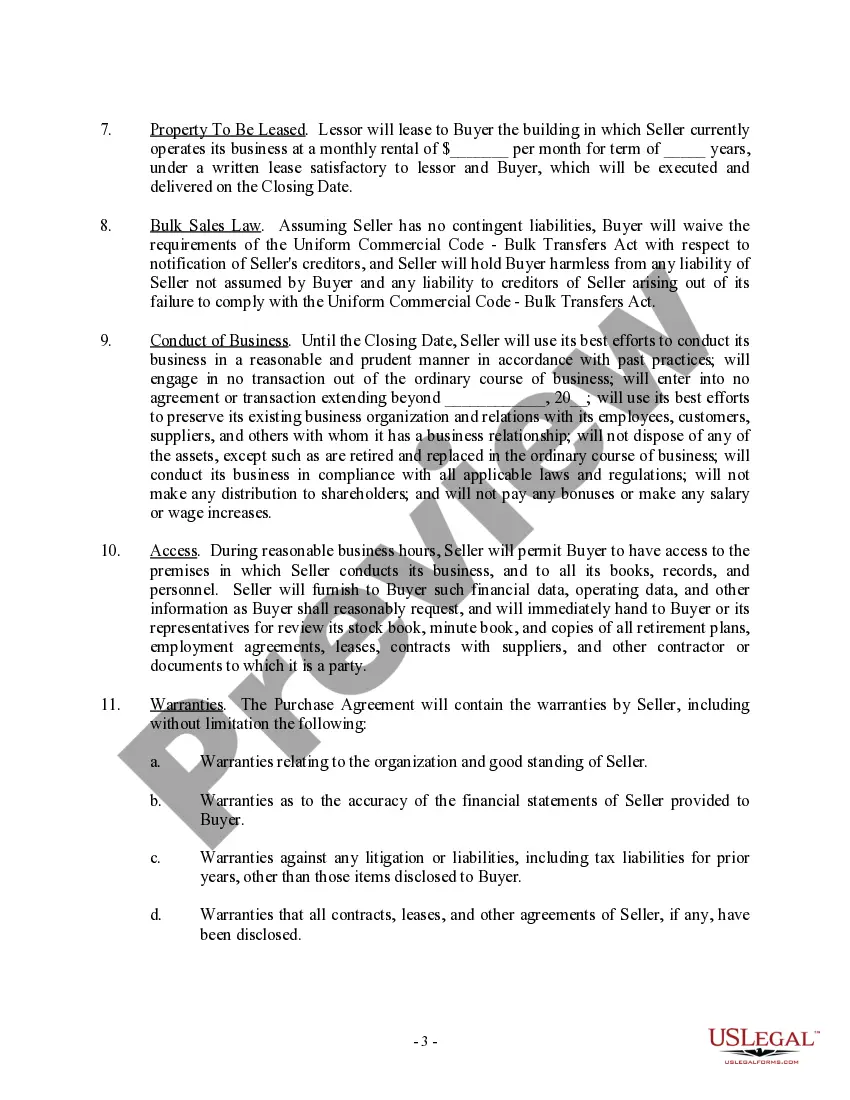
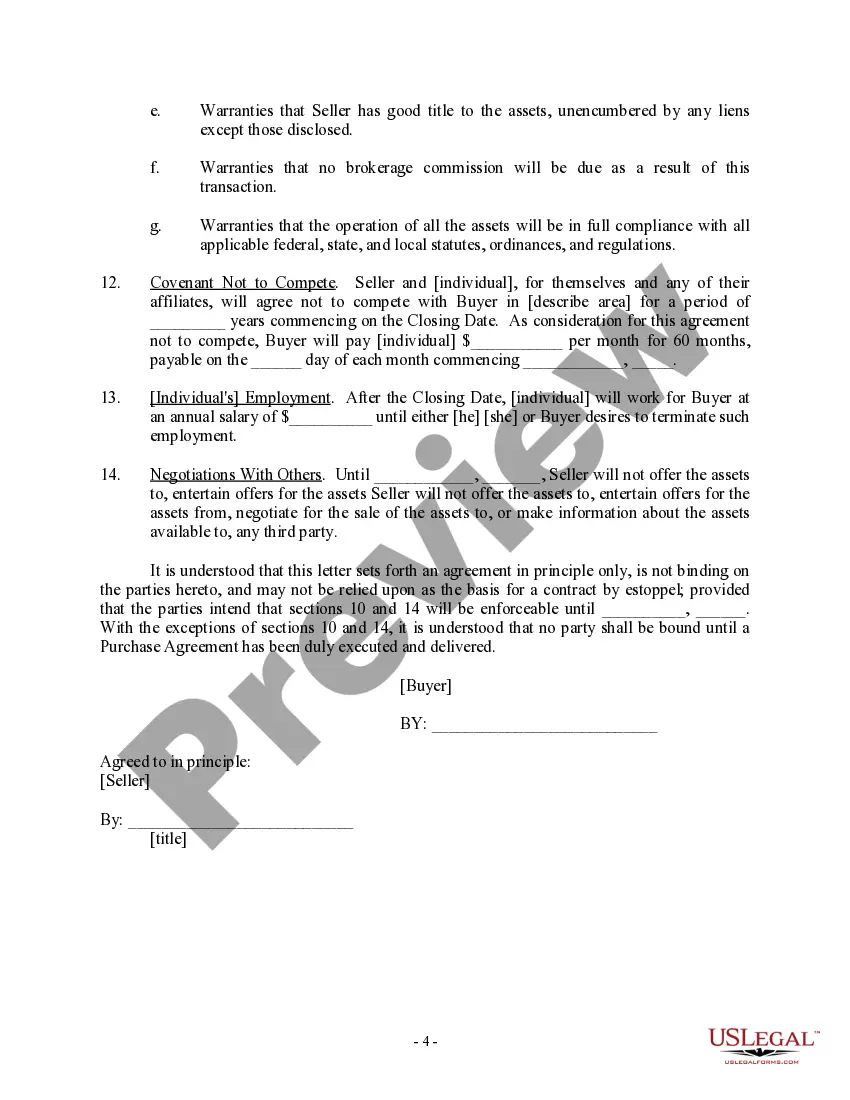
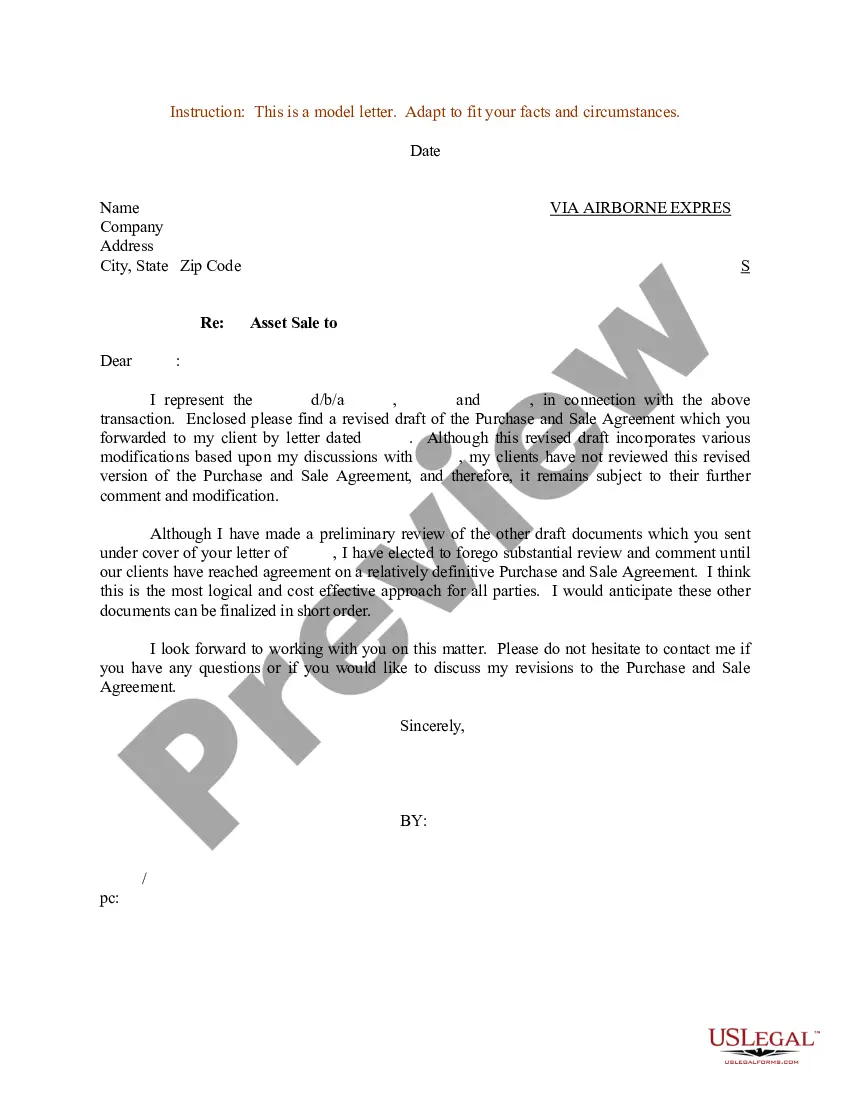
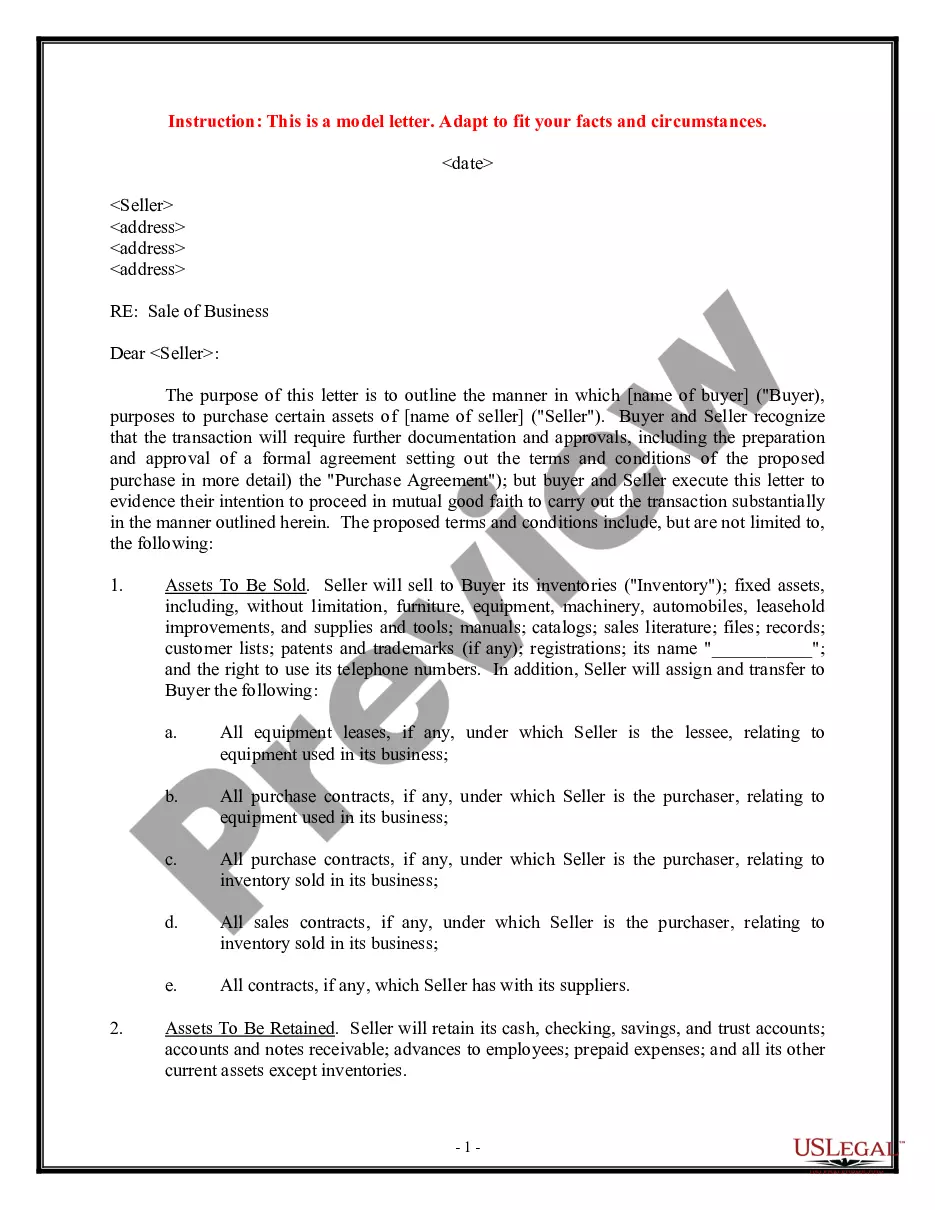
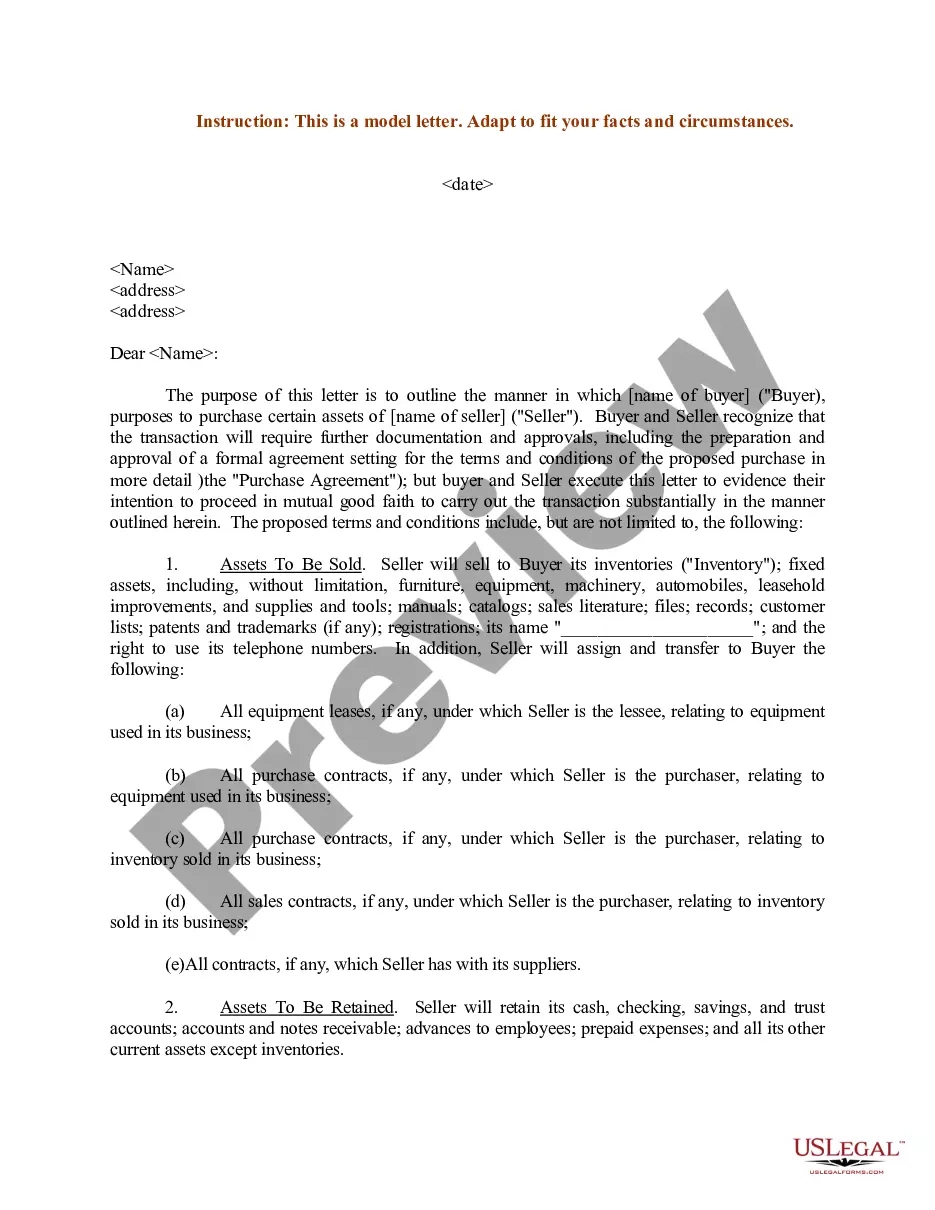
Get your form ready online
Our built-in tools help you complete, sign, share, and store your documents in one place.
Make edits, fill in missing information, and update formatting in US Legal Forms—just like you would in MS Word.
Download a copy, print it, send it by email, or mail it via USPS—whatever works best for your next step.
Sign and collect signatures with our SignNow integration. Send to multiple recipients, set reminders, and more. Go Premium to unlock E-Sign.
If this form requires notarization, complete it online through a secure video call—no need to meet a notary in person or wait for an appointment.
We protect your documents and personal data by following strict security and privacy standards.

Make edits, fill in missing information, and update formatting in US Legal Forms—just like you would in MS Word.

Download a copy, print it, send it by email, or mail it via USPS—whatever works best for your next step.

Sign and collect signatures with our SignNow integration. Send to multiple recipients, set reminders, and more. Go Premium to unlock E-Sign.

If this form requires notarization, complete it online through a secure video call—no need to meet a notary in person or wait for an appointment.

We protect your documents and personal data by following strict security and privacy standards.
Looking for another form?





Form popularity
FAQ
Do You Need Legal Help Regarding a Virginia Probate or Estate & Trust Issue To Protect Your Family's Assets? If you need legal assistance regarding a family estate you need to speak with an experienced Virginia probate, estate and trust administration attorney as soon as possible.
Probating a copy of a will in Virginia requires an additional step – a petition must be be filed in the Circuit Court where the decedent last lived (unless they were in a nursing home, then other rules may apply) asking that the Court accept the copy as the original will.
The will should be probated in the circuit court in the county or city where the decedent resided at the time of death. If the decedent had no known place of residence, the will should be probated where the decedent owned any real estate, or if none, where the decedent died or has any estate.
In general, following the death of a decedent, a Personal Representative needs to contact the Probate Division of the Circuit Court Clerk's office in the county or city where the decedent (i) had a known place of residence; (ii) if no known place of residence, then where he or she owned real estate; or (iii) if no real ...
This inventory must include all of the decedent's (i) personal estate under your supervision and control, (ii) interest in any multiple party account (which is defined in Part 2) in any financial institution, (iii) real estate over which you have a power of sale, and (iv) other real estate that is an asset of the ...
How Long Do You Have to File Probate After Death in Virginia? Many families need time to grieve after losing a loved one, so the Commonwealth of Virginia does not stipulate a time frame to file a will with the courts. However, the Circuit Court of Virginia recommends the executor files it within 30 days if possible.
Yes. Any and all bank accounts that the decedent owned must be listed on the inventory. This is true even if the bank accounts were held with payable-on-death (POD) designations or if the bank accounts were jointly held with the right of survivorship.
