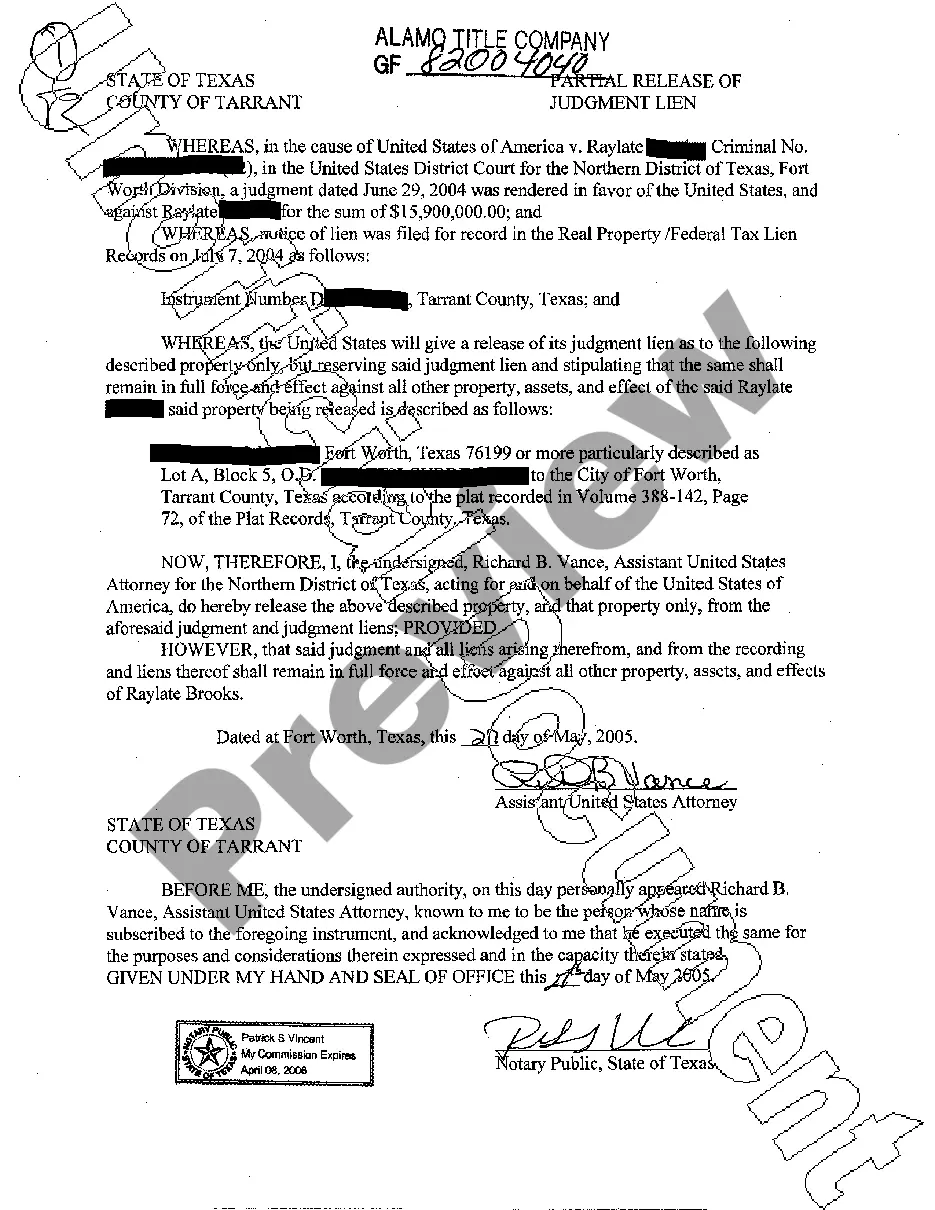
Agreed Plead Agreement Form In Washington
Description
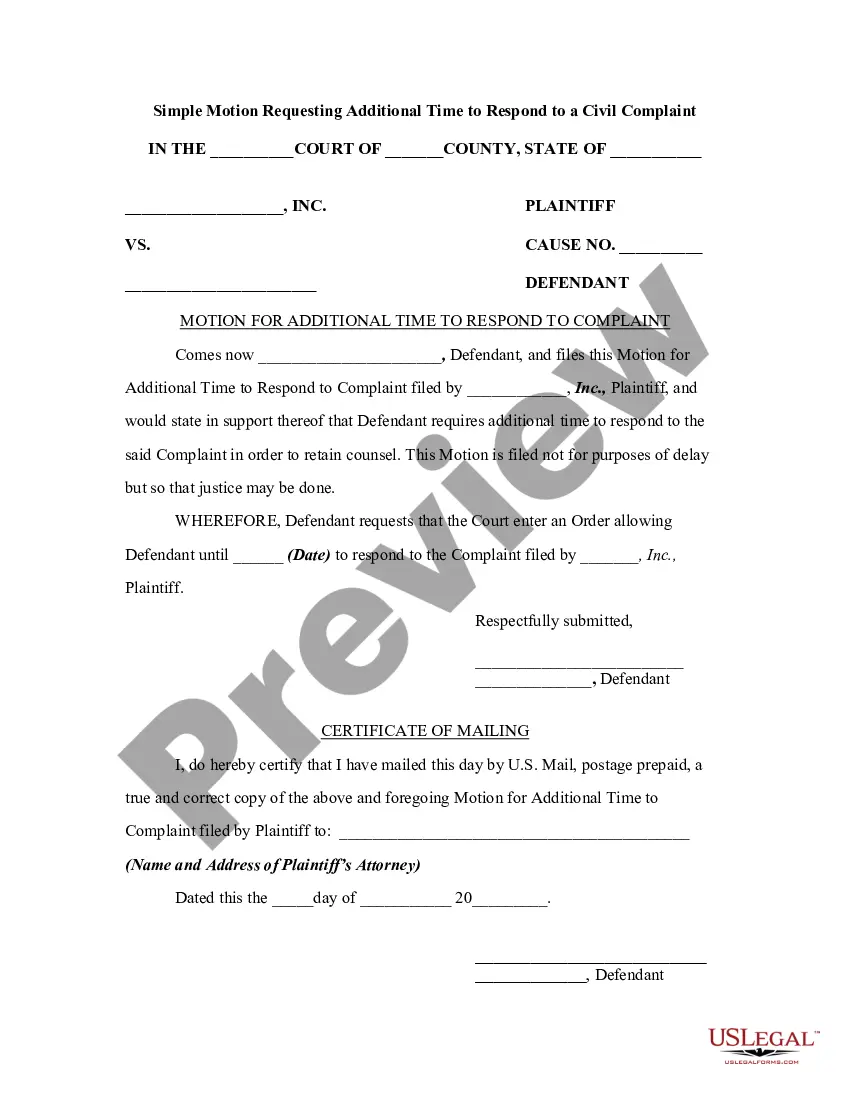
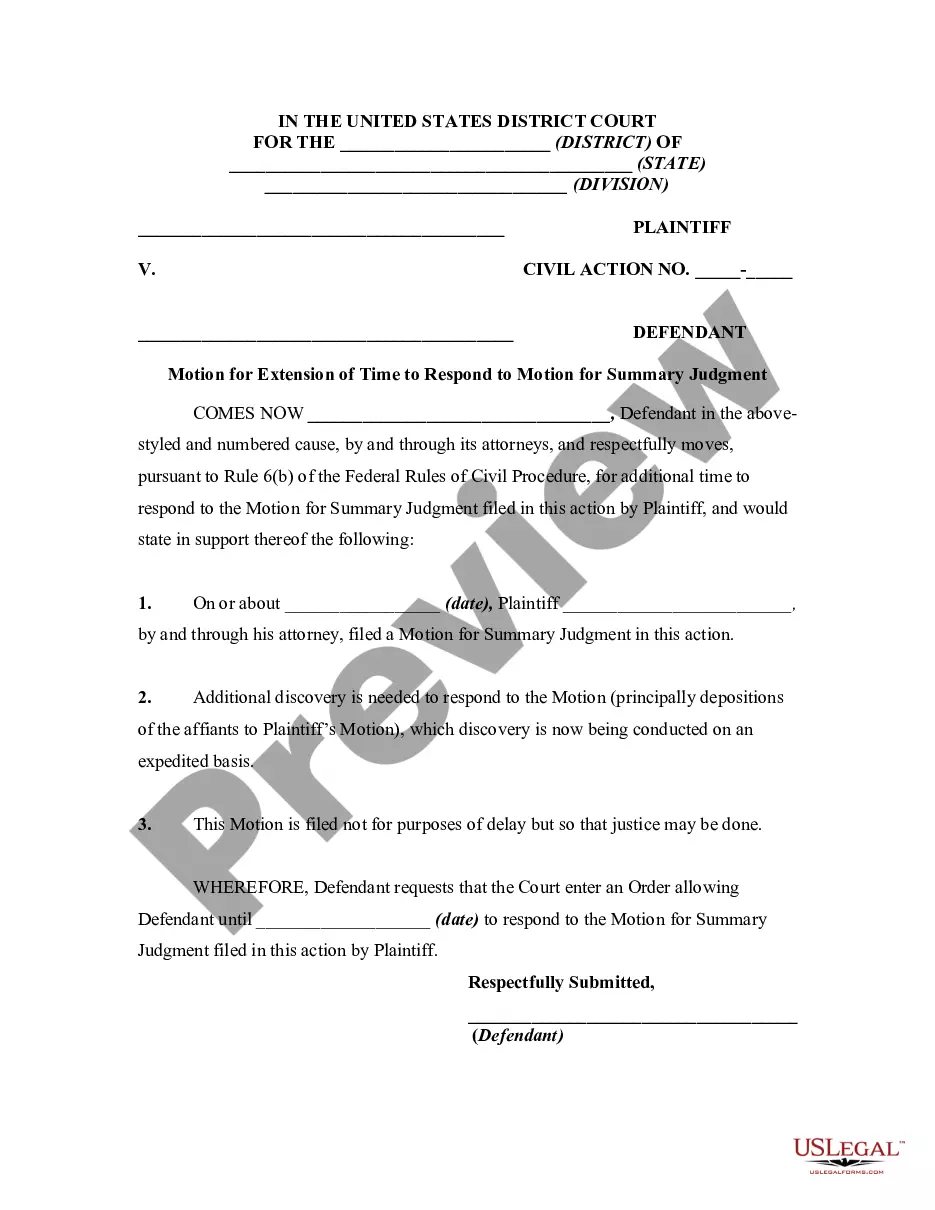
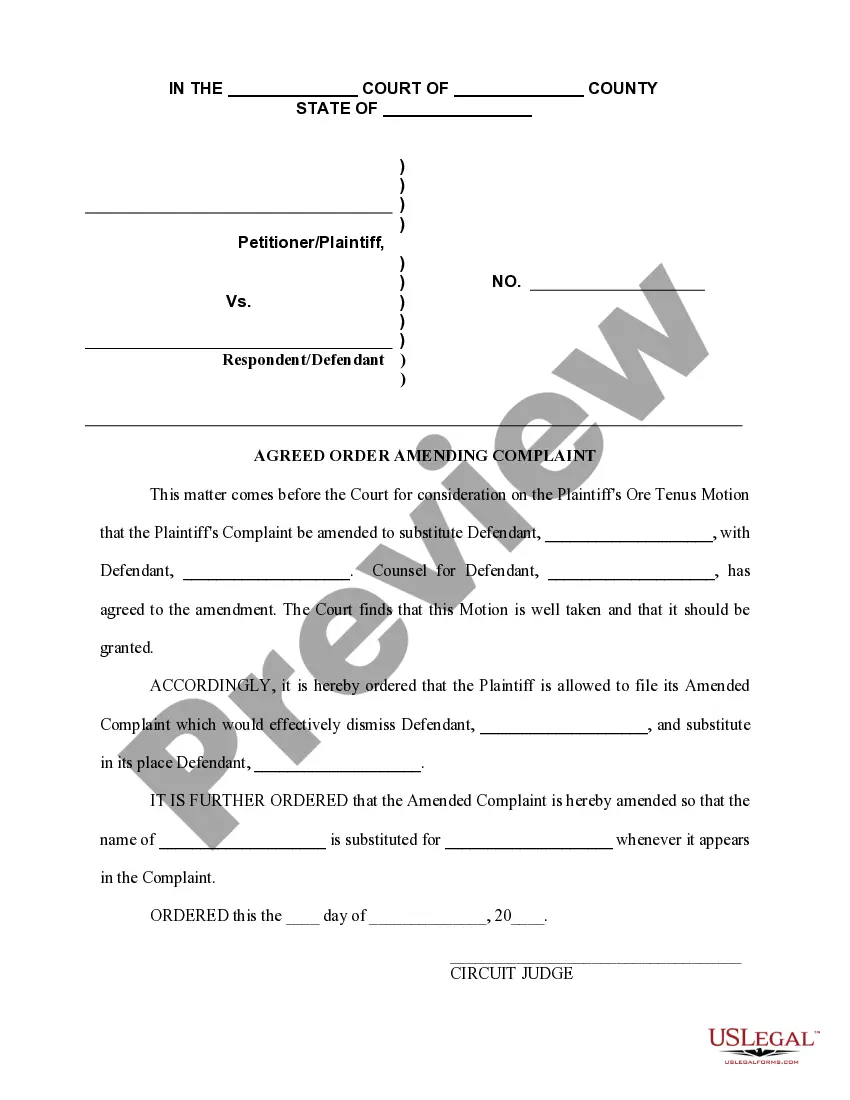
Get your form ready online
Our built-in tools help you complete, sign, share, and store your documents in one place.
Make edits, fill in missing information, and update formatting in US Legal Forms—just like you would in MS Word.
Download a copy, print it, send it by email, or mail it via USPS—whatever works best for your next step.
Sign and collect signatures with our SignNow integration. Send to multiple recipients, set reminders, and more. Go Premium to unlock E-Sign.
If this form requires notarization, complete it online through a secure video call—no need to meet a notary in person or wait for an appointment.
We protect your documents and personal data by following strict security and privacy standards.

Make edits, fill in missing information, and update formatting in US Legal Forms—just like you would in MS Word.

Download a copy, print it, send it by email, or mail it via USPS—whatever works best for your next step.

Sign and collect signatures with our SignNow integration. Send to multiple recipients, set reminders, and more. Go Premium to unlock E-Sign.

If this form requires notarization, complete it online through a secure video call—no need to meet a notary in person or wait for an appointment.

We protect your documents and personal data by following strict security and privacy standards.
Looking for another form?







Form popularity
FAQ
The judge has the authority to accept or reject a plea bargain. They will consider the nature of the charges and the defendant's criminal history, if any, as well as the circumstances surrounding the case.
In exchange for the guilty plea, the defendant may get the following: A reduction in the number of charges they face. A reduction in the severity of the offense they're charged with. A reduced sentence or none at all (by offering probation instead of jail time)
Rule 11(c)(1)(C) allows the defendant and Federal Government to “agree that a specific sentence or sentencing range is the appropriate disposition of the case, or that a particular provision of the Sentencing Guidelines, or policy statement, or sentencing factor does or does not apply.” The purpose of a plea under Rule ...
When a defendant decides to accept an offer for a plea arrangement he gives up the following constitutional rights: To have a jury trial. To confront and cross-examine witnesses. To compel witnesses to testify at trial.
Now, all plea agreements are open to the public unless the prosecu- tor or another party makes a motion to seal them and the judge agrees.
Instead the courts seal plea agreements on a case-by-case basis under an order by the judge. In these districts, if the agreements aren't ordered to be sealed, they include any cooperation information and are open to the public and available on PACER, the federal online docketing system.
Many Washington State courts have a public access terminal in the courthouse where you can view JIS public record case information such as an index of filed cases and a list of documents filed in each case. Contact your local court to see if they have a public access terminal.
Making a Decision on a Plea Bargain The defendant will not be able to enter the plea until and unless the judge decides that the terms are acceptable. There are several different types of actions that a judge can take in these situations. They can accept the plea agreement as it is, or they can reject it outright.
The terms of a plea bargain are generally public unless the judge seals the case. This is an unusual step. So in most cases, the public can access the terms of the plea bargain.
