Granting Plea For Religious Liberty In Tarrant
Description
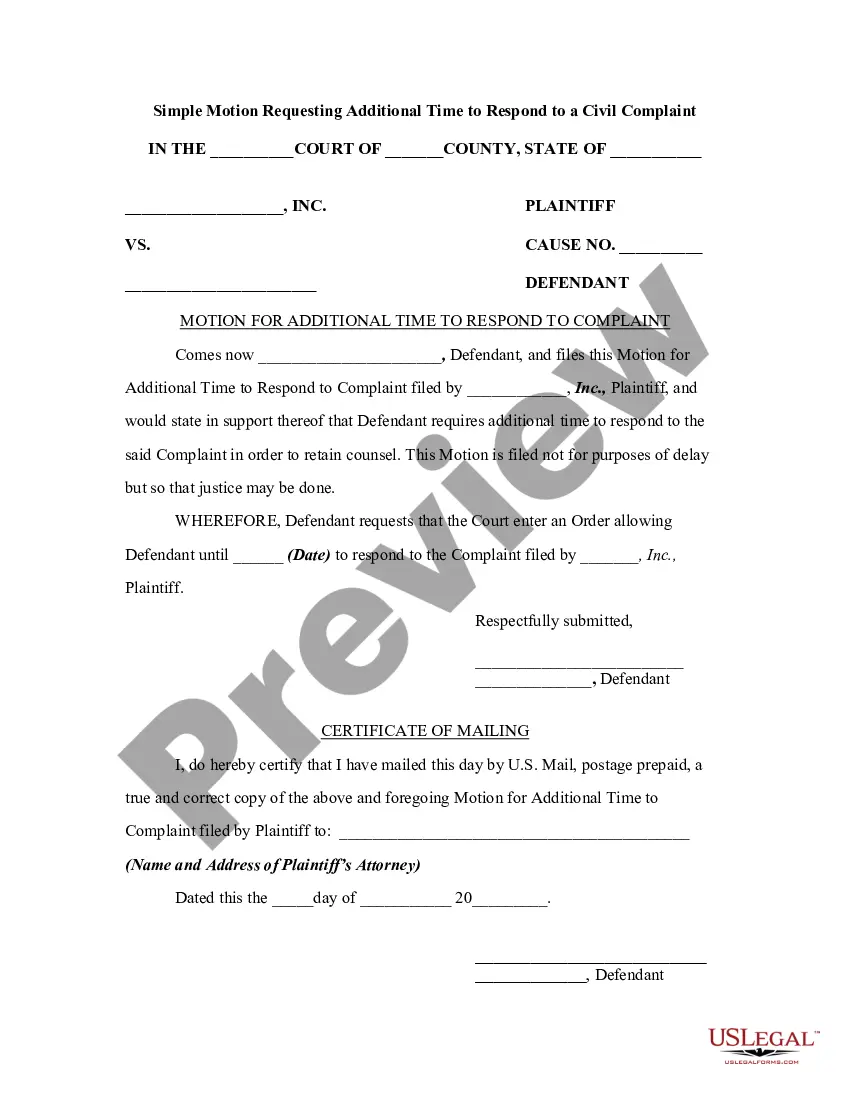
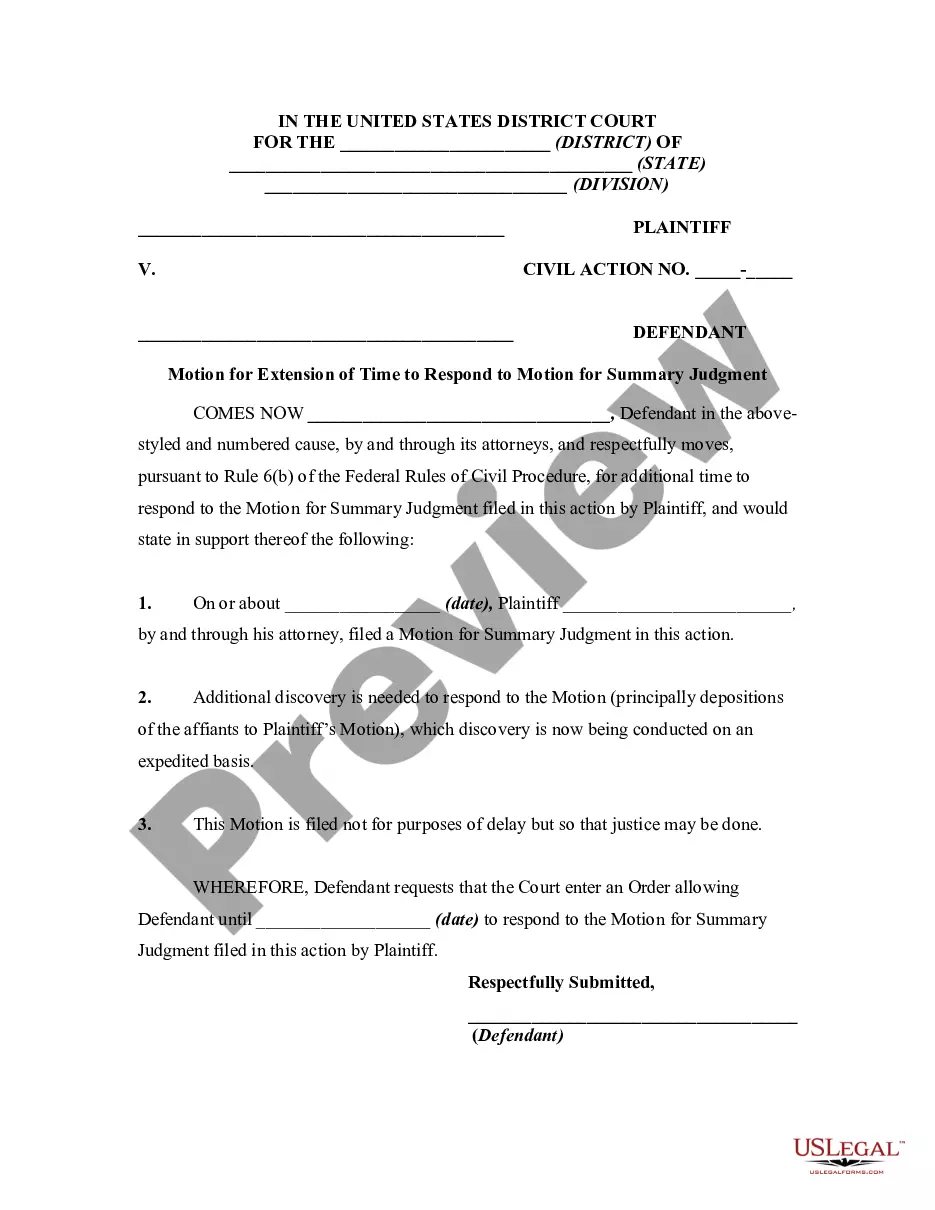
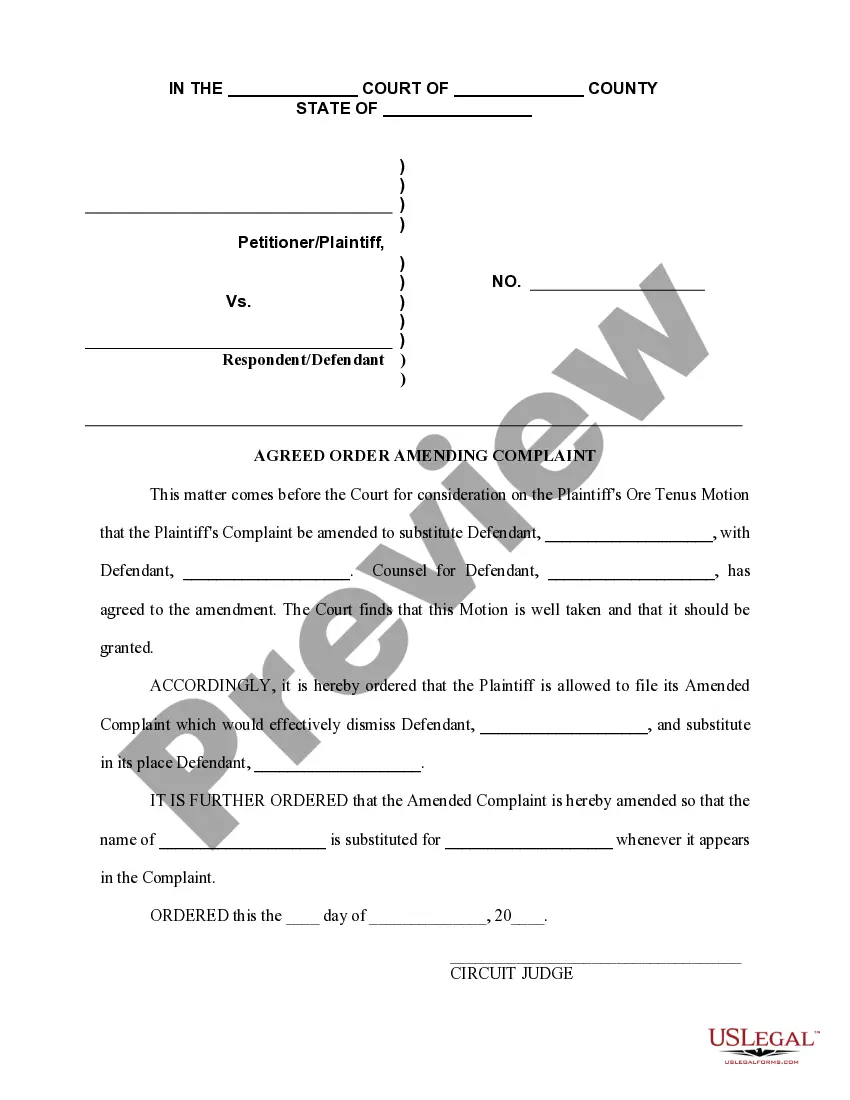
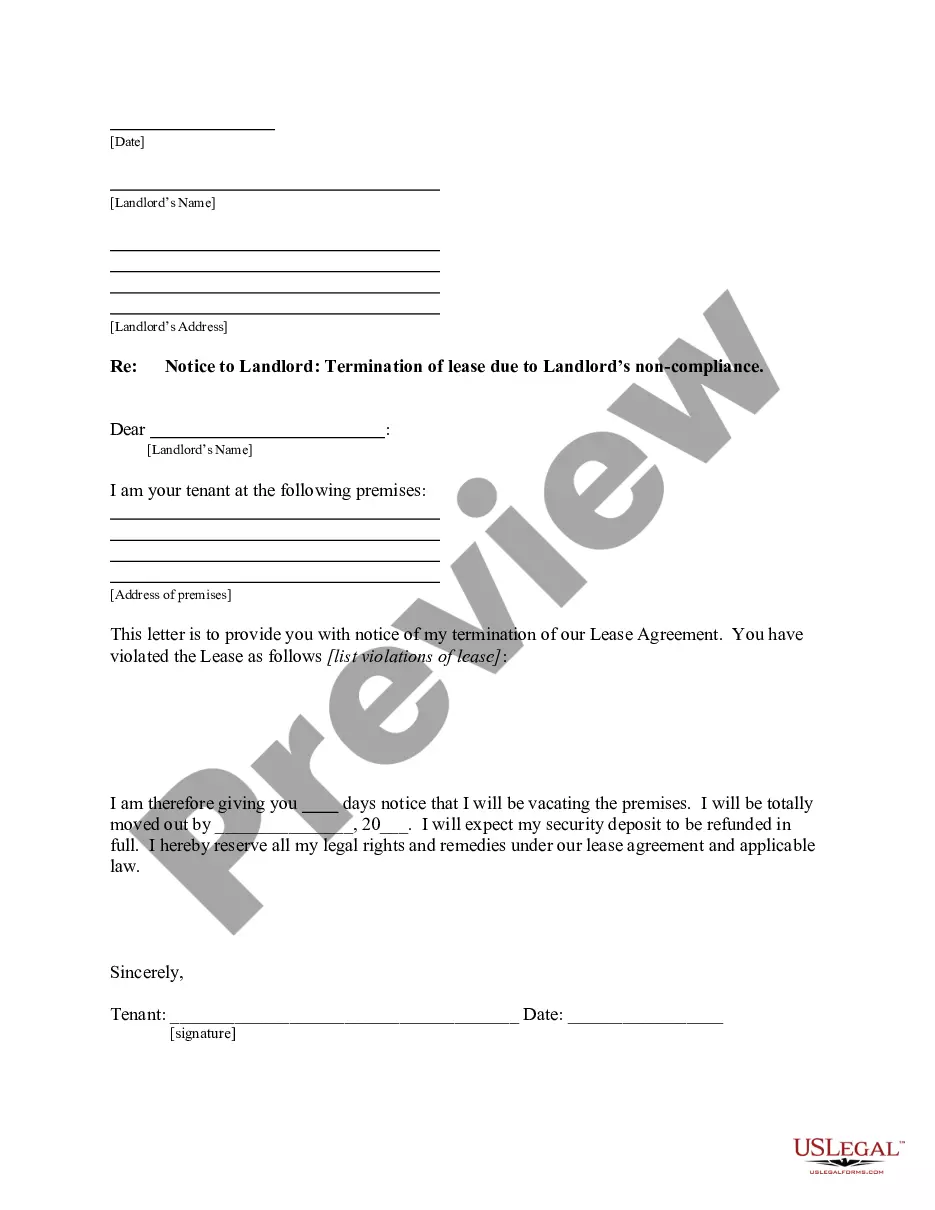
Get your form ready online
Our built-in tools help you complete, sign, share, and store your documents in one place.
Make edits, fill in missing information, and update formatting in US Legal Forms—just like you would in MS Word.
Download a copy, print it, send it by email, or mail it via USPS—whatever works best for your next step.
Sign and collect signatures with our SignNow integration. Send to multiple recipients, set reminders, and more. Go Premium to unlock E-Sign.
If this form requires notarization, complete it online through a secure video call—no need to meet a notary in person or wait for an appointment.
We protect your documents and personal data by following strict security and privacy standards.

Make edits, fill in missing information, and update formatting in US Legal Forms—just like you would in MS Word.

Download a copy, print it, send it by email, or mail it via USPS—whatever works best for your next step.

Sign and collect signatures with our SignNow integration. Send to multiple recipients, set reminders, and more. Go Premium to unlock E-Sign.

If this form requires notarization, complete it online through a secure video call—no need to meet a notary in person or wait for an appointment.

We protect your documents and personal data by following strict security and privacy standards.
Looking for another form?








Form popularity
FAQ
Our constitutional law of religious liberty is a riot of principles: principles of freedom of conscience, neutrality, separation of church and state, and others. To resolve concrete disputes, we must identify what those principles are and how they could ever jointly deliver singular answers to constitutional questions.
Giving religious liberty, therefore, keeps us focused on the battles that actually matter: “For although we live in the flesh, we do not wage war ing to the flesh, since the weapons of our warfare are not of the flesh” (2 Cor. -4a).
Religious liberty is enshrined in the text of our Constitution and in numerous federal statutes. It encompasses the right of all Americans to exercise their religion freely, without being coerced to join an established church or to satisfy a religious test as a qualification for public office.
Religious freedom is a fundamental human right and the first among rights guaranteed by the United States Constitution. It is the right to think, express and act upon what you deeply believe, ing to the dictates of conscience.
Religious freedom is a fundamental human right and the first among rights guaranteed by the United States Constitution. It is the right to think, express and act upon what you deeply believe, ing to the dictates of conscience.
“Religious liberty” is the freedom to believe and exercise or act upon religious conscience without unnecessary interference by the government. Just as religious liberty involves the freedom to practice religion, it also means freedom not to practice religion.
Loving Father, thank you for the gift of life and for the freedom to love and worship You. Through the power of the Holy Spirit inspire us to be your witnesses. Grant us the courage to boldly and joyfully stand in protection of our freedom.
Skills such as mediation and negotiation can be used to prevent or end religious persecution. Resilient, inclusive societies, in which equal rights of all people are recognized regardless of religion or belief, can be promoted from the top down—and through the bottom up, through nonviolent, grassroots campaigns.
Religious liberty is enshrined in the text of our Constitution and in numerous federal statutes. It encompasses the right of all Americans to exercise their religion freely, without being coerced to join an established church or to satisfy a religious test as a qualification for public office.
I honor you as my sovereign Lord, and I surrender every aspect of my life totally and completely to you. I give you my spirit, soul, and body, my heart, mind, and will. I cover myself with your blood, and I ask your Holy Spirit to restore me in you, renew me in you, and lead this time of prayer.
