Granting Plea For Religious Liberty In Michigan
Description
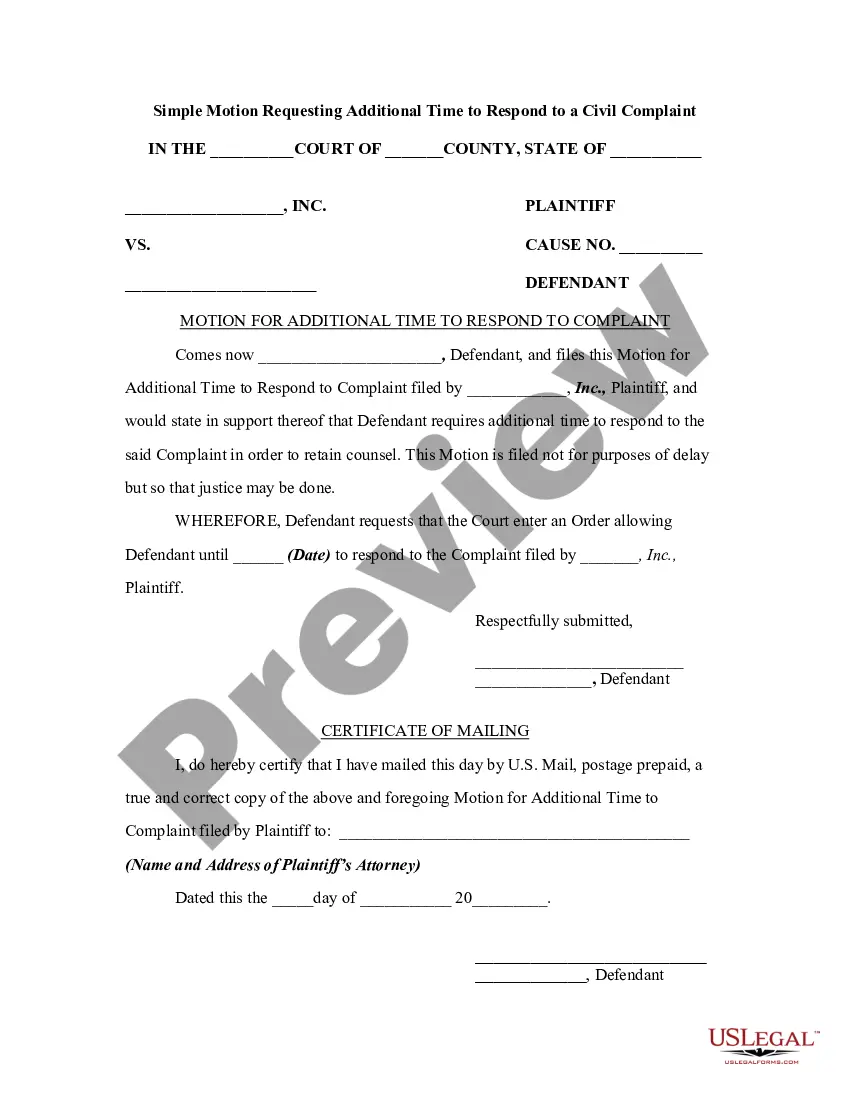
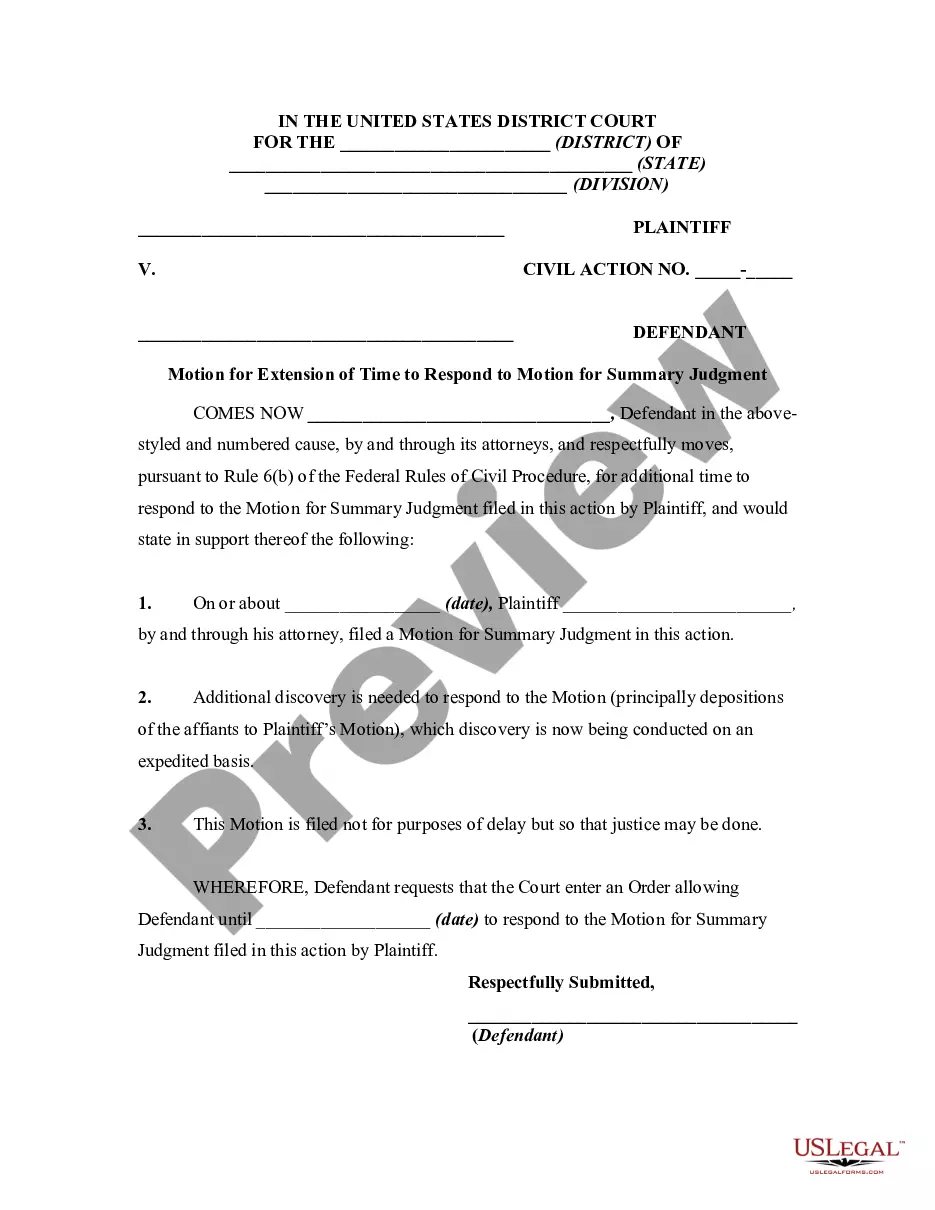
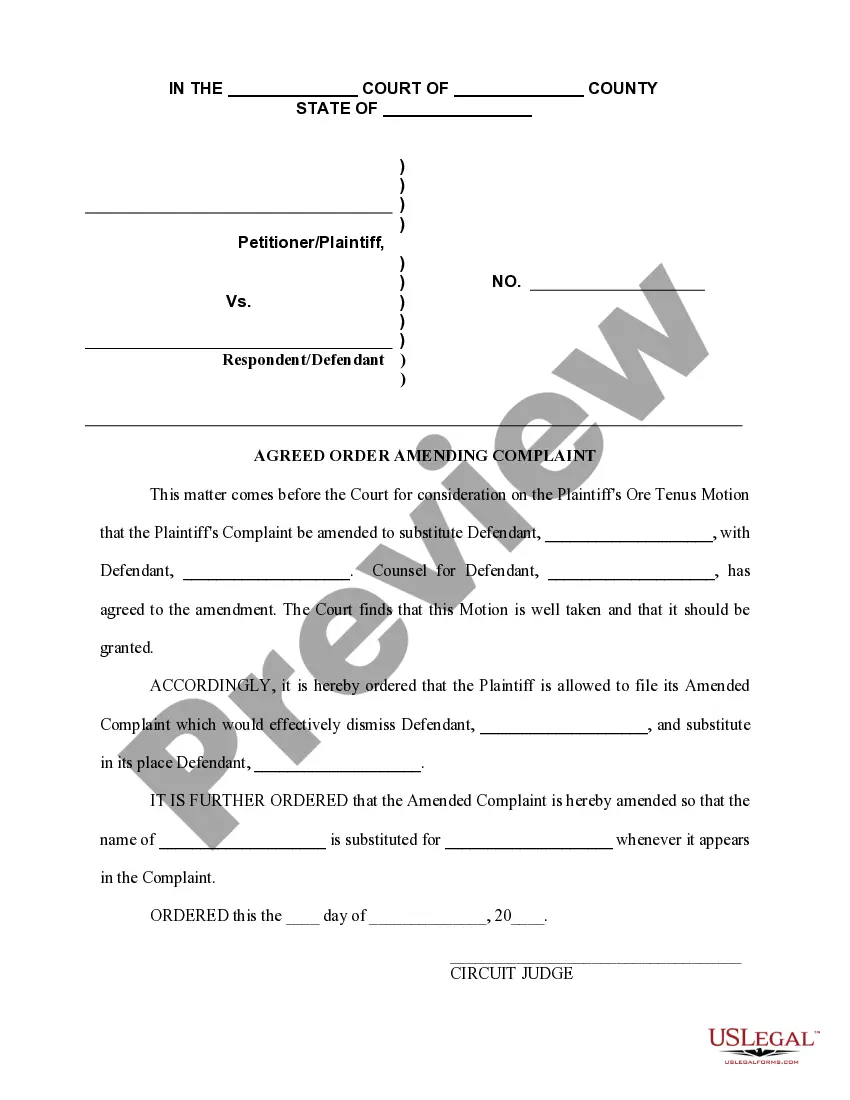
Get your form ready online
Our built-in tools help you complete, sign, share, and store your documents in one place.
Make edits, fill in missing information, and update formatting in US Legal Forms—just like you would in MS Word.
Download a copy, print it, send it by email, or mail it via USPS—whatever works best for your next step.
Sign and collect signatures with our SignNow integration. Send to multiple recipients, set reminders, and more. Go Premium to unlock E-Sign.
If this form requires notarization, complete it online through a secure video call—no need to meet a notary in person or wait for an appointment.
We protect your documents and personal data by following strict security and privacy standards.

Make edits, fill in missing information, and update formatting in US Legal Forms—just like you would in MS Word.

Download a copy, print it, send it by email, or mail it via USPS—whatever works best for your next step.

Sign and collect signatures with our SignNow integration. Send to multiple recipients, set reminders, and more. Go Premium to unlock E-Sign.

If this form requires notarization, complete it online through a secure video call—no need to meet a notary in person or wait for an appointment.

We protect your documents and personal data by following strict security and privacy standards.
Looking for another form?










Form popularity
FAQ
House Bill 5958, also known as the Religious Freedom Restoration Act, is a pending piece of legislation in Michigan that, opponents assert, may allow for the refusal of service, the denial of employment and of housing, and other actions that act against a citizen's rights if a person claims that working with or for ...
Under Michigan law, as of July 1st, 2013, under MCL § 440.1201(2), under the UCC, good faith is defined as “honesty in fact and the observance of reasonable commercial standards of fair dealing.”
Michigan passed a Personal Liberty Act in 1855 to try to neutralize the federal law, and the 13th Amendment to the U.S. Constitution, ratified soon after the Civil War, made slavery illegal in the United States. Placed by the State Bar of Michigan and the Cass County Bar Association August 16, 2005.
RFRA prohibits the federal government from substantially burdening a person's exercise of religion, unless the federal government demonstrates that application of such burden to the religious adherent is the least restrictive means of achieving a compelling governmental interest.
The law requires an employer or other covered entity to reasonably accommodate an employee's religious beliefs or practices, unless doing so would cause a burden that is substantial in the overall context of the employer's business taking into account all relevant factors, including the particular accommodation at ...
House Bill 5958, also known as the Religious Freedom Restoration Act, is a pending piece of legislation in Michigan that, opponents assert, may allow for the refusal of service, the denial of employment and of housing, and other actions that act against a citizen's rights if a person claims that working with or for ...
On the other hand, religion can be a source of morality, and religious ideas are often used to propagate peace and cooperation. For example, religious leaders often call for peace and help prevent the spread of extremist ideologies in their local congregations.
Religious liberty is enshrined in the text of our Constitution and in numerous federal statutes. It encompasses the right of all Americans to exercise their religion freely, without being coerced to join an established church or to satisfy a religious test as a qualification for public office.
When people of faith do good, they increase their ability to convince others that religious freedom should be respected and protected. Get involved in education. Be part of a club, business group, or professional association. Extend the reach of your faith. Make it a family matter and a matter of prayer.
You could also attend city council meetings, join a political party, write your representatives, and combine your efforts with others who support religious freedom. Get to know people of other faiths. Talk with them about matters of shared concern. Participate in an interfaith service project.
