Agreed Plead Agreement Form In Arizona
Description
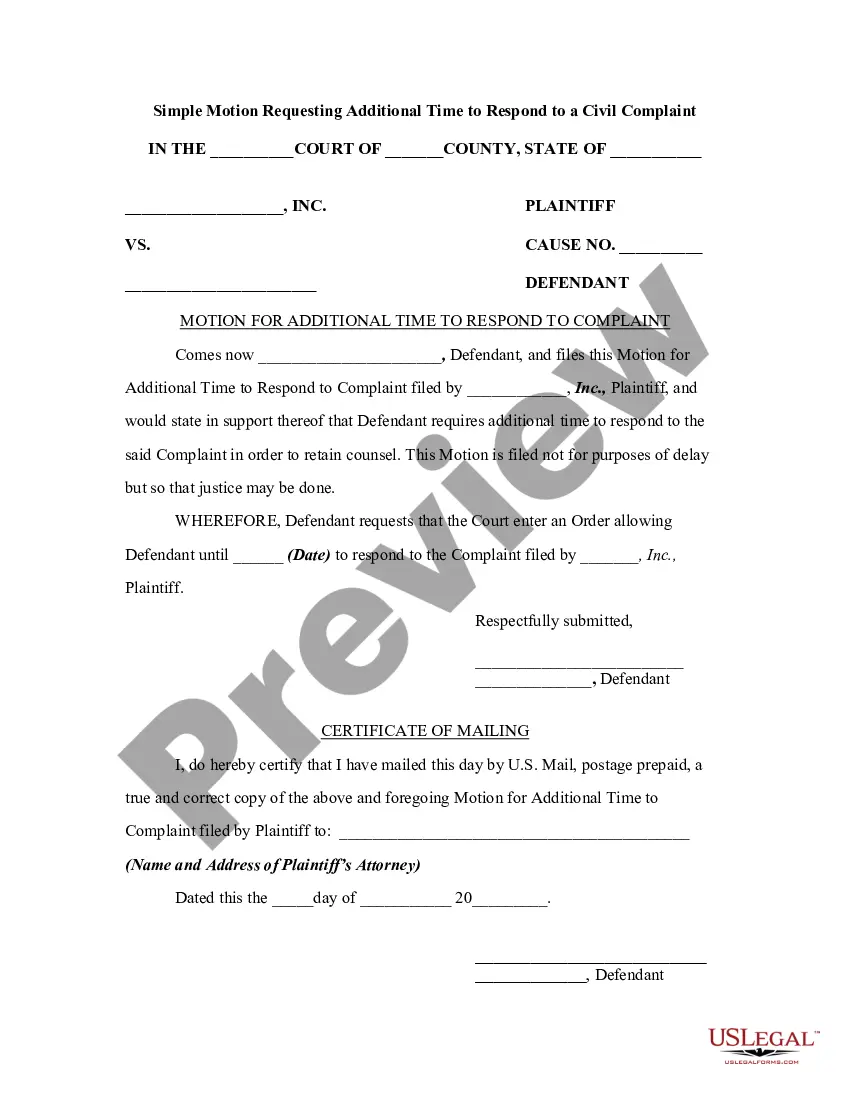
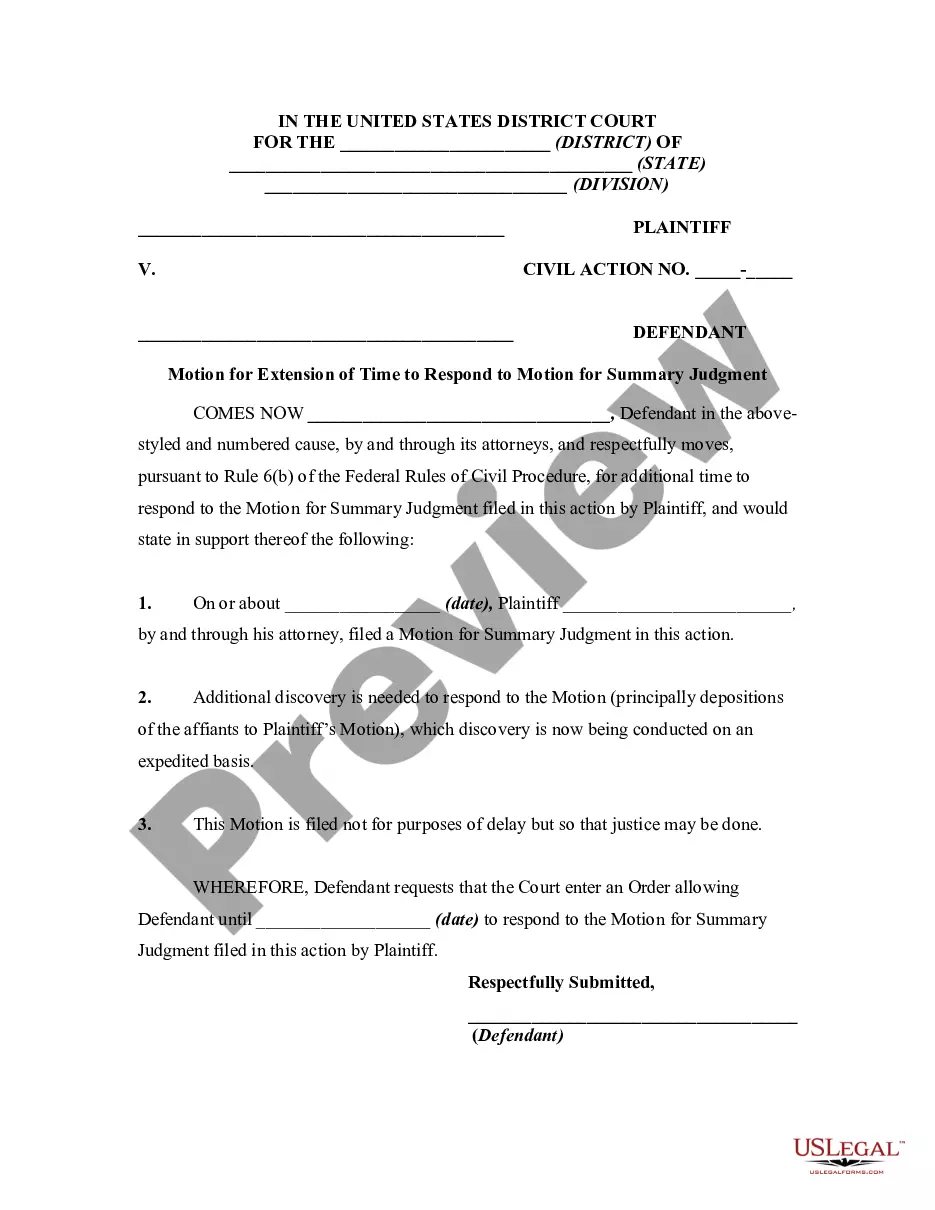
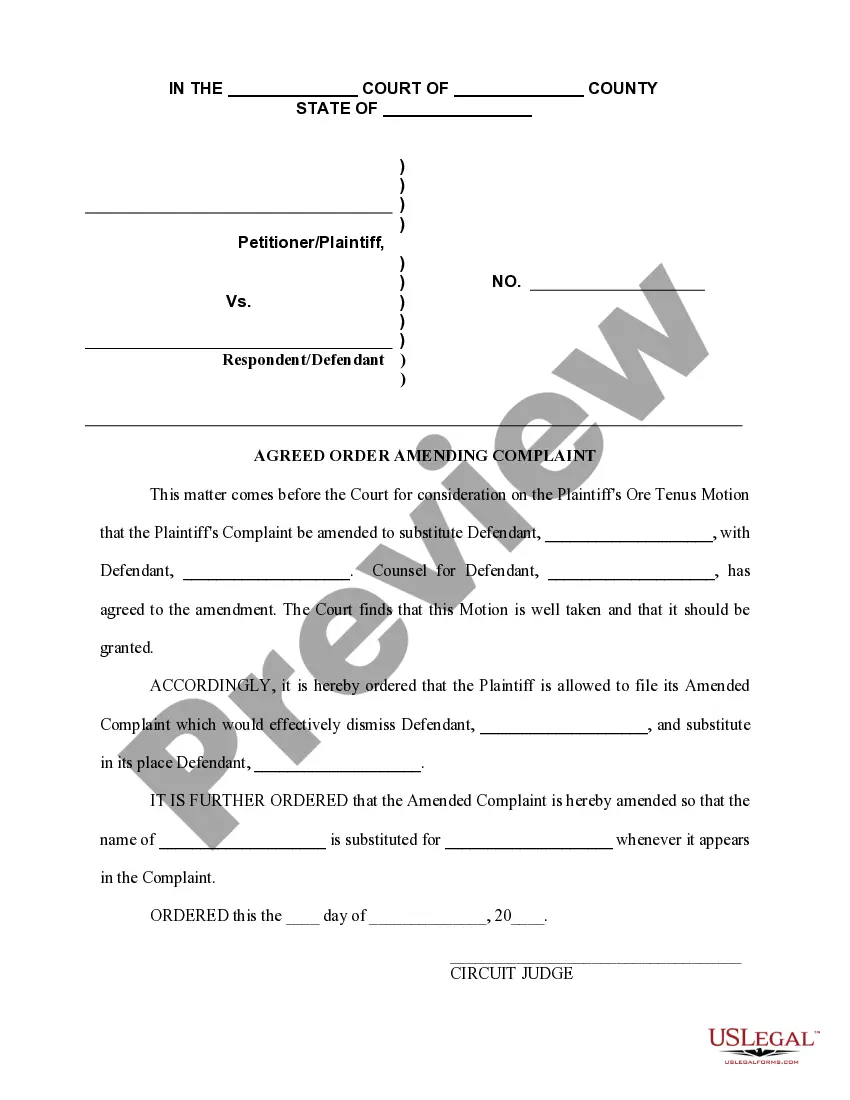
Get your form ready online
Our built-in tools help you complete, sign, share, and store your documents in one place.
Make edits, fill in missing information, and update formatting in US Legal Forms—just like you would in MS Word.
Download a copy, print it, send it by email, or mail it via USPS—whatever works best for your next step.
Sign and collect signatures with our SignNow integration. Send to multiple recipients, set reminders, and more. Go Premium to unlock E-Sign.
If this form requires notarization, complete it online through a secure video call—no need to meet a notary in person or wait for an appointment.
We protect your documents and personal data by following strict security and privacy standards.

Make edits, fill in missing information, and update formatting in US Legal Forms—just like you would in MS Word.

Download a copy, print it, send it by email, or mail it via USPS—whatever works best for your next step.

Sign and collect signatures with our SignNow integration. Send to multiple recipients, set reminders, and more. Go Premium to unlock E-Sign.

If this form requires notarization, complete it online through a secure video call—no need to meet a notary in person or wait for an appointment.

We protect your documents and personal data by following strict security and privacy standards.
Looking for another form?
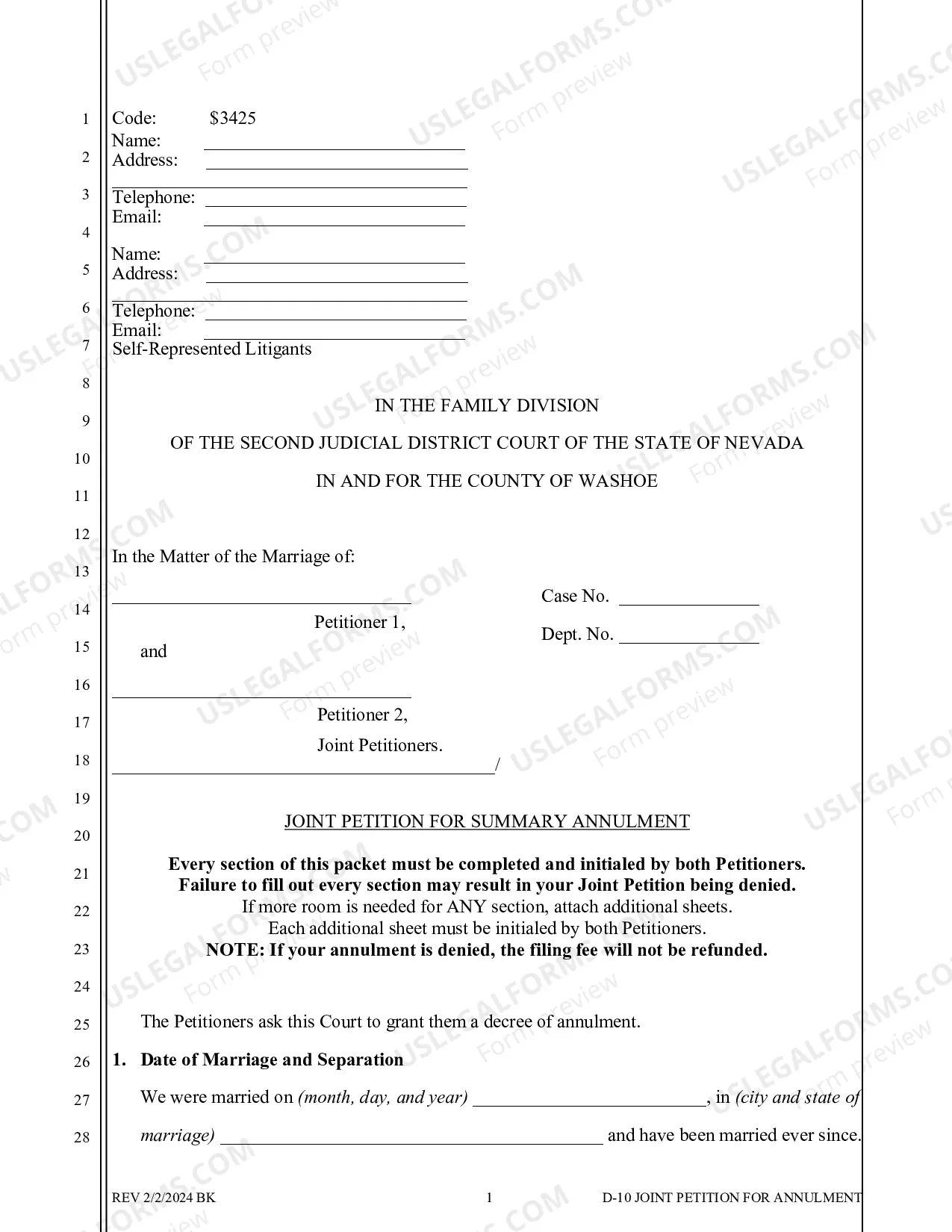


Form popularity
FAQ
Court Approval and Plea Agreements in California A judge must approve a plea deal. Once you have reached an agreement with the prosecution, the judge hears the details of the deal. The judge will ask you to confirm that you are voluntarily entering the plea.
Sometimes a defendant may accept a plea bargain and then change their mind, especially if they receive a harsh sentence. They may be able to withdraw their guilty plea, depending on the state and the stage at which they decide to withdraw it.
Judges do not have control over which charges are brought against a defendant but may have discretion in sentencing, even when a plea bargain is involved. Thus, a judge can accept a plea bargain while simultaneously imposing a different sentence than the sentence to which the defendant and the prosecutor agreed.
When a defendant decides to accept an offer for a plea arrangement he gives up the following constitutional rights: To have a jury trial. To confront and cross-examine witnesses. To compel witnesses to testify at trial.
Once a plea agreement is in place, the judge has limited options. The judge can either accept or reject the plea agreement. The judge cannot give a sentence lower than what the plea agreement allows without the prosecutor's consent.
In Arizona, there are many situations in which convictions can not be appealed. The most common case is when the defendant is convicted as the result of a plea agreement. One of the hallmarks of the plea agreement is that the defendant waives his or her right to appeal.
Yes, a judge can change their mind after sentencing, but there are specific circumstances and legal procedures involved. Here are some key points: Sentencing Modifications: Judges can modify sentences under certain conditions, such as a motion for reconsideration filed by the defense or the prosecution.
Rule 11(c)(1)(C) allows the defendant and Federal Government to “agree that a specific sentence or sentencing range is the appropriate disposition of the case, or that a particular provision of the Sentencing Guidelines, or policy statement, or sentencing factor does or does not apply.” The purpose of a plea under Rule ...
(a) Plea Negotiations. At either party's request or on its own, a court may order counsel with settlement authority to participate in good faith discussions to resolve the case in a manner that serves the interests of justice. The assigned trial judge may participate in this discussion only if the parties consent.
In exchange for the guilty plea, the defendant may get the following: A reduction in the number of charges they face. A reduction in the severity of the offense they're charged with. A reduced sentence or none at all (by offering probation instead of jail time)
