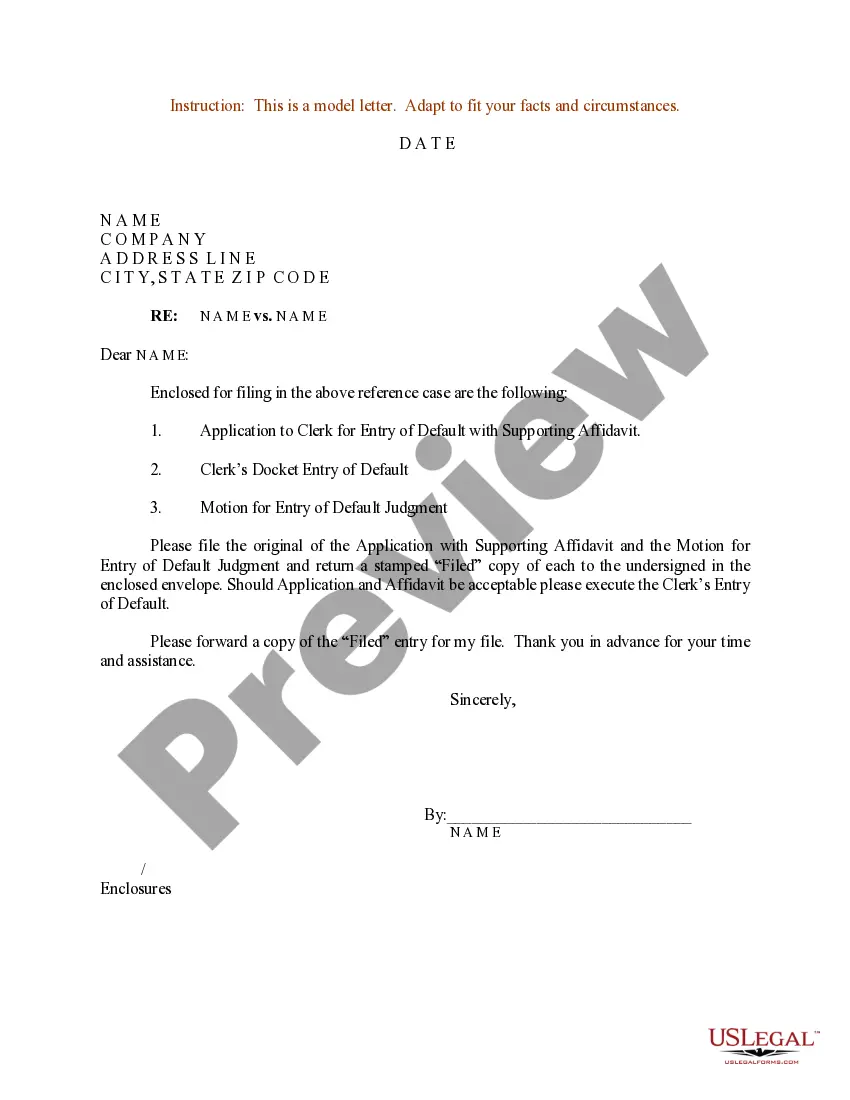
Request For Default Prove Up Hearing In Wayne
Description

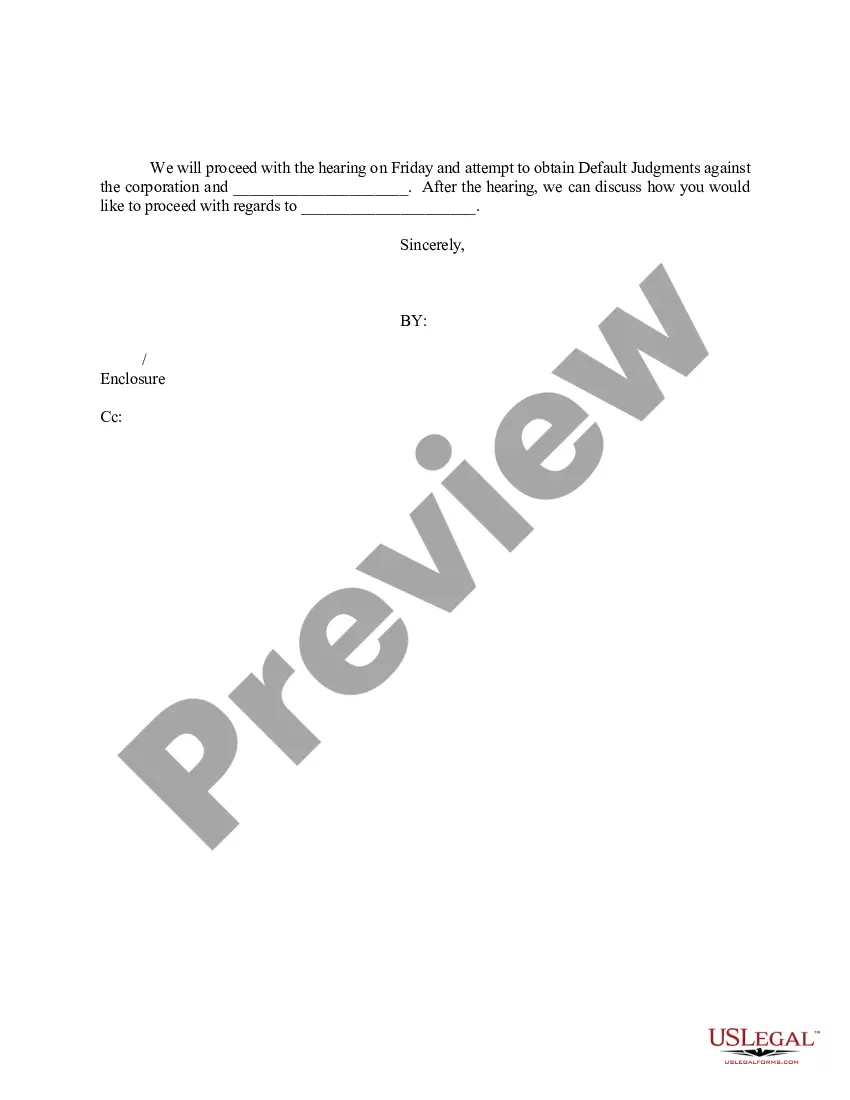
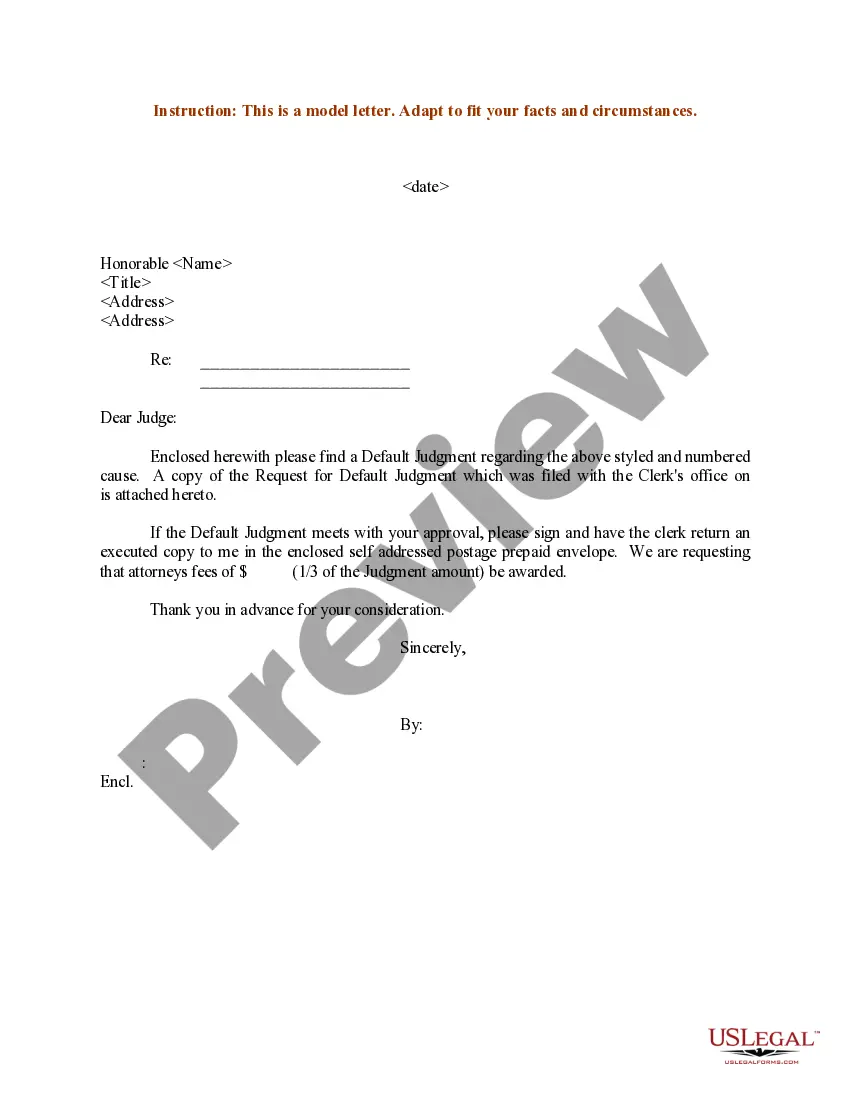
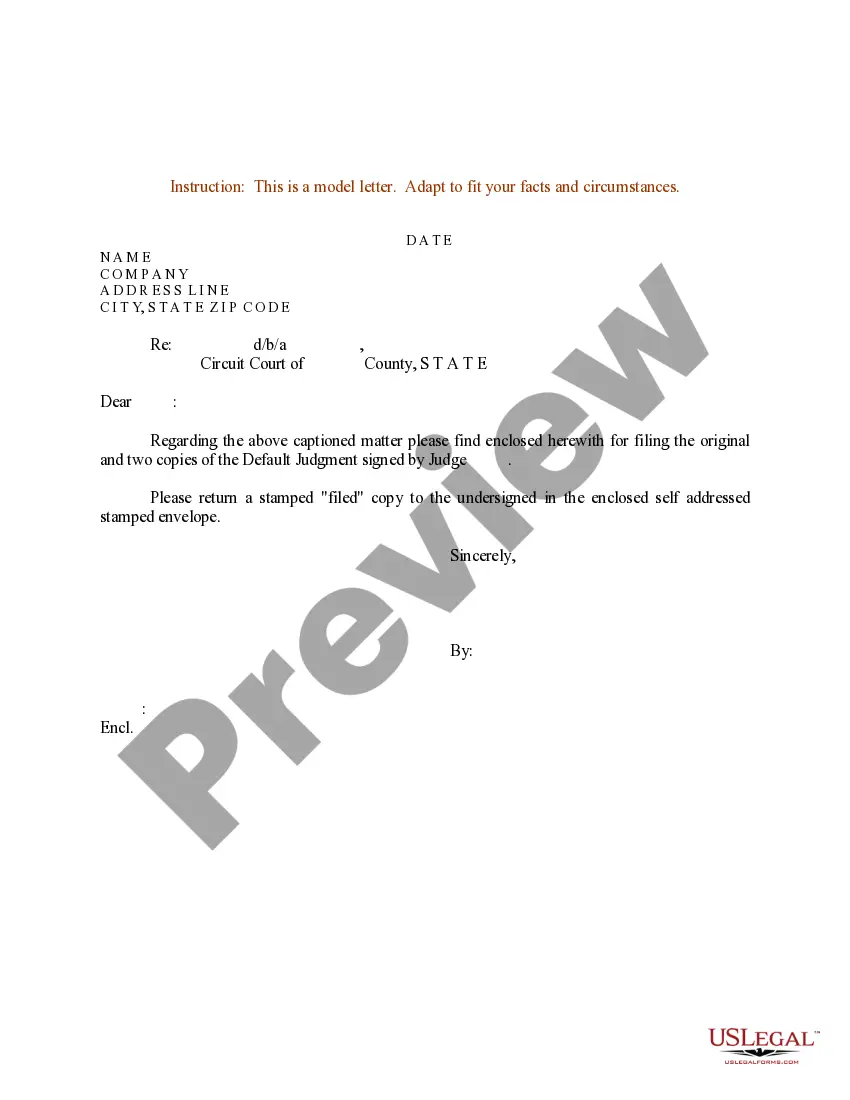
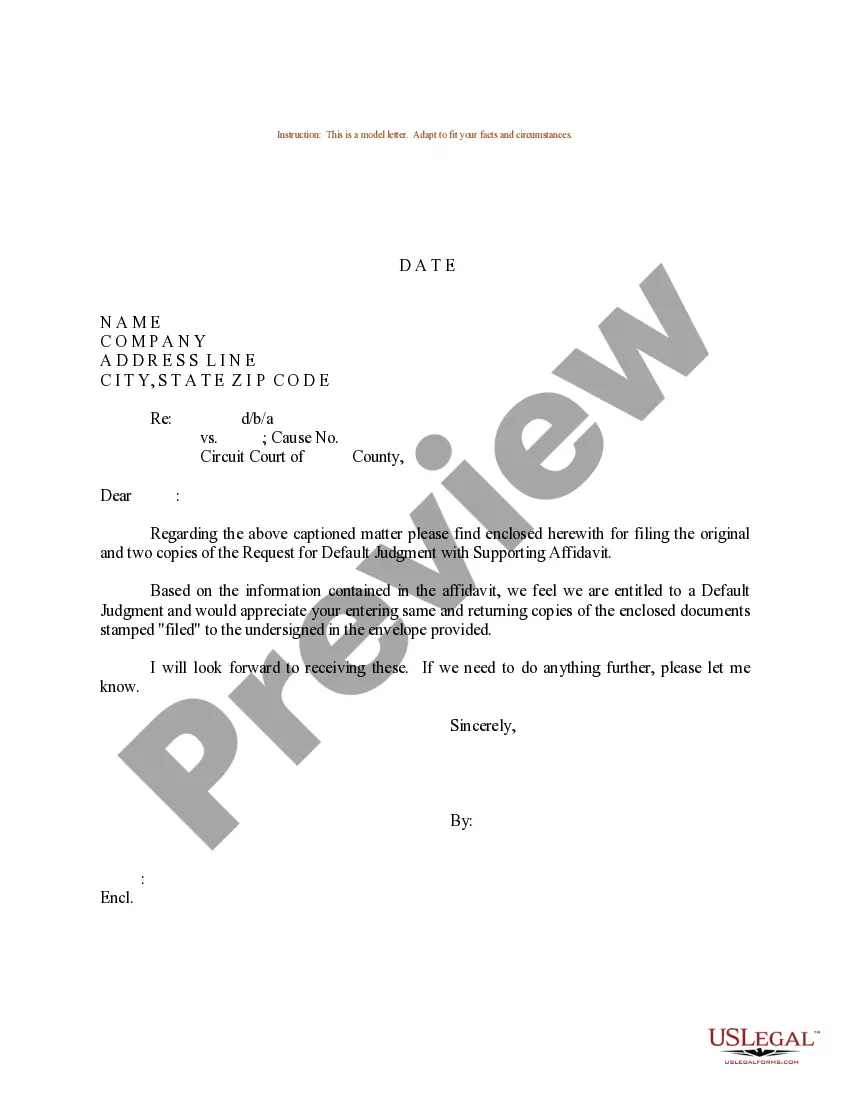
Get your form ready online
Our built-in tools help you complete, sign, share, and store your documents in one place.
Make edits, fill in missing information, and update formatting in US Legal Forms—just like you would in MS Word.
Download a copy, print it, send it by email, or mail it via USPS—whatever works best for your next step.
Sign and collect signatures with our SignNow integration. Send to multiple recipients, set reminders, and more. Go Premium to unlock E-Sign.
If this form requires notarization, complete it online through a secure video call—no need to meet a notary in person or wait for an appointment.
We protect your documents and personal data by following strict security and privacy standards.

Make edits, fill in missing information, and update formatting in US Legal Forms—just like you would in MS Word.

Download a copy, print it, send it by email, or mail it via USPS—whatever works best for your next step.

Sign and collect signatures with our SignNow integration. Send to multiple recipients, set reminders, and more. Go Premium to unlock E-Sign.

If this form requires notarization, complete it online through a secure video call—no need to meet a notary in person or wait for an appointment.

We protect your documents and personal data by following strict security and privacy standards.
Looking for another form?






Form popularity
FAQ
This is the hearing where you would have to prove the damages you are claiming, including any special damages (wage loss, medical expenses, etc.) and general damages (emotional disstres and pain and suffering). In some ways, this hearing is just like trial testimony.
up hearing in Texas is a court proceeding where the plaintiff presents evidence to prove their case, usually in uncontested matters or when seeking a default judgment.
A defendant can challenge the entry of default by filing a motion pursuant to Federal Rule of Civil Procedure 55(c), which allows the court to set it aside for “good cause” shown. Under certain circumstances, the court is required to do so.
Generally, if a defendant fails to respond to a complaint you can get a default judgment after 45 days. However, the court system is very slow these days and it can take several months to get the court to issue the default judgment.
The court may set aside a default judgment if the judge is satisfied that: The defendant has demonstrated that they have a real prospect of successfully defending the claim. It is important that the defendant provides details of the defence to the claim with the application, ideally in the form of a draft defence.
For that purpose the judgment debtor should approach the plaintiff/judgment creditor or his/her/its attorney to obtain the written consent to rescission of judgment. There is however no requirement in law that obliges a plaintiff/judgment creditor to give a consent to rescission of judgment.
A defendant who has a default judgment against them can apply to the court that issued the judgment to set it aside. If the court sets aside the judgment, it is as though the order was never made. The court still needs to deal with the claim.
A party against whom default judgment has been granted, or any person affected by such judgment, may serve and file an application at court within 20 (twenty) days after obtaining knowledge of the judgment, and on notice to all parties to the proceedings, for rescission or variation of the judgment.
