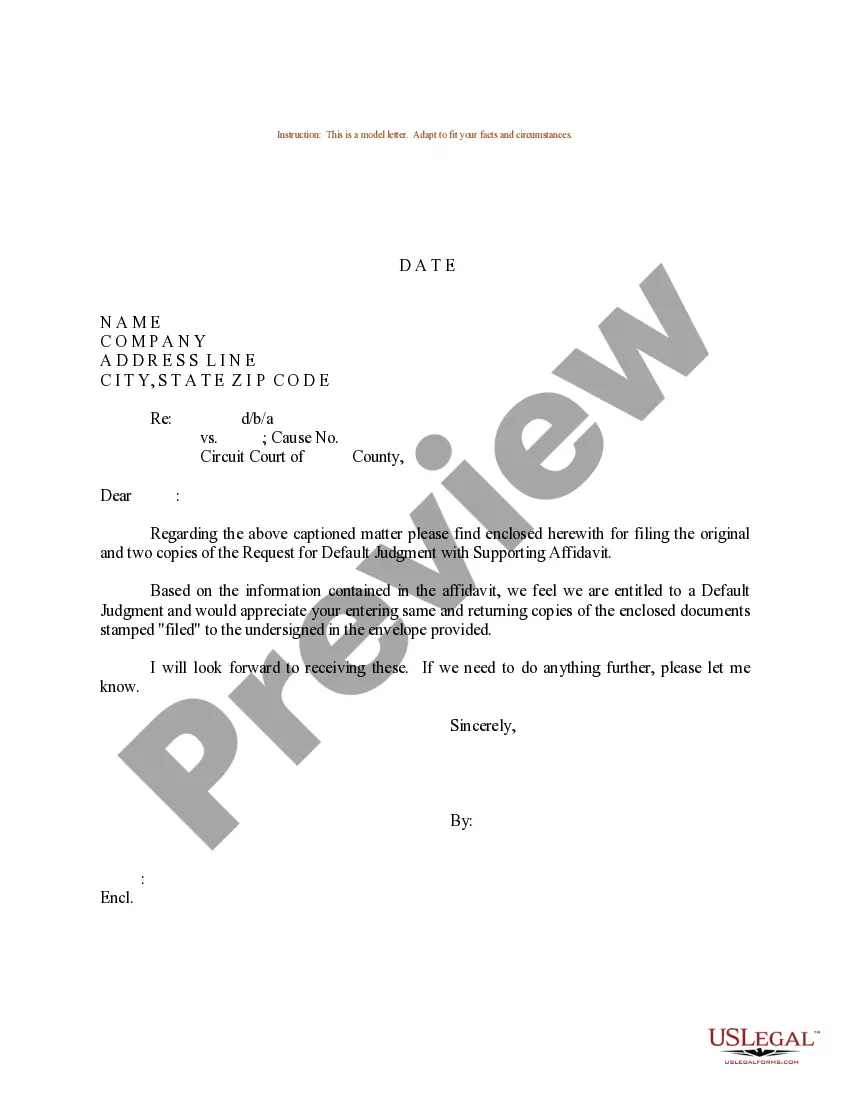
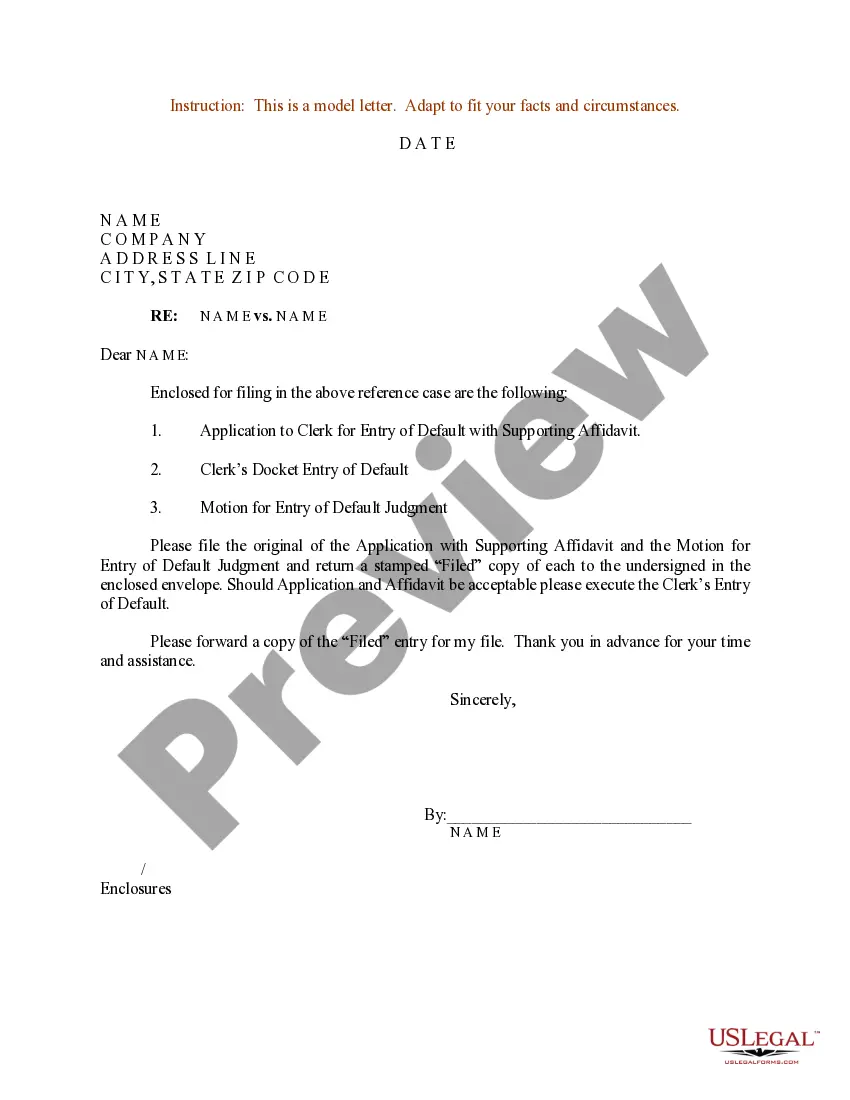
Request For Default Prove Up Hearing In Pima
Description
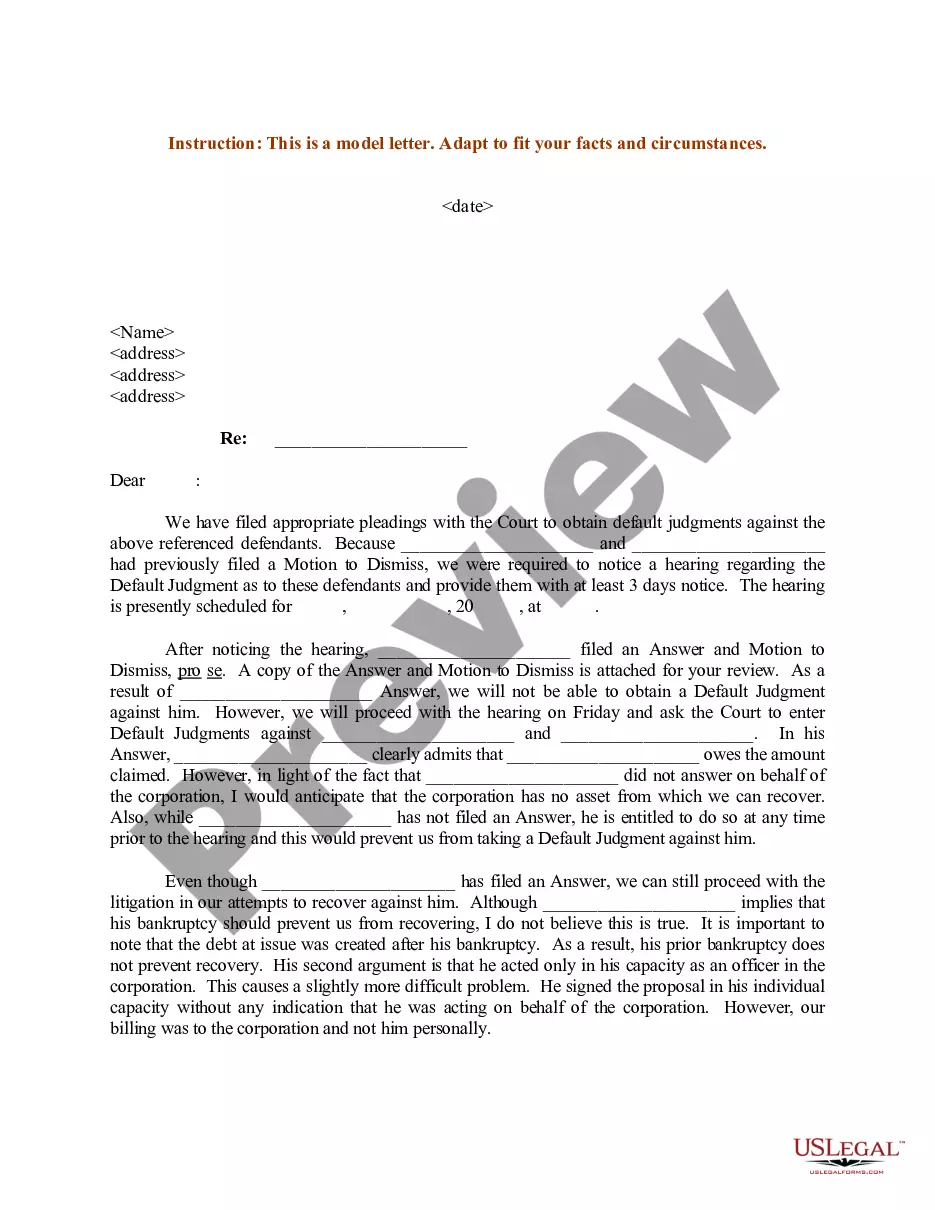
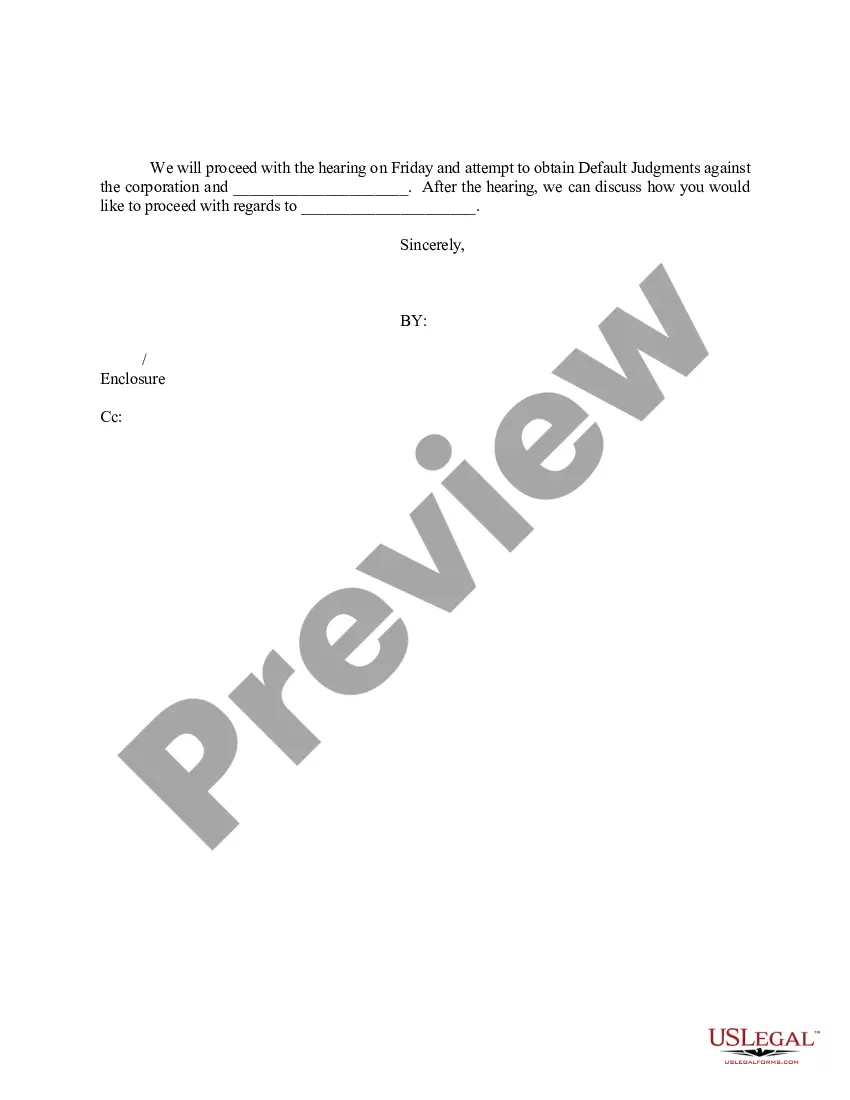
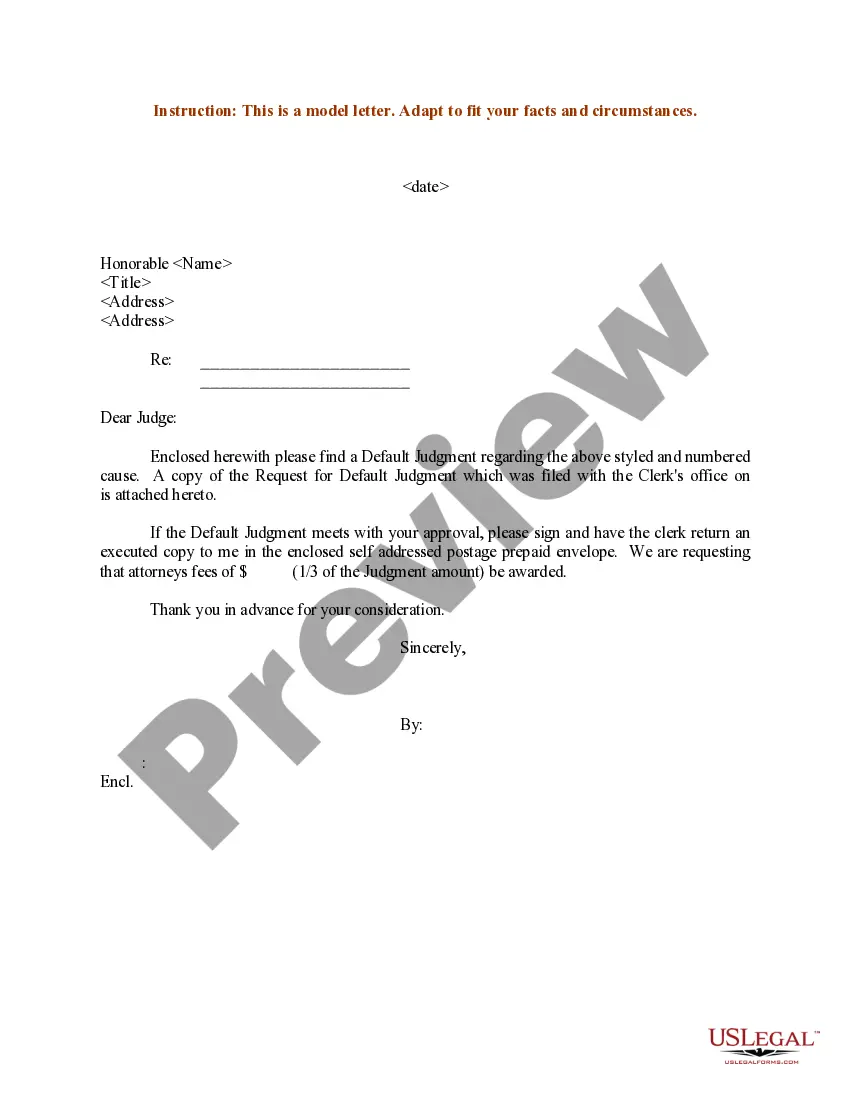
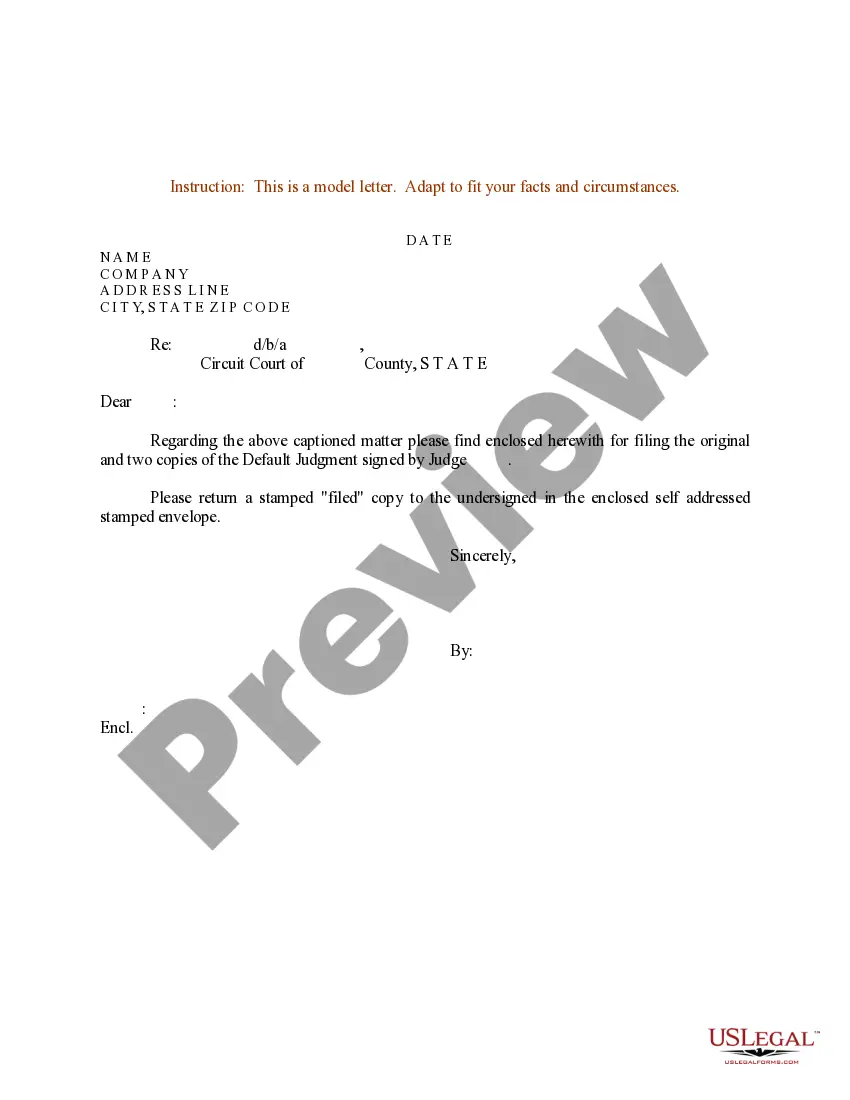
Get your form ready online
Our built-in tools help you complete, sign, share, and store your documents in one place.
Make edits, fill in missing information, and update formatting in US Legal Forms—just like you would in MS Word.
Download a copy, print it, send it by email, or mail it via USPS—whatever works best for your next step.
Sign and collect signatures with our SignNow integration. Send to multiple recipients, set reminders, and more. Go Premium to unlock E-Sign.
If this form requires notarization, complete it online through a secure video call—no need to meet a notary in person or wait for an appointment.
We protect your documents and personal data by following strict security and privacy standards.

Make edits, fill in missing information, and update formatting in US Legal Forms—just like you would in MS Word.

Download a copy, print it, send it by email, or mail it via USPS—whatever works best for your next step.

Sign and collect signatures with our SignNow integration. Send to multiple recipients, set reminders, and more. Go Premium to unlock E-Sign.

If this form requires notarization, complete it online through a secure video call—no need to meet a notary in person or wait for an appointment.

We protect your documents and personal data by following strict security and privacy standards.
Looking for another form?


Form popularity
FAQ
Statutory time limits: Non-publication dissolution cases require 60 days after service and 10 court days after filing the Application and Affidavit of Default, whichever date is later.
At the hearing, the judge will decide to grant or deny the motion. If the judge grants your motion, the default or a default judgment will be set aside, and the case will move forward.
up hearing in Texas is a court proceeding where the plaintiff presents evidence to prove their case, usually in uncontested matters or when seeking a default judgment.
A default hearing can be scheduled by calling 602-372-3332. In order to determine if your case is ready for a default hearing, please make sure that you have completed the Default Screening Checklist and have it available when you schedule your hearing.
A default judgment may be entered against the State of Arizona or one of its officers or agencies only if, after a hearing, the claimant establishes a claim or right to relief by evidence that satisfies the court. (e)Plaintiffs, Counterclaimants, and Cross-claimants.
You have four main options to deal with a default judgment: Accept the judgment. Settle the judgment for less. Challenge the judgment. Pursue debt relief.
up hearing in Texas is a court proceeding where the plaintiff presents evidence to prove their case, usually in uncontested matters or when seeking a default judgment.
Rule 55 - Default; Default Judgment (a)Entering a Default (1)Generally. If a party against whom a judgment for affirmative relief is sought has failed to plead or otherwise defend as provided in these rules, default may be obtained under the procedures set forth in this rule.
A default hearing can be scheduled by calling 602-372-3332. In order to determine if your case is ready for a default hearing, please make sure that you have completed the Default Screening Checklist and have it available when you schedule your hearing.
In Arizona, a judgment is initially effective for ten years after the date of its entry, and execution must be accomplished within that period.
