Letter Requesting Motion To Vacate Order Of Default Form In Pennsylvania
Description

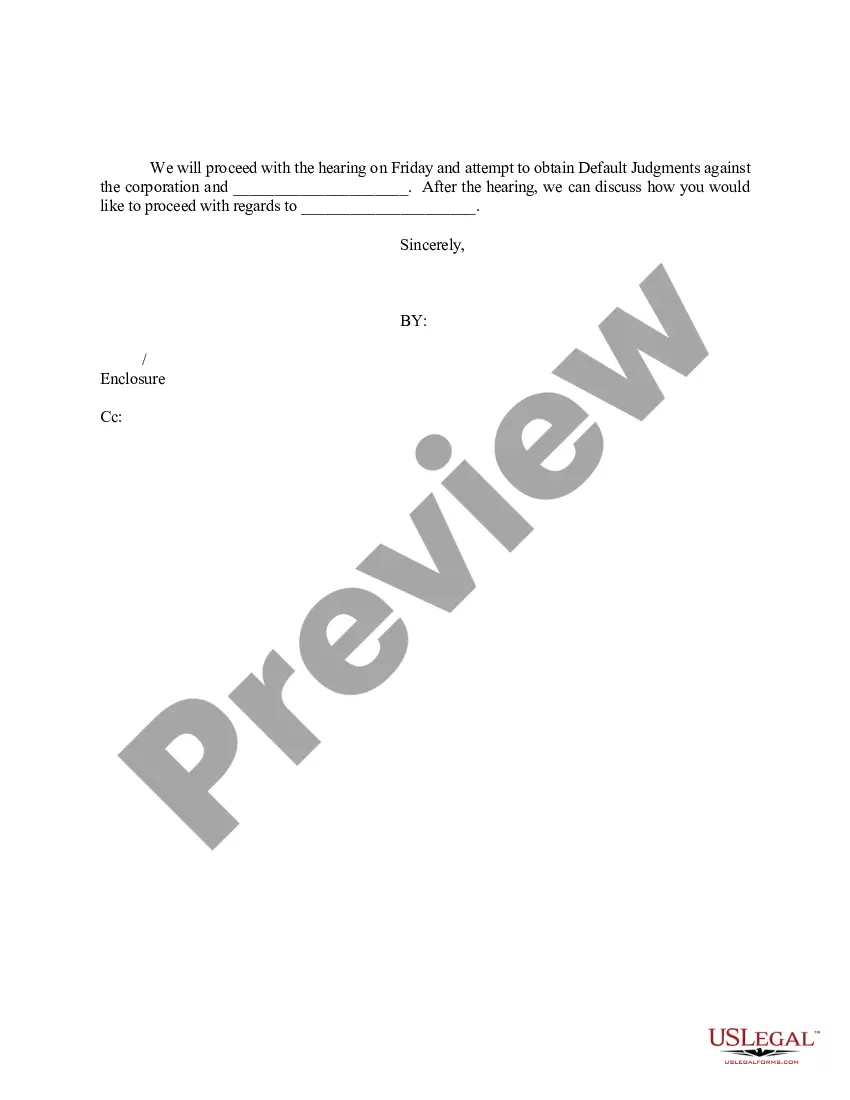
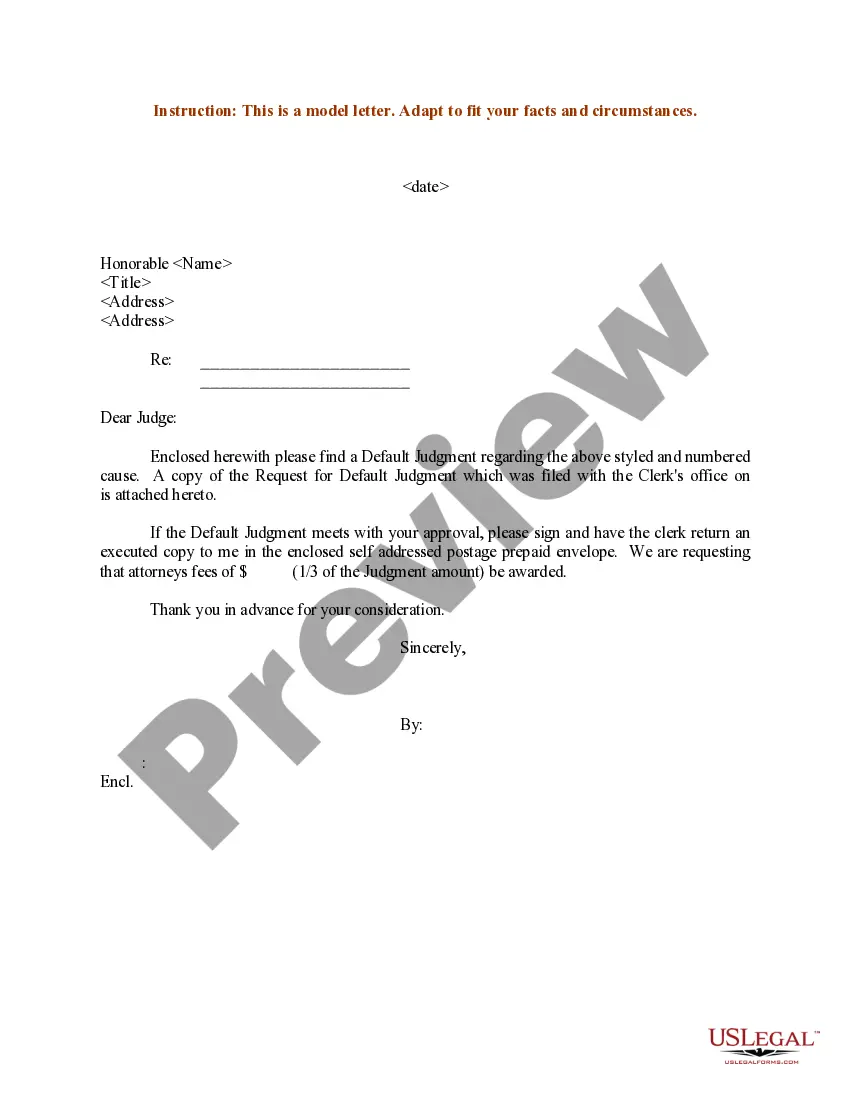
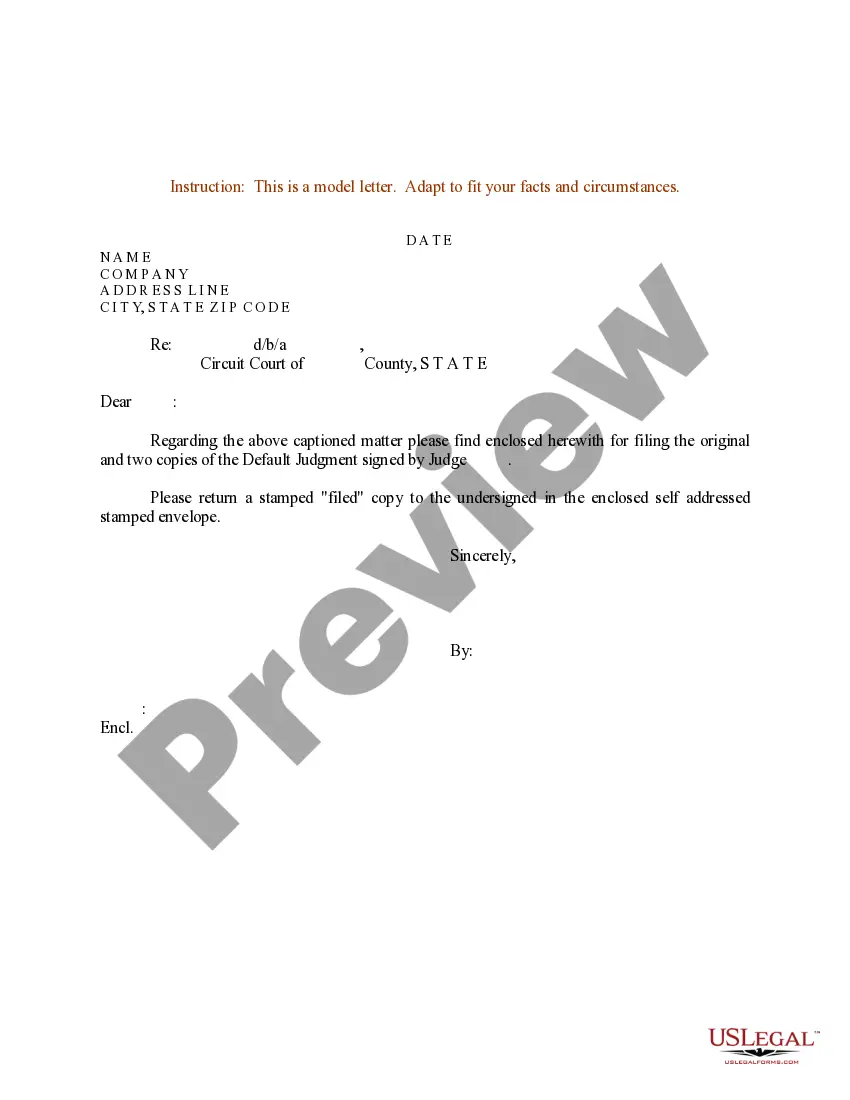
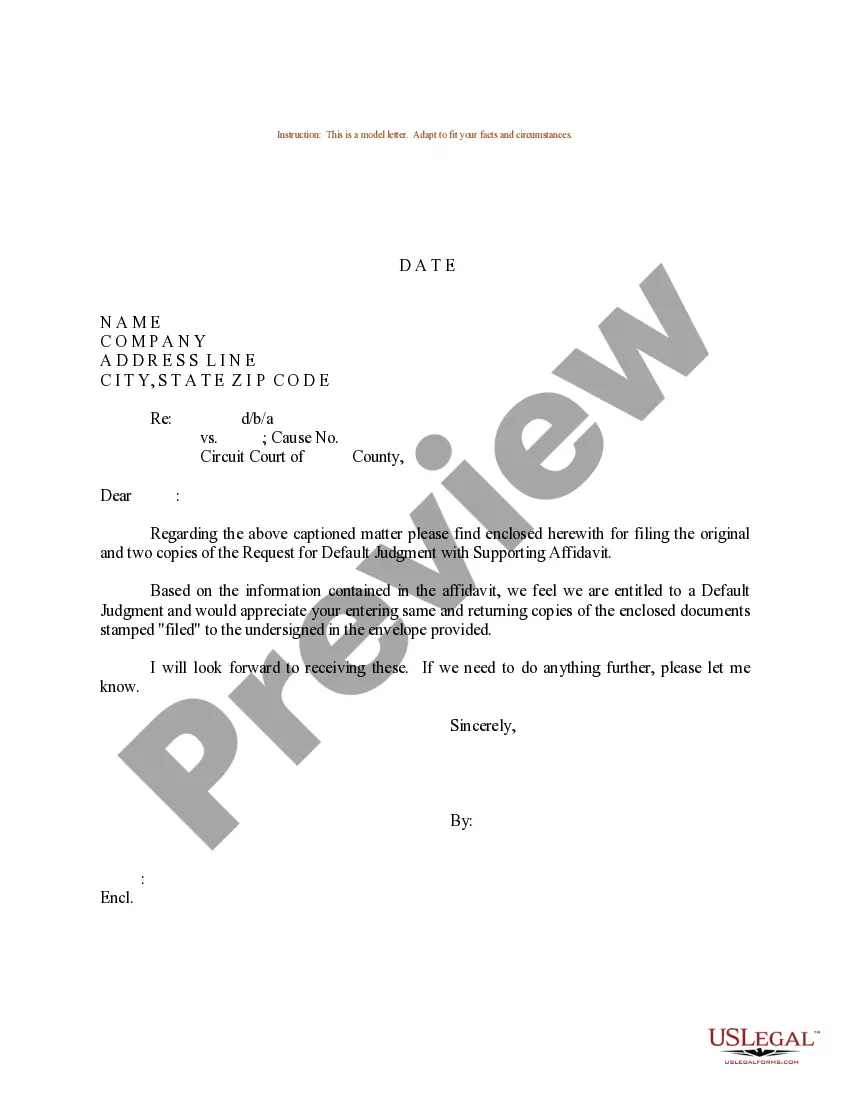
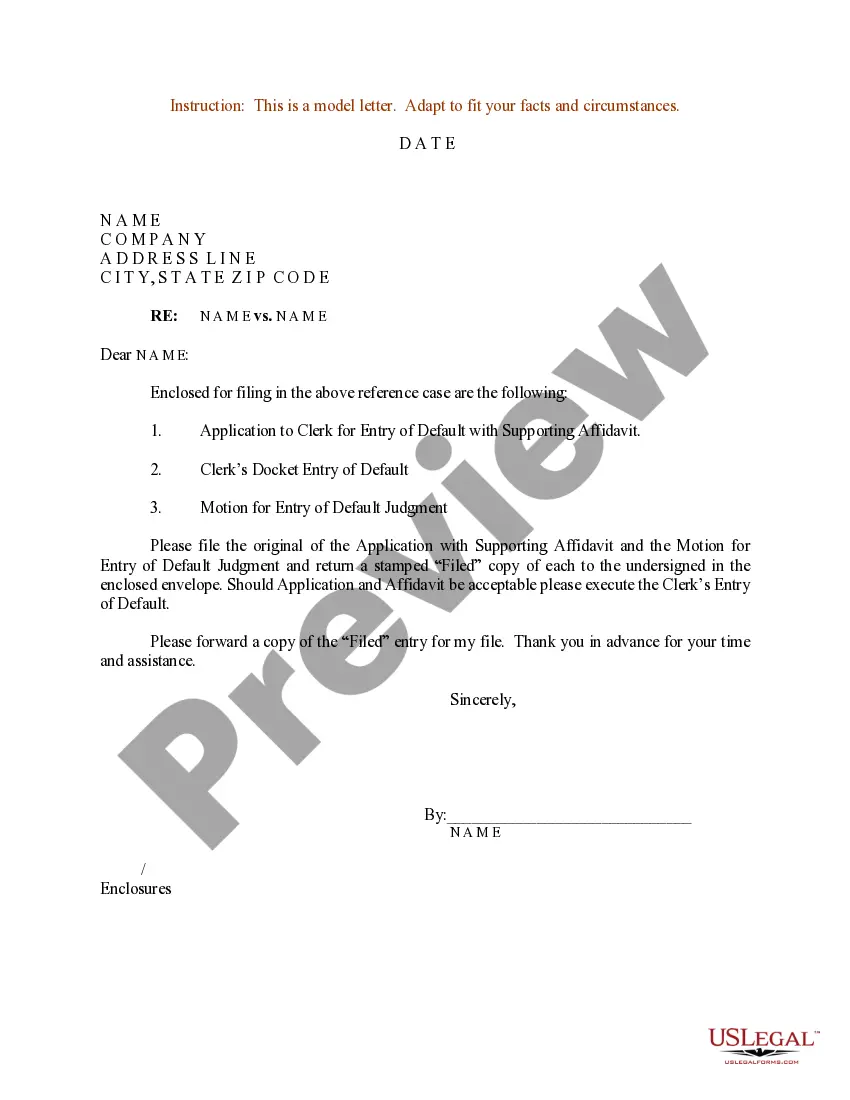
Get your form ready online
Our built-in tools help you complete, sign, share, and store your documents in one place.
Make edits, fill in missing information, and update formatting in US Legal Forms—just like you would in MS Word.
Download a copy, print it, send it by email, or mail it via USPS—whatever works best for your next step.
Sign and collect signatures with our SignNow integration. Send to multiple recipients, set reminders, and more. Go Premium to unlock E-Sign.
If this form requires notarization, complete it online through a secure video call—no need to meet a notary in person or wait for an appointment.
We protect your documents and personal data by following strict security and privacy standards.

Make edits, fill in missing information, and update formatting in US Legal Forms—just like you would in MS Word.

Download a copy, print it, send it by email, or mail it via USPS—whatever works best for your next step.

Sign and collect signatures with our SignNow integration. Send to multiple recipients, set reminders, and more. Go Premium to unlock E-Sign.

If this form requires notarization, complete it online through a secure video call—no need to meet a notary in person or wait for an appointment.

We protect your documents and personal data by following strict security and privacy standards.
Looking for another form?





Form popularity
FAQ
The default notice acts as a formal warning, allowing the homeowner the chance to address and rectify the situation. Upon receiving a notice of default, homeowners should immediately contact their lender, explore refinancing options, and consider seeking legal counsel.
If the defendant didn't file a response by the deadline, you can ask the court to enter a default. A default ends the defendant's chance to file a response because the defendant has not responded in time. You must ask for a default within 10 days of the defendant missing the deadline to respond.
A defendant can challenge the entry of default by filing a motion pursuant to Federal Rule of Civil Procedure 55(c), which allows the court to set it aside for “good cause” shown. Under certain circumstances, the court is required to do so.
This involves: Filing a Motion: Submit a formal motion to the court requesting that the default be overturned. Providing a Reason: Explain why you failed to respond and provide evidence supporting your claim. Demonstrating a Defense: Show that you have a valid defense to the plaintiff's claims.
If you do not think the default judgment was appropriately entered against you, you must file a motion with the court asking the judge to “set aside” (void or nullify) the judgment. If the judge grants your motion, the case starts back up again.
If you don't file an Answer or you miss a court date, the party suing you will ask the court for a default judgment against you. You can ask the court to vacate (undo) the default judgment. If the judgment is vacated and the case is put back on the court's calendar and the case will continue.
The Court may enter an order allowing the Sheriff to take other action against you, including, for example, directing the seizure or sale of your personal property, contents of your home or office, automobiles, non-publicly traded stocks and interests in partnerships and limited liability companies, seizure of rent or ...
A “set aside” in simple terms means that a court vacates or voids a prior order, as if the order never existed. Before a court will “set aside” a judgment or order, there must be a clear statutory basis for the set aside, and facts that warrant the order vacated.
Code r. 1037. Rule 1037 - Judgment Upon Default or Admission (a) If an action is not commenced by a complaint, the prothonotary, upon praecipe of the defendant, shall enter a rule upon the plaintiff to file a complaint.
