Default Prove Up Hearing With Attorney In North Carolina
Description
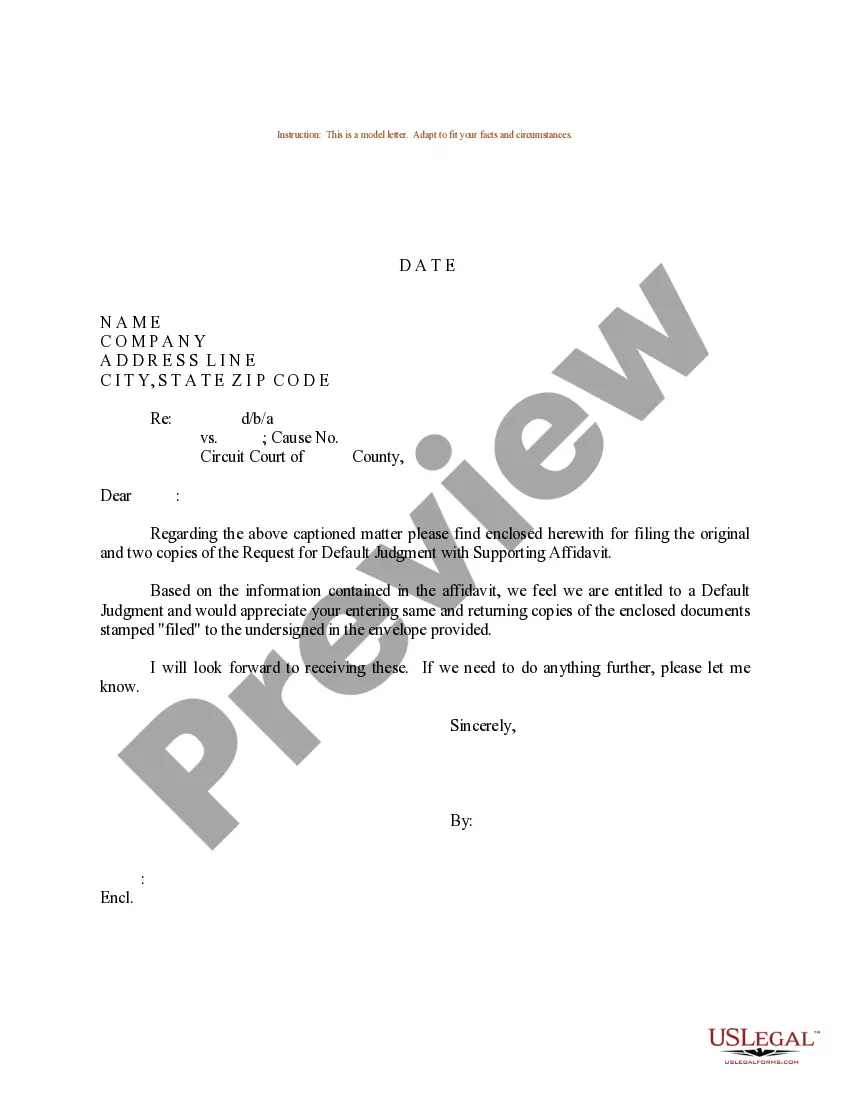
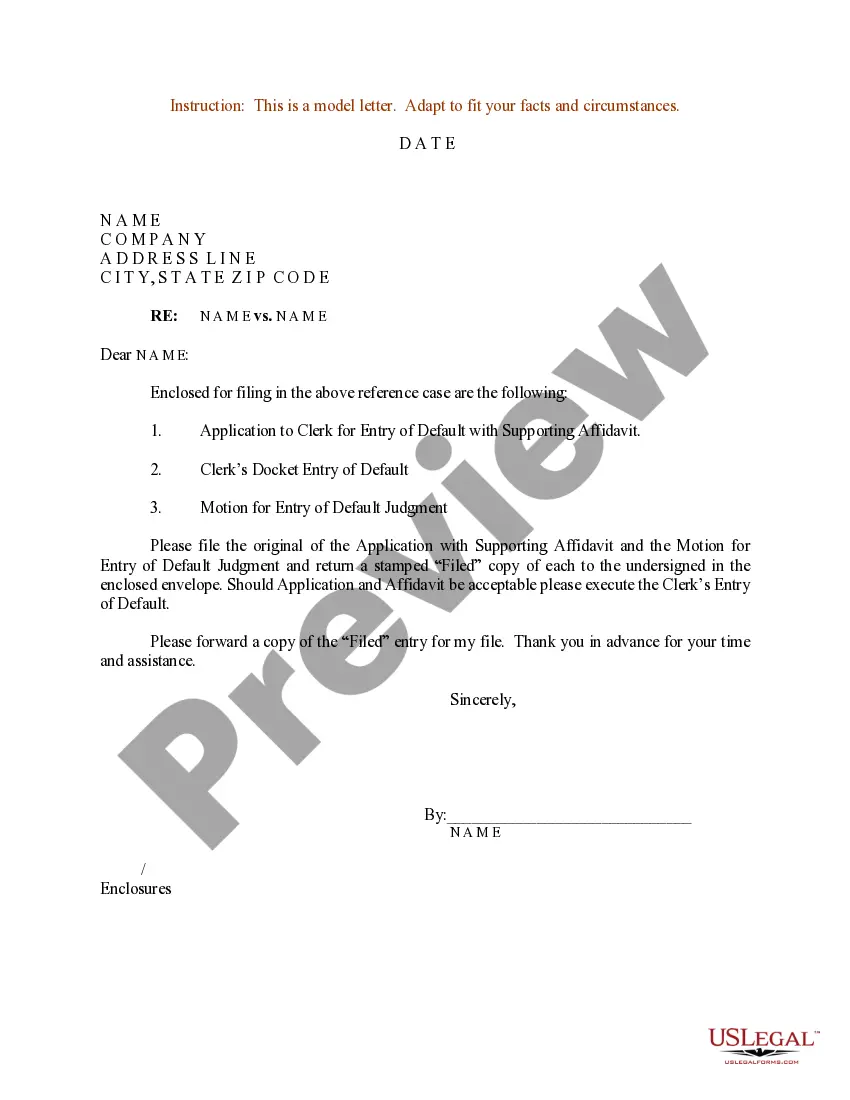
Get your form ready online
Our built-in tools help you complete, sign, share, and store your documents in one place.
Make edits, fill in missing information, and update formatting in US Legal Forms—just like you would in MS Word.
Download a copy, print it, send it by email, or mail it via USPS—whatever works best for your next step.
Sign and collect signatures with our SignNow integration. Send to multiple recipients, set reminders, and more. Go Premium to unlock E-Sign.
If this form requires notarization, complete it online through a secure video call—no need to meet a notary in person or wait for an appointment.
We protect your documents and personal data by following strict security and privacy standards.

Make edits, fill in missing information, and update formatting in US Legal Forms—just like you would in MS Word.

Download a copy, print it, send it by email, or mail it via USPS—whatever works best for your next step.

Sign and collect signatures with our SignNow integration. Send to multiple recipients, set reminders, and more. Go Premium to unlock E-Sign.

If this form requires notarization, complete it online through a secure video call—no need to meet a notary in person or wait for an appointment.

We protect your documents and personal data by following strict security and privacy standards.
Looking for another form?









Form popularity
FAQ
North Carolina Legal Age Laws: At a Glance Automatic emancipation occurs upon marriage or becoming 18 (N.C.G.S. § 7B-3500 et seq.) A minor age 16 or older may also petition the court for emancipation (N.C.G.S. § 7B-3500 et seq.)
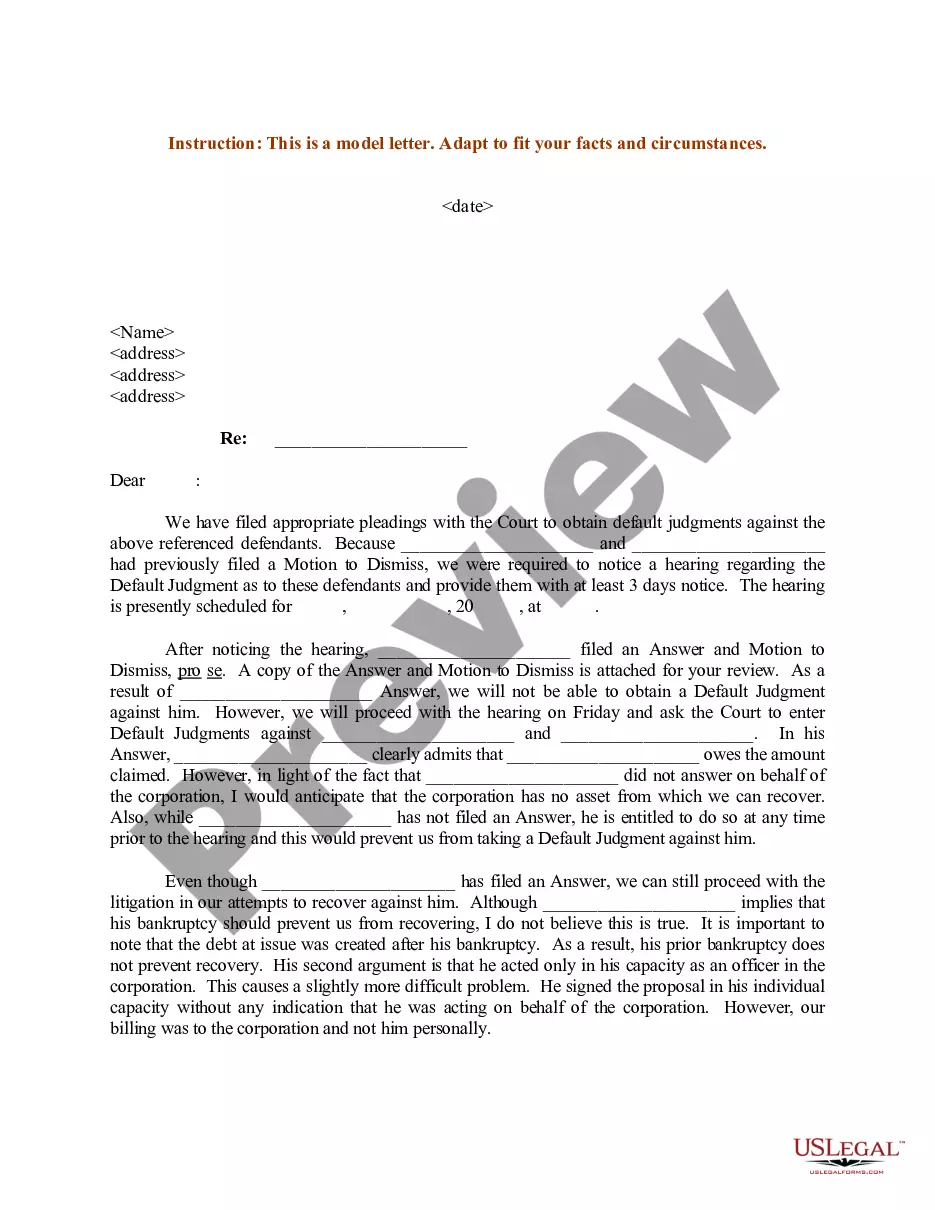
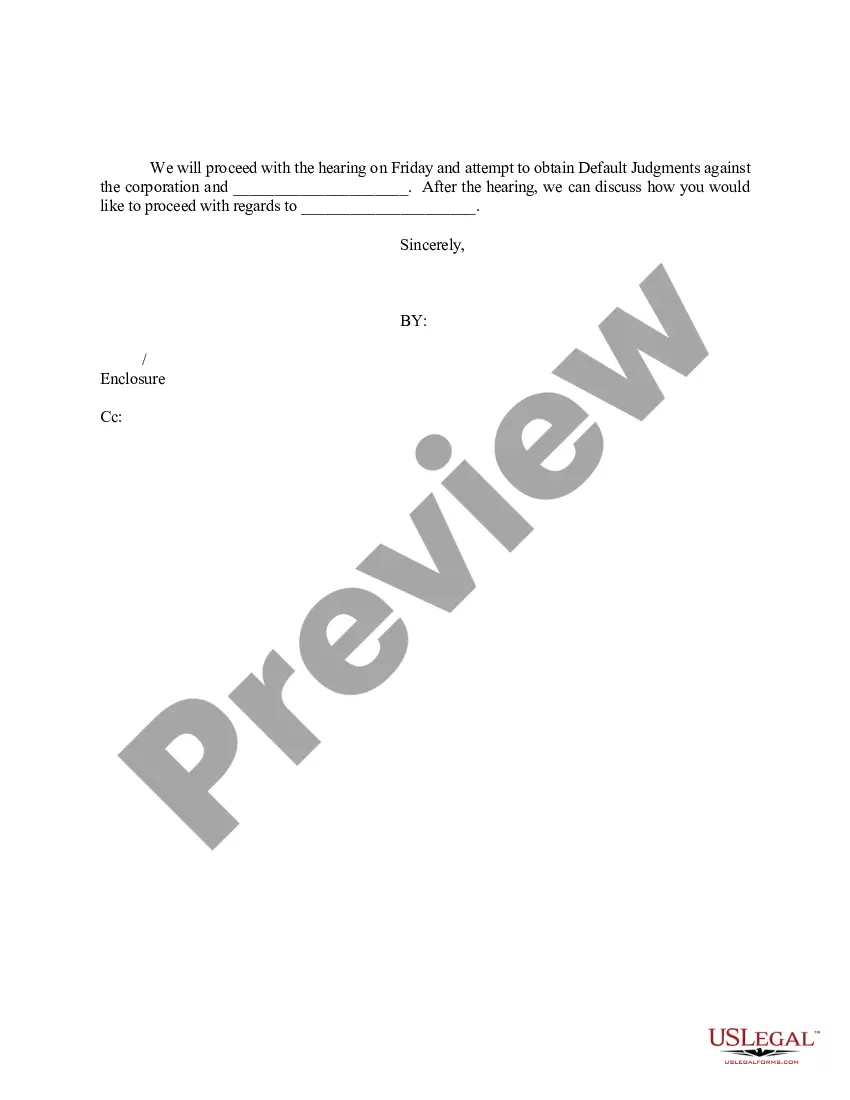
A default prove up is essentially a short court hearing where the individual seeking the divorce presents evidence to the judge. This is necessary because, in a default situation, the judgment is submitted without the agreement or participation of the other spouse.
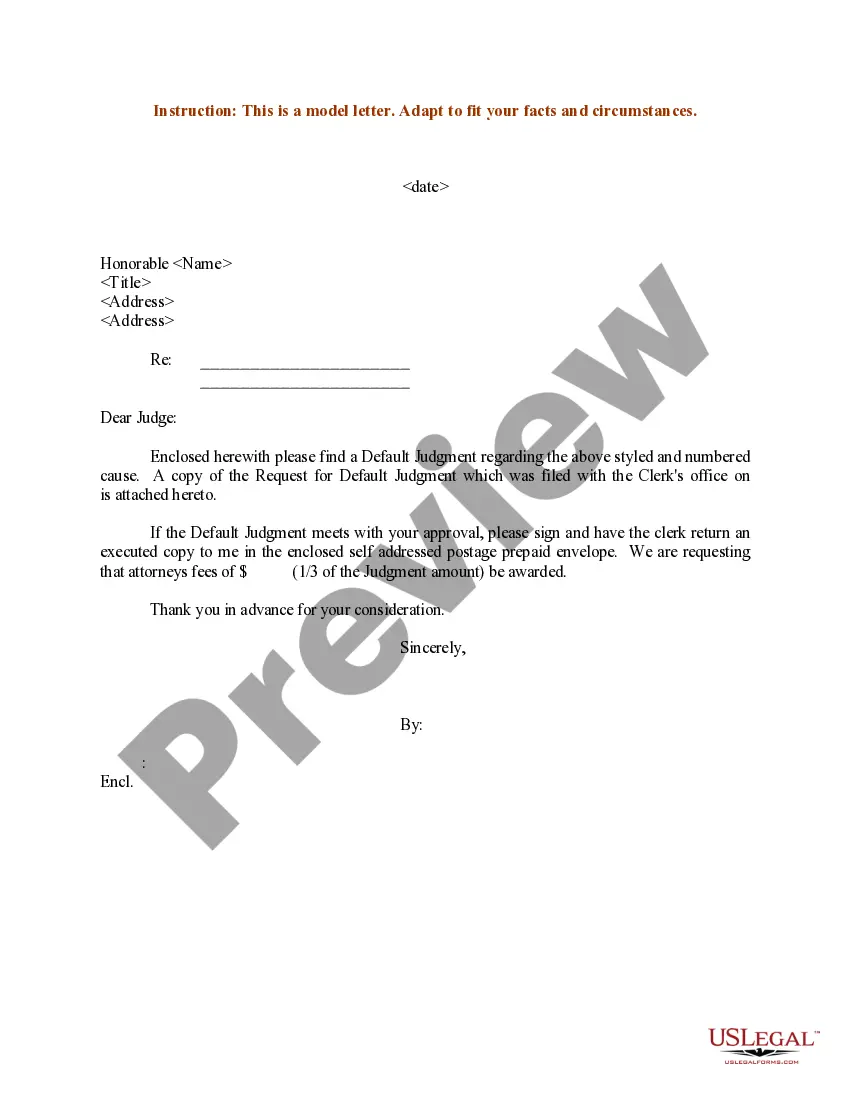
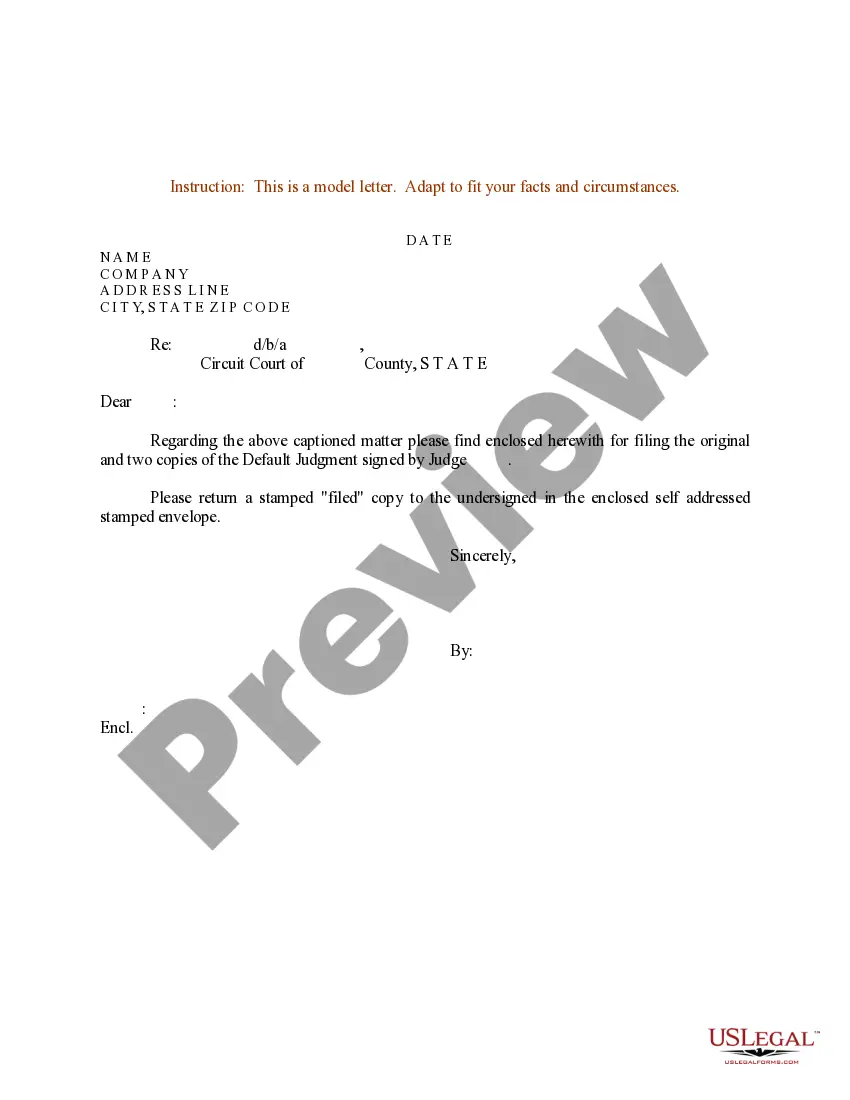
Default. (a) Entry . When a party against whom a judgment for affirmative relief is sought has failed to plead or otherwise defend as provided by these rules and that fact is made to appear by affidavit or otherwise, the clerk shall enter the party's default.
Judgment: During the default hearing, the petitioner presents their case, providing evidence to support their claims. The judge evaluates the evidence and considers the petitioner's arguments.
Rule 55 provides: If, in order to enable the judge to enter judgment or to carry it into effect, it is necessary to take an account or to determine the amount of damages or to establish the truth of any averment by evidence or to take an investigation of any other matter, the judge may conduct such hearings or order ...
To stop the entry of a default or default judgment before it is entered, one generally has to file something in court. This can be an Answer, a Motion to Extend Time, a Motion to Quash Service of Process, or perhaps others. A motion will likely interrupt entry of a default, but a motion is merely a request.
Rule 55. – When a party against whom a judgment for affirmative relief is sought has failed to plead or is otherwise subject to default judgment as provided by these rules or by statute and that fact is made to appear by affidavit, motion of attorney for the plaintiff, or otherwise, the clerk shall enter his default.
A judgment will be effective for 10 years after rendered by the court and may be renewed.
If you want a court-appointed attorney, you may need to give the court information under oath about your income and expenses, so that the judge can determine whether you can afford to hire an attorney. Depending on your county, you may be appointed a public defender or a private attorney from an appointment list.
If you do not timely respond or contact the plaintiff's counsel, the plaintiff may move for entry of default and default judgment against you. If that judgment is obtained, the defendant may receive a “Notice of Right to Designate Exemptions,” which begins the process of attempting to collect the judgment against you.
