Letter Requesting Motion To Vacate Order Of Default Without Notice In Nevada
Description
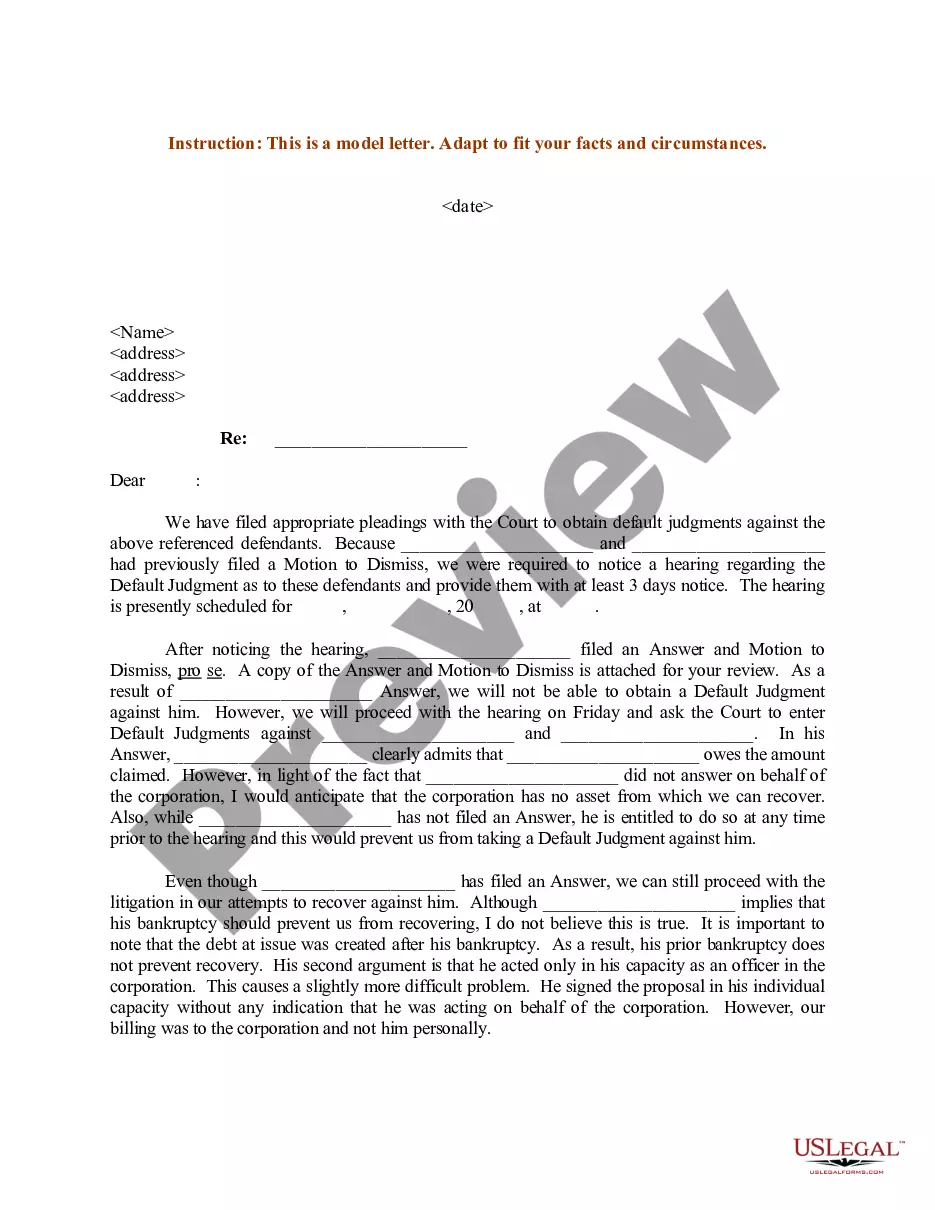
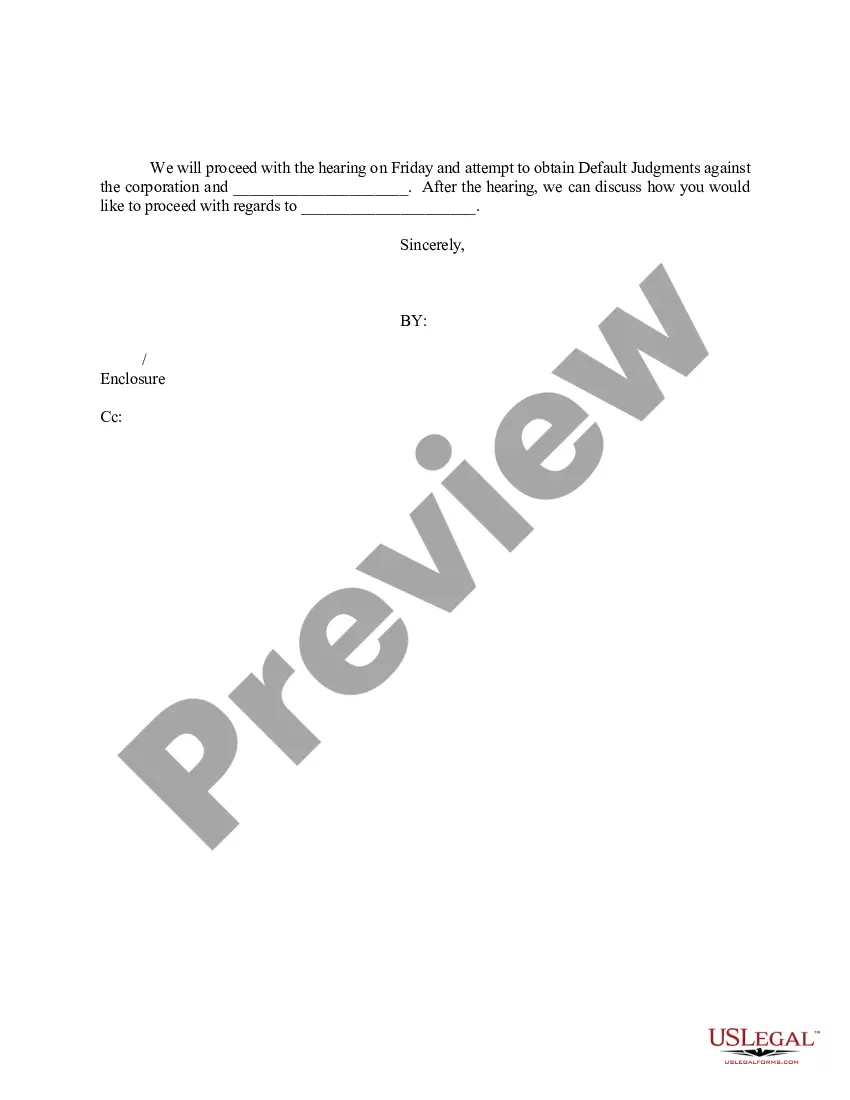
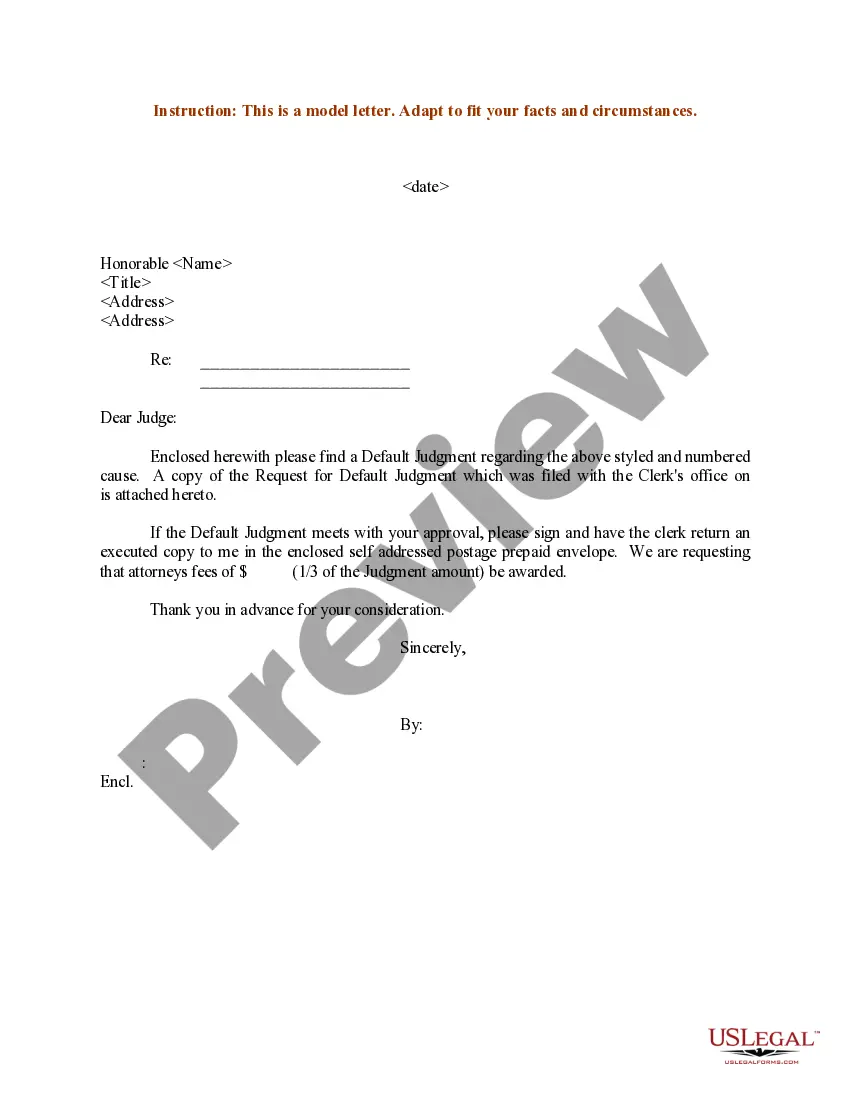
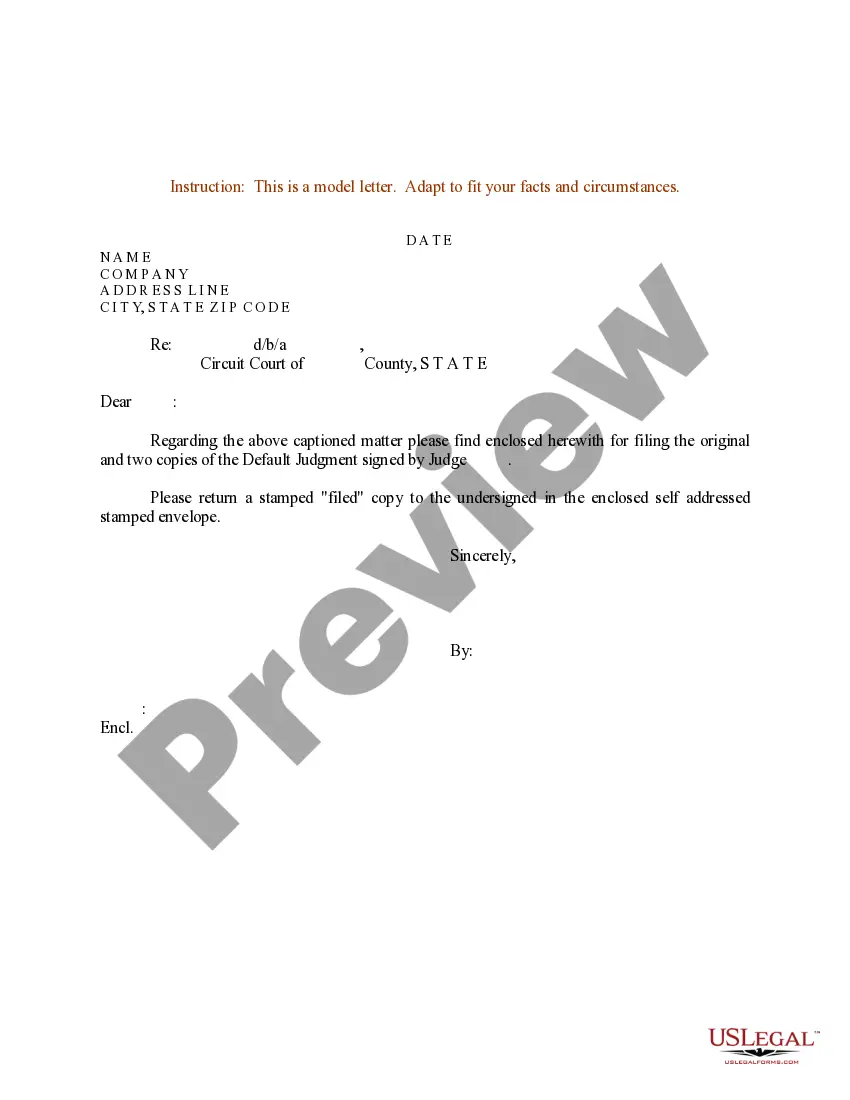
Get your form ready online
Our built-in tools help you complete, sign, share, and store your documents in one place.
Make edits, fill in missing information, and update formatting in US Legal Forms—just like you would in MS Word.
Download a copy, print it, send it by email, or mail it via USPS—whatever works best for your next step.
Sign and collect signatures with our SignNow integration. Send to multiple recipients, set reminders, and more. Go Premium to unlock E-Sign.
If this form requires notarization, complete it online through a secure video call—no need to meet a notary in person or wait for an appointment.
We protect your documents and personal data by following strict security and privacy standards.

Make edits, fill in missing information, and update formatting in US Legal Forms—just like you would in MS Word.

Download a copy, print it, send it by email, or mail it via USPS—whatever works best for your next step.

Sign and collect signatures with our SignNow integration. Send to multiple recipients, set reminders, and more. Go Premium to unlock E-Sign.

If this form requires notarization, complete it online through a secure video call—no need to meet a notary in person or wait for an appointment.

We protect your documents and personal data by following strict security and privacy standards.
Looking for another form?










Form popularity
FAQ
Federal Rule of Civil Procedure 68 allows a defendant to make an offer of judgment at any point at least 14 days before trial. After receiving the offer, the plaintiff then has a 14-day window to serve written notice accepting the offer.
Nevada Rule of Civil Procedure (NRCP) 68, provides that any party may serve an offer of judgment at least 10 days before trial. 1 An offer not accepted within 10 days is deemed rejected and withdrawn.
What is the Nevada 2-Hour Rule? The Nevada 2-Hour Rule states that a driver can face DUI charges if their BAC is determined to be above 0.08% within two hours of driving.
The Three Day Notice of Intent to Take Default (“3DN”) is commonly used in Nevada, particularly in the Eighth Judicial District, to notify an opposing attorney that a default will be entered if they do not immediately respond to a lawsuit.
A person can ask the court to undo (or "set aside") a default or a final order. This motion usually must be filed within 6 months of when the default or order was entered. There are only a few reasons why a judge might undo a default or an order.
Rule 68. Unless otherwise specified, an offer made under this rule is an offer to resolve all claims in the action between the parties to the date of the offer, including costs, expenses, interest and, if attorney fees are permitted by law or contract, attorney fees.
If the judge sets aside your default judgment, the case starts back up again. If you don't have a defense, the final result could ultimately be the same – you could lose and have a judgment against you.
On motion and upon such terms as are just, the court may relieve a party or party's legal representative from a final judgment, order, or proceeding for the following reasons: (1) mistake, inadvertence, surprise, or excusable neglect; (2) newly discovered evidence which by due diligence could not have been discovered ...
The Three Day Notice of Intent to Default in Nevada is a necessary notice prior to defaulting any party who has not responded to a lawsuit. At Rise Legal – Steve Dixon Law, our office has years of experience dealing with default judgments.
