Letter Requesting Motion To Vacate Order Of Default Form In Michigan
Description
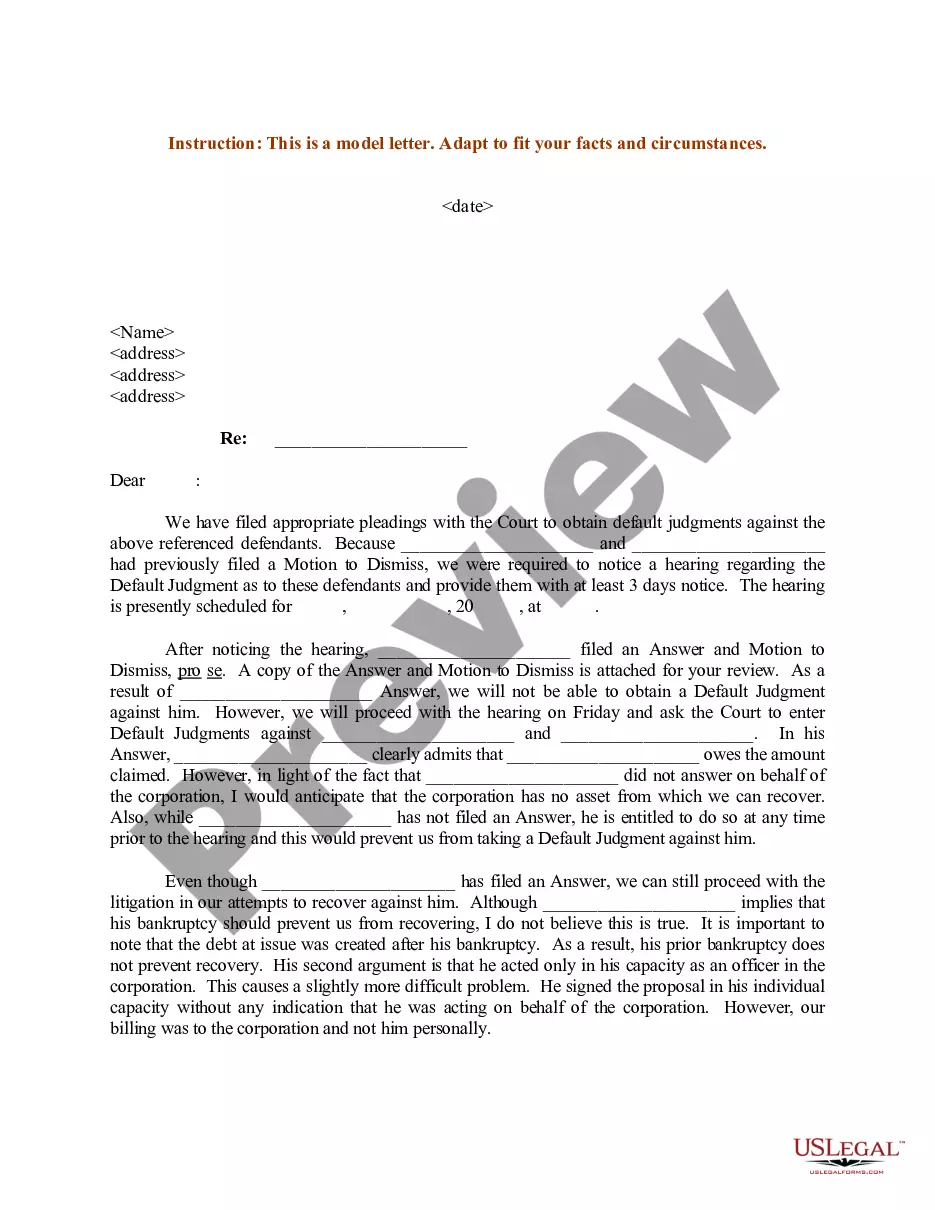
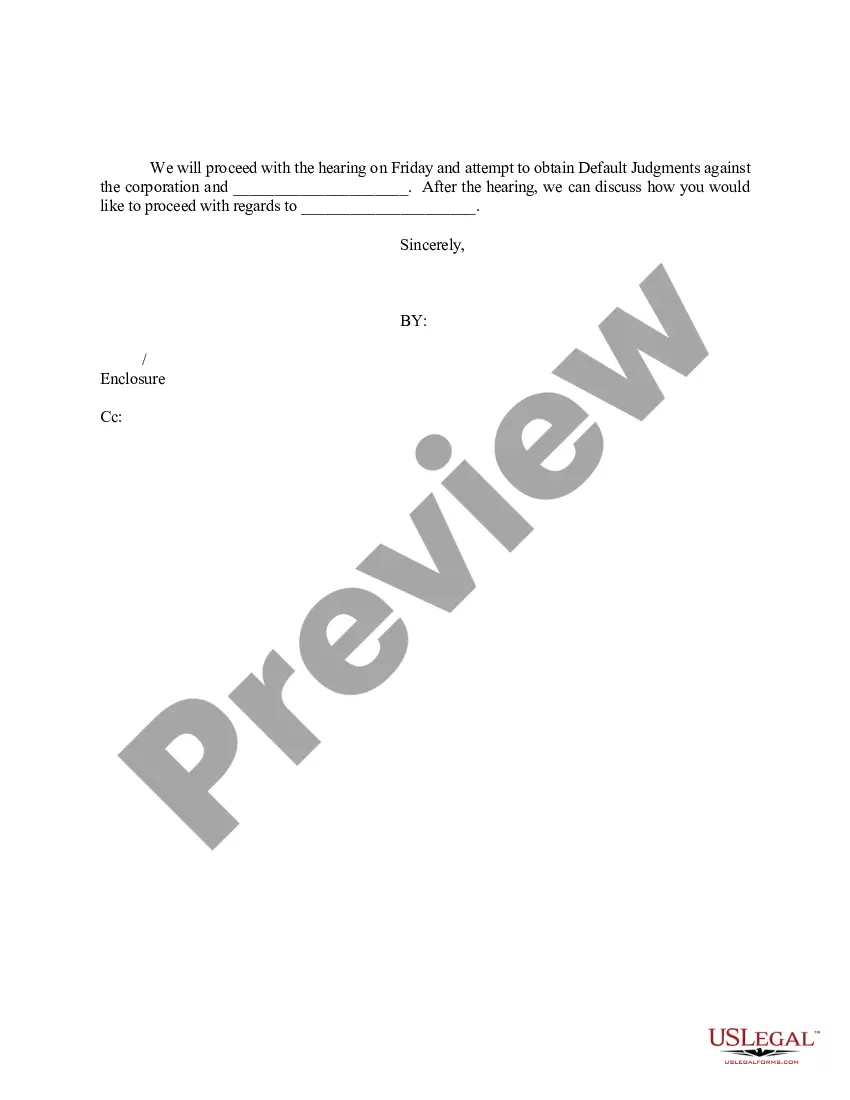
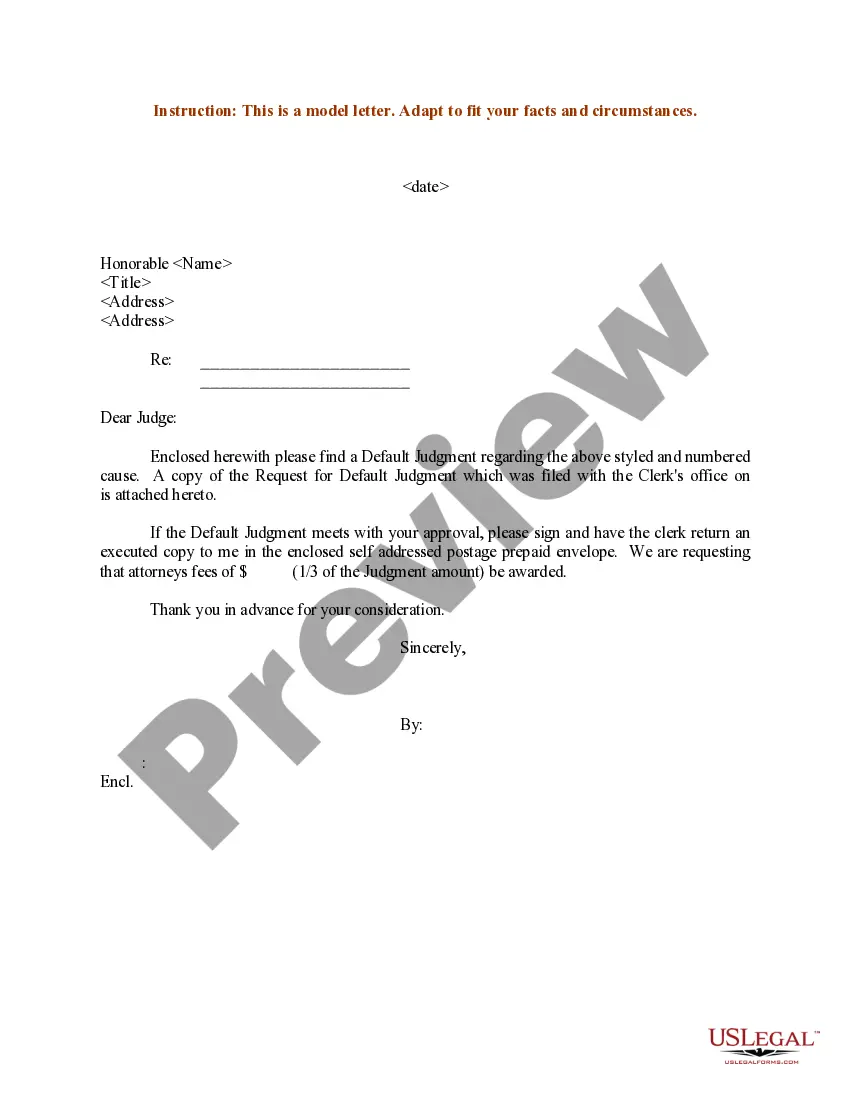
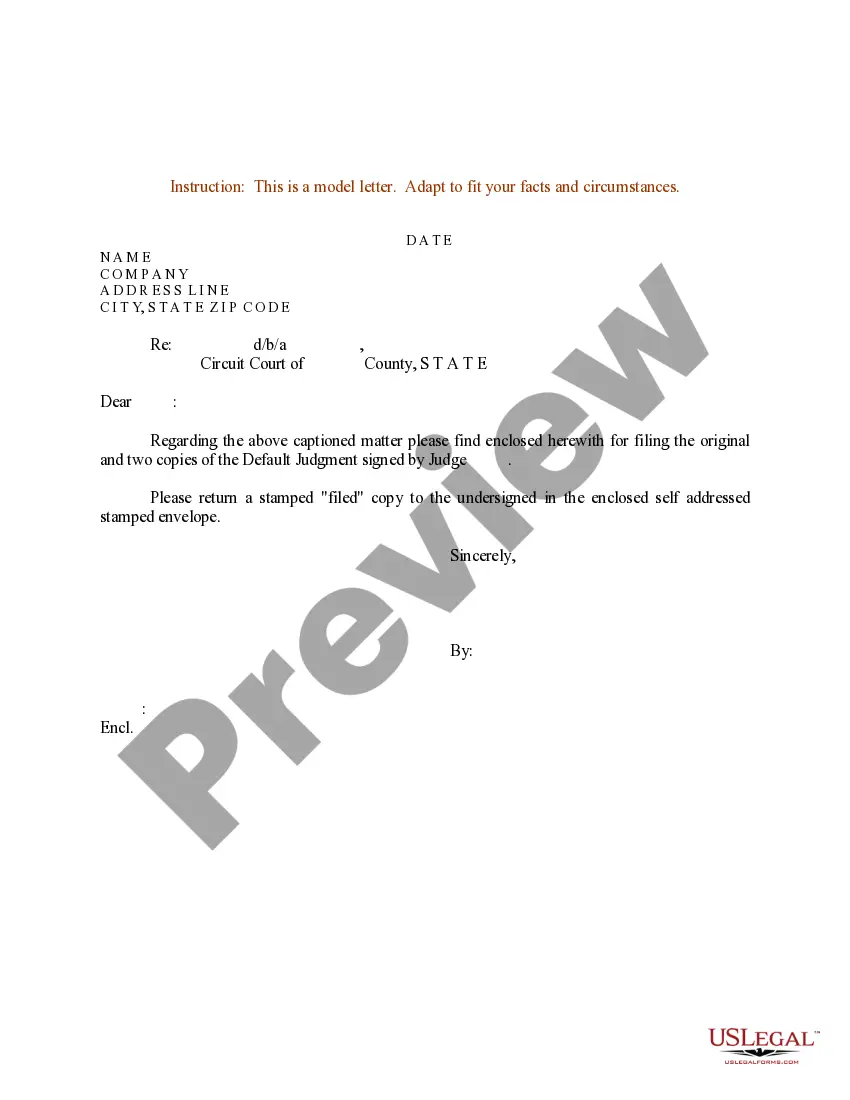
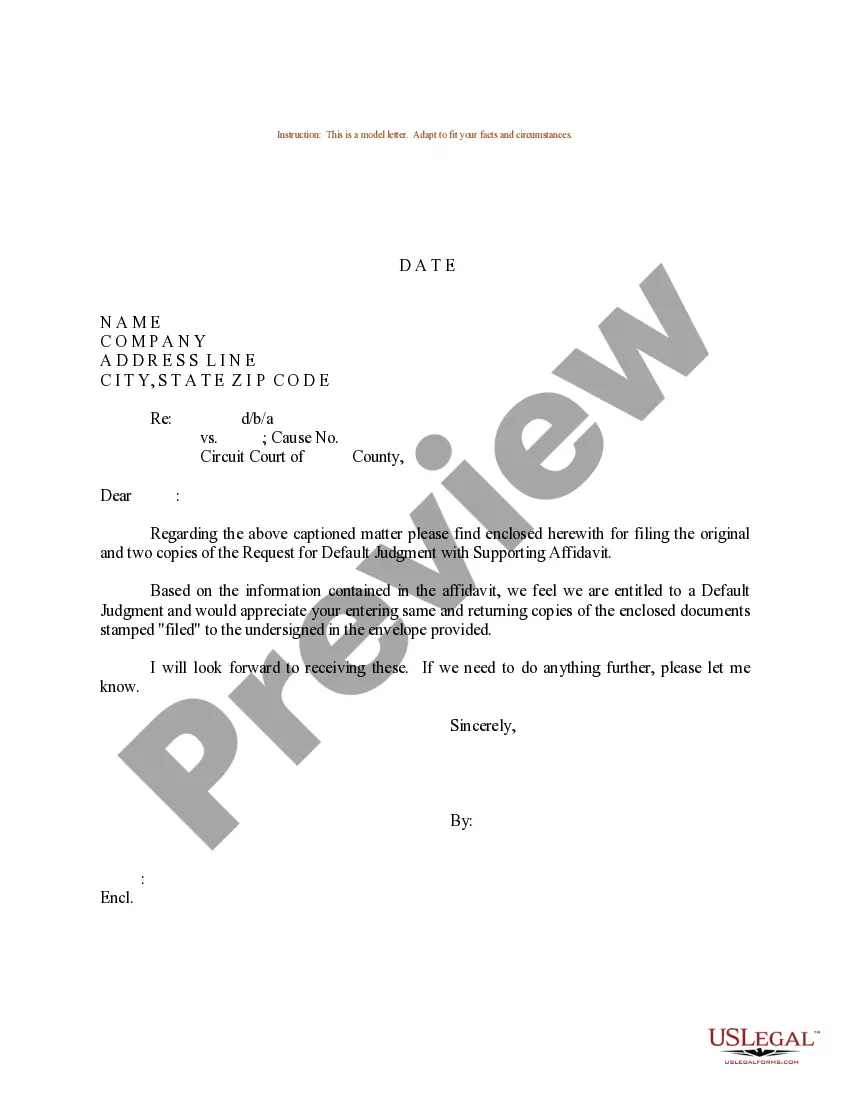
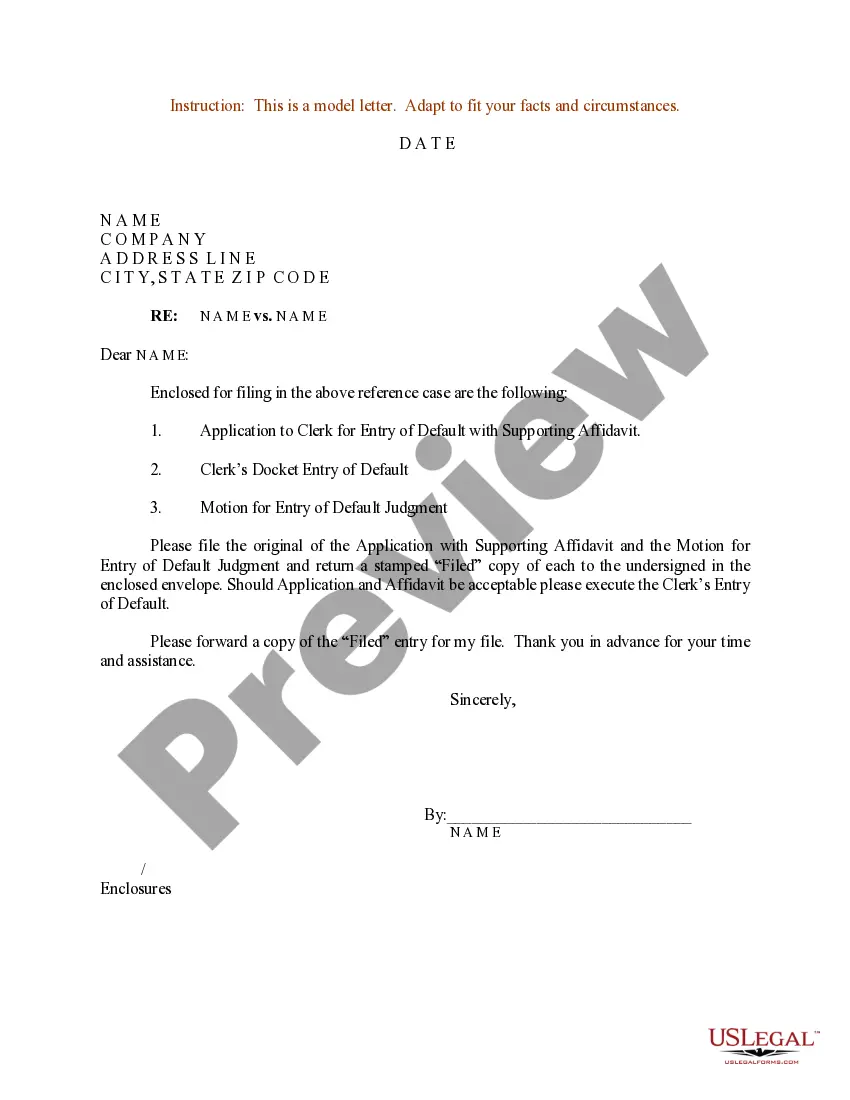
Get your form ready online
Our built-in tools help you complete, sign, share, and store your documents in one place.
Make edits, fill in missing information, and update formatting in US Legal Forms—just like you would in MS Word.
Download a copy, print it, send it by email, or mail it via USPS—whatever works best for your next step.
Sign and collect signatures with our SignNow integration. Send to multiple recipients, set reminders, and more. Go Premium to unlock E-Sign.
If this form requires notarization, complete it online through a secure video call—no need to meet a notary in person or wait for an appointment.
We protect your documents and personal data by following strict security and privacy standards.

Make edits, fill in missing information, and update formatting in US Legal Forms—just like you would in MS Word.

Download a copy, print it, send it by email, or mail it via USPS—whatever works best for your next step.

Sign and collect signatures with our SignNow integration. Send to multiple recipients, set reminders, and more. Go Premium to unlock E-Sign.

If this form requires notarization, complete it online through a secure video call—no need to meet a notary in person or wait for an appointment.

We protect your documents and personal data by following strict security and privacy standards.
Looking for another form?









Form popularity
FAQ
After obtaining the entry of default, the plaintiff then must file a motion for default judgment. This motion will typically include details of the claims, the amount of damages sought, and any supporting evidence. If the amount of damages are not certain in its face, the court will require evidence.
55(b)(1), it shall submit affidavits and other supporting documentation, as necessary, in order to establish (a) that the claim against the defaulting party is for a sum certain (or a sum which can, by computation, be made certain); (b) that the defaulting party is not an infant, an incompetent person, or in the ...
At the hearing, the judge will decide to grant or deny the motion. If the judge grants your motion, the default or a default judgment will be set aside, and the case will move forward.
(C) Grounds for Relief From Judgment. (1) On motion and on just terms, the court may relieve a party or the legal representative of a party from a final judgment, order, or proceeding on the following grounds: (a) Mistake, inadvertence, surprise, or excusable neglect.
(C) Grounds for Relief From Judgment. (1) On motion and on just terms, the court may relieve a party or the legal representative of a party from a final judgment, order, or proceeding on the following grounds: (a) Mistake, inadvertence, surprise, or excusable neglect.
After the court enters a default or a default judgment against you, you can't take any action in a case until you have it set aside.
File your Motion and the copies with the court clerk's office in the court where your case was heard. File a copy of the proposed order with your Motion. Contact your court to find out which filing methods are available. Depending on your court, you may be able to file electronically.
