Default Prove Up Hearing With California In Michigan
Description

Get your form ready online
Our built-in tools help you complete, sign, share, and store your documents in one place.
Make edits, fill in missing information, and update formatting in US Legal Forms—just like you would in MS Word.
Download a copy, print it, send it by email, or mail it via USPS—whatever works best for your next step.
Sign and collect signatures with our SignNow integration. Send to multiple recipients, set reminders, and more. Go Premium to unlock E-Sign.
If this form requires notarization, complete it online through a secure video call—no need to meet a notary in person or wait for an appointment.
We protect your documents and personal data by following strict security and privacy standards.

Make edits, fill in missing information, and update formatting in US Legal Forms—just like you would in MS Word.

Download a copy, print it, send it by email, or mail it via USPS—whatever works best for your next step.

Sign and collect signatures with our SignNow integration. Send to multiple recipients, set reminders, and more. Go Premium to unlock E-Sign.

If this form requires notarization, complete it online through a secure video call—no need to meet a notary in person or wait for an appointment.

We protect your documents and personal data by following strict security and privacy standards.
Looking for another form?







Form popularity
FAQ
Under CCP § 473(b), the court may set aside a default and default judgment if the defendant asking for the set aside presents enough evidence to the court to demonstrate that the default was entered by inadvertence, mistake, surprise, or excusable neglect.
If you are asking the judge to set aside your default judgment: Because of your mistake, inadvertence, surprise, or excusable neglect, you must file your motion within six months after service of written notice of entry of the judgment.
If you didn't get the papers that started the lawsuit (you weren't served) or you couldn't respond for a really good reason, like you were in the hospital or serving in the military, you may be able to cancel the default judgment and defend yourself.
To stop the entry of a default or default judgment before it is entered, one generally has to file something in court. This can be an Answer, a Motion to Extend Time, a Motion to Quash Service of Process, or perhaps others. A motion will likely interrupt entry of a default, but a motion is merely a request.
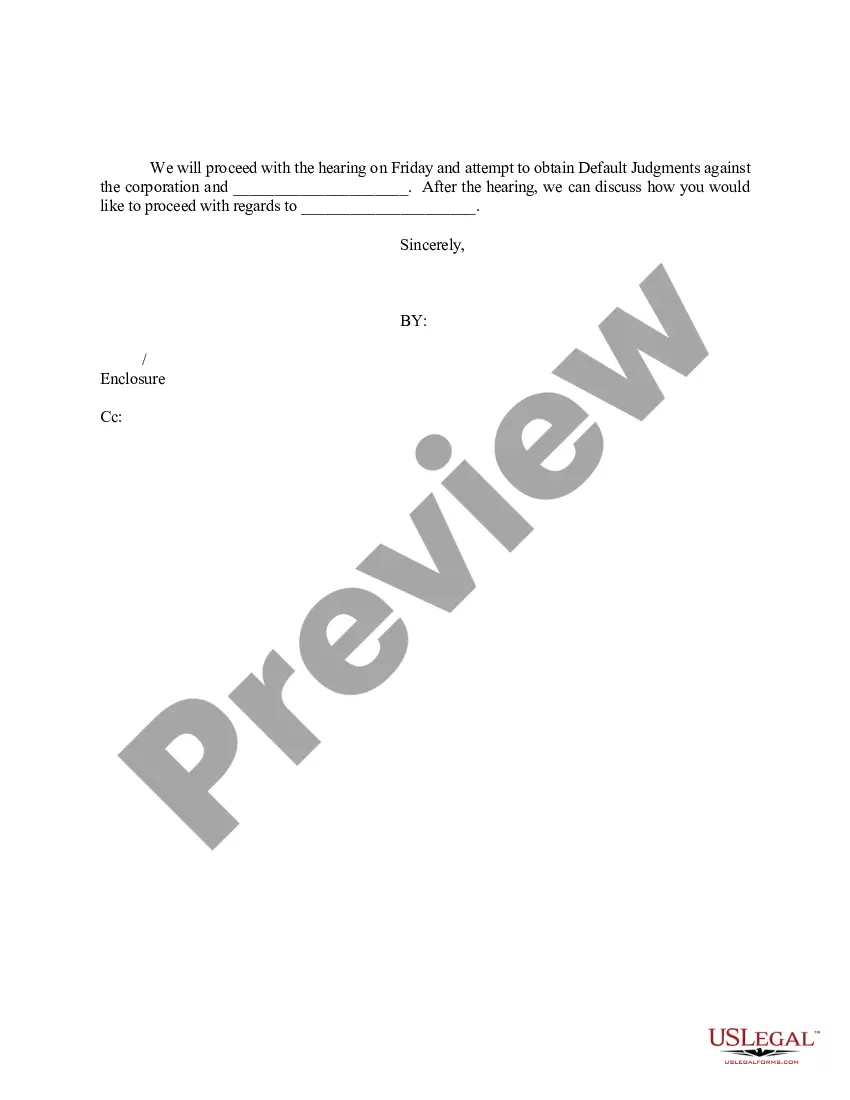
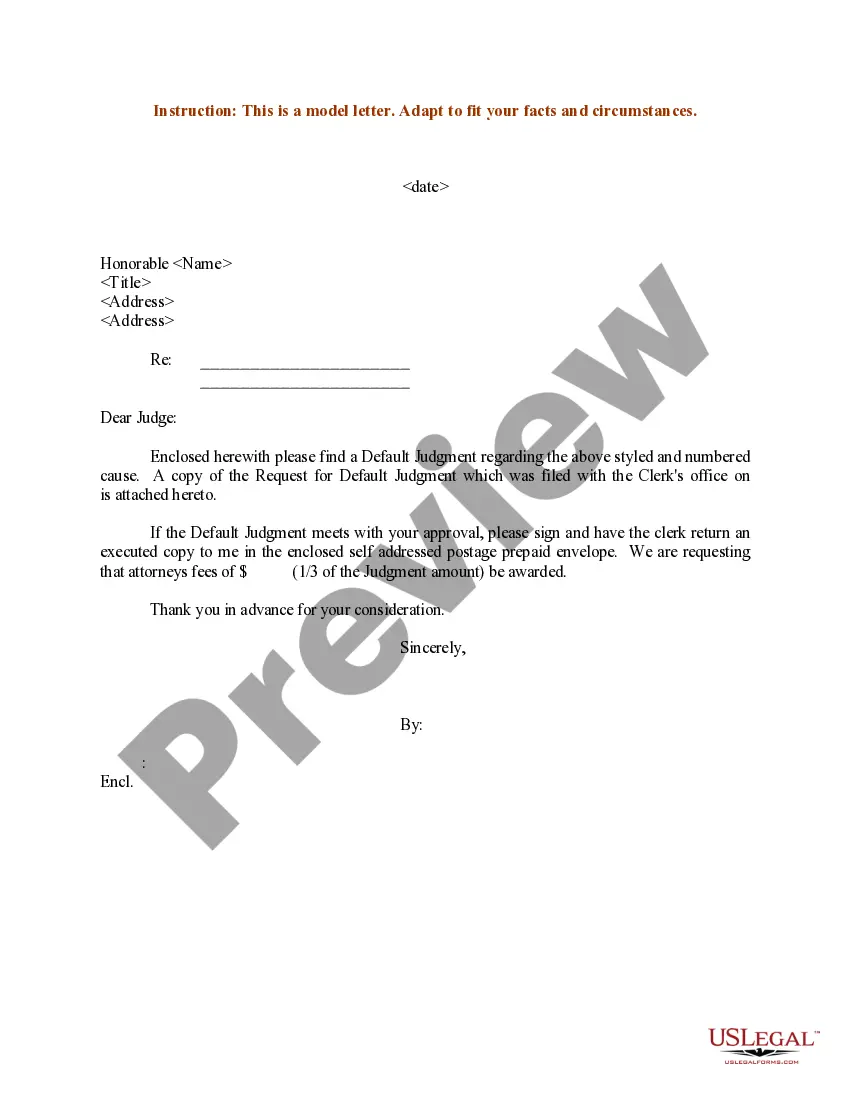
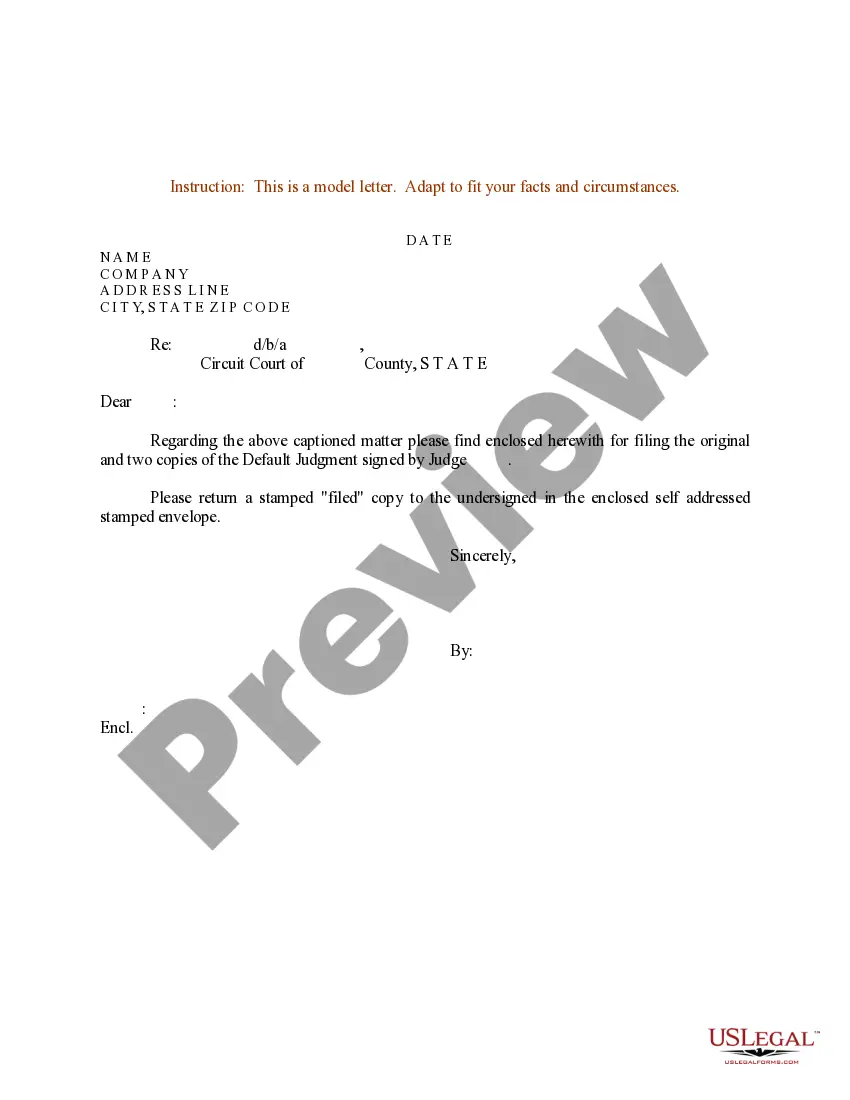
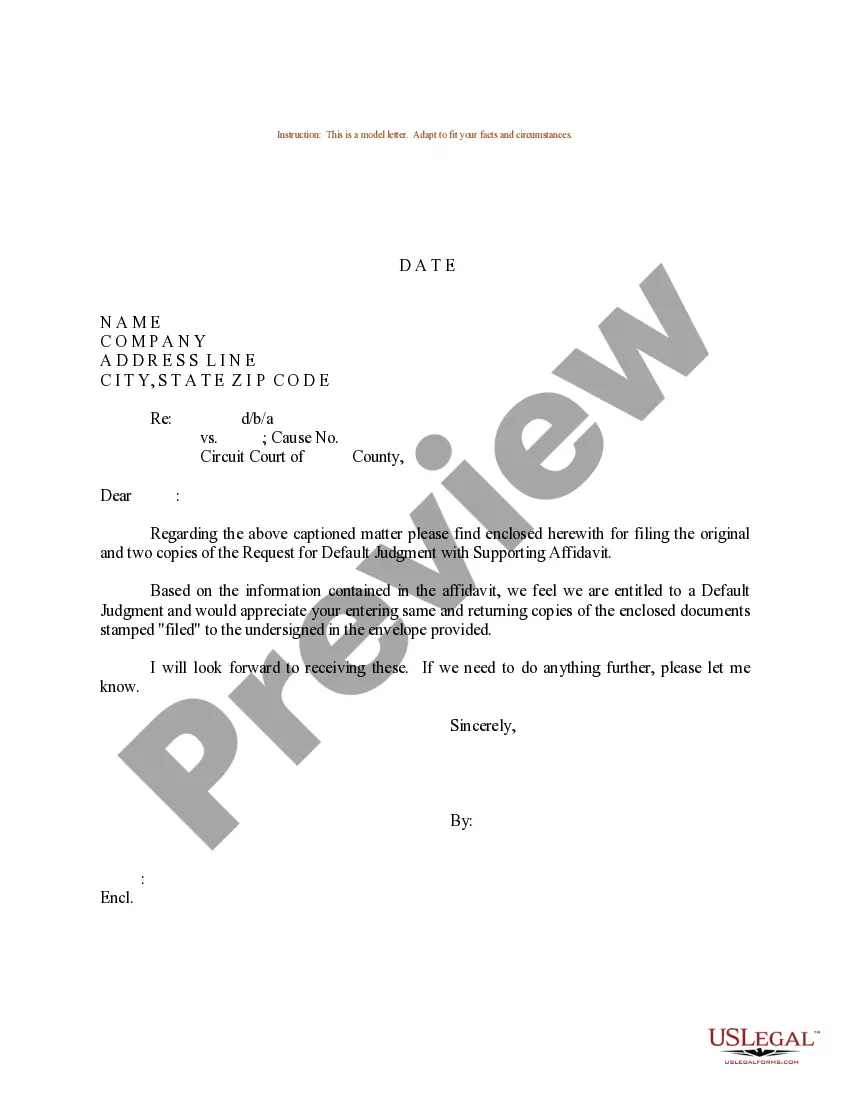
A default prove up is essentially a short court hearing where the individual seeking the divorce presents evidence to the judge. This is necessary because, in a default situation, the judgment is submitted without the agreement or participation of the other spouse.
Under CCP § 473(b), the court may set aside a default and default judgment if the defendant asking for the set aside presents enough evidence to the court to demonstrate that the default was entered by inadvertence, mistake, surprise, or excusable neglect.
up hearing in Texas is a court proceeding where the plaintiff presents evidence to prove their case, usually in uncontested matters or when seeking a default judgment.
A default prove up hearing occurs when the defendant has failed to respond to the plaintiff's complaint within the specified time frame. As a result, the defendant is considered to be in default, and the hearing is held to determine the appropriate judgment in favor of the plaintiff.
A default prove up hearing occurs when the defendant has failed to respond to the plaintiff's complaint within the specified time frame. As a result, the defendant is considered to be in default, and the hearing is held to determine the appropriate judgment in favor of the plaintiff.
If default judgment has been entered incorrectly then the court will set it aside, although an application will usually need to be made.
