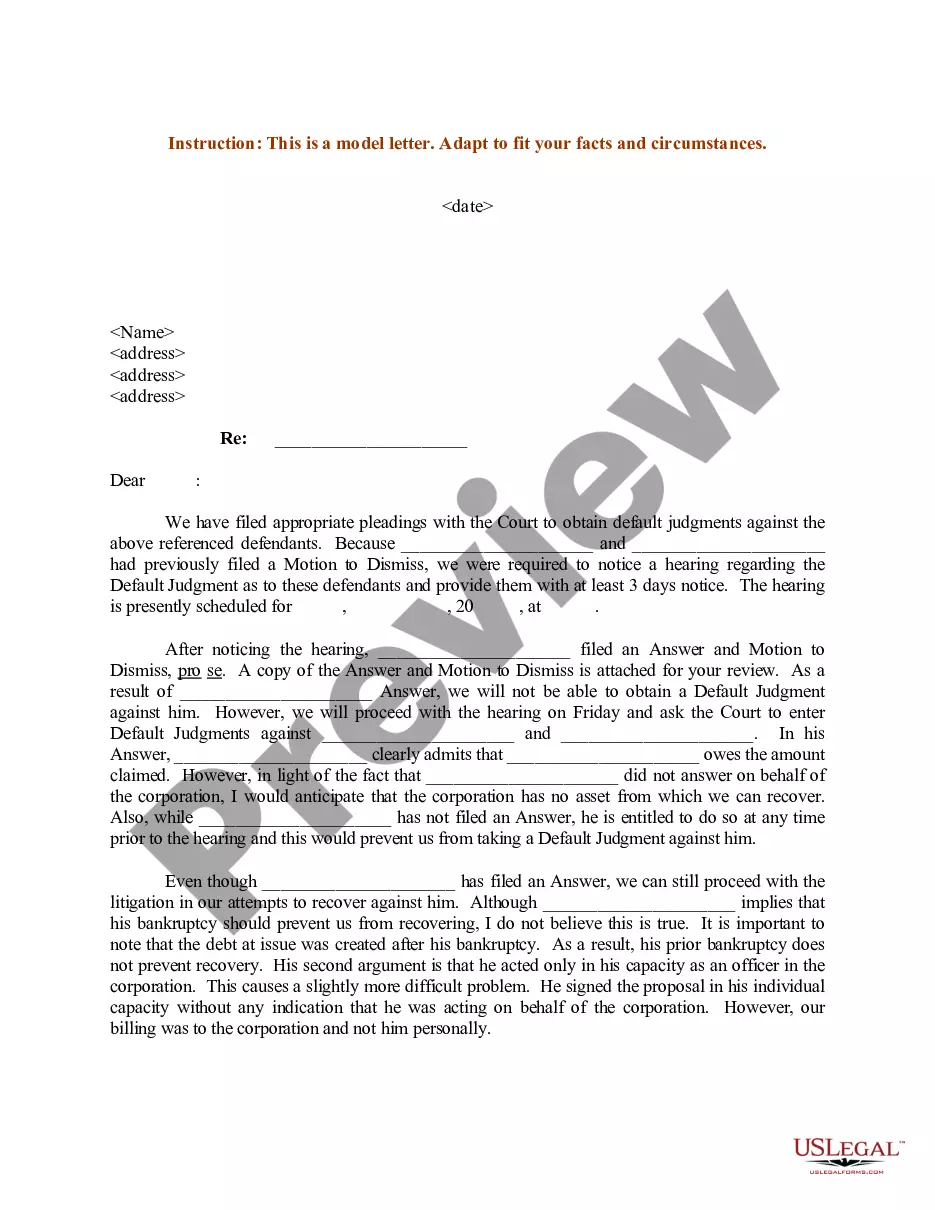
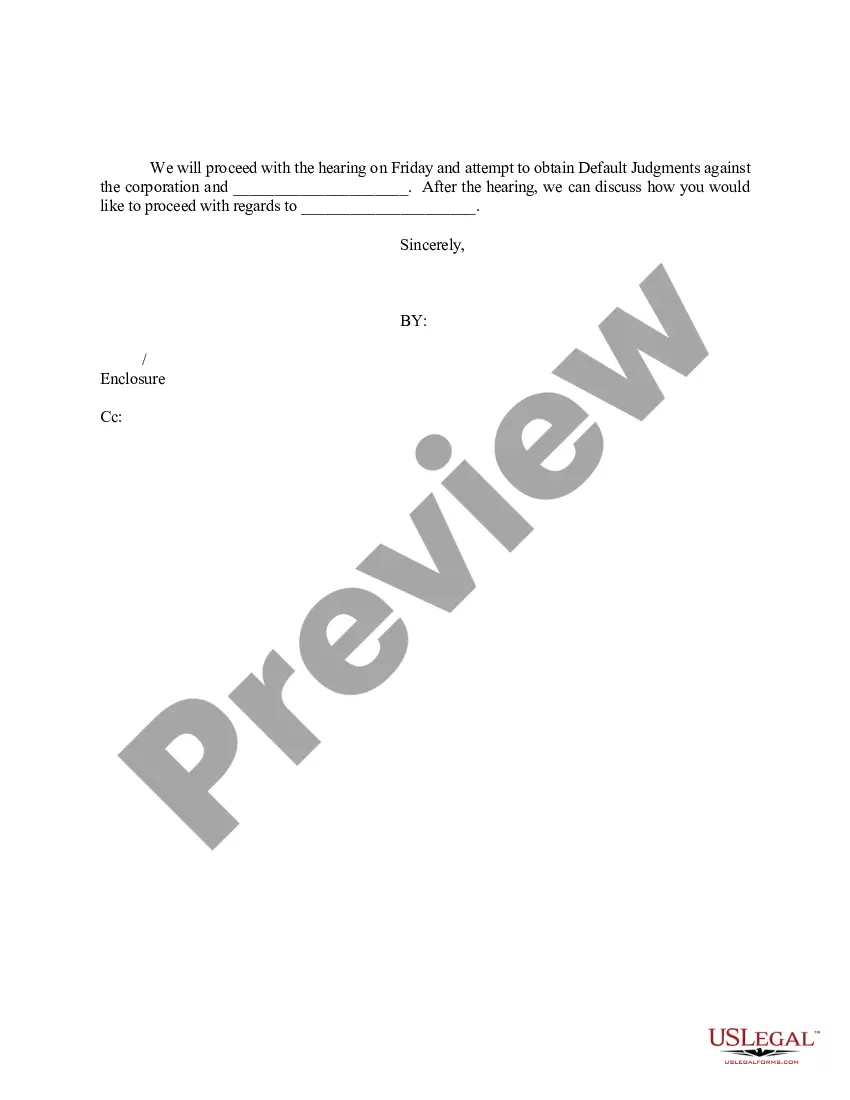
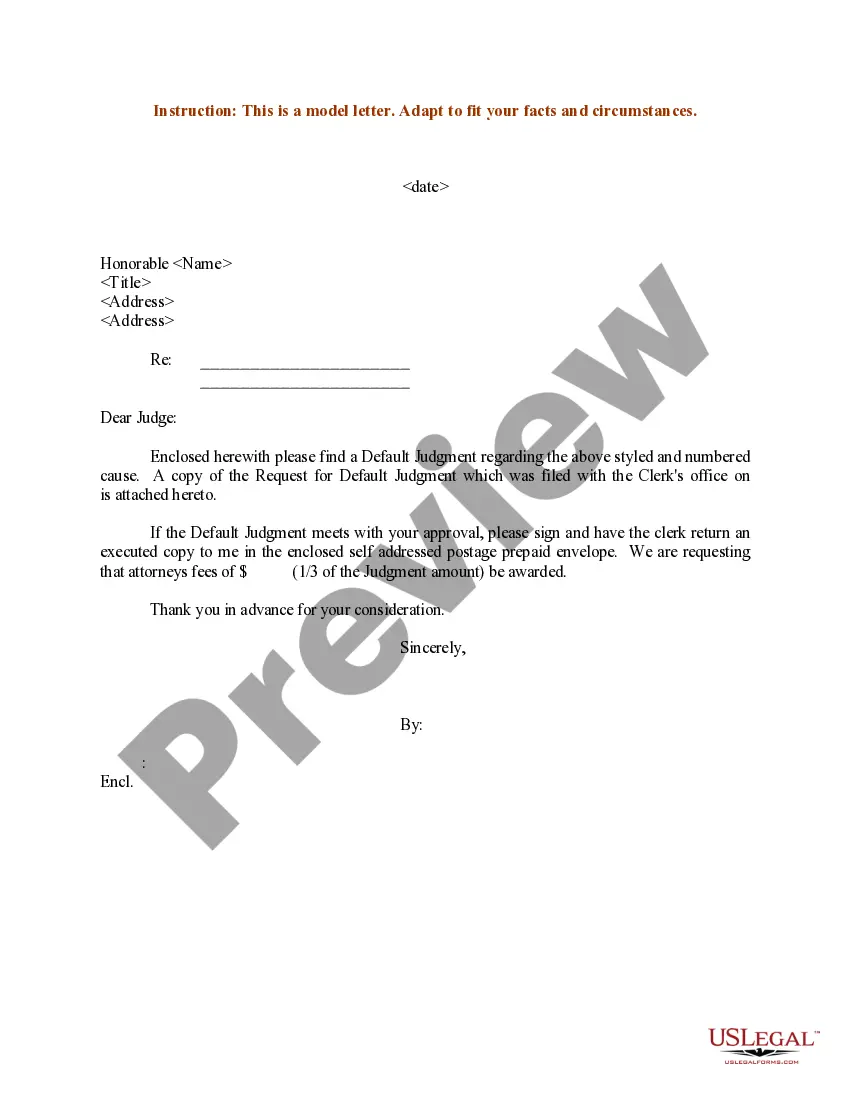
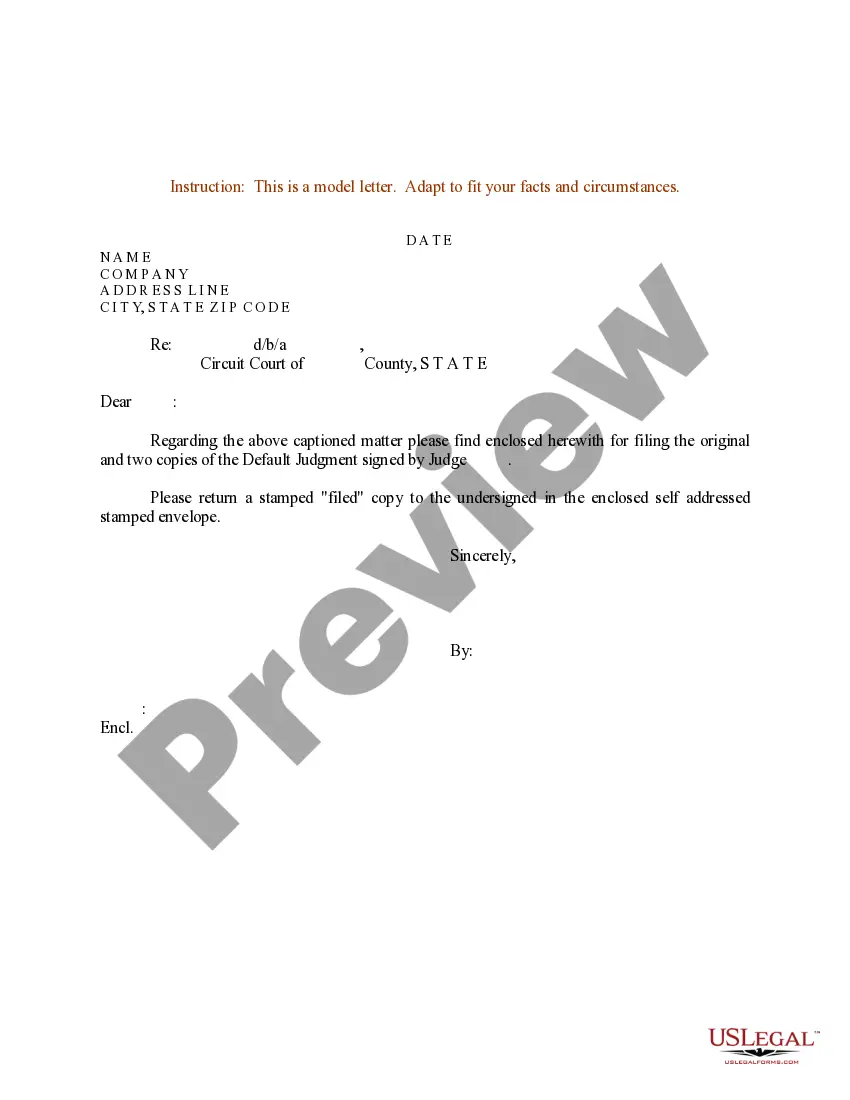
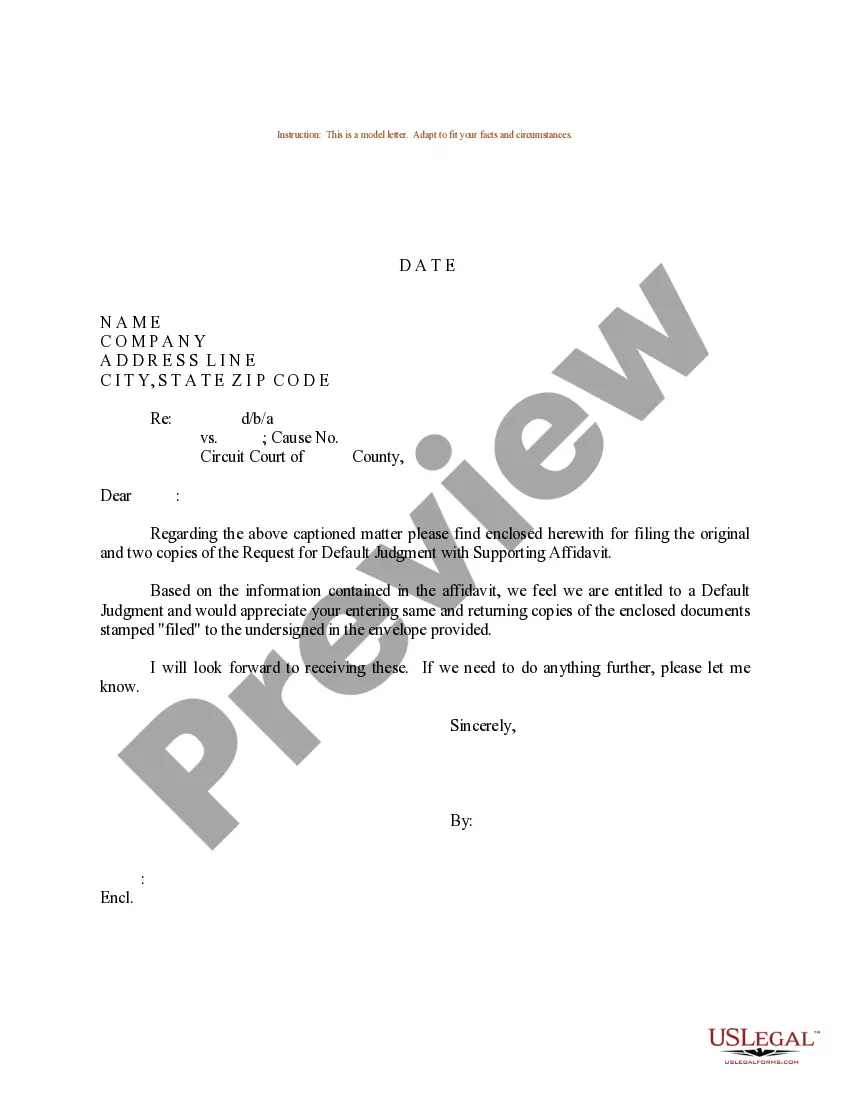
Letter Requesting Motion To Vacate Order Of Default Form In Maricopa
Description
Get your form ready online
Our built-in tools help you complete, sign, share, and store your documents in one place.
Make edits, fill in missing information, and update formatting in US Legal Forms—just like you would in MS Word.
Download a copy, print it, send it by email, or mail it via USPS—whatever works best for your next step.
Sign and collect signatures with our SignNow integration. Send to multiple recipients, set reminders, and more. Go Premium to unlock E-Sign.
If this form requires notarization, complete it online through a secure video call—no need to meet a notary in person or wait for an appointment.
We protect your documents and personal data by following strict security and privacy standards.

Make edits, fill in missing information, and update formatting in US Legal Forms—just like you would in MS Word.

Download a copy, print it, send it by email, or mail it via USPS—whatever works best for your next step.

Sign and collect signatures with our SignNow integration. Send to multiple recipients, set reminders, and more. Go Premium to unlock E-Sign.

If this form requires notarization, complete it online through a secure video call—no need to meet a notary in person or wait for an appointment.

We protect your documents and personal data by following strict security and privacy standards.
Looking for another form?









Form popularity
FAQ
Rule 55 - Default; Default Judgment (a)Entering a Default (1)Generally. If a party against whom a judgment for affirmative relief is sought has failed to plead or otherwise defend as provided in these rules, default may be obtained under the procedures set forth in this rule. (2)Application for Default.
A Writ of Execution allows the Constable to seize the judgment debtor's non-exempt PERSONAL PROPERTY and hold it for sale at public auction, for the purpose of satisfying the judgment. There are issuance fees and constable fees associated with a writ of execution.
A motion to vacate must be filed within a reasonable time. For reasons (1) and (2), the motion must be filed no more than 6 months after the entry of the judgment or the date of the proceeding, whichever is later. The moving party must deliver a copy of the motion to the other party on the date of filing.
For good cause shown, and upon terms the court deems just, the court may set aside a judgment entered upon a failure to appear. A motion to set aside a default judgment shall be made in writing within 30 days after entry of the default judgment.
In Arizona, a judgment is initially effective for ten years after the date of its entry, and execution must be accomplished within that period.
If it has been 30 days or less, you can get rid of ("vacate") a default judgment by filing a motion. This is a written request to the judge asking them to throw out the judgment. You will have to send a copy of the motion to the other party in the case, and then show up in court for a hearing.
Either party in a protective order cases can file a Motion to Modify (change), or a Motion to Terminate (end) the protective order. The clerk will set a court date for you to appear and present this to the judge. You will have to send the Respondent a copy of your motion.
An appeal asks a higher court to change the decision made by a lower court. A Motion to Vacate asks the same court to cancel its decision, as if the case never happened.
A "Default Judgment" is similar to a Judge's order in that it can be used to place a lien on your property, garnish your wages and/or affect your credit.
