Letter Requesting Motion To Vacate Order Of Default Without Notice In Florida
Description
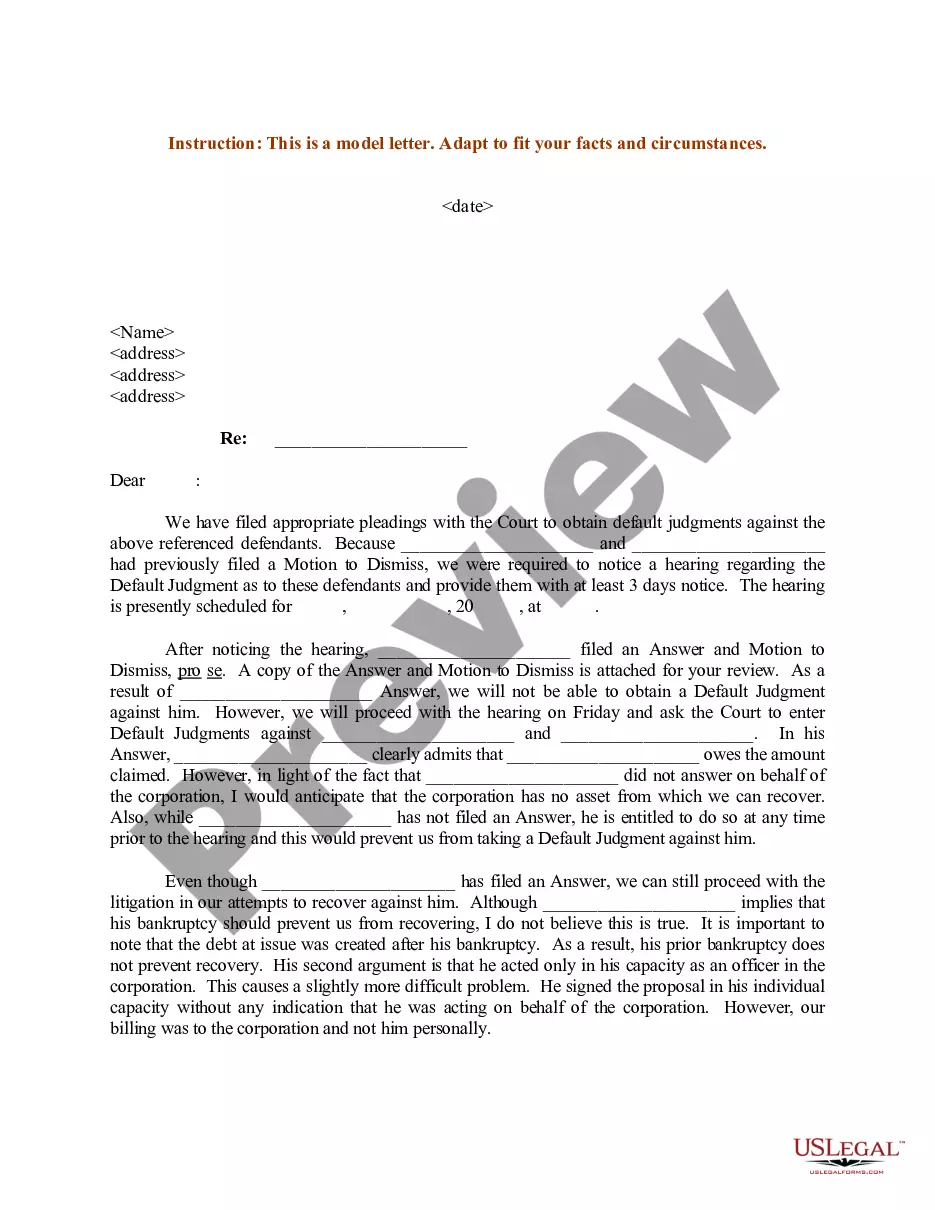
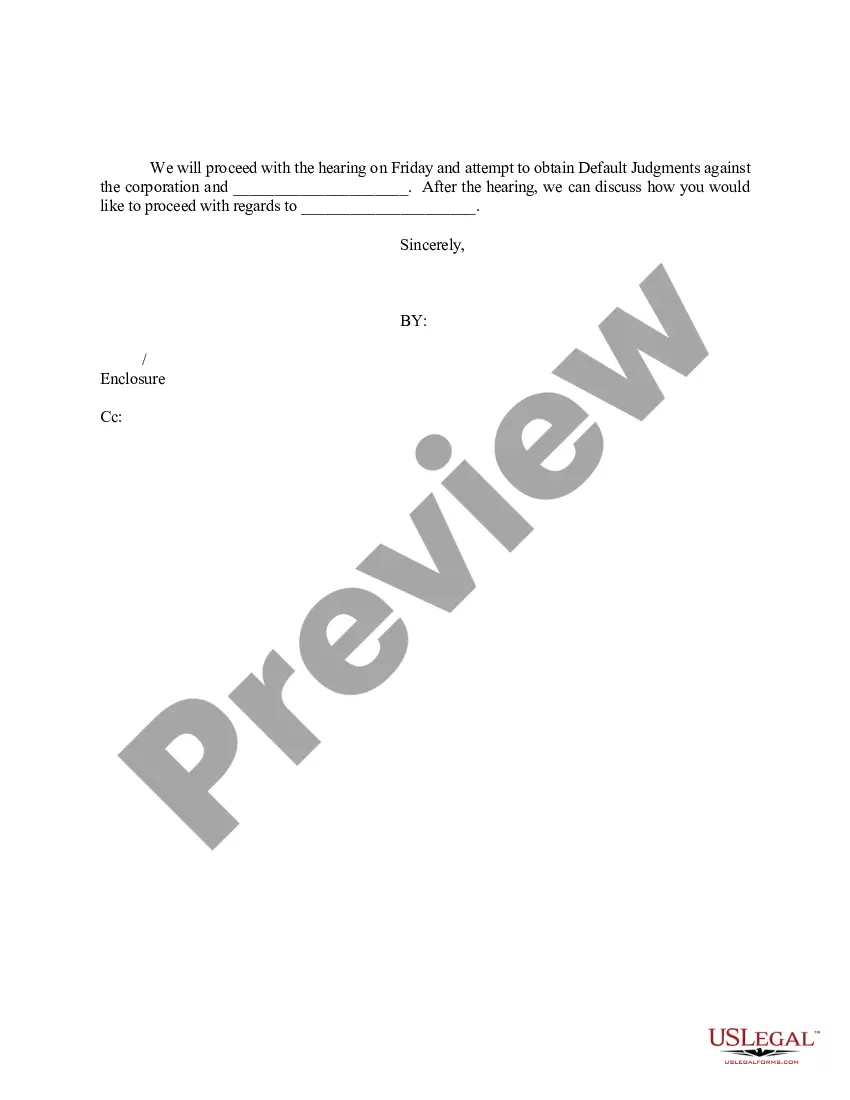
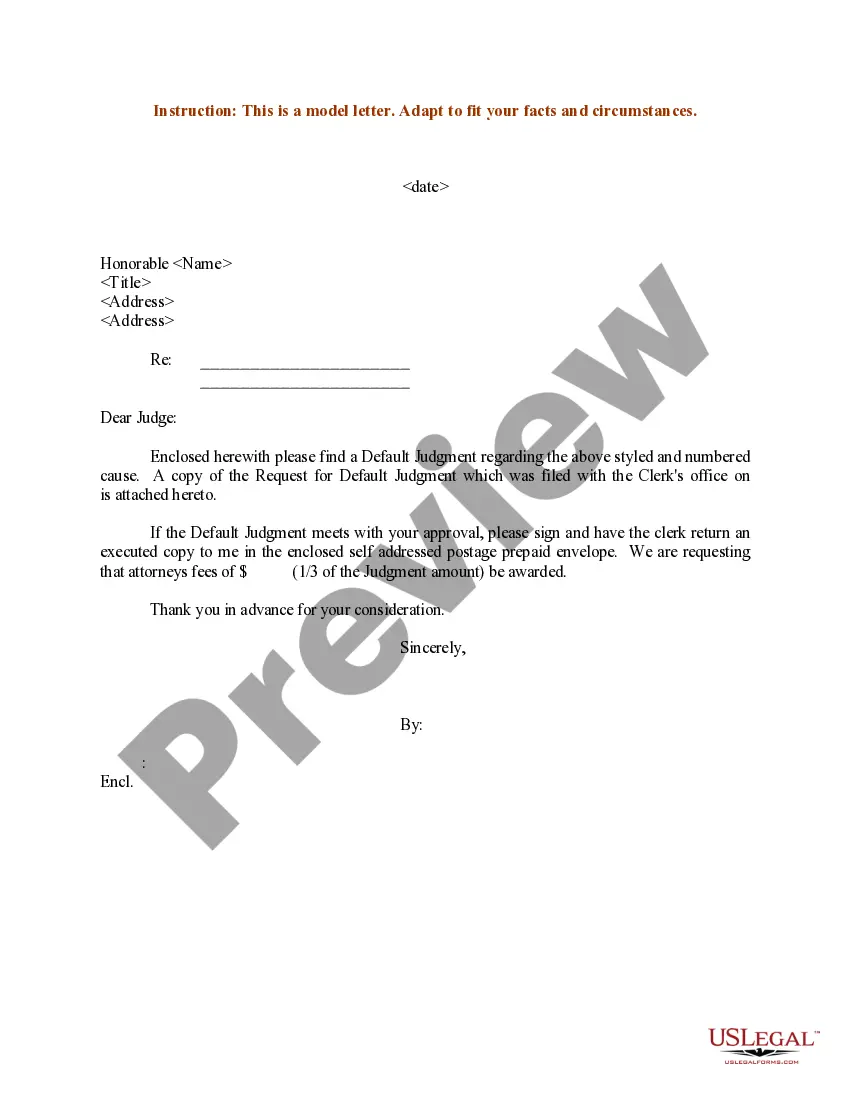
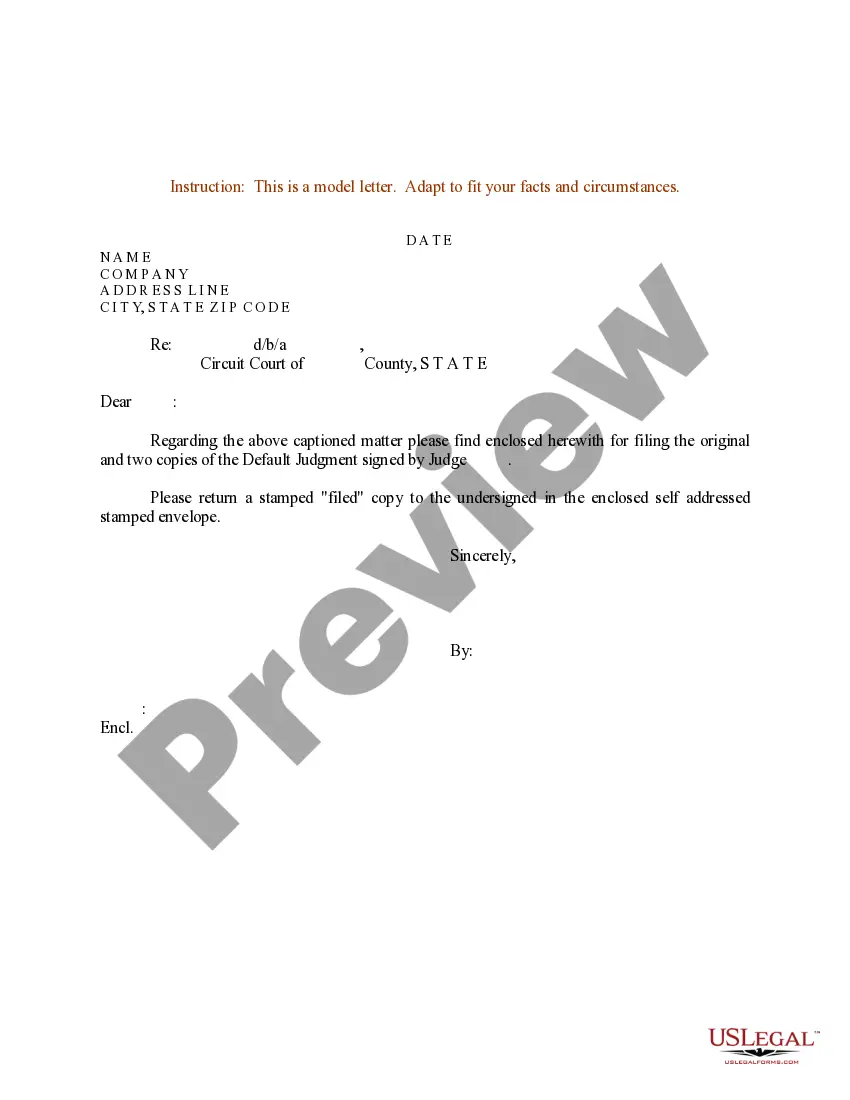
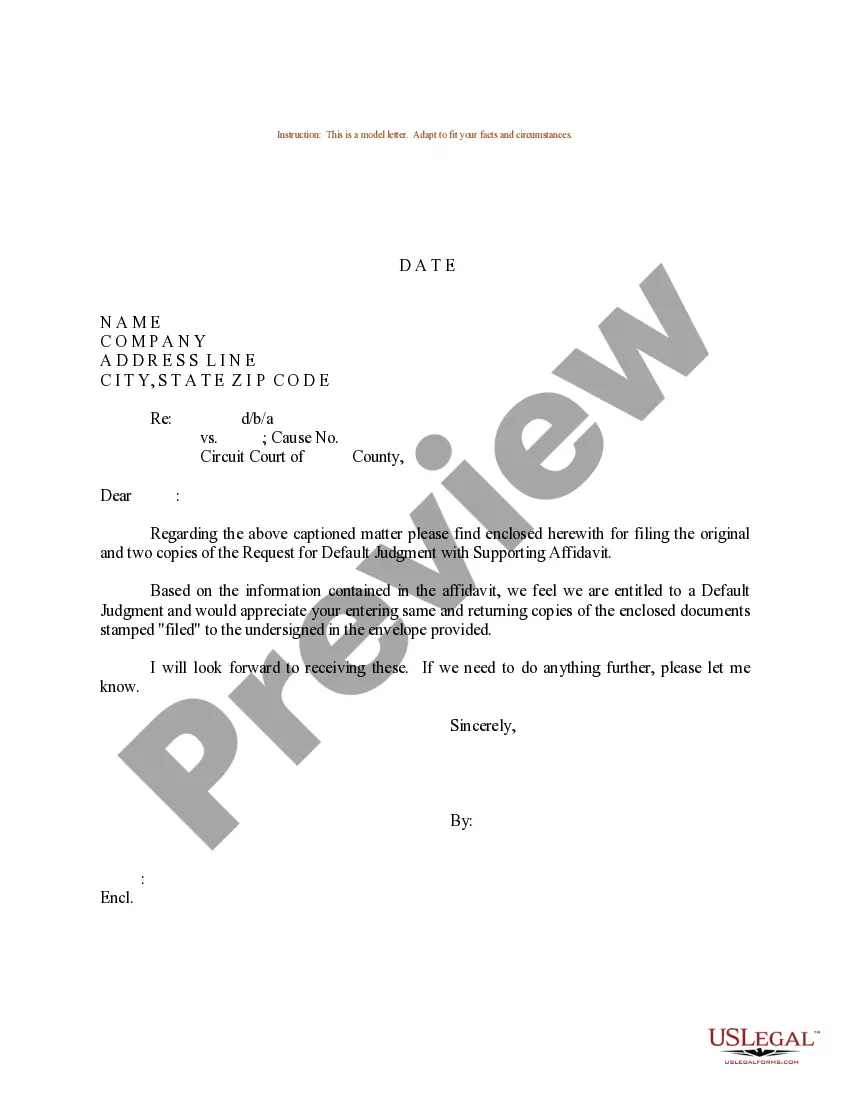
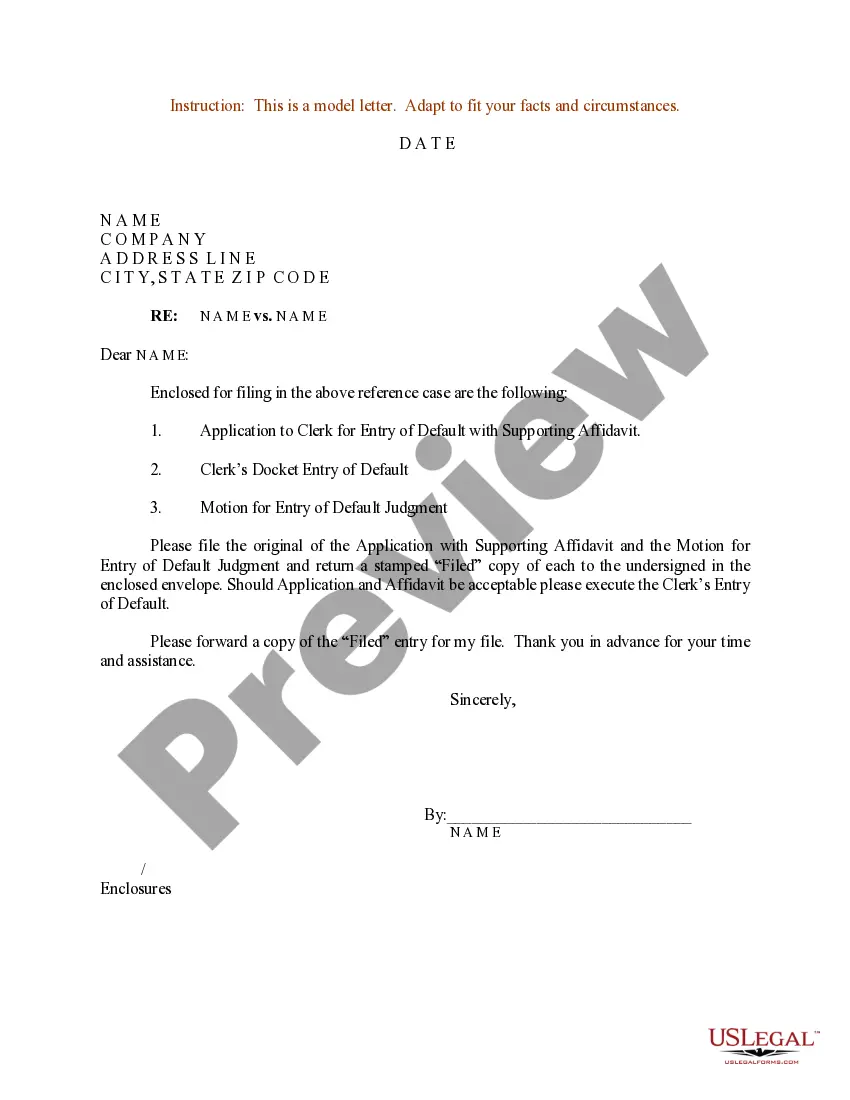
Get your form ready online
Our built-in tools help you complete, sign, share, and store your documents in one place.
Make edits, fill in missing information, and update formatting in US Legal Forms—just like you would in MS Word.
Download a copy, print it, send it by email, or mail it via USPS—whatever works best for your next step.
Sign and collect signatures with our SignNow integration. Send to multiple recipients, set reminders, and more. Go Premium to unlock E-Sign.
If this form requires notarization, complete it online through a secure video call—no need to meet a notary in person or wait for an appointment.
We protect your documents and personal data by following strict security and privacy standards.

Make edits, fill in missing information, and update formatting in US Legal Forms—just like you would in MS Word.

Download a copy, print it, send it by email, or mail it via USPS—whatever works best for your next step.

Sign and collect signatures with our SignNow integration. Send to multiple recipients, set reminders, and more. Go Premium to unlock E-Sign.

If this form requires notarization, complete it online through a secure video call—no need to meet a notary in person or wait for an appointment.

We protect your documents and personal data by following strict security and privacy standards.
Looking for another form?








Form popularity
FAQ
For that purpose the judgment debtor should approach the plaintiff/judgment creditor or his/her/its attorney to obtain the written consent to rescission of judgment. There is however no requirement in law that obliges a plaintiff/judgment creditor to give a consent to rescission of judgment.
With few exceptions, once a default judgment is entered in Florida, a defendant loses their chance to fight the judgment. In other words, it typically does not matter if, later on, the defendant asserts that the judgment is unfair, uses incorrect numbers, is based on wrong information, or any other number of excuses.
A Motion for Default is: If a defendant has failed to timely file an answer, to appear when summoned, or otherwise fail to plead, the plaintiff may file a request for a default judgment in their favor.
A common summary of the rules for setting aside (excusing) a default is frequently quoted by Florida appellate courts: A party attempting to set aside a clerk's default must demonstrate excusable neglect, a meritorious defense, and due diligence in order for the trial court to vacate the default.
Grounds for Vacating a Final Judgment Mistakes, inadvertence, surprise, or excusable neglect; Newly discovered evidence that could not have been reasonably discovered previously; Fraud, misrepresentation, or other misconduct of an adverse party; The judgment is void; or.
This motion for default final judgment may be filed by a landlord/plaintiff in a Florida eviction action to request that final judgment be entered against the defendant/tenant following its failure to respond to the plaintiff's eviction complaint within the requisite time-frame.
If the other party has failed to file or serve any documents within 20 days after the date of service of your petition, you may ask the clerk of the circuit court to enter a default against him or her by filling out this form and filing it with the court.
Grounds for Vacating a Final Judgment Mistakes, inadvertence, surprise, or excusable neglect; Newly discovered evidence that could not have been reasonably discovered previously; Fraud, misrepresentation, or other misconduct of an adverse party; The judgment is void; or.
A defendant can challenge the entry of default by filing a motion pursuant to Federal Rule of Civil Procedure 55(c), which allows the court to set it aside for “good cause” shown. Under certain circumstances, the court is required to do so.
With few exceptions, once a default judgment is entered in Florida, a defendant loses their chance to fight the judgment. In other words, it typically does not matter if, later on, the defendant asserts that the judgment is unfair, uses incorrect numbers, is based on wrong information, or any other number of excuses.
